Tunisia · Gouvernorat de Tunis
Where to Stay in La Marsa, Gouvernorat de Tunis
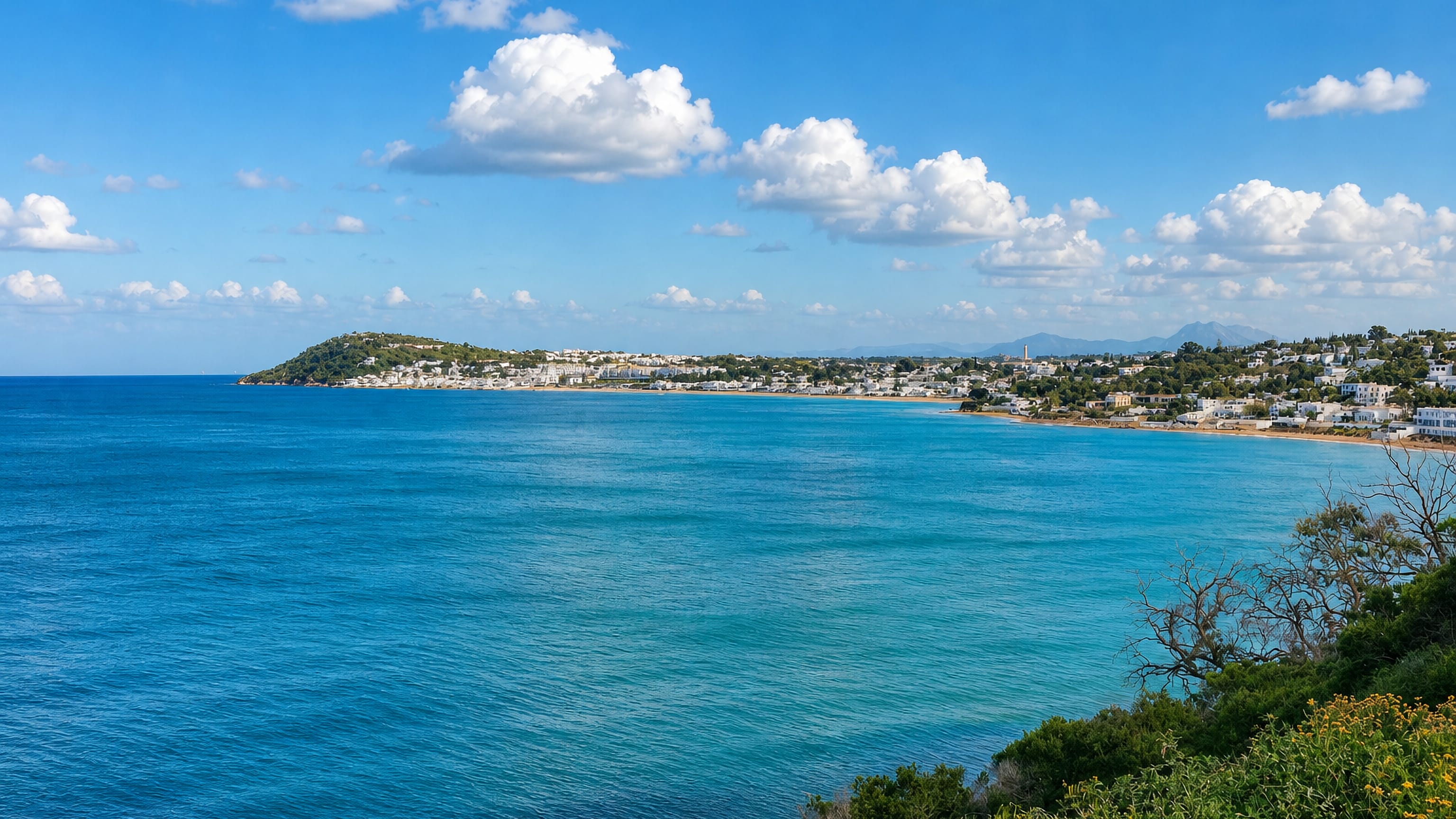
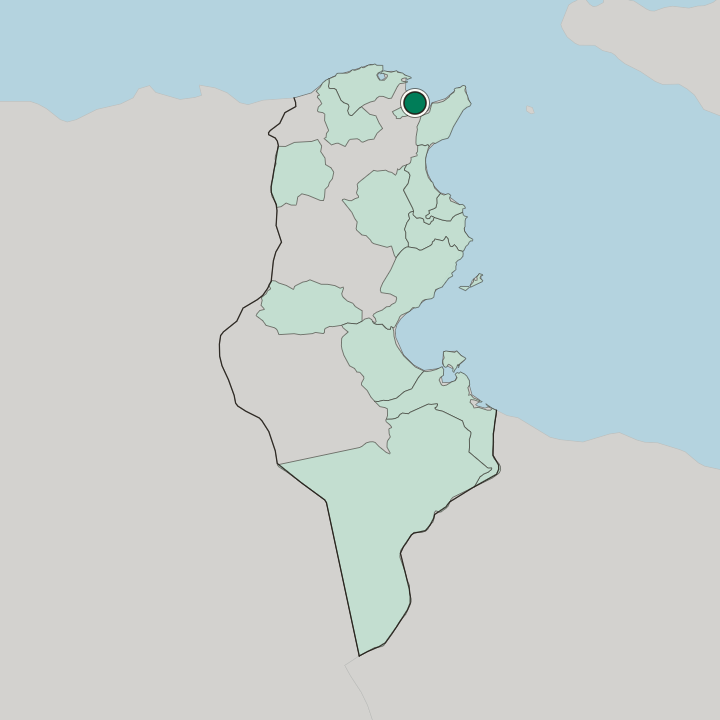
La Marsa is a beach town of the Tunis Governorate, strung along the Mediterranean at the end of the TGM railway that runs out from Tunis.
Hotel links are affiliate links: booking through them may earn us a commission, at no extra cost to you. It never affects how places are ranked. How this works


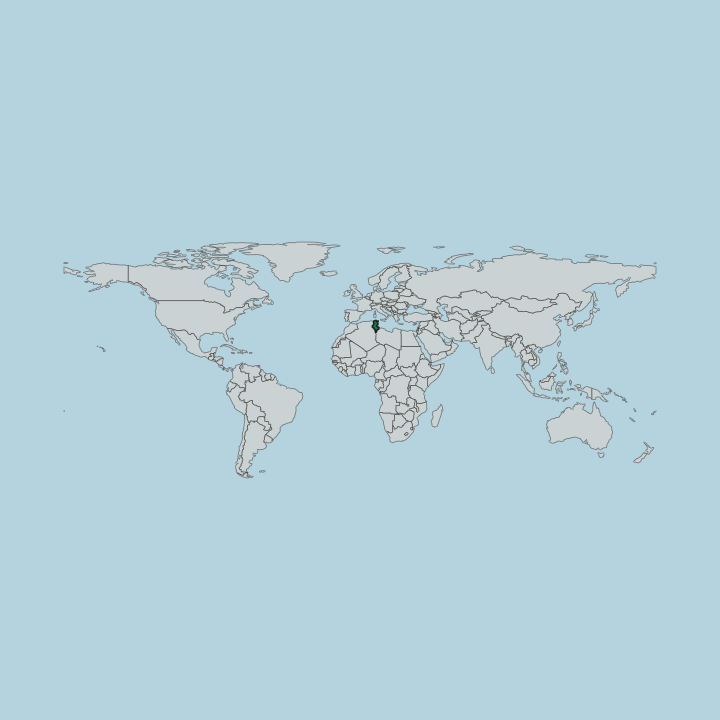
Where to stay in La Marsa
Where visitors usually base themselves, and why.
The beach decides most of it. La Marsa's Mediterranean frontage is what the town is known for, so rooms near the water carry a premium that the streets behind them do not, and the restaurants and cafés cluster along the same stretch. The TGM railway is the other lever.
A bed within reach of the line puts Tunis at the end of a short ride, which matters more than street address for anyone splitting time between the coast and the capital. Carthage supplies the alternatives. The District of Hannibal and the District of Dido are named ground in La Marsa's reach, with the Carthage Roman villas and the Odeon hill and park nearby, and a room on that side trades beach access for a shorter walk to the excavated city.
Dar El Annabi and the Centre of Arab and Mediterranean Music sit on the same landward side. Gammarth lies adjacent, further up the coast. Choosing it means a quieter shore and a longer run back to the museums, since the Carthage National Museum and the Salammbô Oceanographic Museum both fall on the archaeological side rather than the seaward one.
Pick by the morning's plan. Beach and cafés argue for the frontage; the excavated ground argues for the districts behind it.
Find hotels in La Marsa
Direct booking searches for these neighbourhoods.
La Marsa seafront
The strip where the Mediterranean frontage, the café rows and the TGM terminus for Tunis all fall inside one walk.Find hotels in La Marsa seafrontwaking up next to the Carthage excavationsDistrict of Hannibal
One of the named Carthage districts in La Marsa's reach, alongside the Carthage Roman villas and the Odeon hill and park. Beds are limited here, so book early.Find hotels in District of Hanniballandward nights near the Building with columns of CarthageDistrict of Dido
A Carthage district carrying the Dido name, back from the sand and within walking distance of the Carthage Paleo-Christian Museum. Few places to stay nearby — book ahead.Find hotels in District of Didoa quieter shore one stop on from La MarsaGammarth
The settlement adjacent to La Marsa and further up the same Mediterranean coast, trading café density for open beach.Find hotels in GammarthHotel links are affiliate links: booking through them may earn us a commission, at no extra cost to you. It never affects how places are ranked. How this works
Things to do in La Marsa
Ranked by global recognition; descriptions from Wikidata (CC0).
Museums & Galleries
3- Carthage National Museum
- Salammbô Oceanographic Museum
- Carthage Paleo-Christian Museum
Churches & Religious Sites
1- La Marsa church
Castles & Historic Sites
8- Odeon hill and park of the Roman villas of Carthage Heritage
- District of Magon (Carthage) Heritage
- Building with columns of Carthage Heritage
- District of Dido Heritage
- District of Hannibal Heritage
Show 3 more →
- Bir Messaouda Heritage
- El Mbazaa Field Heritage
- Land of the Roman house Heritage
worth knowingacross 3 categories in La Marsa
About La Marsa
Sand first, then the museums.
What is La Marsa known for?
La Marsa is known for its beaches and for the streets of restaurants and cafés that fill in behind them, and the Carthage archaeological ground sits close enough that the two get visited on the same day. The TGM railway does the rest. It ties the town to Tunis on a line arrivals learn quickly, with Gammarth adjacent and further up the coast.
What are the main landmarks in La Marsa?
Sightseeing at La Marsa runs through its museums. The Carthage National Museum and the Carthage Paleo-Christian Museum hold the excavated material, the Salammbô Oceanographic Museum takes the marine side, and the Carthage Roman villas with the Odeon hill and park keep the ruins themselves in the open air. La Marsa church is the town's own.
Bir Messaouda and the Sector of Bib Knissia Basilica add to the archaeological roll, and the Building with columns of Carthage is among the named sites in reach.
What is the history of La Marsa?
Names carry the chronology. The districts recorded on this ground are called Magon, Hannibal and Dido, names that come from Carthage rather than from any later town, and the Land of the Roman houses of Amilcar keeps a fourth in the same register. Rome came after.
The Carthage Roman villas and the Odeon hill and park belong to that layer, as do the Building with columns of Carthage and the Maison de la course des chars. The Maison de la chasse au sanglier belongs with them. Excavation names the rest.
Bir Messaouda, El Mbazaa Field and the Land of the Roman house are sectors rather than monuments, the working vocabulary of a dig. Christianity left its own mark. The Carthage Paleo-Christian Museum and the Sector of Bib Knissia Basilica record the stretch between the classical city and what came after it, a period the excavated sectors document more fully than any surviving building does.
La Marsa church is later. It stands as the town's own religious landmark rather than an excavated one, while Dar El Annabi is a house that survived as a building instead of as a site. Then came the TGM railway.
Its line tied La Marsa to Tunis, and that connection is why the beaches and cafés here are reached from the capital as readily as from anywhere along the coast. The museums hold what the ground gave up, and the Carthage National Museum and the Salammbô Oceanographic Museum are where most of it is read now.
Where is La Marsa?
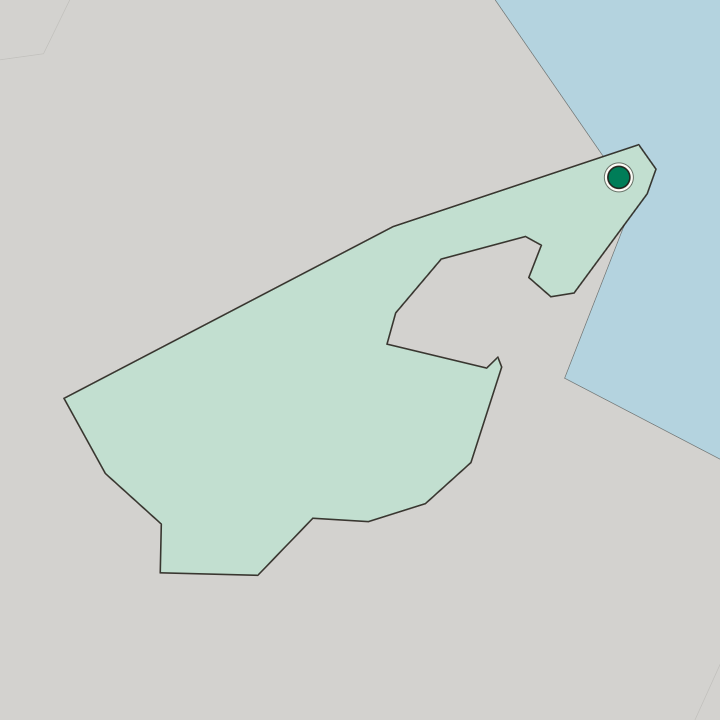
The sea sets the edge. La Marsa runs along the Mediterranean as a beach-side settlement of the Tunis Governorate, with Gammarth adjacent and lying further up the same coast. Behind the sand the ground lifts.
The area of the hills is a named piece of it, and the Odeon hill carries the park of the Carthage Roman villas above the flatter shore, so the town has both a level frontage and a raised landward side.
What is the climate of La Marsa?
Sea air governs the climate at La Marsa. Water in front of the town holds the temperate band steady, so the swings are smaller here than on ground set back from the coast, and the beach frontage stays usable well past the middle of the season. Breeze comes with it.
The same sea that draws people to La Marsa keeps the air moving along the shore, and the shaded café rows behind the sand exist because of it.
How do you get to La Marsa?
The TGM railway is the answer. It connects La Marsa to Tunis directly, which makes the capital the default approach and the line the default method, and the town is described by that connection nearly as much as by its beaches. Gammarth is next along.
Anyone continuing up the coast passes from La Marsa into it without a change of scene, and the Carthage National Museum is the other fixed point most itineraries are built around.
Common questions
What is the best area to stay in La Marsa?
La Marsa seafront: beach mornings with La Marsa church a few streets back. District of Hannibal: waking up next to the Carthage excavations. District of Dido: landward nights near the Building with columns of Carthage. Gammarth: a quieter shore one stop on from La Marsa.
Good for
Another city in Gouvernorat de Tunis
Updated September 2026