Tunisia · Gouvernorat de Tunis
Where to Stay in Tunis, Gouvernorat de Tunis
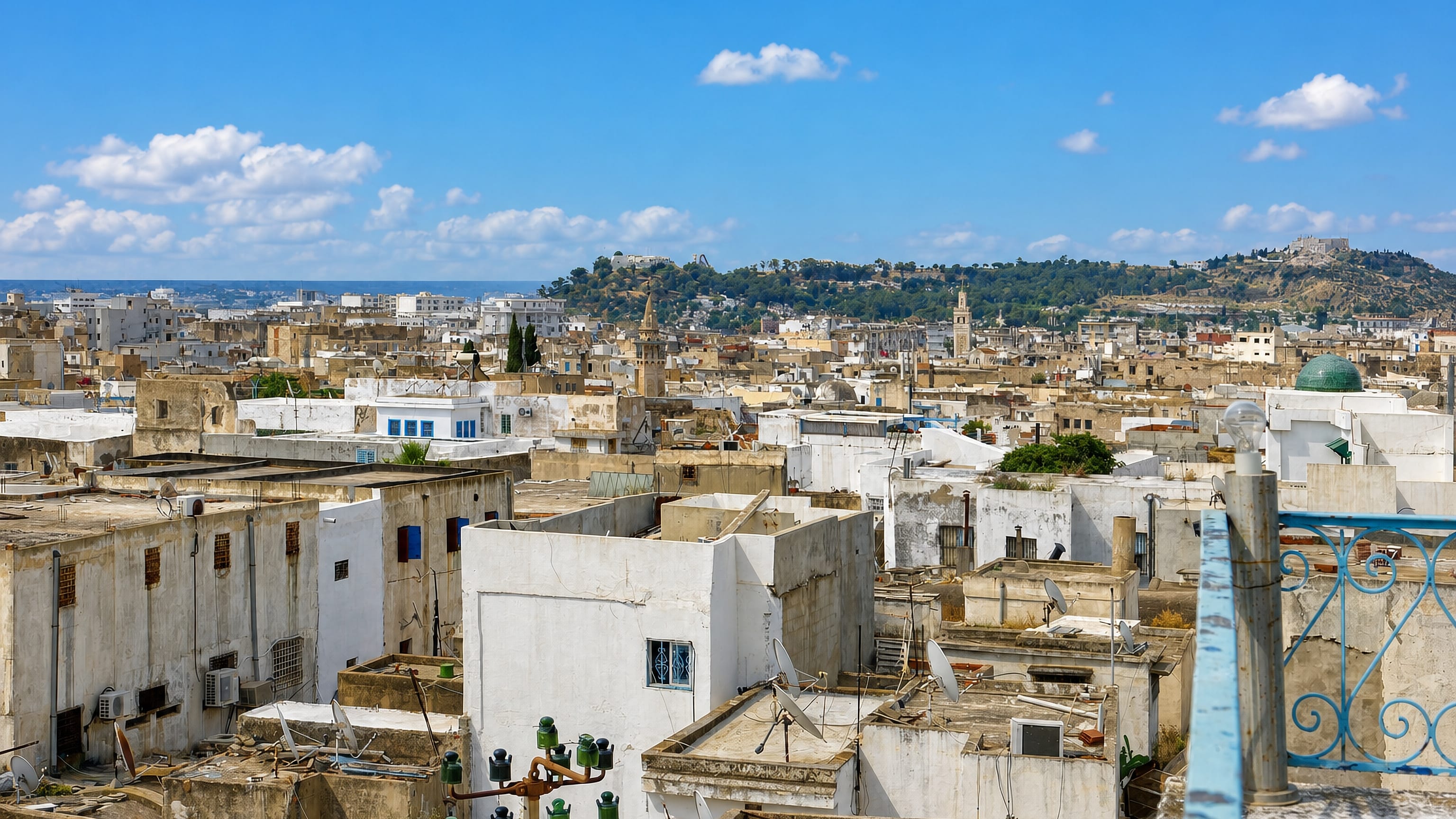
Tunis is the capital of Tunisia, a North African city whose medina and souq sit within reach of the ruins of Carthage and Kasbah Square.
Hotel links are affiliate links: booking through them may earn us a commission, at no extra cost to you. It never affects how places are ranked. How this works


Where to stay in Tunis
Where the beds are, and what that means for the visit.
Tunis divides between the walled old town and the colonial grid, and where you stay turns on which of the two cities you want at your door. The medina gathers the oldest fabric. Travellers drawn to the historic core settle near Kasbah Square and the National Monument of the Kasbah, where the souq winds through covered lanes and short walks lead out to the Museum of the City of Tunis.
This is the walkable heart of the Tunisian capital. The colonial quarter of French avenues suits visitors who want cafes and wide streets, with the National Museum of Modern and Contemporary Art and the Nation Tower nearby. If you have come for green space, the blocks around the Parc du Belvédère give the city its largest park and calmer evenings.
Families often choose the streets near the Museum of popular arts and traditions of Tunis. Each quarter reads differently. Pick the Tunis you prefer.
Find hotels in Tunis
Direct booking searches for these neighbourhoods.
The medina and Kasbah
The souq winds through covered lanes beside Kasbah Square and the National Monument of the Kasbah, within reach of the Museum of the City of Tunis.Find hotels in The medina and KasbahVisitors who want cafe avenues near the Nation Tower in TunisColonial French quarter
The wide colonial avenues carry the cafes and the National Museum of Modern and Contemporary Art, set apart from the walled medina.Find hotels in Colonial French quarterTravellers wanting green space and calmer nights in TunisAround the Parc du Belvédère
The Parc du Belvédère gives the capital its largest park, and the surrounding blocks stay quieter than the medina after dark.Find hotels in Around the Parc du BelvédèreHotel links are affiliate links: booking through them may earn us a commission, at no extra cost to you. It never affects how places are ranked. How this works
Things to do in Tunis
Ranked by global recognition; descriptions from Wikidata (CC0).
Museums & Galleries
3- Dar Maâkal Az-Zaïm Heritage
- Currency Museum
- Postal Museum
Churches & Religious Sites
4- Church of Sainte-Croix of Tunis Heritage
- Church of Notre-Dame-du-Rosaire of Tunis Heritage
- Saint Michael Church (Franceville) Heritage
- Notre-Dame of l'Espérance Heritage
Castles & Historic Sites
3- Kasbah Square Heritage
- National Monument of the Kasbah
- Séjoumi Martyrs Memorial
Nature & Outdoors
1- Parc du Belvédère
Landmarks & Notable Places
1- Nation Tower
worth knowingacross 5 categories in Tunis
About Tunis
What is Tunis known for?
Tunis is known as the capital and largest city of Tunisia, a mix of the old medina and colonial French streets. Its souq is among the most authentic in North Africa. The old town holds Kasbah Square and the National Monument of the Kasbah, while the ruins of Carthage and the Punic ports lie a short way off, making Tunis the point from which travellers reach the ancient coast.
What are the main landmarks in Tunis?
Tunis holds landmarks that span its Arab old town, its colonial era, and its museums. Kasbah Square anchors the medina. Around it stand the National Monument of the Kasbah and the covered souq, while colonial churches such as Saint Jeanne d'Arc Church and St George's Anglican Church mark the French decades.
The Parc du Belvédère offers green space, and the Museum of the City of Tunis, the Currency Museum, and the National Museum of Modern and Contemporary Art gather the collections of the capital.
What is the history of Tunis?
Tunis grew beside one of the oldest sites in the western Mediterranean, the ruins of Carthage that stand a short way from the modern capital of Tunisia. Carthage came first. The Punic ports of that ancient city carried trade across the sea centuries before the walled medina of Tunis took shape inland, and the two places have shared the same shore through every age since.
The medina became the Arab heart of the city. Its lanes gathered the souq and the mosques, and Kasbah Square with the National Monument of the Kasbah marks the seat of authority that ruled from within the walls. Later the French laid a colonial grid of avenues beside the old town, raising churches such as Saint Jeanne d'Arc Church, and the Museum of the City of Tunis now keeps the record of that layered past.
Tunis outlasted Carthage. The capital carries both stories.
Where is Tunis?
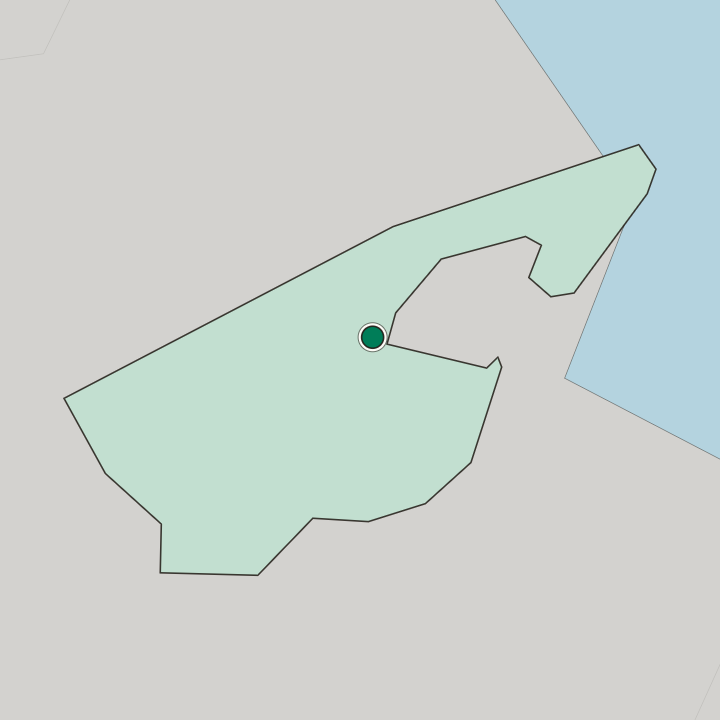
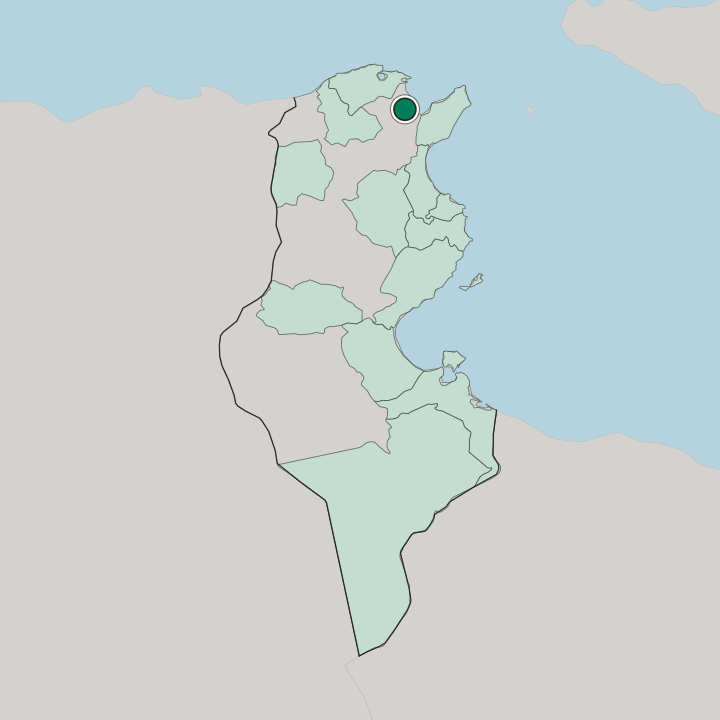
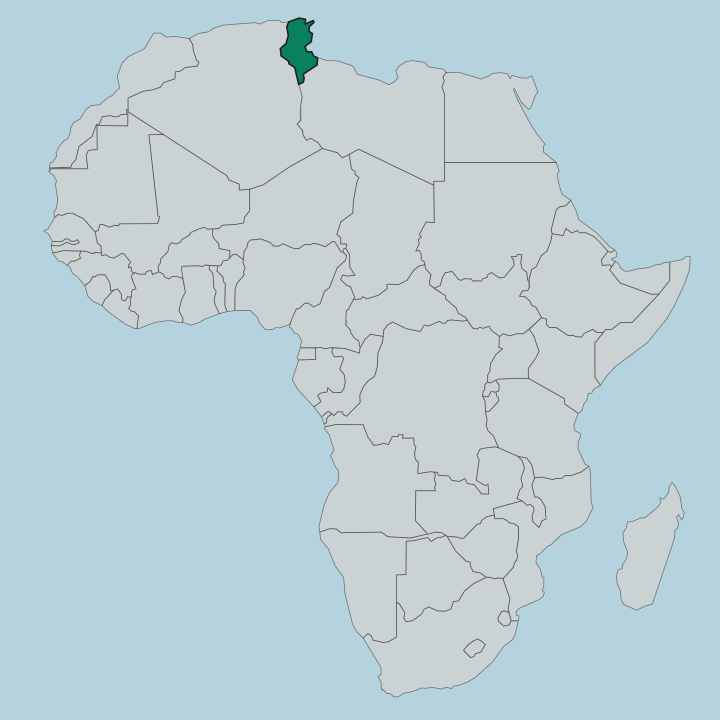
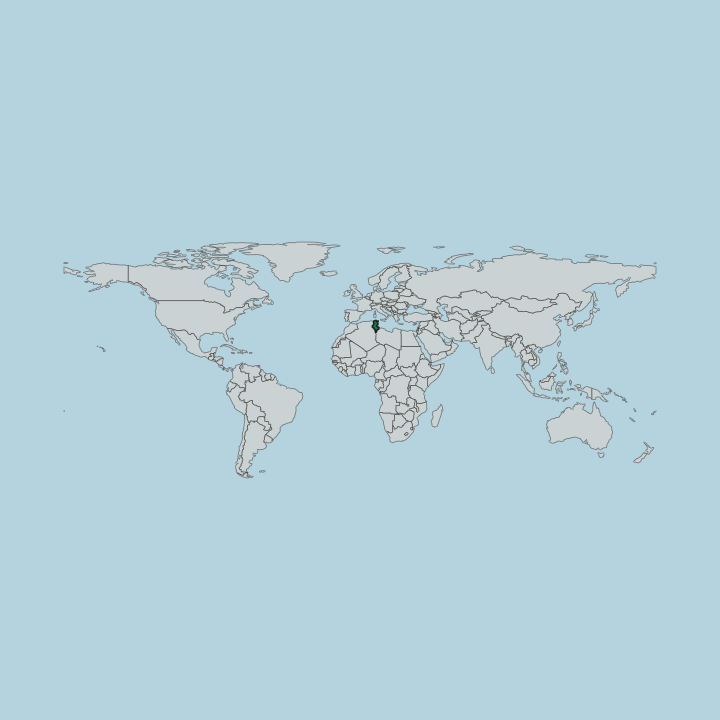
Tunis sits on the coast of North Africa, the capital of Tunisia set back from the shore where the ancient Punic ports of Carthage once opened to the sea. The old town rests on higher ground. The medina climbs above the plain around Kasbah Square, while the colonial city spreads out toward the water, and the ruins of Carthage stand a short way along the coast from the modern capital.
What is the climate of Tunis?
Tunis has a warm Mediterranean climate on the coast of North Africa. Summer settles hot and rainless over the medina and the modern city alike. Long rainless months settle over the medina and the modern capital through the warm season, while the winters stay mild and wetter, when the rains that green the hills around Tunis come in off the sea before the dry heat returns.
How do you get to Tunis?
Tunis is reached by air and by road as the hub of Tunisia, with the coast open to sea traffic. Flights land close to the capital. Roads and rail spread out from Tunis across the country, and from here the ruins of Carthage and the Punic ports are easily reached along the shore, tying the modern capital to the ancient coast a short way off.
Common questions
What is the best area to stay in Tunis?
The medina and Kasbah: Walkers who want the old souq around Kasbah Square in Tunis. Colonial French quarter: Visitors who want cafe avenues near the Nation Tower in Tunis. Around the Parc du Belvédère: Travellers wanting green space and calmer nights in Tunis.
Good for
Another city in Gouvernorat de Tunis
Updated September 2026