Turkey · Hatay
Where to Stay in Antakya, Hatay
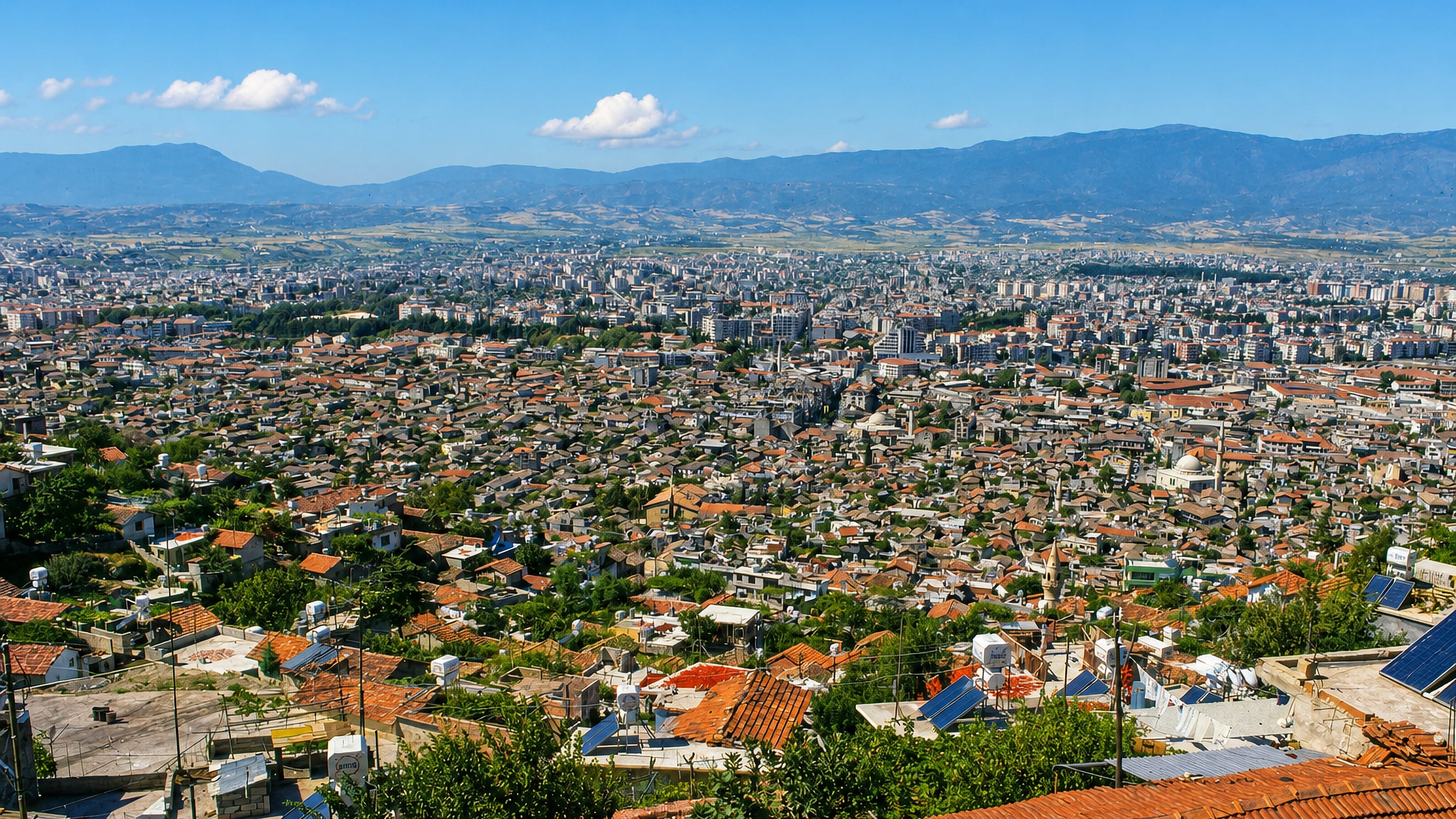
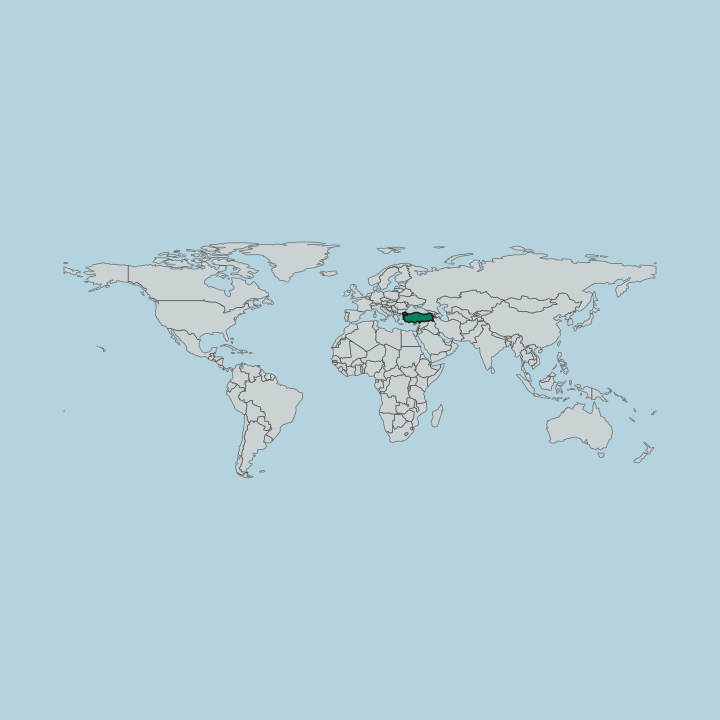
Antakya sits in a fertile valley on the Orontes River, the capital of Hatay Province in southern Turkey and heir to ancient Antioch.
Hotel links are affiliate links: booking through them may earn us a commission, at no extra cost to you. It never affects how places are ranked. How this works


Where to stay in Antakya
The practical side of choosing where to sleep.
Most visitors base themselves within reach of the old core, where the museums and churches cluster. The stretch below the Church of Saint Peter puts the ancient rock-cut sanctuary and the climb up the valley slope within an easy walk, and it suits travellers who want the antiquities first. Antakya's stock of beds is small.
The 2023 earthquake damaged much of the historic fabric, so beds concentrate in the newer districts spreading out along the Orontes River rather than in the oldest lanes. Staying near the Hatay Archaeology Museum works for anyone whose main draw is the mosaic collection and the wider sweep of Hatay Province. Whichever base you choose, the compact valley setting keeps the Levantine Sea, the Orontes, and the surrounding countryside all within reach of a single day's outings.
You trade a wide choice of rooms for proximity to genuine antiquity.
Find hotels in Antakya
Direct booking searches for these neighbourhoods.
Old core below the Church of Saint Peter
The lanes below the Church of Saint Peter reach the ancient rock-cut sanctuary and the climb up the Orontes valley slope within a short walk. Few places to stay nearby — book ahead.Find hotels in Old core below the Church of Saint PeterMosaic-focused visitors using the museum as a base for wider Hatay Province outingsNear the Hatay Archaeology Museum
Rooms near the Hatay Archaeology Museum put its Roman mosaic collection and the road out into Hatay Province on your doorstep.Find hotels in Near the Hatay Archaeology MuseumHotel links are affiliate links: booking through them may earn us a commission, at no extra cost to you. It never affects how places are ranked. How this works
Things to do in Antakya
Ranked by global recognition; descriptions from Wikidata (CC0).
Museums & Galleries
3- Hatay Archaeology Museum
- Hatay Edebiyat Müze Kütüphanesi
- Necmi Asfuroğlu Arkeoloji Museum
Churches & Religious Sites
3- Church of Saint Peter Heritage
- St. Paul Orthodox Church
- Antakya Catholic Church
Castles & Historic Sites
3- Circus of Antioch
- Hatay Castle
- Antakya (Samian Ware Discovery Site)
Stadiums & Sports
1- Antakya Sport Hall
Landmarks & Notable Places
3- Antakya Mimarlar Odası Binası
- Antakya Musevi Konuk Evi
- Antakya Türk Katolik Kilisesi Misafirhanesi
worth knowingacross 5 categories in Antakya
About Antakya
This is old ground.
What is Antakya known for?
The city is known as the site of Antioch-on-the-Orontes, described in the Bible as one of the earliest Christian communities, and that heritage still shapes the sights and lanes visitors come to explore. Cut into the slope above the valley, the Church of Saint Peter ranks among the oldest surviving Christian sites anywhere. The Hatay Archaeology Museum holds a celebrated collection of Roman mosaics from the countryside around.
Layers of Greek, Roman, and later settlement have left Antakya with a dense concentration of remains that is remarkable for a city of its size.
What are the main landmarks in Antakya?
Antiquity anchors the sights. The Church of Saint Peter, hollowed into the rock above the valley, is the marquee draw, and the Hatay Archaeology Museum gathers the region's Roman mosaics under one roof. Newer galleries have joined them: the Necmi Asfuroğlu Arkeoloji Museum was raised over a working excavation.
Christian heritage runs deep through St. Paul Orthodox Church and the Antakya Catholic Church, while the ruined outline of the Circus of Antioch and the heights of Hatay Castle recall the Roman and medieval city that stood on this ground.
What is the history of Antakya?
Antakya carries the name and the ground of ancient Antioch, a city of the Greek and Roman world that rose on the banks of the Orontes River. It grew into one of the great cities of antiquity, and the Bible records Antioch-on-the-Orontes as home to one of the earliest Christian communities. That association gave the Church of Saint Peter its claim as an early meeting place of the faith.
Traders, armies, and empires passed through the valley for centuries. Modern Antakya became the capital of Hatay Province, which joined Turkey in 1939. The city kept its mixed inheritance of Greek, Roman, and later heritage, visible in the mosaics gathered at the Hatay Archaeology Museum and in churches of several confessions.
In 2023 a major earthquake struck Hatay and damaged much of Antakya's historic fabric. Recovery is under way. The layers beneath the streets, from the Circus of Antioch onward, keep the ancient city present.
Where is Antakya?
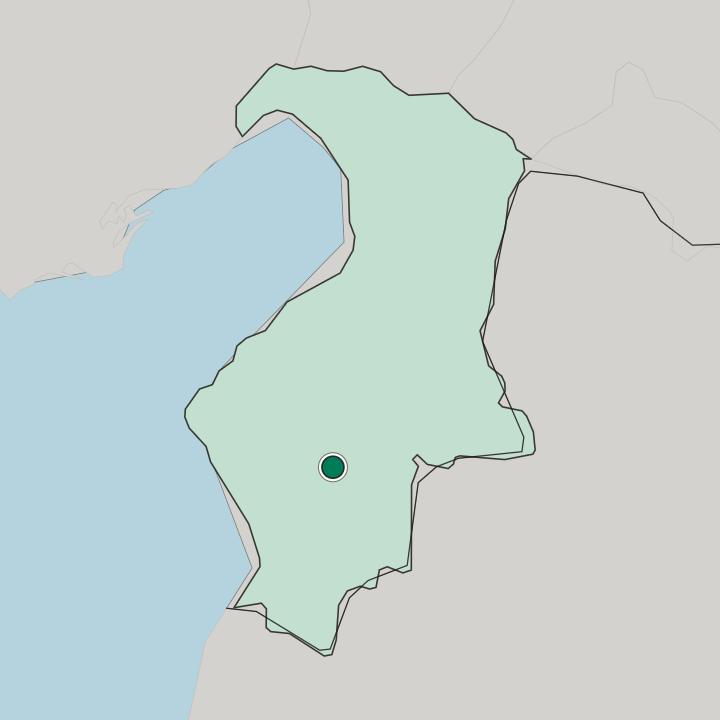
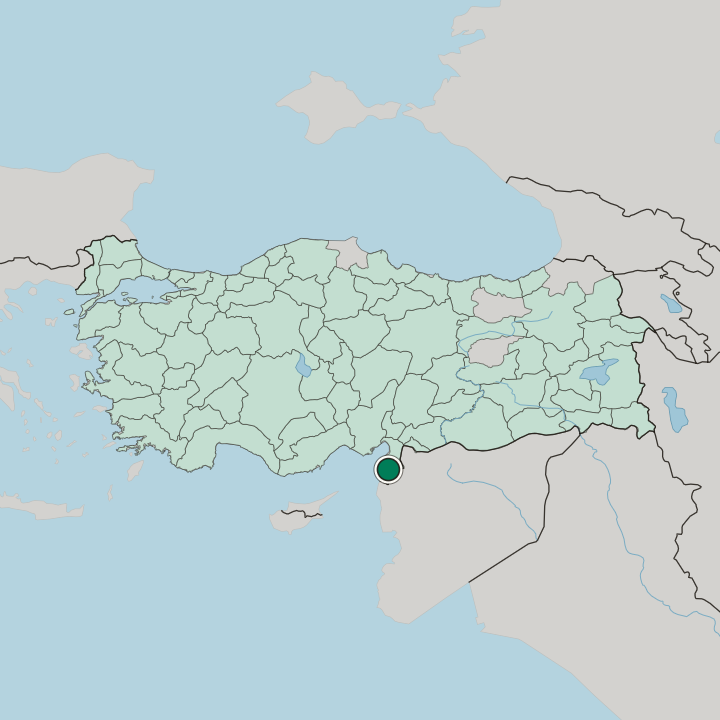
The setting is a valley. Antakya lies in a well-watered, fertile valley on the Orontes River, in Hatay Province at the southernmost reach of Turkey, where the land opens toward the eastern Mediterranean. The Levantine Sea meets the coast about 20 kilometres to the west.
Hills rise close on either side of the valley, and the Church of Saint Peter is cut into one of those slopes above the town.
What is the climate of Antakya?
The valley enjoys a warm, dry-summer climate typical of this corner of the eastern Mediterranean. Heat builds through the long dry summers of the Orontes valley. The Orontes River and the fertile ground around Antakya reflect wetter, milder winters that keep the valley green for much of the year.
Sea air from the nearby Levantine Sea tempers the heat closer to the coast, and the hills around Hatay Province catch more rain than the valley floor below. The coast stays milder.
How do you get to Antakya?
Antakya sits at the southern end of Turkey. Roads follow the Orontes River valley down toward the coast, where the Levantine Sea lies about 20 kilometres west of the city, and regional connections link Hatay Province northward into the rest of the country. Arriving is straightforward.
Once you are in town, the compact valley puts the Church of Saint Peter and the Hatay Archaeology Museum within a short trip of each other.
Common questions
What is the best area to stay in Antakya?
Old core below the Church of Saint Peter: Antiquities-first travellers wanting the rock-cut Church of Saint Peter and the valley slope on foot. Near the Hatay Archaeology Museum: Mosaic-focused visitors using the museum as a base for wider Hatay Province outings.
Good for
More cities in Hatay
Updated October 2026