Turkey · Hatay
Where to Stay in İskenderun, Hatay
İskenderun is a Mediterranean port city in Hatay, founded in antiquity as Alexandria on Issos and long known to sailors as Alexandretta.
Hotel links are affiliate links: booking through them may earn us a commission, at no extra cost to you. It never affects how places are ranked. How this works


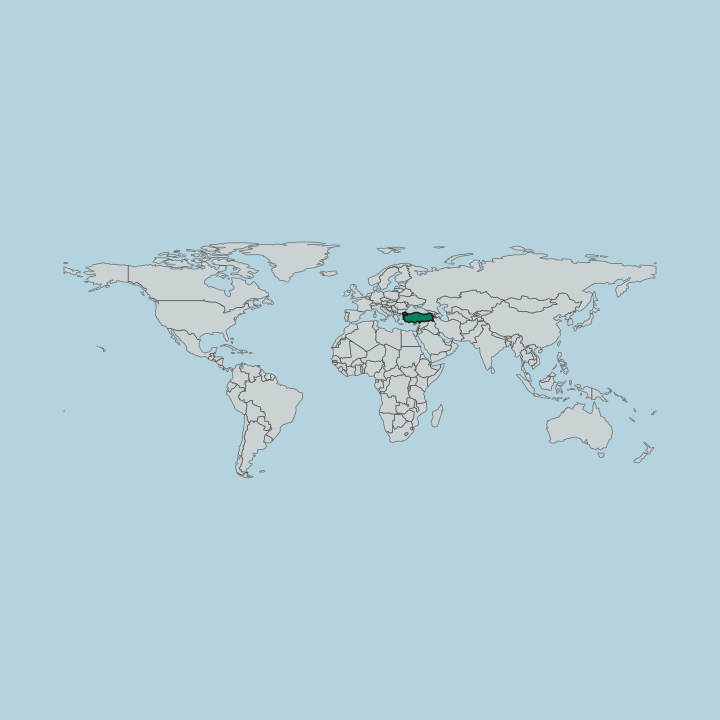
Where to stay in İskenderun
The practical side of choosing where to sleep.
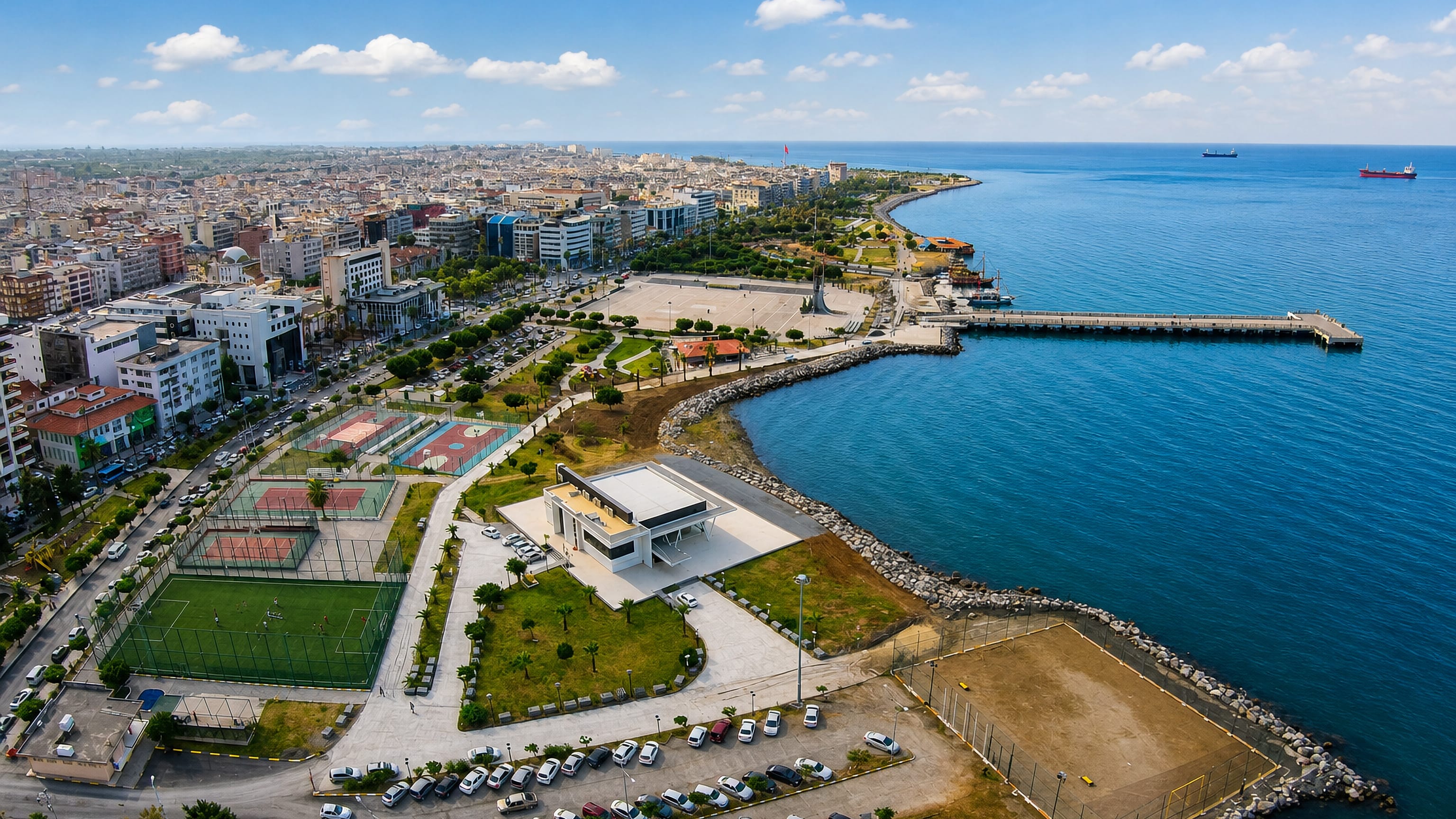
Beds cluster near the water. The seafront keeps the İskenderun Naval Museum and the Kore Şehitler Anıtı within walking reach, and a room on that side puts the Mediterranean at the end of the street rather than a lane of port traffic. Cargo works behind the front.
The promenade side is the obvious choice for a short stay, and it suits anyone here for the sea, the museum and an evening walk. Inland the town is plainer. Blocks around the Cathedral of the Annunciation and the Saint Nicholas Church hold the older İskenderun, and the Surp Karasun Manuk Armenian Church stands as a further mark of the congregations that have shared the port.
Rooms there sit closer to everyday Hatay than to the seafront. Choice narrows away from the water. Rebuilding after the earthquakes of 2023 still governs what is open across the district, so a confirmed reservation counts for more here than a listing on a map.
Two sides, then. The Mediterranean front suits visitors who want the İskenderun Naval Museum and the sea within a few minutes' walk, while the church streets suit anyone drawn to the older layers of the town.
Find hotels in İskenderun
Direct booking searches for these neighbourhoods.
İskenderun seafront
The Kore Şehitler Anıtı and the promenade stand within a few minutes' walkFind hotels in İskenderun seafrontTravellers tracing the Cathedral of the Annunciation and İskenderun's Armenian congregationsThe church streets
The Surp Karasun Manuk Armenian Church and the Saint Nicholas Church mark this older part of the port town. Lodging is scarce in this area; reserve in advance.Find hotels in The church streetsHotel links are affiliate links: booking through them may earn us a commission, at no extra cost to you. It never affects how places are ranked. How this works
Things to do in İskenderun
Ranked by global recognition; descriptions from Wikidata (CC0).
Churches & Religious Sites
3- Cathedral of the Annunciation, İskenderun
- Iskenderun Saint Nicholas Church
- Surp Karasun Manuk Armenian Church
Castles & Historic Sites
2- Alexandria on Issos
- Kore Şehitler Anıtı (İskenderun)
worth knowingacross 2 categories in İskenderun
About İskenderun
Cargo moves through İskenderun.
What is İskenderun known for?
The port on the Mediterranean carries the trade of Hatay together with the heavy industry ranged behind it, and the working waterfront sets the rhythm of the city. Churches of several rites share the streets near the shore. The Cathedral of the Annunciation, the Saint Nicholas Church, and the Surp Karasun Manuk Armenian Church all stand in the town.
The İskenderun Naval Museum sits among them.
What are the main landmarks in İskenderun?
Churches carry the older town. The Cathedral of the Annunciation, the Saint Nicholas Church, and the Surp Karasun Manuk Armenian Church are the named churches of İskenderun, and together they show how many traditions the port has held. The İskenderun Naval Museum covers the maritime side.
Ashore, the Kore Şehitler Anıtı stands as a memorial to war dead, and the ancient foundation of Alexandria on Issos underlies the whole story of the site.
What is the history of İskenderun?
İskenderun began as Alexandria on Issos. Alexandretta and Scanderoon are the same name in other mouths, and both forms stayed in European use long enough to fix the harbour on charts drawn far from the Mediterranean. The plain did the rest.
Level alluvial ground let the port and the town grow together at the water's edge, so İskenderun developed along the shoreline rather than climbing away from it. Congregations of several traditions settled the town. The Cathedral of the Annunciation, the Saint Nicholas Church, and the Surp Karasun Manuk Armenian Church remain from that history, each carrying a community that made its living from the same harbour.
The Kore Şehitler Anıtı marks a later loss, a memorial to war dead. Sea service has its own record in the İskenderun Naval Museum. Heavy industry followed the port.
The harbour and the plants behind it gave İskenderun its modern shape, and the city has been counted among the main working centres of Hatay ever since. February 2023 changed the ground itself. Powerful earthquakes, and the aftershocks, floods and fires that followed, damaged much of the city, and rebuilding across Hatay has shaped what stands and what is still shut.
The work continues.
Where is İskenderun?
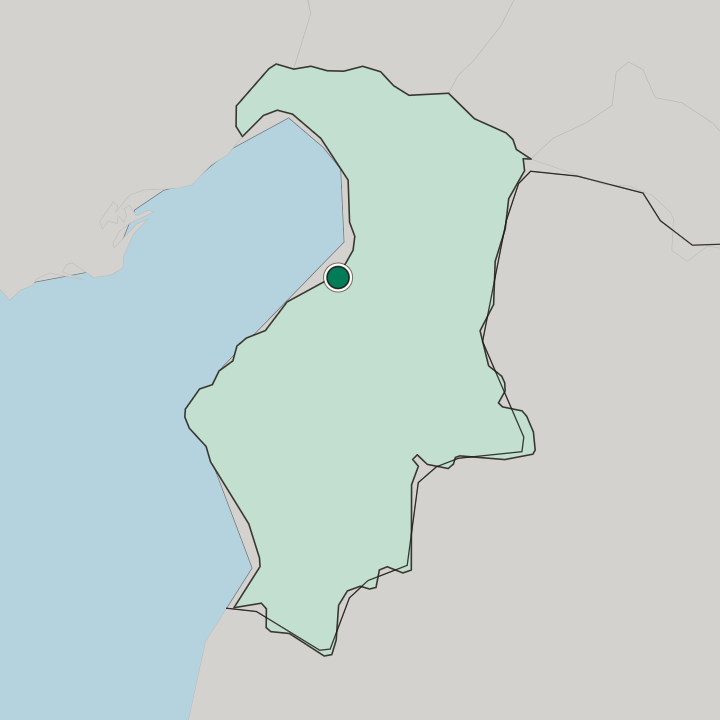
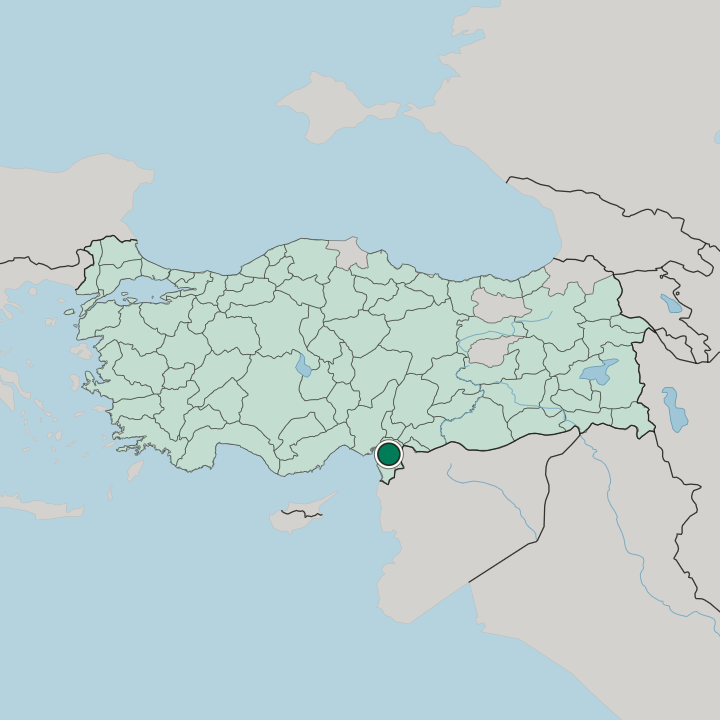
Flat ground runs to the sea. İskenderun spreads across an alluvial plain along the Mediterranean coast, the shoreline running the length of the built-up area and the border with Syria lying a short distance away. Hatay surrounds it, and the port fixes the city to the shoreline. The land drains toward the water.
What is the climate of İskenderun?
Sea air governs the year. The Mediterranean sits directly against the city, and that open water moderates the temperature through the seasons, holding the winters mild on the plain while summers turn heavy and humid along the quays. İskenderun falls in the temperate band, and the alluvial plain behind the quays carries that same maritime air inland.
How do you get to İskenderun?
The coast of Hatay carries the roads that link İskenderun with the rest of the province, and the border with Syria lies close enough that the city has always sat on a through route. Nearly everyone reaches İskenderun by road. The harbour itself handles cargo, and the quays that gave the town its reason to exist still set the pace of the traffic behind them.
The port anchors it all.
Common questions
What is the best area to stay in İskenderun?
İskenderun seafront: Visitors who want the İskenderun Naval Museum and the sea at the door. The church streets: Travellers tracing the Cathedral of the Annunciation and İskenderun's Armenian congregations.
Good for
More cities in Hatay
Updated September 2026