Turkey · Mersin
Where to Stay in Tarsus, Mersin
The Çukurova opens around Tarsus, a city on the Cilician Plains of Mediterranean Turkey, known as the birthplace of Saint Paul the Apostle.
Hotel links are affiliate links: booking through them may earn us a commission, at no extra cost to you. It never affects how places are ranked. How this works


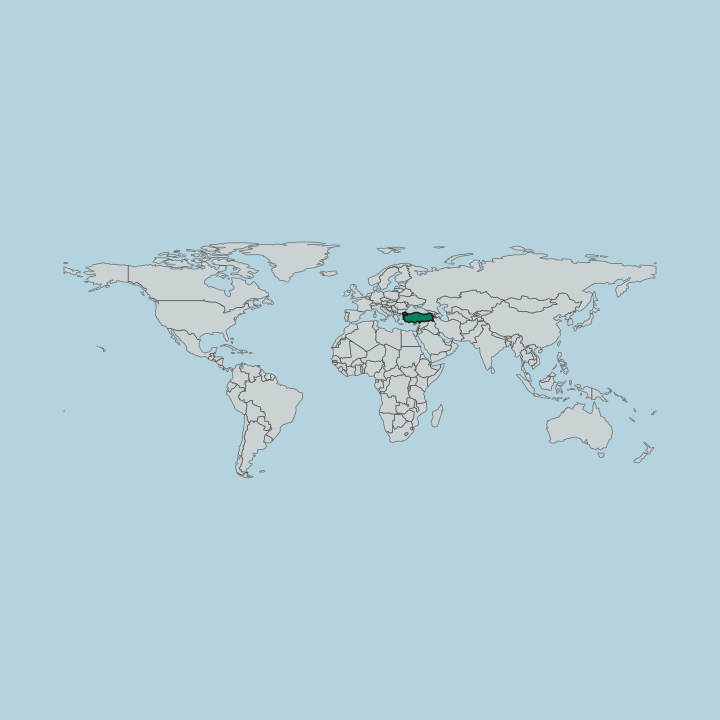
Where to stay in Tarsus
Where visitors usually base themselves, and why.
Tarsus gathers around its old core on the Çukurova, and where you stay depends on whether you want the antiquities on foot or an easier base by the roads. The centre holds its churches and museum. For a first visit the historic centre is the natural base.
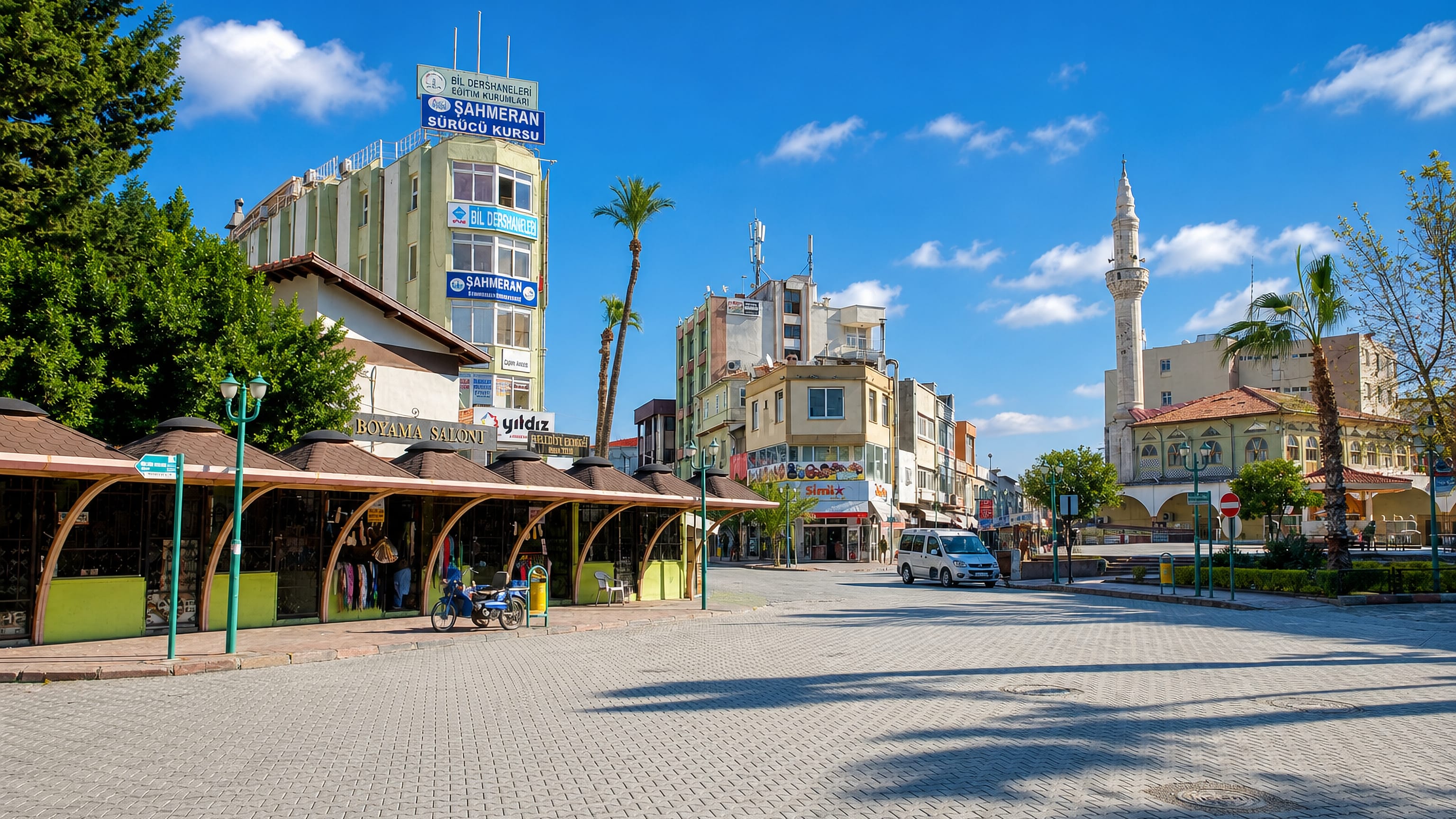
Travellers drawn to the old town settle near Saint Paul's Church and the Tarsus Museum, where the ancient streets, the mound of Gözlükule, and the covered market sit within walking reach of one another. Around the centre the modern residential town spreads across the plain, a practical base close to the industry and the regional airport, with easy roads west toward the coast at Mersin. The wider Çukurova stretches out beyond the built edge, flat farmland reaching to the Cilician Plains.
The choice runs from the antiquities of the old core to the open plain around it.
Find hotels in Tarsus
Direct booking searches for these neighbourhoods.
Historic Tarsus centre
The old core of Tarsus gathers Saint Paul's Church, the Tarsus Museum, and the mound of Gözlükule within walking reach of the covered market.Find hotels in Historic Tarsus centreAn easy base near the Tarsus roads and airportModern town and the plain
The modern residential town of Tarsus spreads across the Çukurova with easy roads to the regional airport and west toward the coast at Mersin.Find hotels in Modern town and the plainHotel links are affiliate links: booking through them may earn us a commission, at no extra cost to you. It never affects how places are ranked. How this works
Things to do in Tarsus
Ranked by global recognition; descriptions from Wikidata (CC0).
Museums & Galleries
2- Tarsus Museum
- Eski Adliye Binası, Tarsus
Churches & Religious Sites
1- Saint Paul's Church, Tarsus Heritage
Castles & Historic Sites
3- Mausoleum of Danyal
- Donukltaş
- Gözlükule
Stadiums & Sports
1- Tarsus Arena
Landmarks & Notable Places
1- Tarihi Tarsus Evleri
worth knowingacross 5 categories in Tarsus
About Tarsus
What is Tarsus known for?
Tarsus is known above all as the birthplace of Saint Paul the Apostle, an old city on the Çukurova. The past lies deep beneath this old Cilician city. Spread across the Cilician Plains of Mediterranean Turkey near the coast at Mersin, Tarsus keeps its antiquities among a modern industrial town, from Saint Paul's Church to the layered mound of Gözlükule that marks its long past.
What are the main landmarks in Tarsus?
Tarsus holds landmarks that reach from the age of Saint Paul the Apostle back to prehistory. Gözlükule anchors the deep past. Its layered mound records settlement on the Çukurova across the ages, while Saint Paul's Church marks the apostle's birthplace, the Tarsus Museum gathers the finds of the plains, the Mausoleum of Danyal and the ancient Donukltaş stand among the old streets, and each carries a piece of the long story.
What is the history of Tarsus?
Tarsus carries one of the oldest stories on the Çukurova, its mound of Gözlükule recording settlement from prehistory onward. The layers run deep. Gözlükule holds a long sequence of habitation on the Cilician Plains, its stacked levels tracing farmers and traders from the earliest ages through the classical world, when Tarsus rose as a city of trade and learning on the coastal plain.
The city became famous as the birthplace of Saint Paul the Apostle, and Saint Paul's Church keeps that memory in the old core. Tarsus passed through Greek, Roman, and later Ottoman hands across the centuries, and the antiquities of those ages survive among its streets, from the Mausoleum of Danyal to the ancient Donukltaş. The Tarsus Museum gathers the finds of that layered past.
The modern industrial town grew up around the antiquities, and the old mound of Gözlükule still watches over the plain that carried the city through the ages.
Where is Tarsus?
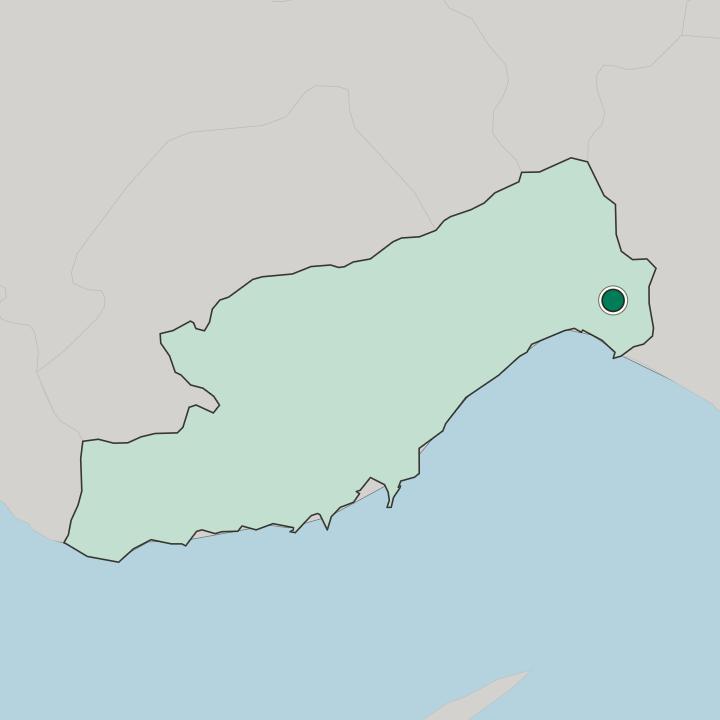
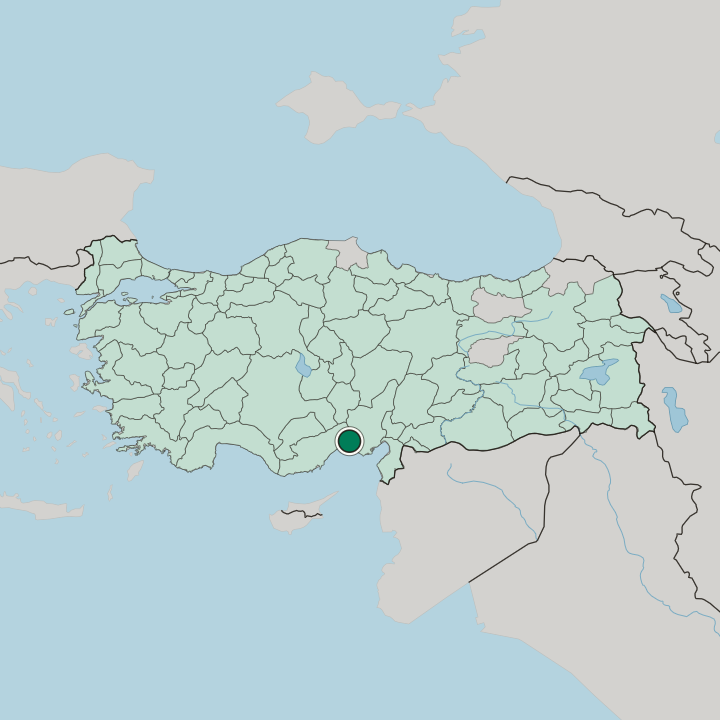
Tarsus lies on the Çukurova of Mediterranean Turkey, spread across the flat Cilician Plains a short way inland from the coast. The setting is low and open. The old core with Saint Paul's Church and the mound of Gözlükule sits at the heart, the modern town spreads over the surrounding farmland, and the plain reaches west toward the coast and the neighbouring city of Mersin.
What is the climate of Tarsus?
Tarsus has a hot Mediterranean climate across the Çukurova. Long, hot summers press over the Çukurova plain. Long hot summers press over the flat plain around Gözlükule while winters stay mild and wet on the Cilician Plains, and the warm coastal air keeps hard frost away through the year, so the farmland of the plain stays green in the cooler months.
How do you get to Tarsus?
Tarsus is reached by air, rail, and road across the Çukurova, close to the coast of Mediterranean Turkey. Most reach Tarsus overland, by the coastal highway or the rail line. The regional airport lies nearby while the coastal highway and rail line run west toward Mersin and east across the Cilician Plains, linking Tarsus through the wider conurbation of the plain.
Common questions
What is the best area to stay in Tarsus?
Historic Tarsus centre: Antiquities on foot around Saint Paul's Church. Modern town and the plain: An easy base near the Tarsus roads and airport.
Good for
More cities in Mersin
Updated October 2026