Turkey
Mersin, Turkey — Towns & Travel Guide
Mersin is a Turkish province on the Mediterranean, a long coastal plain backed by the Taurus Mountains and anchored by its port city.
Hotel links are affiliate links: booking through them may earn us a commission, at no extra cost to you. It never affects how places are ranked. How this works


Towns & cities in Mersin
Pick a town or city — each links to where to stay.
 Turkey
Mersin
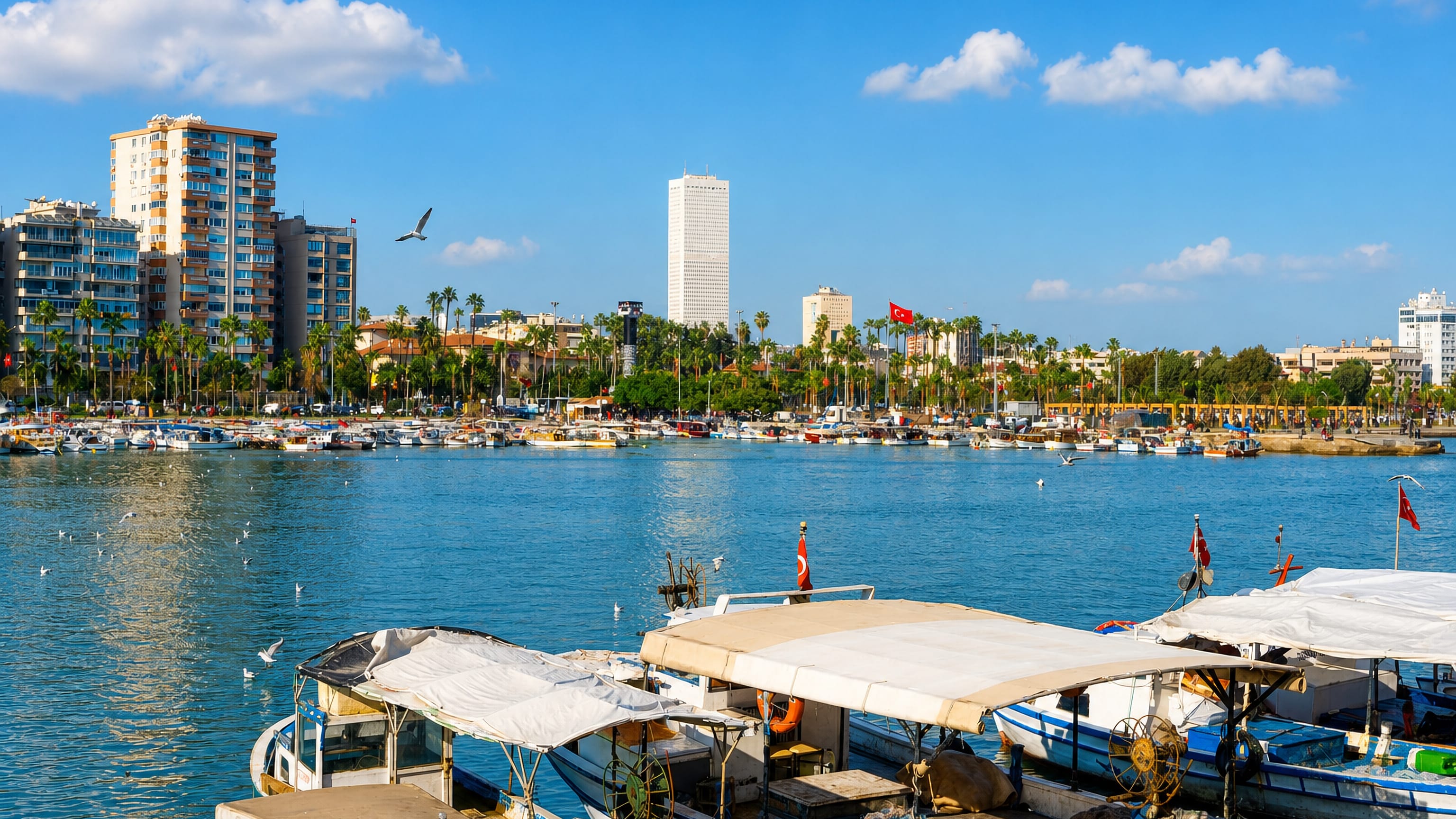
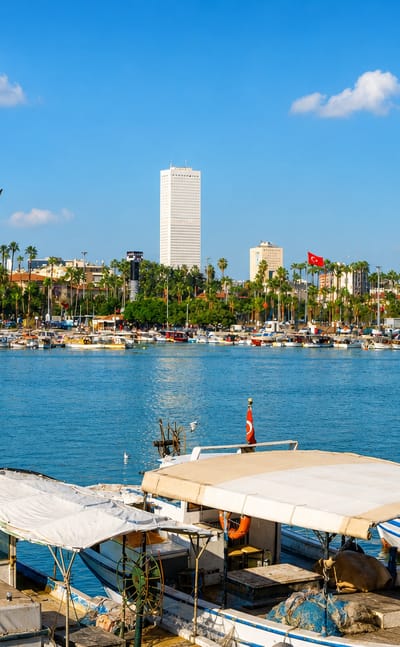
The Mediterranean laps the docks at Mersin, a port city on the Cilician Plains of southern Turkey, known for Yumuktepe and its long working harbour.Where to stay →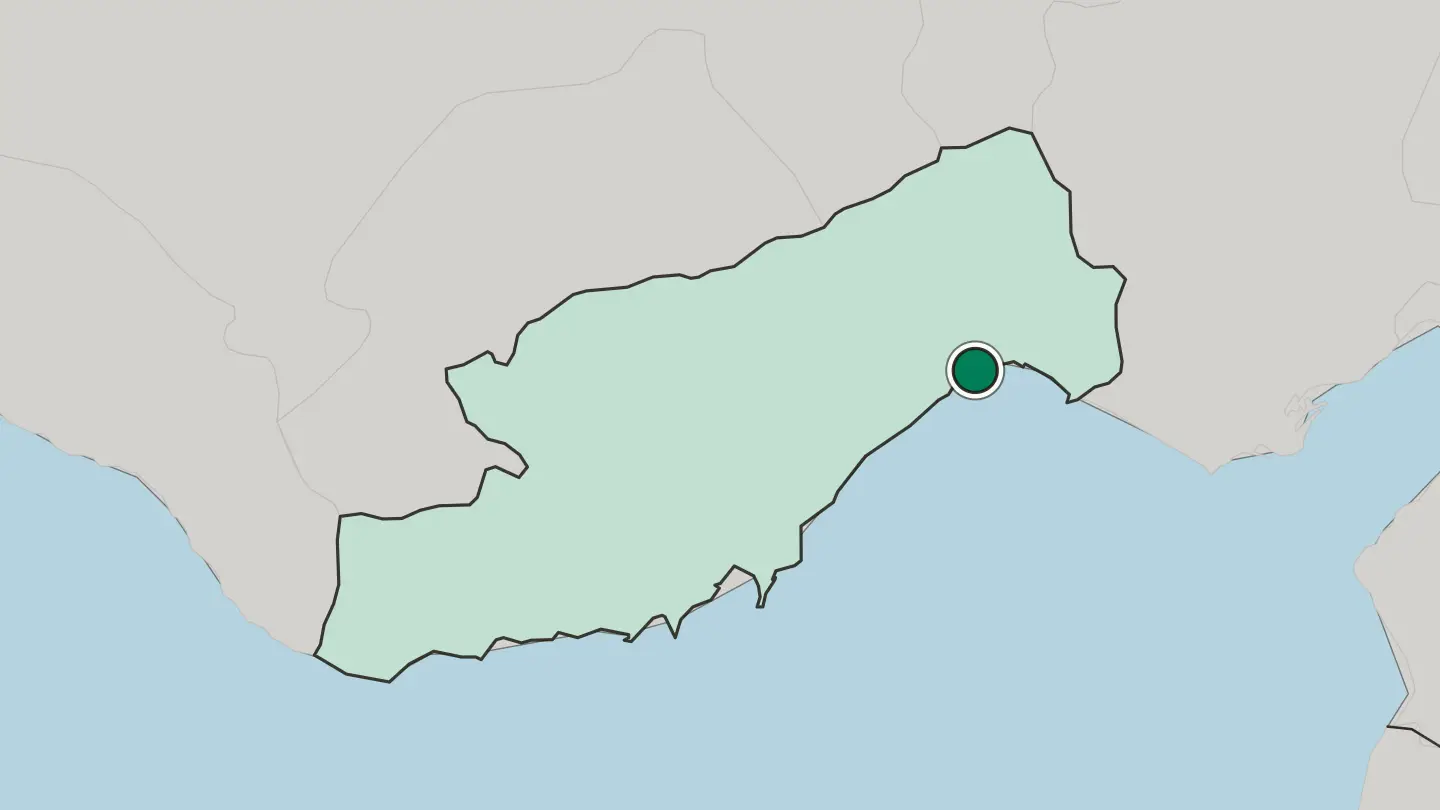
 Turkey
Tarsus
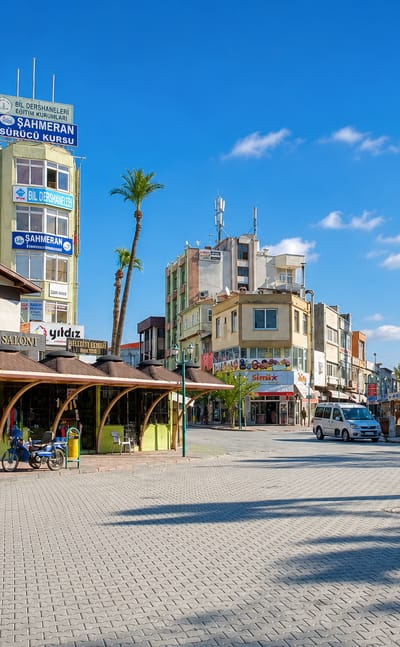
The Çukurova opens around Tarsus, a city on the Cilician Plains of Mediterranean Turkey, known as the birthplace of Saint Paul the Apostle.Where to stay →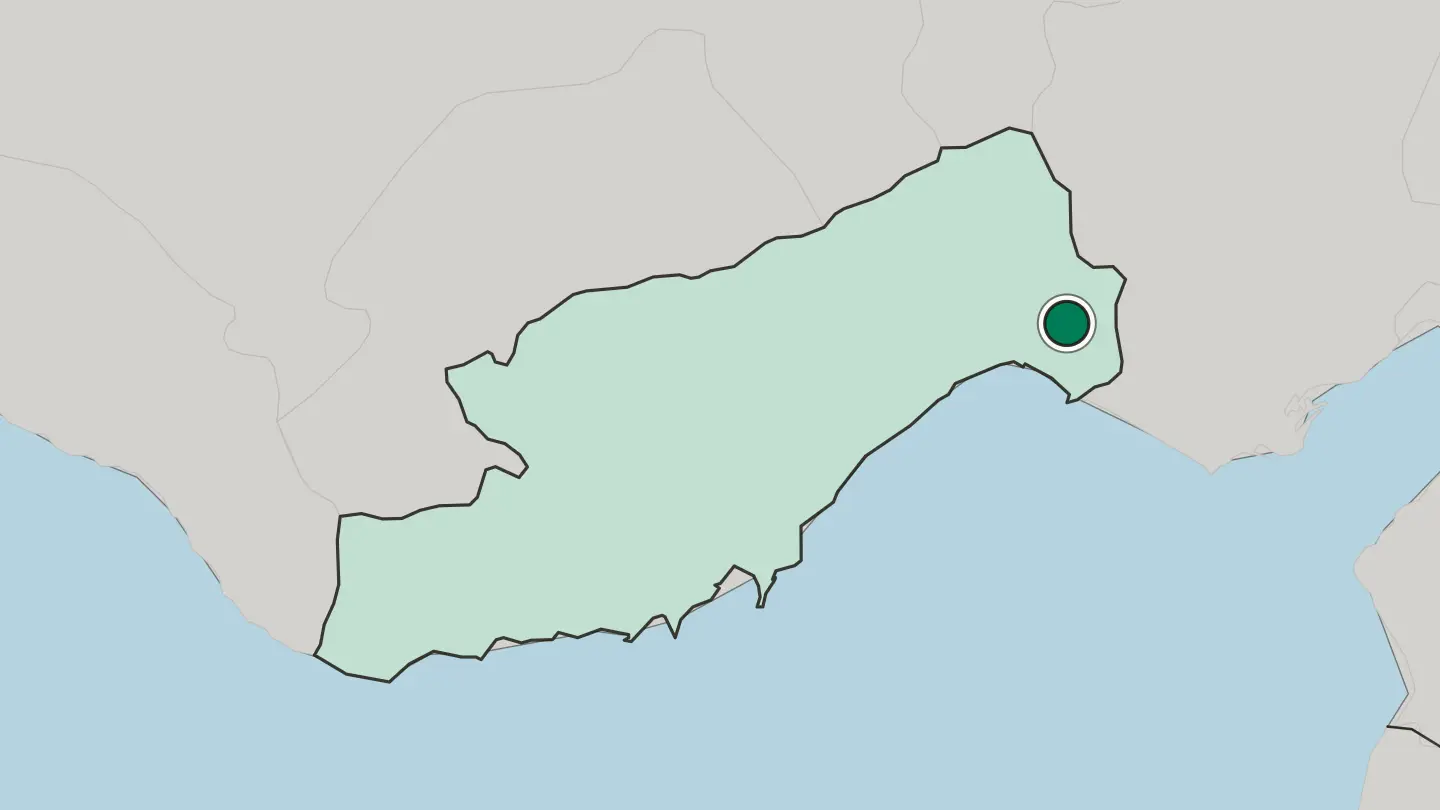
 Turkey
Silifke
Silifke is a historic town on the Göksu river near the Mediterranean coast of southern Turkey, the ancient Seleucia.Where to stay →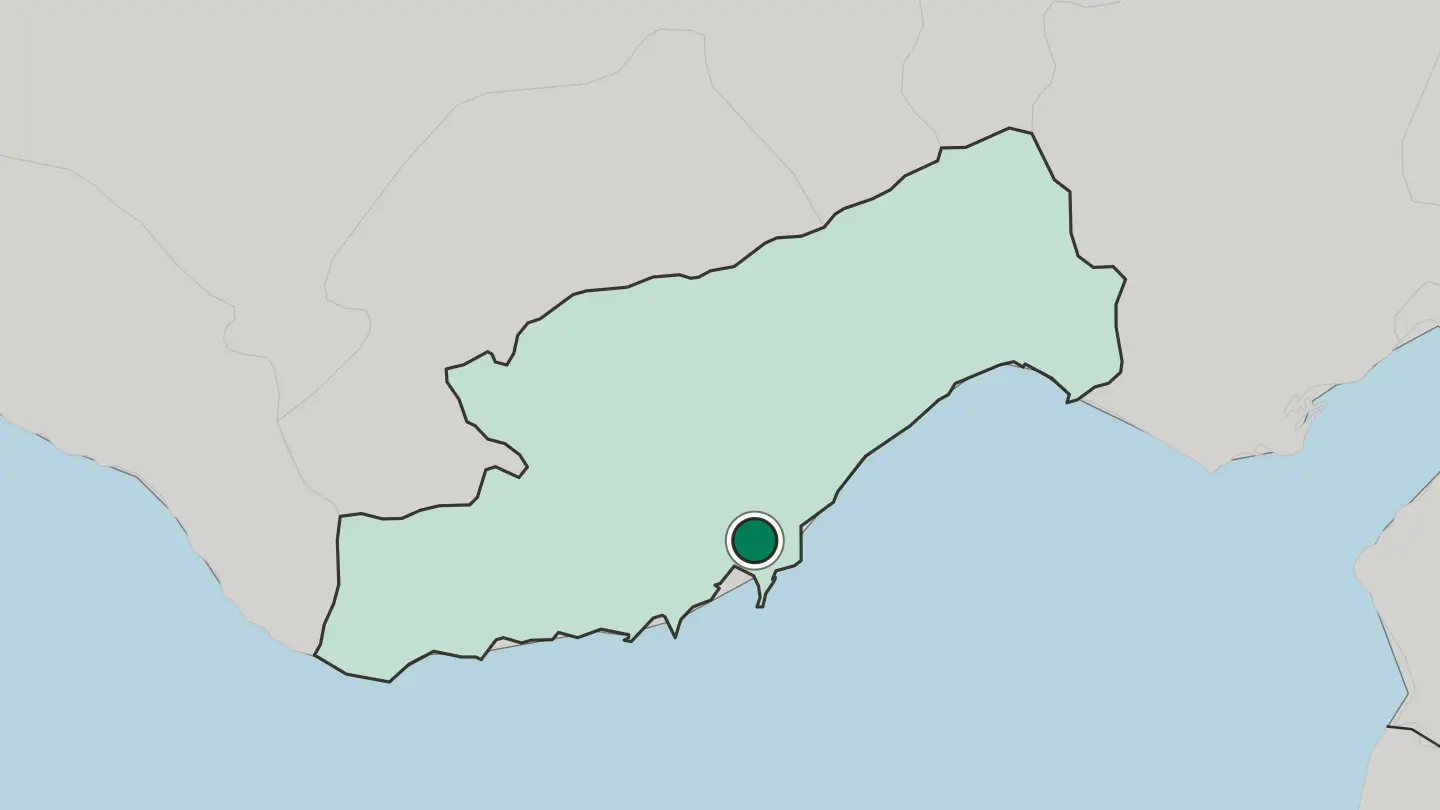
 Turkey
Anamur
Anamur is a coastal town of southern Turkey, the southernmost point of Anatolia, known for a great seaside castle, Roman ruins, and its bananas.Where to stay →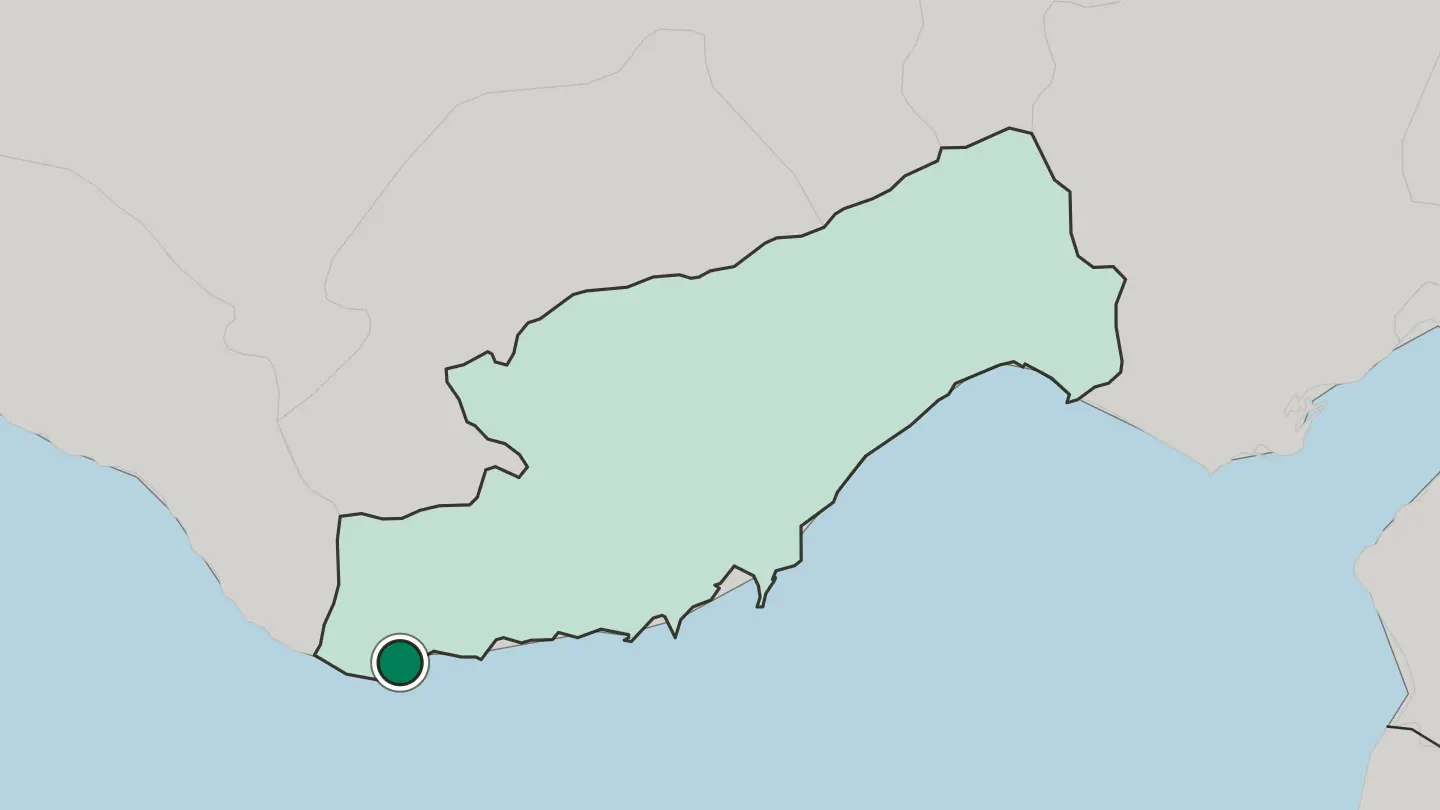
Hotel links are affiliate links: booking through them may earn us a commission, at no extra cost to you. It never affects how places are ranked. How this works
About Mersin
What is Mersin known for?
Two things define Mersin: the sea and the citrus groves behind it. The province runs one of Turkey's main Mediterranean ports, and lemon and orange orchards spread across the Çukurova plain inland from the docks. Tantuni, finely chopped beef seared on a curved iron plate and rolled in flatbread, is the street food the city gave the country.
History runs deep here too, from Roman Tarsus to the offshore Maiden's Castle at Kızkalesi. The Taurus Mountains close off the northern skyline. A working coast, not a resort.
Where is Mersin?
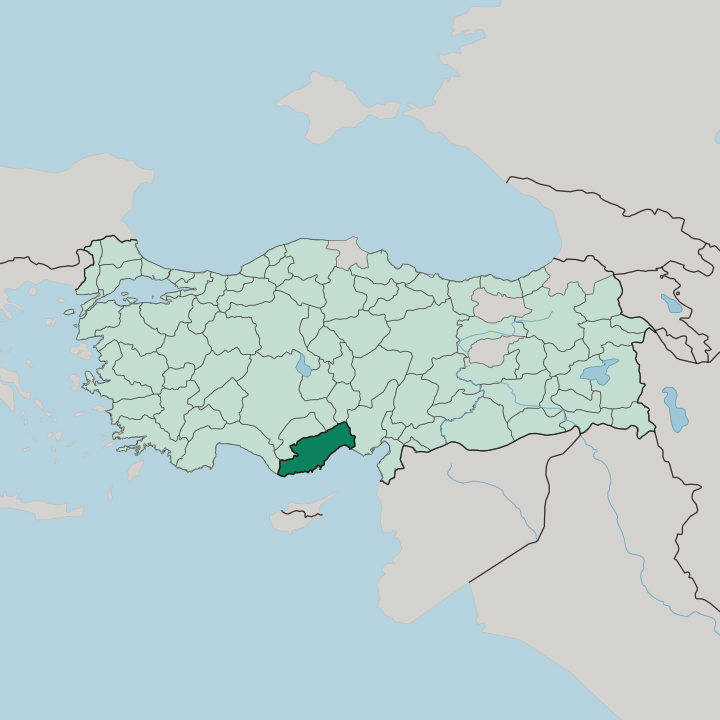
Mersin lies along the Mediterranean coast of southern Turkey, on the western edge of the Cilician plain. Antalya sits far to the west along the shore, and Adana lies to the east. The province stretches for hundreds of kilometres of coastline, much of it sandy beach broken by rocky headlands. Behind that shore the land climbs fast.
Most of Mersin is mountain, rising to the Bolkar range of the central Taurus, whose summit of Medetsiz caps the highest ground in the province. Rivers running off those heights carry down the soil that has built the coastal flatland, widest on the plain of Tarsus. The Taurus wall is not unbroken.
The Cilician Gates, the old Gülek Pass, cut through the mountains north of Tarsus and carried the only easy road from this coast to central Anatolia for thousands of years. West of the port, the Göksu river winds down through Silifke and spreads into a marshy delta before the sea. Eastward the picture changes completely.
There the towns close the gaps between them, and Mersin runs almost unbroken into Tarsus and on toward Adana in a single ribbon of settlement. That belt is the heart of the Çukurova.
What is Mersin like?
Mersin lives outdoors and by the water. The seafront promenade fills in the evening, and the food is the first thing visitors notice. Tantuni was invented here: beef chopped fine, seared on a curved iron plate with cottonseed oil, then wrapped in thin bread with parsley and sumac.
The sweet counterpart is cezerye, a chewy candy made from cooked carrots, syrup and nuts that Mersin sells in every sweet shop. Citrus runs through all of it. Lemons and oranges from the surrounding groves flavour the cooking and star each winter in a festival where floats are built from the fruit itself.
The population is mixed in a way the coast wears lightly. Cretan Turks settled the seaside towns after the population exchanges of the early twentieth century, and an Arabic-speaking Nusayri community has long lived along this shore. Up in the Taurus, Yörük herders still move to high summer pastures, the yayla, when the plains turn hot.
Older layers show through as well. Greeks, Romans, Armenians and Ottomans each held this coast, and their walls, churches and mosques stand among the citrus and the concrete. It is a place of many pasts and one busy present.
What is the history of Mersin?
People have lived here for millennia. The mound of Yumuktepe, on the edge of Mersin, holds one of the oldest known fortified settlements, its walls raised in the Neolithic. In classical times this was Cilicia, with inland Tarsus as its capital and the coast as its harbour; Rome took the region in 64 BC, and Tarsus later gave the world Saint Paul.
Armenian rulers held Cilicia for close to three centuries, but their capital soon shifted from Tarsus to Sis, at modern Kozan, before Ottoman power arrived under Selim I. The port city of Mersin itself is young, grown from a fishing village on the cotton trade of the nineteenth century.
What is the climate of Mersin?
Mersin has a hot-summer Mediterranean climate. Summers on the coast run long, dry and humid, and July and August can push the thermometer well past comfort while barely a drop of rain falls. Winters are mild and wet, with most of the year's rain arriving between November and March.
Snow never settles on the shore. Up in the Taurus it is a different world, where winter brings real snowfall and the high yaylalar stay cool when the plain below bakes. Swimming weather holds from spring into late autumn.
How do you get to Mersin?
Most visitors reach Mersin through Adana, whose airport lies a short drive east along the coast. From there the D-400 highway and a commuter railway both run straight into town. Drivers coming from central Anatolia drop down through the Cilician Gates above Tarsus, the same mountain pass armies and caravans have used for millennia.
The port handles cargo rather than crowds, but ferries still sail from Taşucu, near Silifke, across the water to Northern Cyprus. Antalya lies far to the west. Once on the coast, everything strings along that single shore road.
Common questions
What is the best area to stay in Mersin?
Mersin: arrivals and the working port. Kızkalesi: a family beach beside a sea castle. Silifke: touring the ruins of Cilicia by car. Tarsus: ancient streets on the Çukurova plain.
Good for
More regions in Turkey
Updated October 2026