Turkey · Muş
Where to Stay in Muş
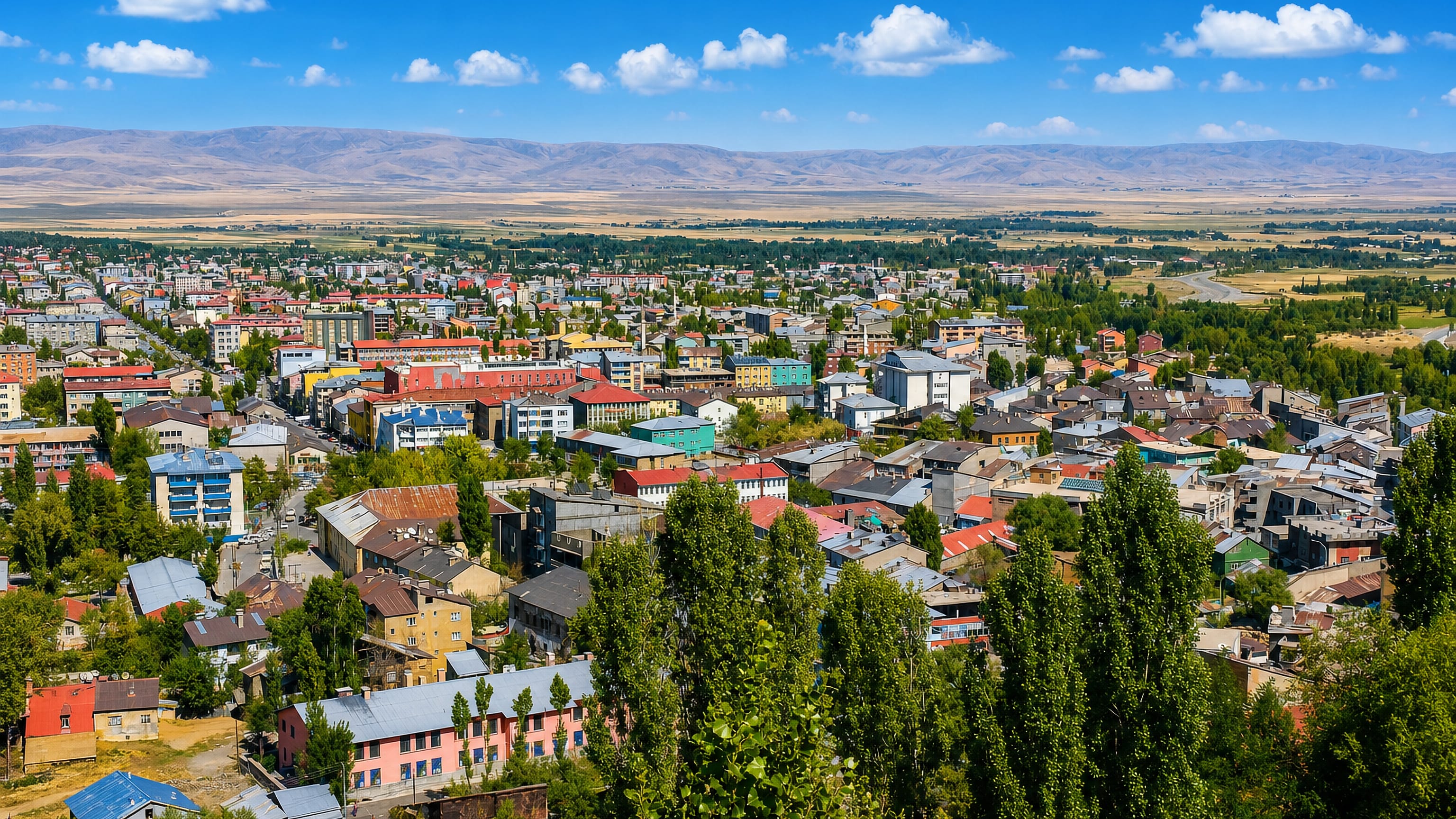
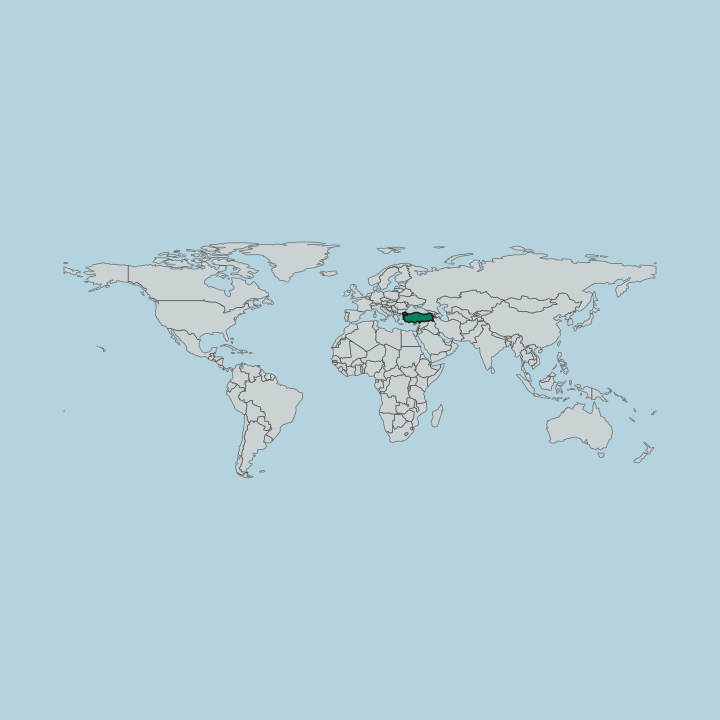
Muş lies on a plain inside the Eastern Anatolia mountains of Turkey, seat of Muş Province, with Haspet Castle in ruins on the height above it.
Hotel links are affiliate links: booking through them may earn us a commission, at no extra cost to you. It never affects how places are ranked. How this works


Where to stay in Muş
Where visitors usually base themselves, and why.
Muş keeps its beds in the middle. The provincial centre carries the offices, the market and what rooms the city has, and the small compass of the built-up ground means almost nothing in Muş District takes more than a short drive out from it. Mountains set the limits.
The ranges of Eastern Anatolia enclose the plain the city occupies, which decides how far any day out can reasonably reach. Ruins pull travellers outward. Haspet Castle and Yılan Castle occupy high ground away from the streets, so reaching either is a matter of leaving the centre in the morning and coming back to it at dusk.
Village churches ask the same. Tekyol Köyü Kilisesi, Kırköy Kilisesi and Köyiçi Kilisesi stand in the settlements of Muş Province instead of the city, while St. Marineh Church belongs to the older fabric of Muş itself. Kurdish is the language of most households here, with Turkish carrying the provincial administration.
Nothing in the province competes with the seat for rooms, so the calculation is less about which quarter to pick than about how early the day starts. Choose the centre and drive.
Find hotels in Muş
Direct booking searches for these neighbourhoods.
The provincial centre of Muş
Offices, market and rooms sit together on the small built-up floor the city occupies inside the Muş plainFind hotels in The provincial centre of MuşWalkers heading up to the castle ruins over the cityUnder Haspet Castle
Haspet Castle occupies the height above Muş and is reached out of the centre, since no settlement of its own stands beneath it. Rooms are few around here — worth securing early.Find hotels in Under Haspet CastleDays given to the ruined defences of the Muş plainToward Yılan Castle
Yılan Castle stands clear of the built-up ground, which leaves the provincial seat as the only practical base for reaching it. Lodging is scarce in this area; reserve in advance.Find hotels in Toward Yılan CastleTrips out to Tekyol Köyü Kilisesi and Kırköy KilisesiThe village churches of Muş Province
Tekyol Köyü Kilisesi, Kırköy Kilisesi and Köyiçi Kilisesi survive in the villages of Muş Province, where rooms are scarce. Beds are limited here, so book early.Find hotels in The village churches of Muş ProvinceHotel links are affiliate links: booking through them may earn us a commission, at no extra cost to you. It never affects how places are ranked. How this works
Things to do in Muş
Ranked by global recognition; descriptions from Wikidata (CC0).
Churches & Religious Sites
3- St. Marineh Church, Mush
- Köyiçi Kilisesi
- Kırköy Kilisesi
Castles & Historic Sites
2- Haspet Castle
- Yılan Castle (Muş)
worth knowingacross 2 categories in Muş
About Muş
Mountains close in on every side.
What is Muş known for?
Muş holds the seat of Muş Province where the ranges of Eastern Anatolia give way to a workable floor, and its market and offices serve a district of villages rather than any visitor trade. The city is majority Kurdish. Haspet Castle and Yılan Castle survive as the ruined defences of that ground, while St. Marineh Church stands among the older religious buildings the record keeps here.
What are the main landmarks in Muş?
Two ruined castles hold the heights. Haspet Castle and Yılan Castle look over the plain from ground the city never built on, and between them they account for most of what stands from the fortified centuries. After the castles, the rest of Muş's list is churches.
St. Marineh Church belongs to Muş itself, while Tekyol Köyü Kilisesi, Kırköy Kilisesi and Köyiçi Kilisesi survive in the villages that Muş District gathers in.
What is the history of Muş?
Fortification came first on this ground. Haspet Castle and Yılan Castle both stand as ruins over the plain, and their positions record a time when holding the ways through the Eastern Anatolia mountains counted for more than the settlement lying beneath them. Churches followed the same country.
St. Marineh Church belongs to the older religious fabric of Muş, while Tekyol Köyü Kilisesi, Kırköy Kilisesi and Köyiçi Kilisesi survive out among the villages that Muş District takes in. No founding year is on record for the city. What the record fixes instead is a settlement that became the seat of Muş Province and of Muş District, drawing the administration of a mountainous stretch of eastern Turkey down onto one plain.
The city is majority Kurdish. That is stated of Muş itself and of the wider region of Eastern Anatolia around it, and it sits in the record beside the castles and the churches rather than apart from them. Stone is the only continuous witness, since the two castles and the four churches outlast every administrative arrangement the city has passed through.
The ruins remain the oldest thing standing.
Where is Muş?
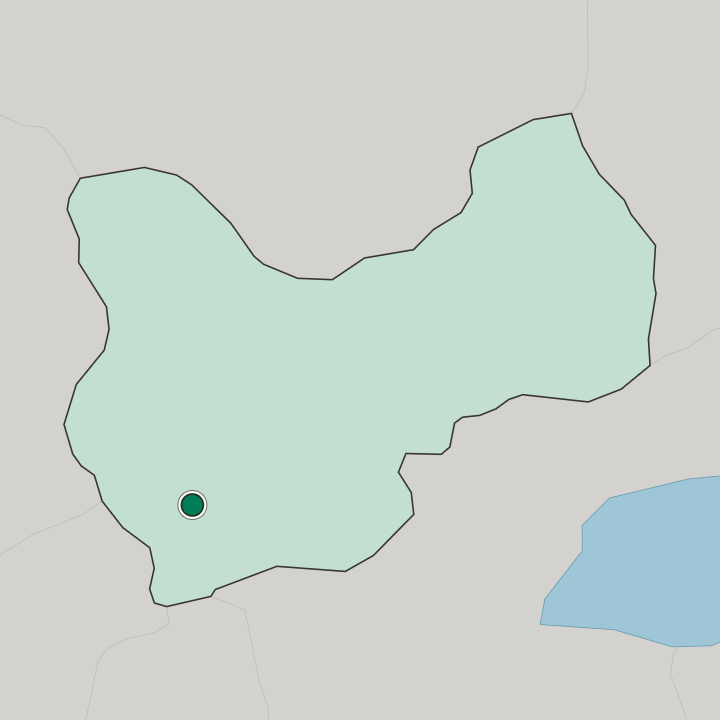
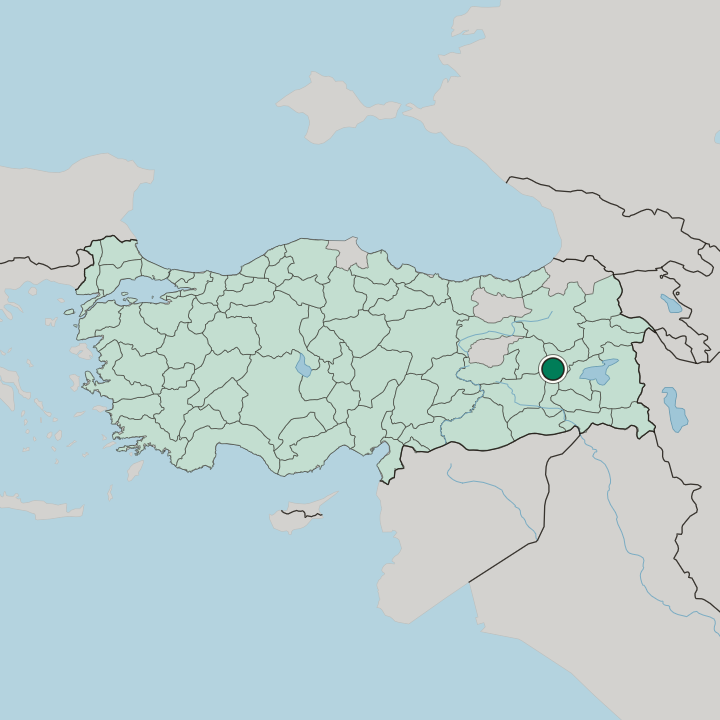
The plain is small and the ranges are not. Muş occupies a floor of open ground inside the Eastern Anatolia mountains, with Muş District taking in the villages that ring it and Muş Province reaching across the higher country beyond. Haspet Castle looks down on all of it.
The city's own extent stays modest, which keeps open ground within sight from most of its streets.
What is the climate of Muş?
The mountains write the calendar. Enclosing ranges of Eastern Anatolia hold Muş at height and far inland, so the cold of the low months arrives hard and settles in, while the high months open out warm and long over the plain. Seasons here are not gentle.
Nothing maritime reaches this part of Turkey, and the temperate band Muş Province lies within shows itself as extremes rather than as an even year.
How do you get to Muş?
Every approach climbs. Roads into Muş run through the Eastern Anatolia mountains, and the city receives that traffic because it is where Muş Province keeps its administration and its market. The plain opens late.
Travellers coming off the ranges drop onto the floor the city occupies, with Haspet Castle standing over the last of the way in.
Common questions
What is the best area to stay in Muş?
The provincial centre of Muş: Market days and business brought in from across Muş District. Under Haspet Castle: Walkers heading up to the castle ruins over the city. Toward Yılan Castle: Days given to the ruined defences of the Muş plain. The village churches of Muş Province: Trips out to Tekyol Köyü Kilisesi and Kırköy Kilisesi.
Good for
Updated October 2026