Tanzania · Arusha Region
Where to Stay in Arusha, Arusha Region
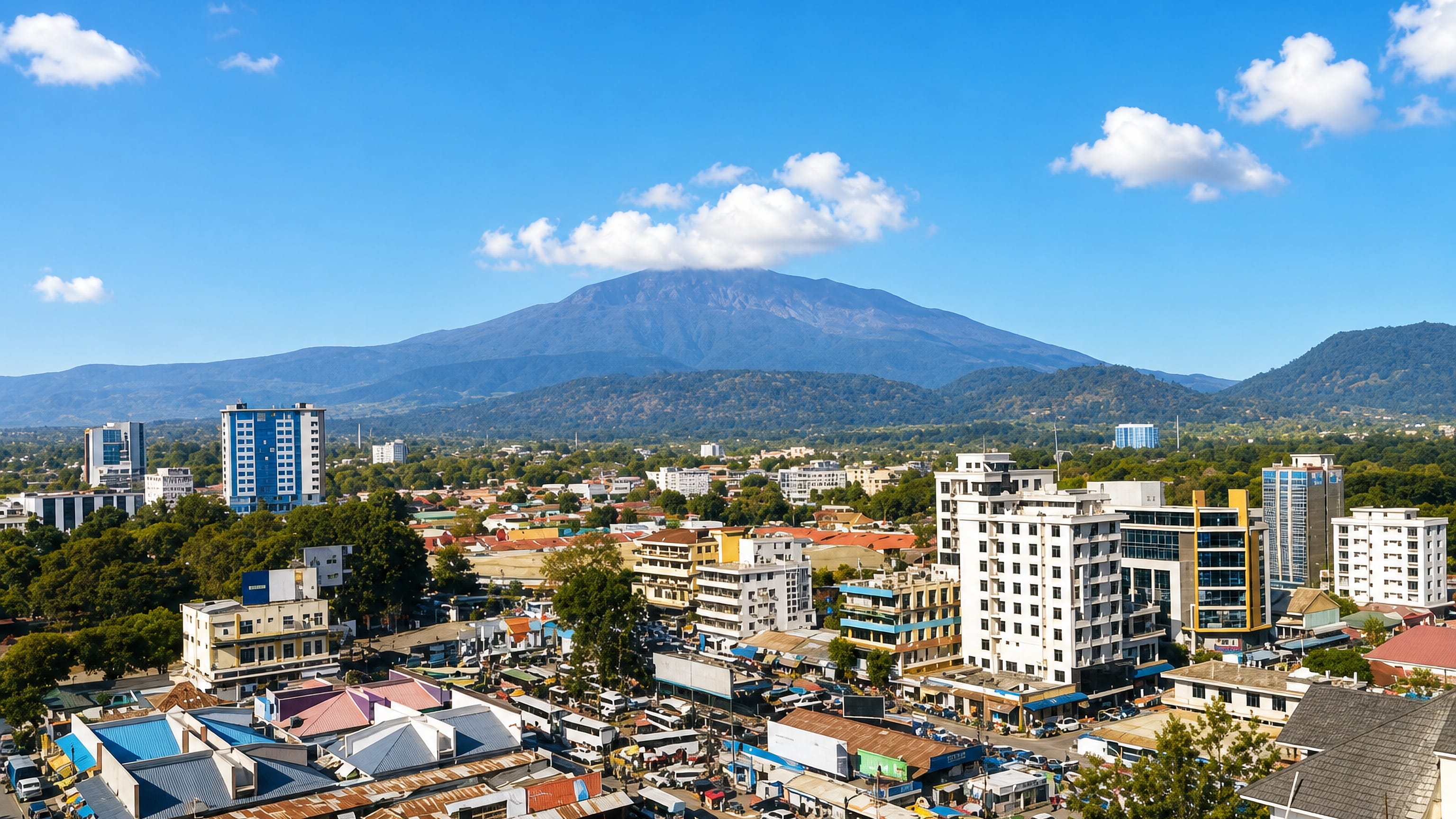
Arusha is a city of northern Tanzania below the volcano of Mount Meru, the safari capital where journeys to the Serengeti and Kilimanjaro begin.
Hotel links are affiliate links: booking through them may earn us a commission, at no extra cost to you. It never affects how places are ranked. How this works


Where to stay in Arusha
How the choice of base plays out on the ground.
Where you stay in Arusha turns on the town or the slopes. The streets around the clock tower keep the markets, the lodges, and the shops within a walk, and staying downtown suits anyone here for the city. The clock tower marks the centre.
Markets crowd the streets. Out toward Mount Meru and the coffee slopes, the town gives way to farms, forest, and the mountain. A room on the slopes trades the streets for the coffee gardens, the green views, and the cool air below Meru.
The volcano rises over the farms. Stay downtown for the markets, or on the slopes for the mountain. The drop from the coffee gardens back down to the clock tower is a short one.
Find hotels in Arusha
Direct booking searches for these neighbourhoods.
The town centre
Around the clock tower below Mount MeruFind hotels in The town centreStays wanting the coffee farms and mountainThe Meru slopes
Out on the green slopesFind hotels in The Meru slopesHotel links are affiliate links: booking through them may earn us a commission, at no extra cost to you. It never affects how places are ranked. How this works
About Arusha
Arusha is the safari city of the north.
What is Arusha known for?
High on the green slopes below Mount Meru in the north of Tanzania, it is the base for the great parks of the region, and it keeps the roads that lead to the Serengeti plains and the Ngorongoro Crater, the snows of Kilimanjaro rising to the east, a busy clock-tower centre of markets and lodges, and the coffee farms of the cool highland. The volcano rises green behind. The plains run wide to the west.
What are the main landmarks in Arusha?
Mount Meru rises green over Arusha. The great volcano at the town's back, its forests and crater climbing to a snow-flecked peak, looks down over the city, the emblem of the region, above the coffee. Wide plains run west to the parks.
The roads lead out from the clock tower to the Serengeti and the Ngorongoro Crater, while the coffee farms, the Maasai markets, and Lake Duluti mark the country around Arusha.
What is the history of Arusha?
Arusha grew below the mountain of the Maasai. On the green foot of Mount Meru, in the land of the Maasai and the Arusha people, a market and mission town rose in the days of German and then British rule, trading the coffee of the slopes. The parks made its fortune.
As the great wild parks of the north drew visitors from across the world, Arusha became the base from which safaris set out to the Serengeti and the crater. The town gathered the world. In the last century Arusha grew into a busy highland city, a place of markets, lodges, and meetings, its clock tower said to stand halfway between Cairo and Cape Town.
It became a city of gatherings. Great meetings for Africa and beyond were held here, and Arusha grew on as the safari capital and the green highland city of the north, below its volcano. The snows of Kilimanjaro still shine east.
Arusha keeps its parks and its coffee below Mount Meru.
Where is Arusha?
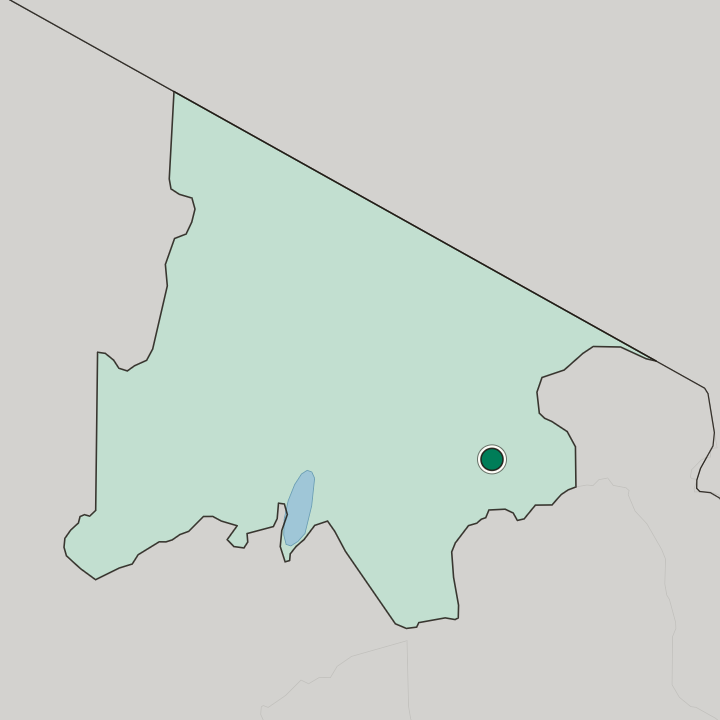
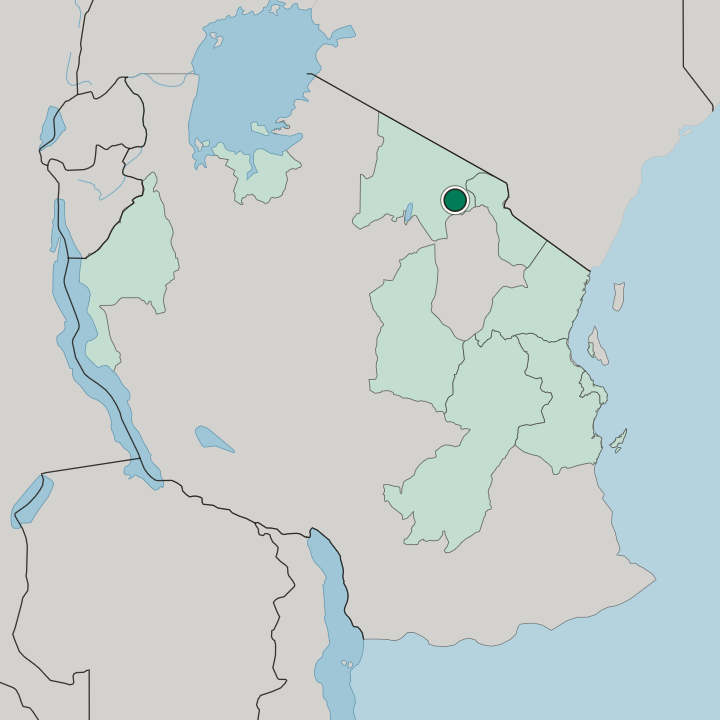
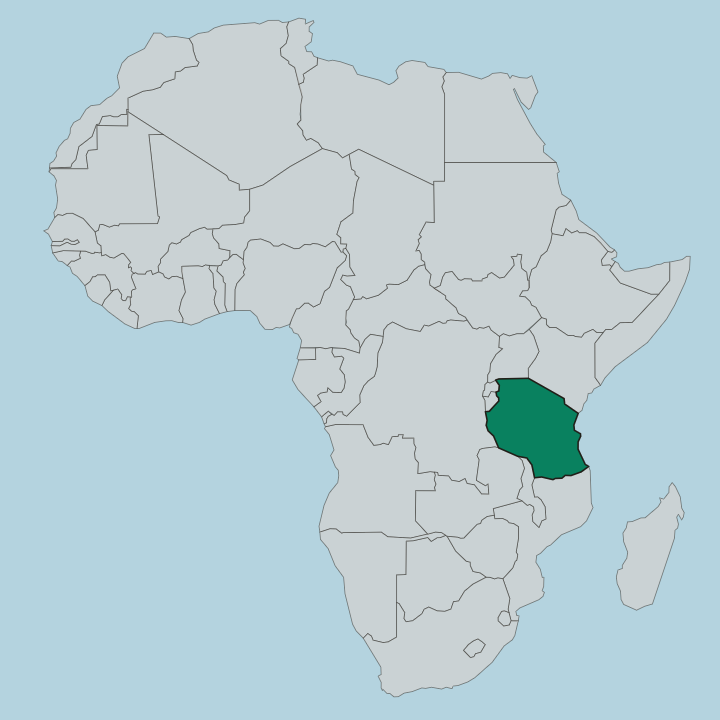
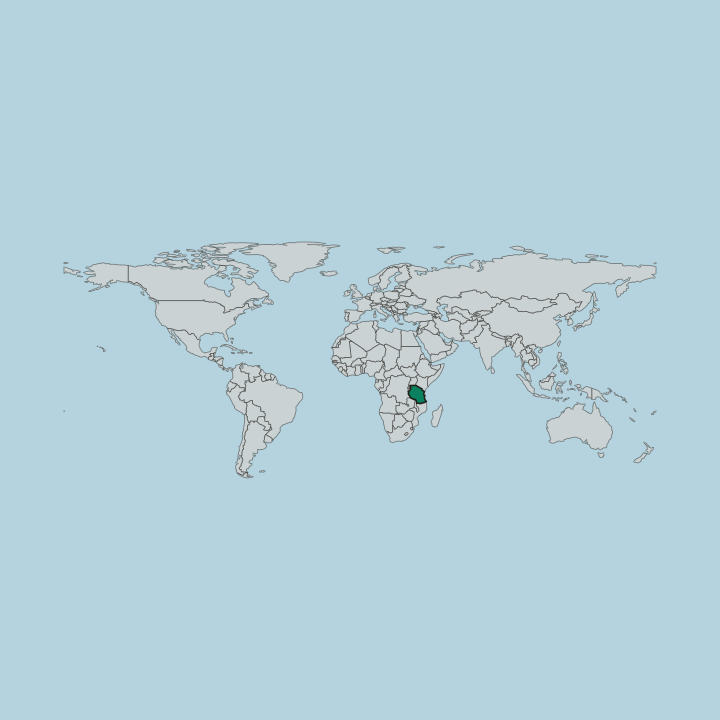
Arusha lies in the north of Tanzania, on the green slopes below Mount Meru near the Kenyan border. The city sits high on the volcano's foot, in a cool fertile country of coffee and banana, with the great plains of the Rift stretching west to the Serengeti and Kilimanjaro rising over the eastern sky. Green slopes climb to the peak.
The plains run west to the parks.
What is the climate of Arusha?
Arusha has a mild, cool highland climate. Warm days and cool nights hold all year on the high slopes, tempered by the altitude, with long rains in spring and short rains in autumn. The highland stays green and cool.
Cool nights come the year round.
How do you get to Arusha?
Arusha lies in northern Tanzania, on the road between Nairobi and the coast. Buses and roads run to it across the highland from Moshi and Nairobi, and an airport nearby brings the safari crowds. Roads run out to the parks.
Moshi lies east below Kilimanjaro.
Common questions
What is the best area to stay in Arusha?
The town centre: Visitors here for the markets and lodges. The Meru slopes: Stays wanting the coffee farms and mountain.
Good for
Updated September 2026