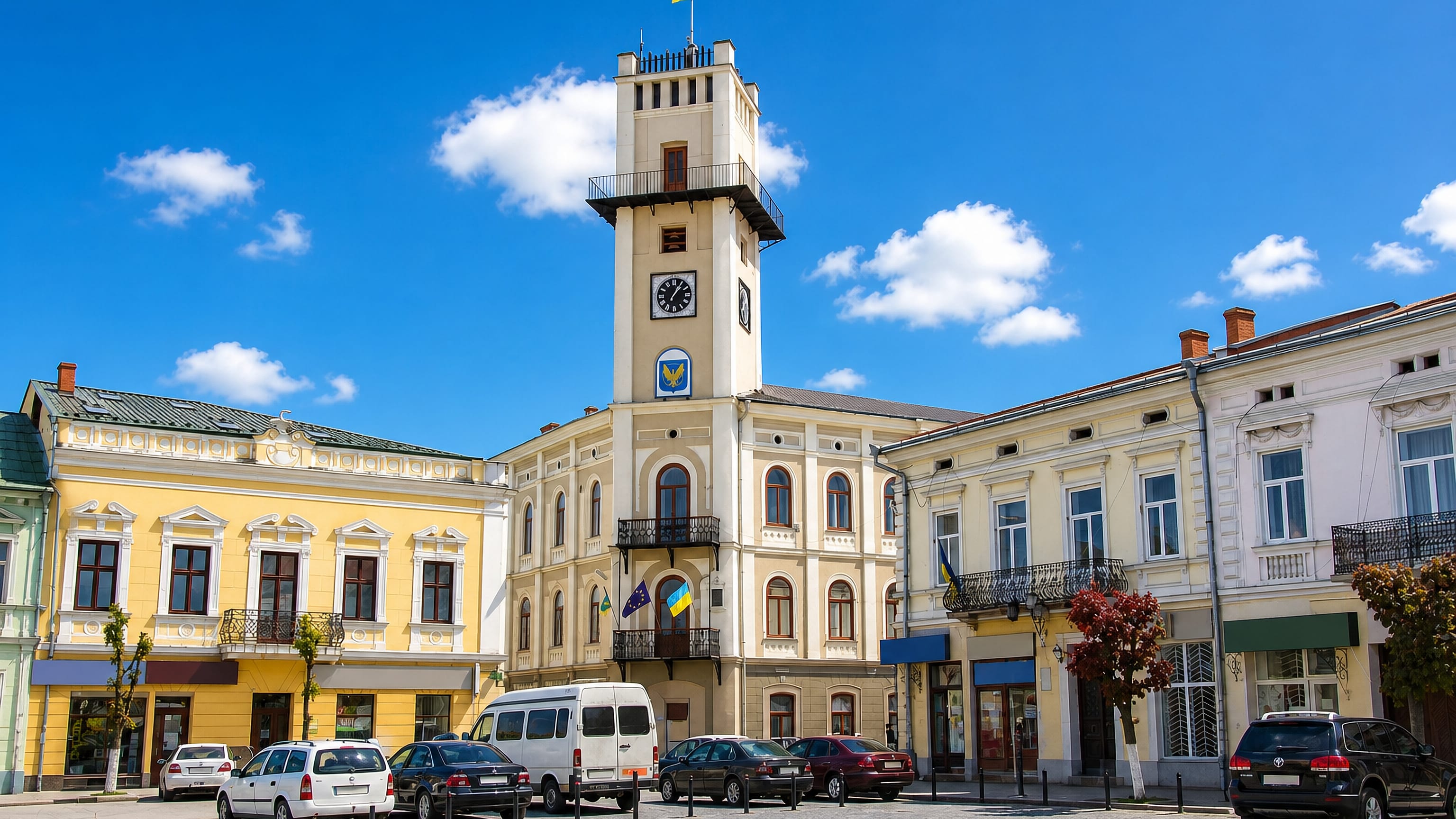
Ukraine · Ivano-Frankivsk Oblast
Where to Stay in Kolomyia, Ivano-Frankivsk Oblast
Kolomyia stands on the Prut in Ivano-Frankivsk Oblast, a Carpathian foothill town known for the Pysanka Museum and Hutsul folk art.
Hotel links are affiliate links: booking through them may earn us a commission, at no extra cost to you. It never affects how places are ranked. How this works


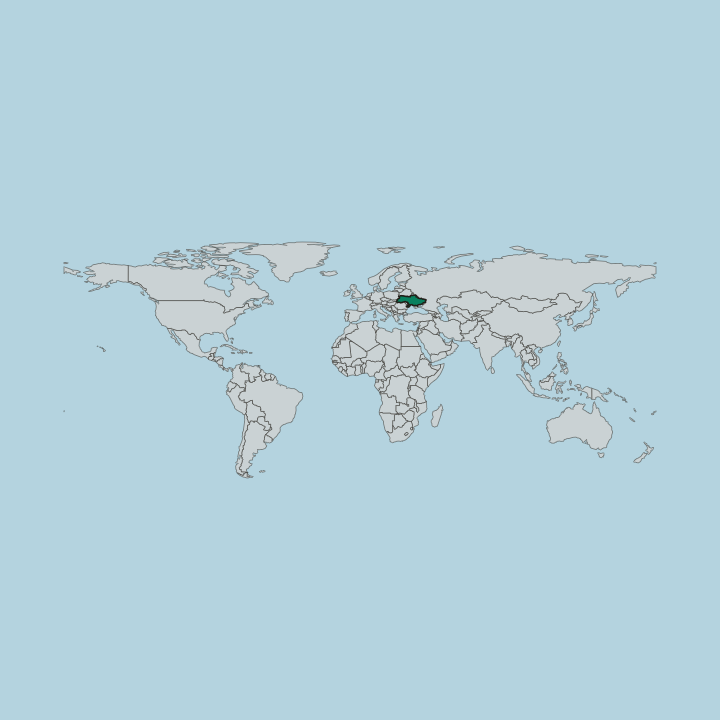
Where to stay in Kolomyia
Where the beds are, and what that means for the visit.
Crossing Kolomyia on foot takes no real effort. Most beds sit in the compact centre, a few minutes from the Pysanka Museum and the National Museum of Hutsulshchyna and Pokuttya Folk Art, which is where most visitors spend their first day. Rooms here are guesthouses and small hotels.
Nothing in town is far from anything else, and a visitor who lands near the market streets can reach both museums, the churches, and the river bank inside a single unhurried morning. The Annunciation church anchors the older streets to one side, with Музей історії міста Коломиї close by, and the courtyards around them stay quiet after dark. The Prut edge is the other choice.
Rooms out that way trade museum proximity for a short walk to the water and an easier start on the valley routes running up into the Eastern Carpathians, which suits anyone treating Kolomyia as a base for walking rather than as the destination. Voskresyntsi, on the fringe, keeps its own Taras Shevchenko monument. Beds there are scarce.
Book ahead for the summer walking season, when the guesthouses inside Kolomyia Raion's seat fill faster than the town's size suggests. East Galicia's older churches sit within the same short radius, so a room chosen for the mountains still leaves the Annunciation church and the Saint Ignatius of Loyola church on the walk back.
Find hotels in Kolomyia
Direct booking searches for these neighbourhoods.
Museum quarter
Both the Pysanka Museum and the National Museum of Hutsulshchyna and Pokuttya Folk Art are a few minutes' walk away.Find hotels in Museum quarterquiet evenings among the oldest fabric in KolomyiaAnnunciation church streets
Older lanes around the Annunciation church, with Музей історії міста Коломиї close enough to fill a spare hour.Find hotels in Annunciation church streetswalkers heading up into the Eastern CarpathiansPrut riverside
Closest to the Prut and to the valley routes that climb toward the Eastern Carpathians.Find hotels in Prut riversidea fringe base beside the Taras Shevchenko monumentVoskresyntsi
A village on Kolomyia's edge whose monuments to Taras Shevchenko and to the fighters for freedom of Ukraine stand apart from the centre. Few places to stay nearby — book ahead.Find hotels in VoskresyntsiHotel links are affiliate links: booking through them may earn us a commission, at no extra cost to you. It never affects how places are ranked. How this works
Things to do in Kolomyia
Ranked by global recognition; descriptions from Wikidata (CC0).
Museums & Galleries
3- National Museum of Hutsulshchyna and Pokuttya Folk Art Heritage
- Pysanka Museum
- Музей історії міста Коломиї
Churches & Religious Sites
3- Annunciation church in Kolomyia Heritage
- Saint Ignatius of Loyola church in Kolomyia Heritage
- Orthodox church of Saint Nicholas and the Dormition of Our Lady, Kolomyia
Castles & Historic Sites
3- Monument to Taras Shevchenko in Voskresyntsi Heritage
- Monument to the fighters for freedom of Ukraine, Voskresyntsi Heritage
- Ivan Franko monument
worth knowingacross 3 categories in Kolomyia
About Kolomyia
What is Kolomyia known for?
Painted eggs made this town's name. The Pysanka Museum, built in the shape of a giant egg, holds the craft that Hutsul villages in the surrounding Carpathian valleys have practised for generations, and it draws travellers who arrive for the mountains. Alongside it stands the National Museum of Hutsulshchyna and Pokuttya Folk Art, a collection of carving, weaving, and ceramics gathered from Pokuttya.
The Prut runs past. Writers matter here too, and an Ivan Franko monument marks the connection.
What are the main landmarks in Kolomyia?
The Pysanka Museum is the obvious stop, its collection held behind a façade shaped like the painted egg it exists to explain. Next door in spirit, the National Museum of Hutsulshchyna and Pokuttya Folk Art lays out carving, weaving, and ceramics from the valleys. Little survives of Коломийський замок.
An Ivan Franko monument stands in the centre, and Музей історії міста Коломиї fills in what the monuments leave out.
What is the history of Kolomyia?
The record begins around 1300. Kolomyia took shape within East Galicia, the historical region covering this stretch of the Carpathian foothills, and the earlier form of the name, Kolomea, still appears in older records and on maps drawn before the modern spelling settled. A castle stood here once.
Little of Коломийський замок survives above ground, though the churches that outlasted it, the Annunciation church among them, hold the oldest fabric left in the town. Later churches followed the same ground, among them the Orthodox church of Saint Nicholas and the Dormition of Our Lady and the Saint Ignatius of Loyola church, so the skyline records more than one rite. Commemoration is dense.
A monument to UIA and UGA soldiers stands in the town, while Voskresyntsi on the fringe carries both a Taras Shevchenko monument and one to the fighters for freedom of Ukraine. Ivan Franko is marked in the centre. The collections came later.
The National Museum of Hutsulshchyna and Pokuttya Folk Art drew carving, weaving, and ceramics out of Hutsulshchyna and Pokuttya, the Pysanka Museum gave the painted egg a building shaped like itself, and Музей історії міста Коломиї keeps the town's own story. Administration settled here too, and Kolomyia serves as the seat of Kolomyia Raion and hosts the Kolomyia urban hromada within Ivano-Frankivsk Oblast.
Where is Kolomyia?
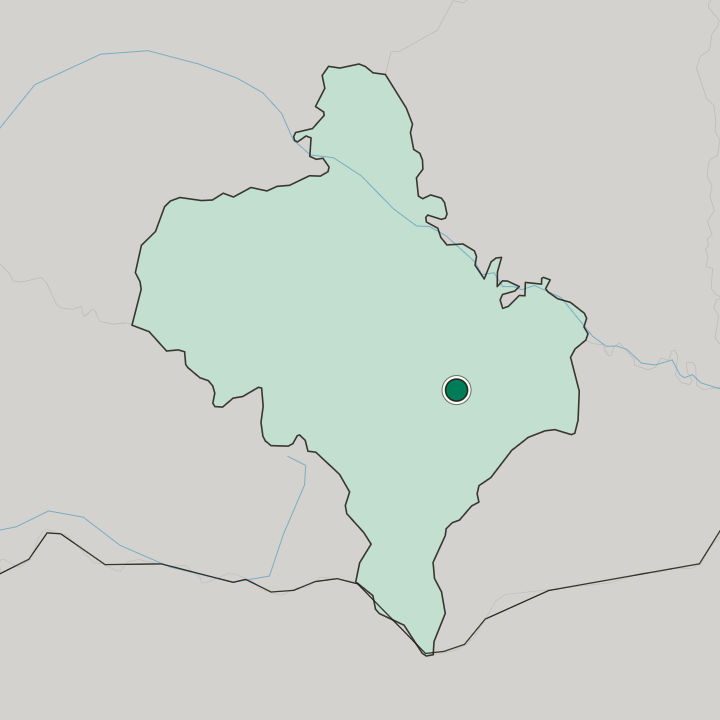
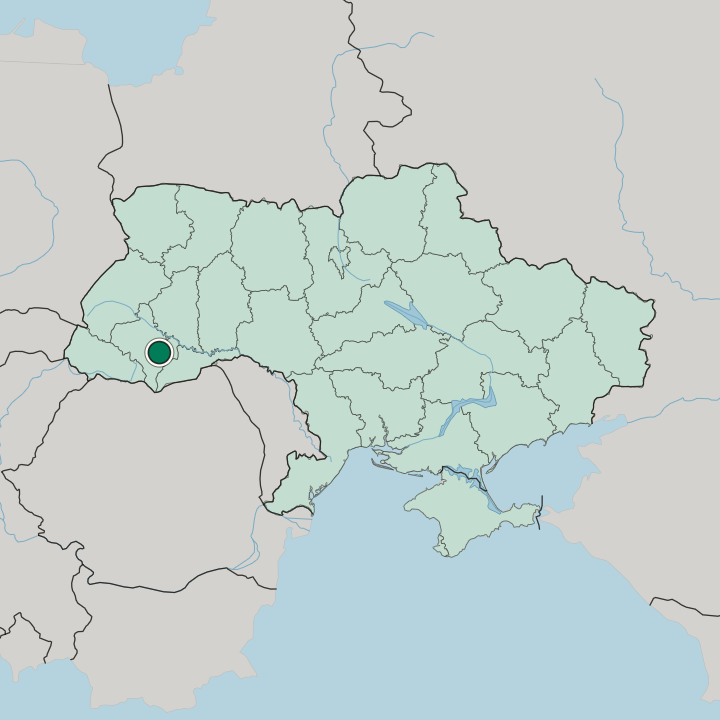
The Prut sets the line of the town. Kolomyia sits in the foothills where the Carpathian Mountains begin to gather height, which is why it works as a starting point for walking and for cultural touring in the Eastern Carpathians. Its centre covers little ground.
Around it spread the valleys of Pokuttya and Hutsulshchyna, the two country regions whose craft the museums collect, and beyond them the ridges of the range itself.
What is the climate of Kolomyia?
The Carpathians set the terms. Kolomyia sits in the temperate band of the northern hemisphere, so the year runs through four distinct seasons, but the nearness of the mountains pulls the foothill winters colder and wetter than open lowland further from the range. Summer is the walking season.
Weather here changes with the ridges rather than with any coast, and rain can arrive quickly in the valleys that run up from the Prut toward the Eastern Carpathians.
How do you get to Kolomyia?
Overland, and nothing else. Kolomyia is the administrative centre of Kolomyia Raion, and the routes that tie the raion's villages to their seat run into the same compact grid of streets that holds the Pysanka Museum. Onward travel means the mountains.
Anyone continuing into the Eastern Carpathians leaves along the Prut valley, which is why the town reads as a staging post for hiking and for cultural touring rather than as an endpoint.
Common questions
What is the best area to stay in Kolomyia?
Museum quarter: days built around the Pysanka Museum. Annunciation church streets: quiet evenings among the oldest fabric in Kolomyia. Prut riverside: walkers heading up into the Eastern Carpathians. Voskresyntsi: a fringe base beside the Taras Shevchenko monument.
Good for
More cities in Ivano-Frankivsk Oblast
Updated September 2026