Ukraine · Kharkiv Oblast
Where to Stay in Kharkiv, Kharkiv Oblast
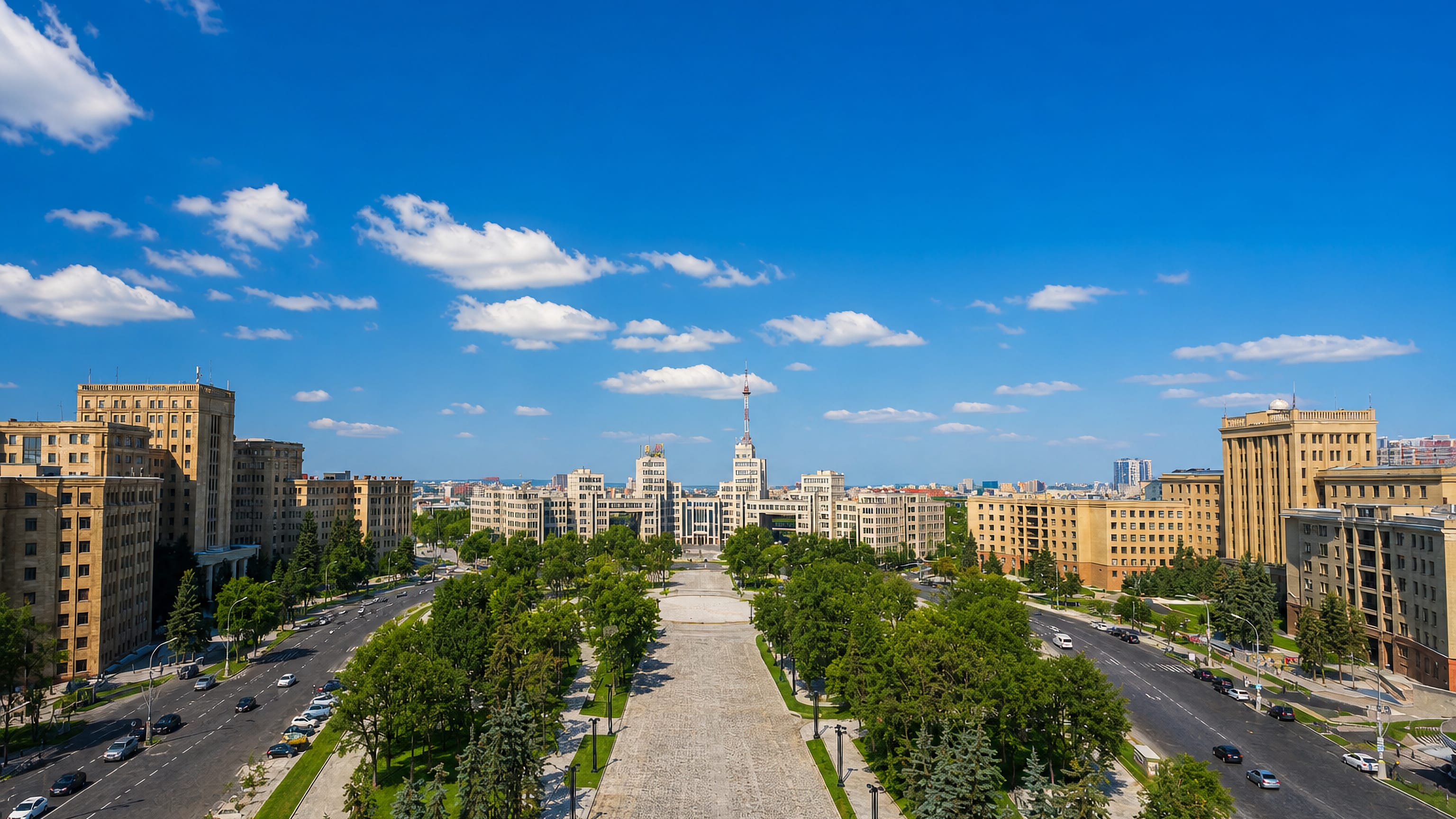
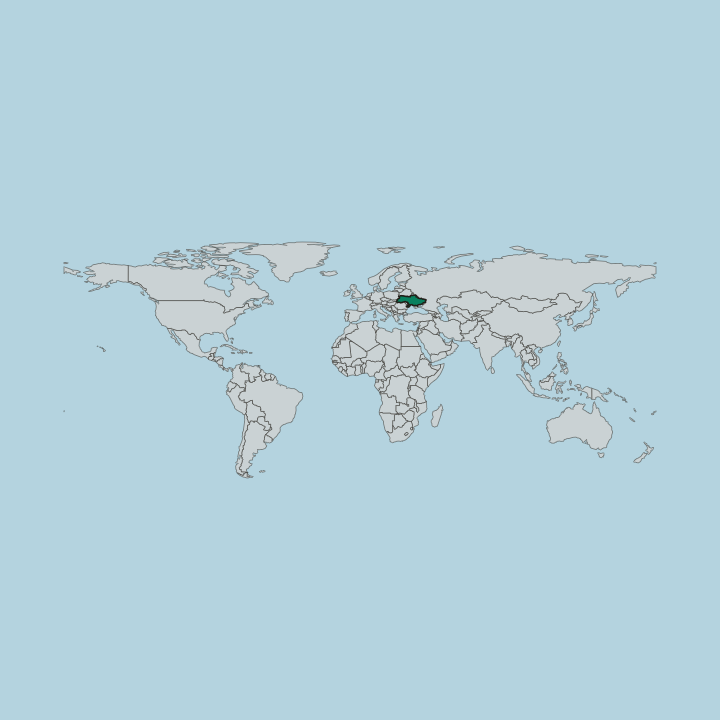
Three rivers gather on a hilly plain at Kharkiv, the second-largest city in Ukraine, known for Freedom Square and the Cathedral of the Assumption.
Hotel links are affiliate links: booking through them may earn us a commission, at no extra cost to you. It never affects how places are ranked. How this works


Where to stay in Kharkiv
Each area has its own feel; here's who each one suits.

 KharkivUkraine
Zhuravlivka
Zhuravlivka is a district of Kharkiv recorded from 1650, holding the Armenian Church of St. Resurrection in Kharkiv.Where to stay →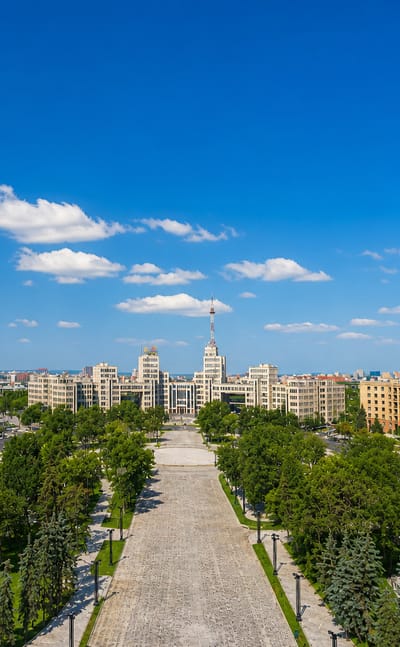 KharkivUkraine
Oleksiyivka
Oleksiivka is a historic locality and housing massif of Kharkiv, in the Shevchenkivskyi district between the Lozovenka and the Oleksiivska balka.Where to stay →KharkivUkraineSaltivka
Saltivka is the residential masyv on the north-eastern side of Kharkiv, filling most of Saltivskyi District and crossing into Kyivskyi District.Where to stay → KharkivUkraine
Velyka Danylivka
Velyka Danylivka is a neighbourhood in Kyivsky District of Kharkiv, a village in its own right until the city absorbed it in 1986.Where to stay →Hotel links are affiliate links: booking through them may earn us a commission, at no extra cost to you. It never affects how places are ranked. How this works
Find hotels in Kharkiv
Direct booking searches for these neighbourhoods.
Historic core
The hilltop core where the Lopan and the Kharkiv join, with the Cathedral of the Assumption and the Church of the Holy Trinity close by.Find hotels in Historic coreThe university quarter and the great civic spaceFreedom Square
Rooms beside the vast Freedom Square and the Fine Arts Museum Kharkiv, steps from the university facades.Find hotels in Freedom SquareQuiet streets near the monastery and the parkPokrovskyi and the Shevchenko Garden
The slope by the Pokrovskyi Monastery and the Shevchenko Garden, quieter than the squares yet close to the Monument to Shevchenko.Find hotels in Pokrovskyi and the Shevchenko GardenHotel links are affiliate links: booking through them may earn us a commission, at no extra cost to you. It never affects how places are ranked. How this works
Things to do in Kharkiv
Ranked by global recognition; descriptions from Wikidata (CC0).
Museums & Galleries
3- Fine Arts Museum Kharkiv
- Museum of World Sexual Cultures
- YermilovCentre
Churches & Religious Sites
3- Church of the Holy Trinity, Kharkiv Heritage
- Cathedral of the Assumption of the Blessed Virgin Mary, Kharkiv
- Pokrovskyi Monastery in Kharkiv
Castles & Historic Sites
5- The Monument of Shevchenko Heritage
- Monument to Lenin Heritage
- Monument of Independence Heritage
- Монумент Незалежності (Харків) Heritage
- Monument to the Heroes Heritage
Stadiums & Sports
1- Palace of Sports "Lokomotiv"
Landmarks & Notable Places
3- House with Chimeras Heritage
- Kontorska St., 26 Heritage
- Dmytrivska 14, Kharkiv Heritage
worth knowingacross 5 categories in Kharkiv
About Kharkiv
What is Kharkiv known for?
Kharkiv is known for a broad centre of squares and universities set on the hilly plain of Sloboda Ukraine. The tall Cathedral of the Assumption rises above the old core. Its wide Freedom Square gathers grand facades around one of the largest civic spaces on the continent, while the Church of the Holy Trinity and the Pokrovskyi Monastery mark the older skyline of the city.
The Kharkiv Historical Museum and the Fine Arts Museum Kharkiv hold the record of the region. Its museums are many.
What are the main landmarks in Kharkiv?
The main landmarks in Kharkiv range from the old churches on the hill to the museums around Freedom Square. The Cathedral of the Assumption and the Church of the Holy Trinity crown the historic core. Pokrovskyi Monastery holds the oldest surviving walls.
Beyond the centre, the Fine Arts Museum Kharkiv and the M. F. Sumtsov Kharkiv Historical Museum gather the region's art and record, while the Shevchenko Garden shelters the Monument to Shevchenko and leads down to Kharkiv Zoo. The Petro Sahaidachny monument and the ornate House with Chimeras add to the walk.
What is the history of Kharkiv?
Kharkiv grew from a frontier fort founded in 1654 on the hilly plain where the Lopan, the Udy, and the Kharkiv rivers gather. It rose as the chief town of Sloboda Ukraine, the settled borderland whose Cossack farmers gave the region its name. Trade fairs made it rich.
The town spread outward from its wooden stockade, and the stone Cathedral of the Assumption and the Pokrovskyi Monastery, the oldest surviving building, mark the early centuries when Kharkiv held the point above the river meeting. A university took root in the early nineteenth century and turned the town into a centre of learning, drawing the scholars whose work fills the M. F. Sumtsov Kharkiv Historical Museum and the Fine Arts Museum Kharkiv. The city drew rail lines and industry, and for a time in the twentieth century it served as the administrative seat of the wider region, a period that raised the grand facades of Freedom Square and laid out the university quarter.
The Shevchenko Garden and the Monument to Shevchenko honour the poet at the heart of Ukrainian letters. Through each era Kharkiv kept its place as the great city of the northeast.
Where is Kharkiv?
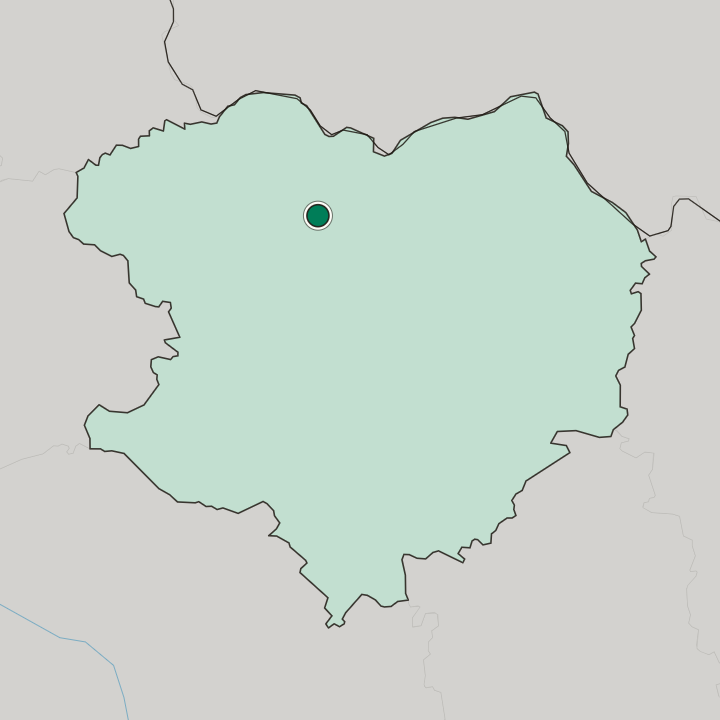
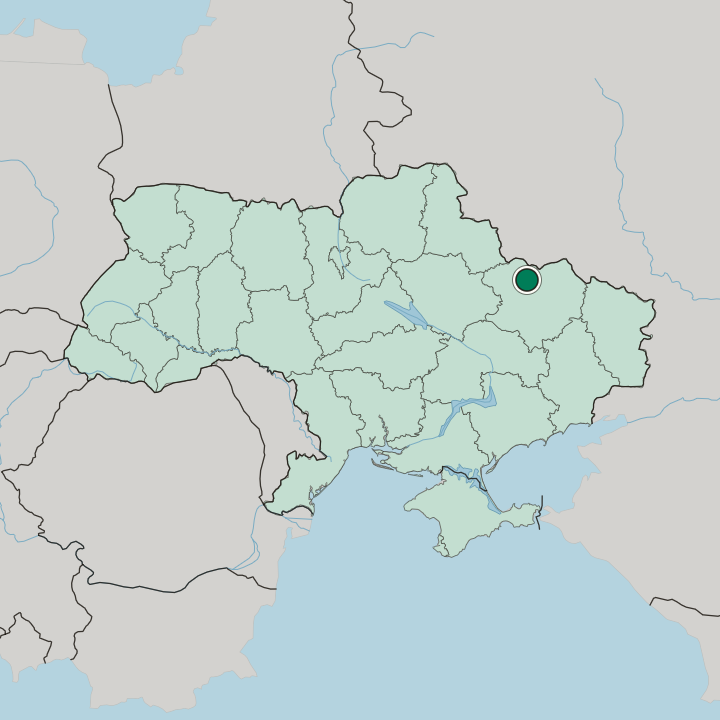
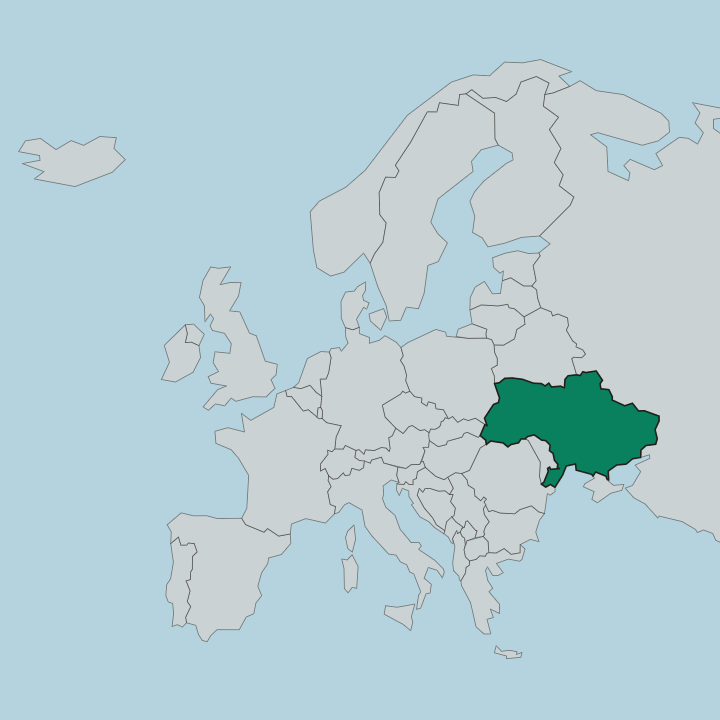
Kharkiv sits in the northeast of Ukraine, on a hilly plain in Kharkiv Oblast near the edge of Sloboda Ukraine. Three rivers gather here. The Lopan, the Udy, and the Kharkiv meet within the city, and more than half of the built ground rises well above the valley floor.
The old core holds the highest hill above the confluence, while nine administrative districts spread across the surrounding slopes and the green run of the Shevchenko Garden threads the centre of Kharkiv.
What is the climate of Kharkiv?
Kharkiv has a temperate continental climate with cold winters and warm summers. Snow lies over the hills above the three rivers through the coldest months. Spring comes gradually.
By high summer the ground around Freedom Square and the Shevchenko Garden holds long warmth and dry light, while autumn thins the trees and brings low mist to the valley where the Lopan and the Kharkiv meet below the old core.
How do you get to Kharkiv?
Kharkiv is served by air, rail, and road across Kharkiv Oblast. An airport lies south of the centre, and long rail lines meet at the city's stations. The main station stands west of the old core.
From there it is a short ride to Freedom Square and to the historic hill above the meeting of the Lopan and the Kharkiv, the two poles around which the streets of Kharkiv arrange themselves.
Common questions
What is the best area to stay in Kharkiv?
Historic core: Old churches above the river meeting. Freedom Square: The university quarter and the great civic space. Pokrovskyi and the Shevchenko Garden: Quiet streets near the monastery and the park.
Good for
Another city in Kharkiv Oblast
Updated October 2026