Ukraine · Rivne Oblast
Where to Stay in Rivne, Rivne Oblast
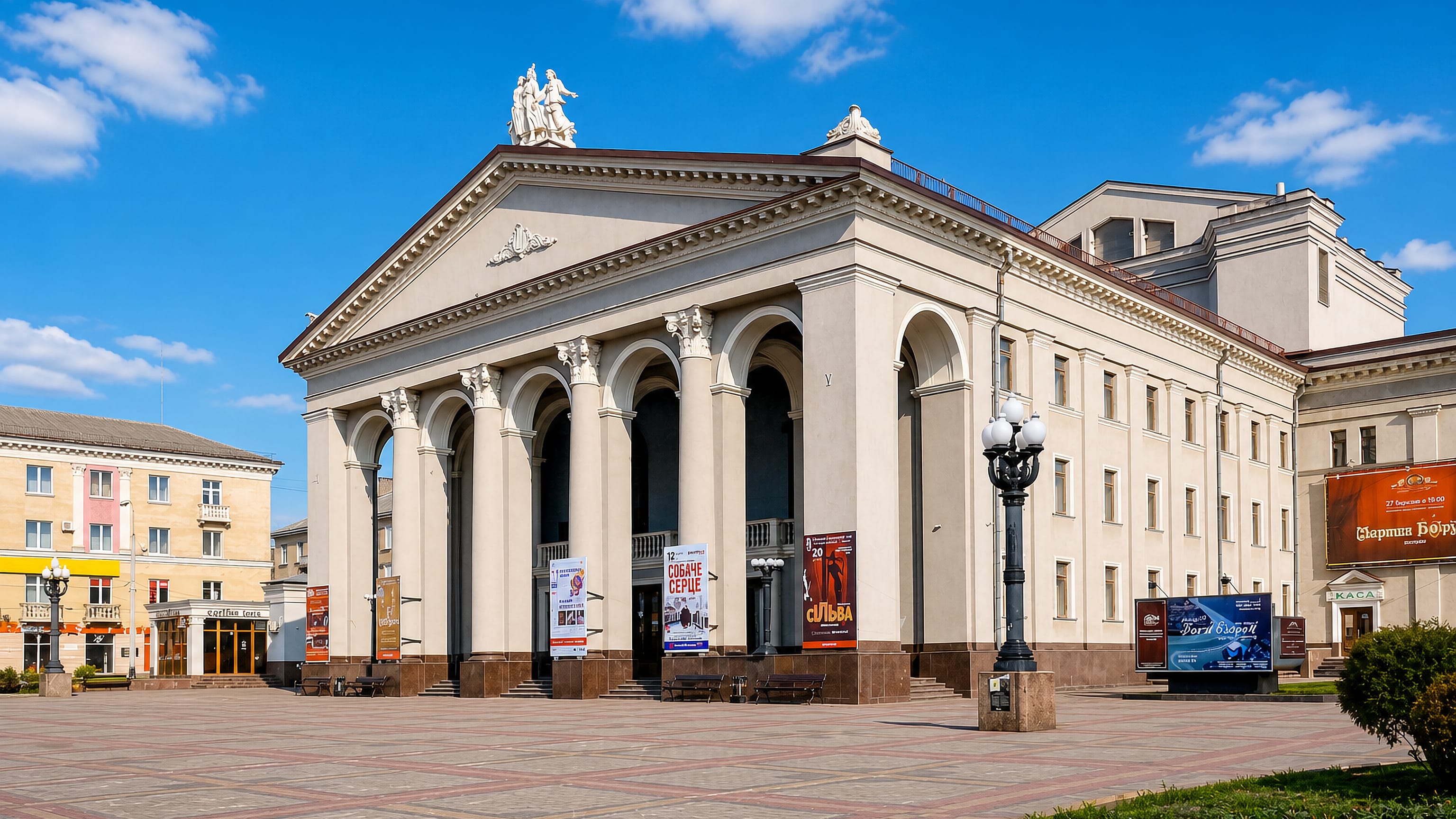
The cathedral church of St. Nicholas rises over Rivne, the seat of Rivne Oblast in Ukraine, a city first recorded in 1283 and known for its churches.
Hotel links are affiliate links: booking through them may earn us a commission, at no extra cost to you. It never affects how places are ranked. How this works


Where to stay in Rivne
How the choice of base plays out on the ground.
Where you stay in Rivne centers on the compact core, where the churches, museums, and main squares sit within a few walkable blocks. Stay central. The cathedral church of St. Nicholas, the Church of the Assumption, and the regional local history museum all lie close together, and travelers who want the historic streets within easy reach settle here first.
Beyond the core, Rivne spreads into quieter residential and park quarters that give longer stays more room and calm. Shevchenko Park, with its monument to Taras Shevchenko, gives families green space a short walk from the center. In these outer quarters the rooms run larger and calmer.
The Holy Trinity church and the Church of the Nativity of the Theotokos give the near neighborhoods their own anchors, so visitors drawn to the churches and heritage of Rivne Oblast can base themselves close to the parks and still reach the old core on foot. The center holds the pull.
Find hotels in Rivne
Direct booking searches for these neighbourhoods.
Cathedral core
The cathedral church of St. Nicholas, the Church of the Assumption, and the regional local history museum sit within a few blocks of one another in Rivne's compact center.Find hotels in Cathedral coreCalmer, greener stays near the Shevchenko monumentShevchenko Park quarter
Shevchenko Park and its monument to Taras Shevchenko give quieter residential lodging a short walk from Rivne's old core and its churches.Find hotels in Shevchenko Park quarterHotel links are affiliate links: booking through them may earn us a commission, at no extra cost to you. It never affects how places are ranked. How this works
Things to do in Rivne
Ranked by global recognition; descriptions from Wikidata (CC0).
Churches & Religious Sites
4- Church of the Assumption, Rivne Heritage
- Костел святого Антонія Heritage
- Holy Trinity church, Rivne Heritage
- Church of the Nativity of the Theotokos, Rivne Heritage
Castles & Historic Sites
8- Taras Shevchenko monument Heritage
- Monument of Glory, Rivne Heritage
- Bust of Symon Petliura, Rivne Heritage
- Пам'ятник Марії Несвицькій Heritage
- Bust of Dmytro Klyachkivsky, Rivne Heritage
Show 3 more →
- Пам'ятник Богданові Хмельницькому Heritage
- Пам'ятний знак жертвам Чорнобильської катастрофи Heritage
- Пам'ятний знак загиблим у локальних війнах Heritage
Landmarks & Notable Places
2- 19 Drahomanova Street, Rivne Heritage
- Будинок Басі Каган Heritage
worth knowingacross 3 categories in Rivne
About Rivne
What is Rivne known for?
Rivne is known as the administrative center of Rivne Oblast, a compact regional city with a church-marked skyline. The cathedral church of St. Nicholas leads it. Nearby, the Church of the Assumption and the Holy Trinity church trace the faiths gathered in the old core, while the regional local history museum keeps the record of the surrounding land.
Monuments fill the central parks. A monument to Taras Shevchenko in Shevchenko Park stands among them.
What are the main landmarks in Rivne?
The main landmarks in Rivne are its churches, museums, and central monuments. The cathedral church of St. Nicholas dominates. Around it rise the Church of the Assumption, the Holy Trinity church, and the Church of the Nativity of the Theotokos, tracing the city's several congregations.
The Rivne Regional History Museum holds the record of the surrounding oblast, and a bust of Symon Petliura and the Monument of Glory mark its public squares. In Shevchenko Park, a monument to Taras Shevchenko honors the poet at the heart of Ukrainian letters.
What is the history of Rivne?
Rivne was first recorded in 1283, growing from a small settlement into a market town on the trade routes crossing the region. Its position on those routes shaped everything that followed. Rulers changed often.
Lithuanian, Polish, and later Russian and Soviet authorities each governed the town in turn, and the churches scattered across the center record the many communities who lived and worshipped here across those centuries. That layered past is why the Cathedral of St. Nicholas, the Church of the Assumption, and the Holy Trinity church all stand within the same compact core. The regional local history museum gathers the physical record of the surrounding oblast, from its market beginnings through its harder modern chapters.
Monuments across the city mark those chapters plainly. In Shevchenko Park, a monument to Taras Shevchenko ties Rivne to the wider current of Ukrainian culture, while memorials nearby remember the losses of the twentieth century. The town wears its long, contested history openly.
Where is Rivne?
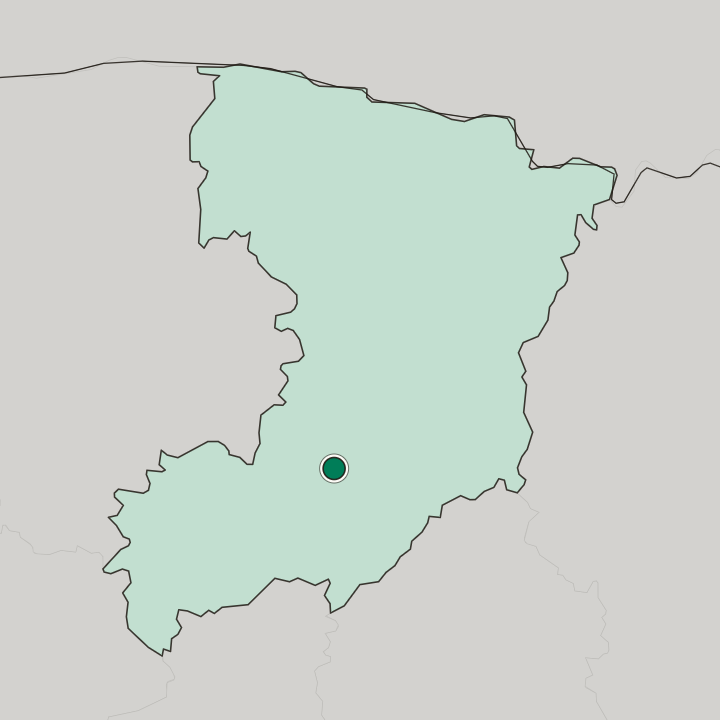
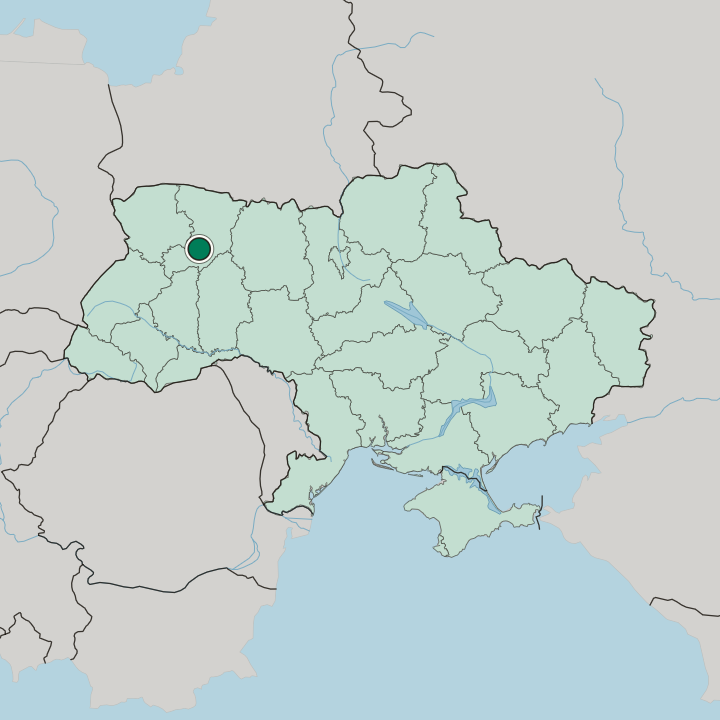
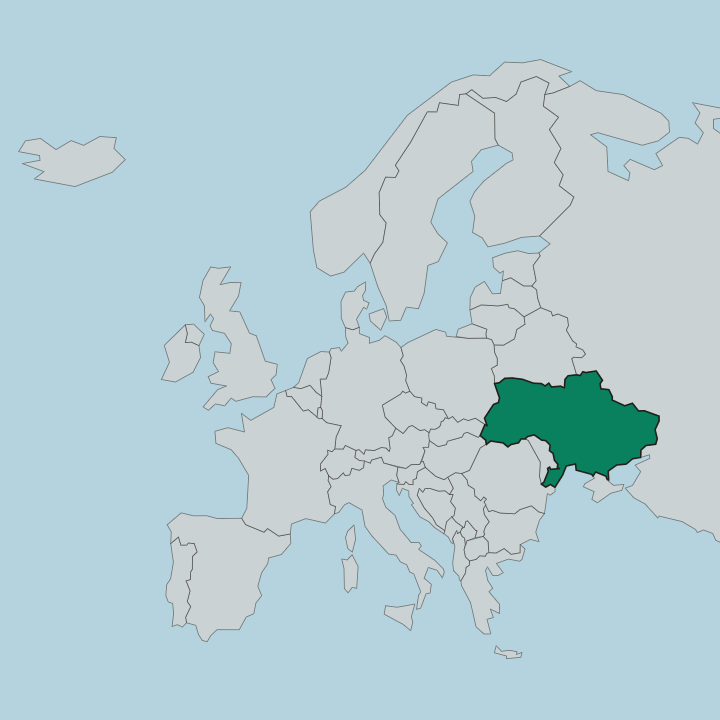
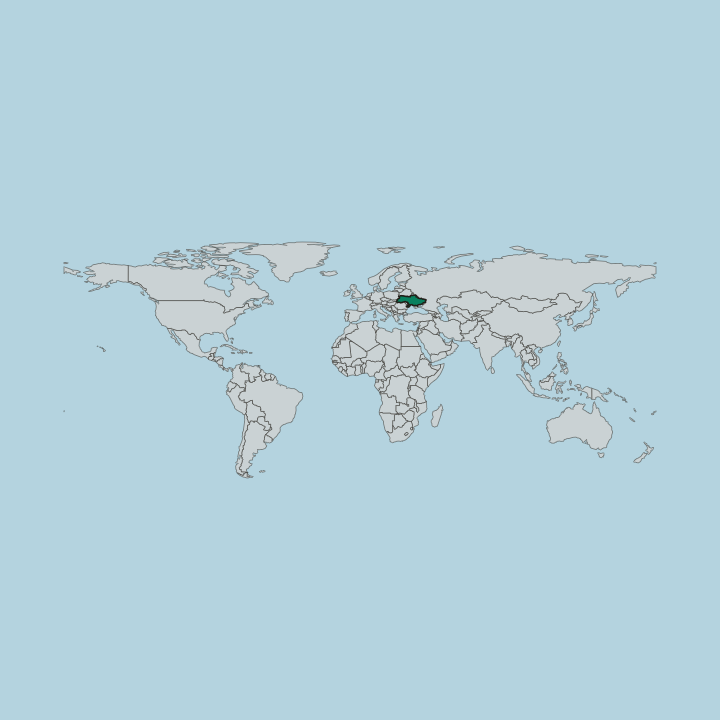
Rivne sits inland. The city stands at the center of Rivne Oblast, on the gently rolling plains of the surrounding region. The cathedral church of St. Nicholas marks its compact core.
Around the town, the land spreads in low, well-watered farm and forest country, far from any coast or mountain range and threaded by small rivers. That central, level position, at the heart of its oblast, made Rivne a natural market and administrative seat for the districts that ring it.
What is the climate of Rivne?
Rivne has a temperate continental climate typical of the plains of Rivne Oblast. Rivne's summers turn warm and green. Winters bring frost and lasting snow across the flat farm country around the city, though the cold here stays milder than in the country's far interior, softened by the region's westerly weather and its distance from the deepest continental extremes.
Spring greens the parks quickly. Autumn turns cool and changeable.
How do you get to Rivne?
Getting to Rivne brings travelers to a road and rail hub at the center of Rivne Oblast. Main lines converge on the city from the surrounding districts and from the larger cities of the region, and the routes run flat and direct across the level farm and forest country that spreads on all sides. From the platform, the rest is quick.
Local buses carry visitors from the stations to the Cathedral of St. Nicholas and the compact old core.
Common questions
What is the best area to stay in Rivne?
Cathedral core: First stays near the Cathedral of St. Nicholas and the museums. Shevchenko Park quarter: Calmer, greener stays near the Shevchenko monument.
Good for
Updated October 2026