Ukraine
Rivne Oblast, Ukraine — Towns & Travel Guide
Rivne Oblast fills the flat forests and river valleys of north-western Ukraine, the heart of historic Volhynia.
Hotel links are affiliate links: booking through them may earn us a commission, at no extra cost to you. It never affects how places are ranked. How this works


Towns & cities in Rivne Oblast
One town here has its own guide — it links to where to stay.
 Ukraine
Rivne
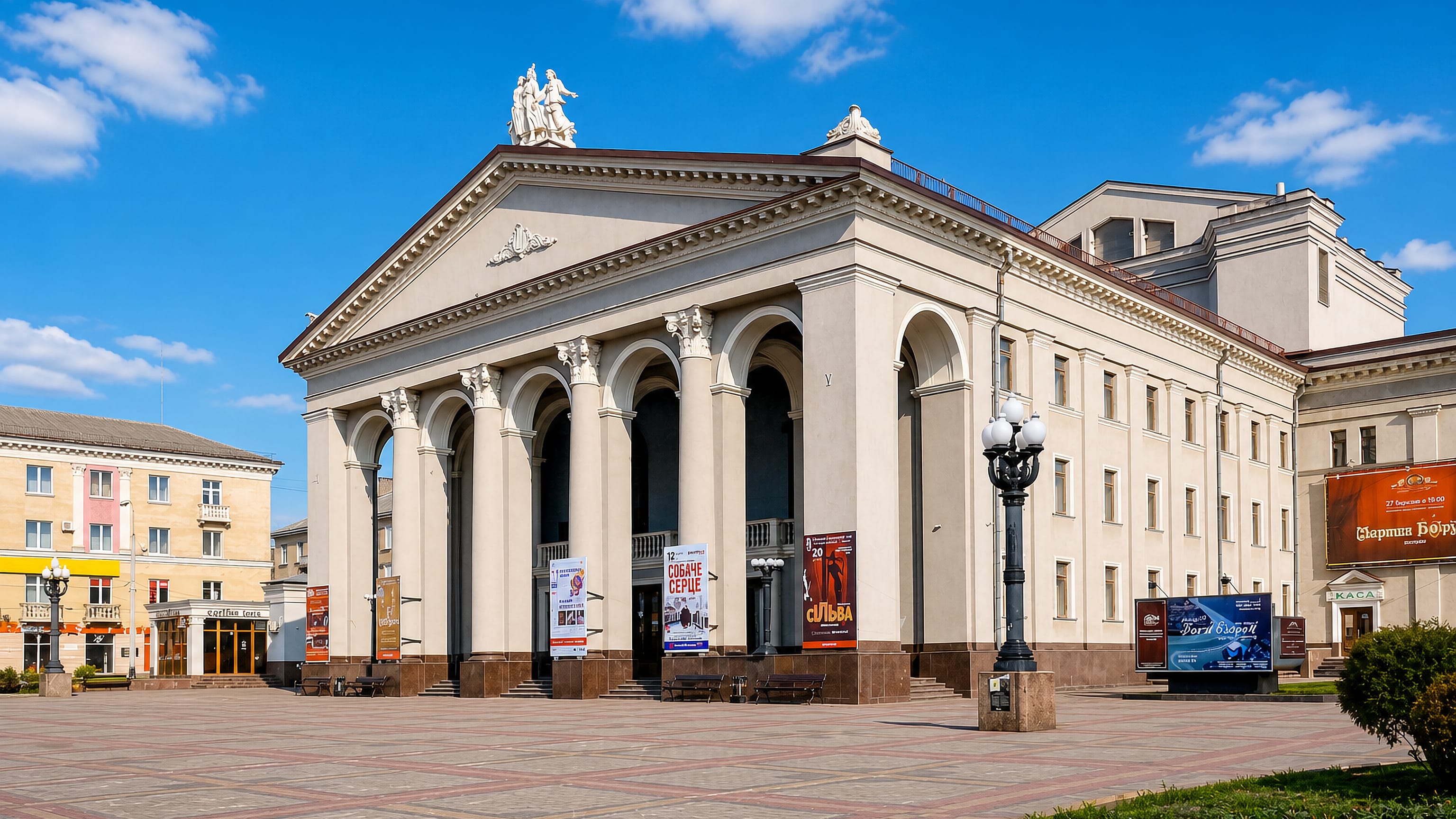
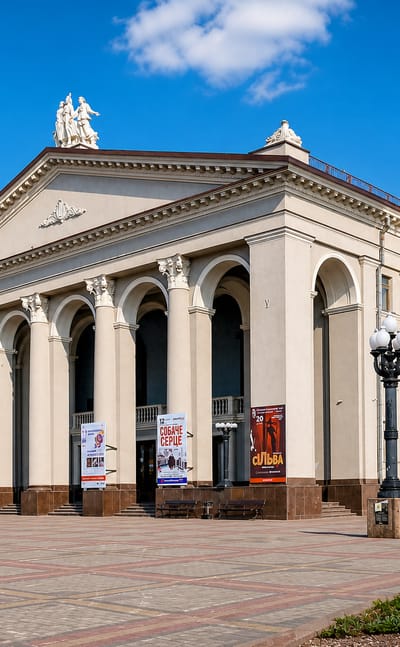
The cathedral church of St. Nicholas rises over Rivne, the seat of Rivne Oblast in Ukraine, a city first recorded in 1283 and known for its churches.Where to stay →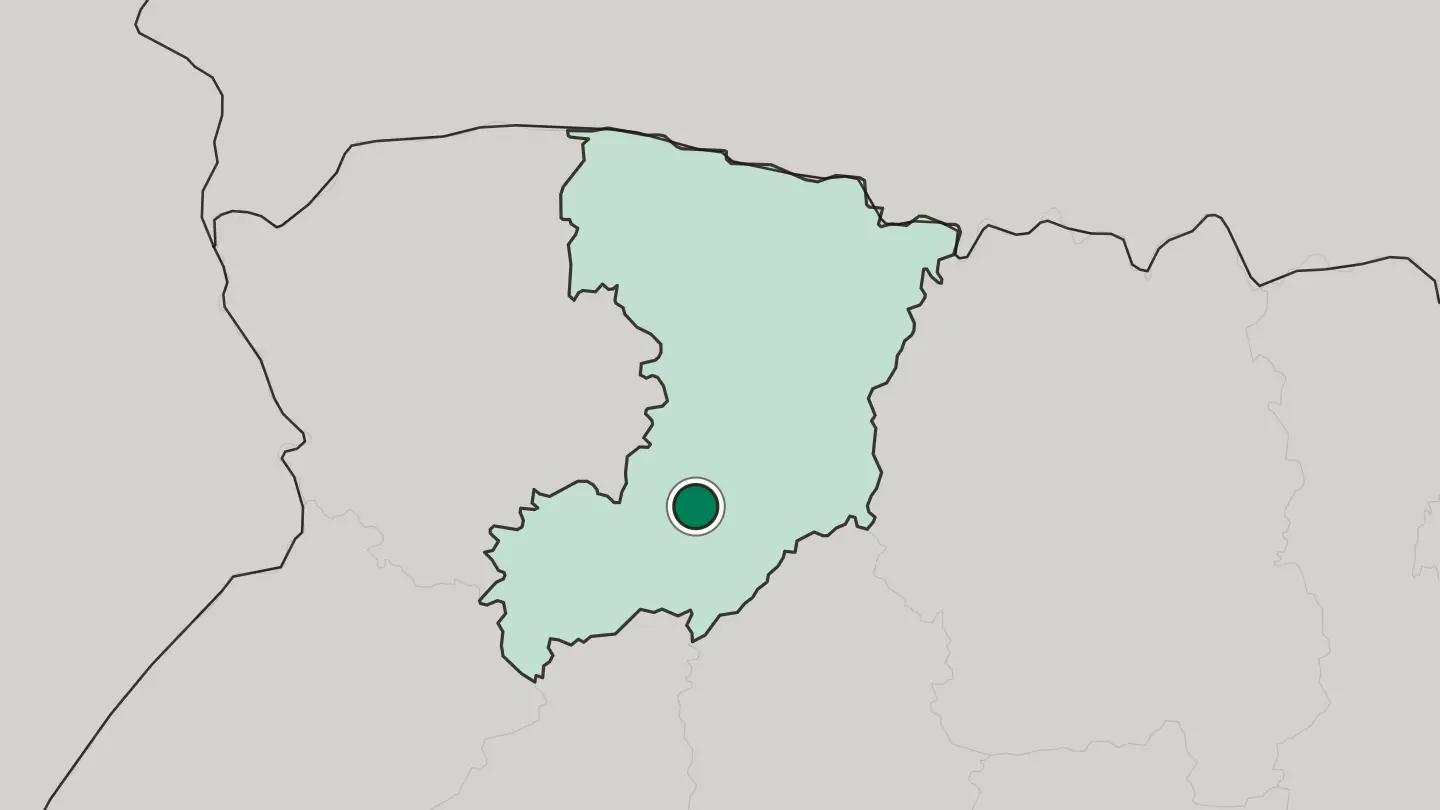
Hotel links are affiliate links: booking through them may earn us a commission, at no extra cost to you. It never affects how places are ranked. How this works
About Rivne Oblast
Rivne Oblast is Volhynian country.
What is Rivne Oblast known for?
Forests and bogs cover the north, and the Horyn River threads down the middle of it toward the Pripyat marshes on the Belarusian border. The city of Rivne anchors the region as its administrative and transport hub. Ostroh, on the Horyn, holds an academy first founded in 1576 as one of the earliest schools of Eastern Europe, and the castle at Dubno guards the southern uplands.
Near Klevan, disused rail tracks run through a green corridor of trees that draws photographers.
Where is Rivne Oblast?
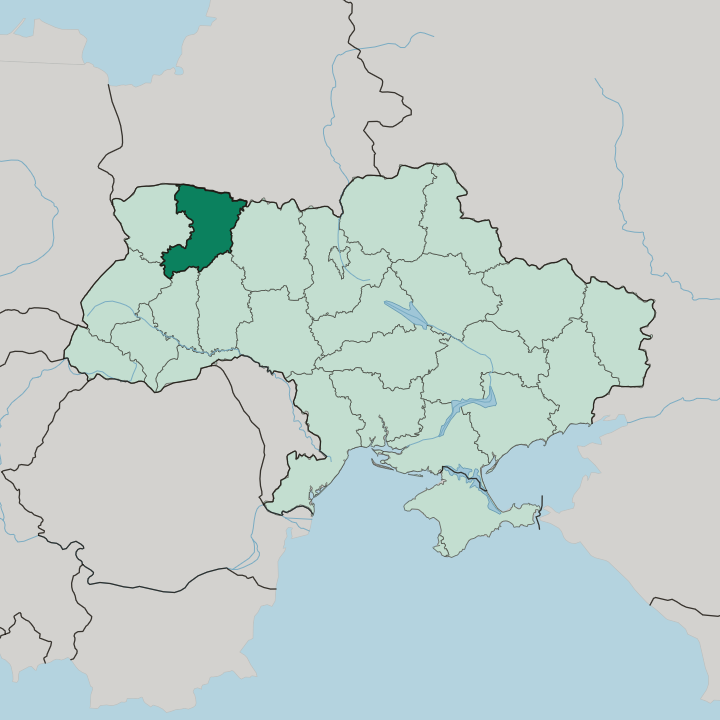
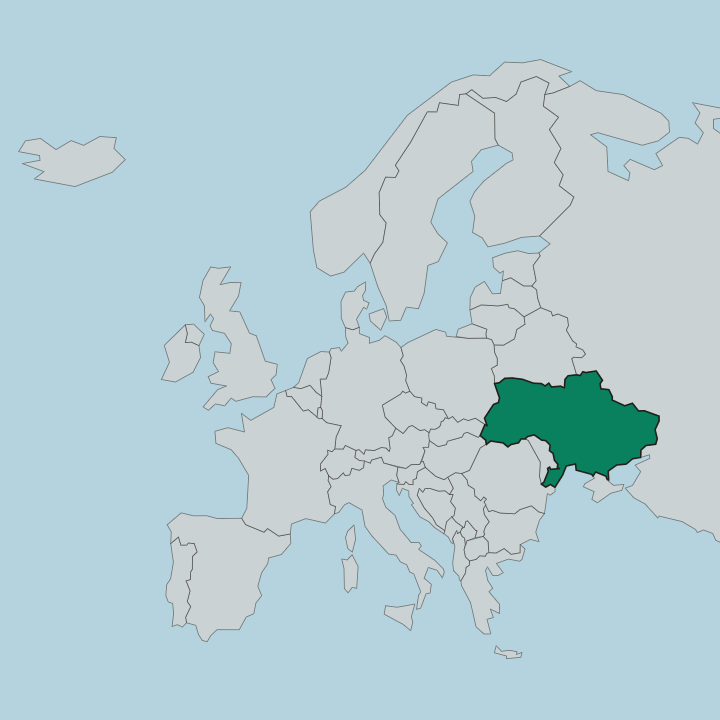
Rivne Oblast lies in north-western Ukraine, sharing a long northern border with Belarus. It is a long region, stretching far more from north to south than it does from west to east. Two very different landscapes divide it.
Polesia claims the north, a great flat lowland of forests, peat bogs, wetlands and slow rivers that runs along the Pripyat basin. Southward the land rises into the gently rolling Volhynian-Podolian Upland, and the wooded plain opens into river valleys and worked farmland along the higher ground. Draining all of it, the Horyn River runs north through the region toward the Pripyat and, beyond the border, into Belarus.
The Styr and the Sluch flow northward too, feeding those same marshes. Almost the whole region sits inside the historic land of Volhynia. Rivne stands close to its heart.
Water and forest set the tone here far more than any hill or mountain ever could, and the country tilts gently northward toward the marshes. Its rivers follow that tilt. That long drainage toward Polesia has shaped how the region was settled, farmed and defended for as long as anyone has lived on it.
What is Rivne Oblast like?
This is Volhynian and Polesian country, and its culture carries the mark of both. The land changed hands often. Kievan Rus, the Grand Duchy of Lithuania, Poland and the Soviet Union each left something behind, and the churches show it plainly.
Orthodox, Greek Catholic and Roman Catholic sanctuaries stand across the region, and the old wooden village churches of Volhynia are among the most distinctive things a visitor finds. Ostroh matters here beyond its size. The academy first founded in 1576 made the town an early centre of Slavic learning and printing, and the memory of that runs through the region's sense of itself.
Ukrainian is the everyday language, spoken across the towns and the villages alike. Faith stays close to the surface of daily life. Pilgrims still visit holy springs in the Polesian north, and the church calendar shapes the year.
Folk craft, embroidery and song belong to the Polesian villages as much as to any museum, and they carry the older Volhynian traditions forward. The forest north and the farming south feel like two worlds inside one region, joined by the rivers and the shared history of Volhynia.
What is the history of Rivne Oblast?
People have lived on this land since the Stone Age. In the early tenth century the region drew close to Kyiv and became part of Kievan Rus, and it later passed through Lithuanian and then Polish rule as part of Volhynia. After the First World War the 1921 Treaty of Riga handed western Volhynia, including this land, to Poland.
That changed in 1939. Following the Molotov-Ribbentrop Pact the territory passed to the Soviet Union, and in December 1939 the separate Rivne Oblast was formed within Soviet Ukraine.
What is the climate of Rivne Oblast?
Rivne Oblast has a temperate continental climate, milder than the Ukrainian interior thanks to its inland-yet-western position. Summers are warm and humid, drawing moisture up from the Polesian wetlands and forests. Winter in Rivne Oblast brings hard cold and steady snow.
The freeze runs long. Snow cover usually holds from November into March across the northern lowland, and the rivers and bogs of Polesia freeze hard. Rain falls through the year rather than in one season, feeding the Horyn and its marshes.
How do you get to Rivne Oblast?
Rivne is the way in. The city sits on the railway between Kyiv and Lviv, with Ukrainian Railways running trains from both, and the trip from Lviv takes under three hours. Rivne Oblast has no working passenger airport of its own, so most travellers arrive overland.
Buses run from Kyiv, Lviv and other cities to Rivne, and from there roads fan out to Ostroh, Dubno and the smaller towns. From abroad the usual route is through Lviv to the west, then east by train or bus into the region.
Common questions
What is the best area to stay in Rivne Oblast?
Rivne: the region's transport hub. Ostroh: the old academy town. Dubno: the southern castle country. The Polesian north: the forest-and-bog frontier.
More regions in Ukraine
Updated September 2026