Ukraine · Ternopil Oblast
Where to Stay in Ternopil, Ternopil Oblast
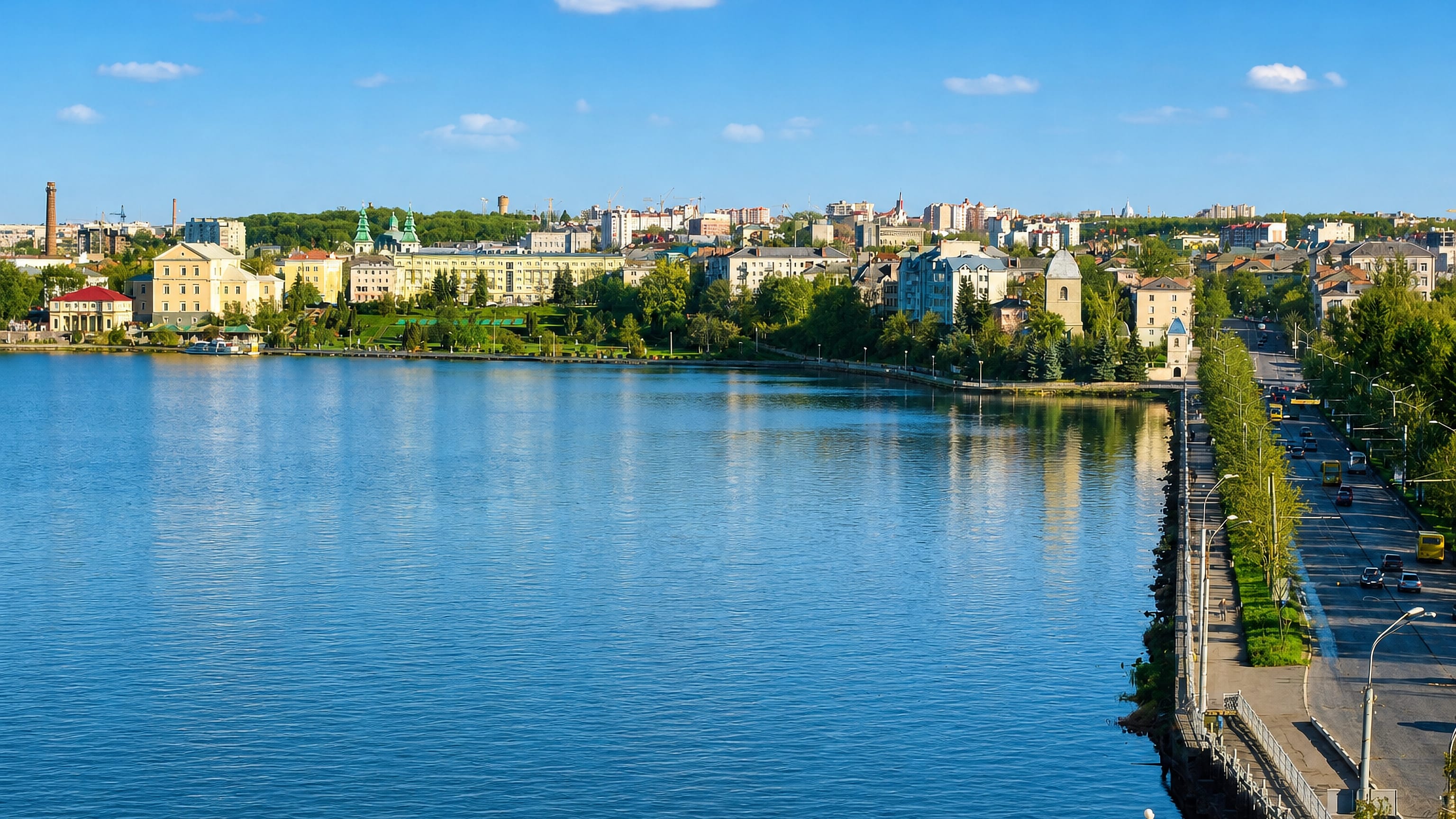
Ternopil Castle stands at the core of Ternopil, the seat of Ternopil Oblast in Ukraine, a city founded in 1540 and known for its churches and museums.
Hotel links are affiliate links: booking through them may earn us a commission, at no extra cost to you. It never affects how places are ranked. How this works


Where to stay in Ternopil
Where the beds are, and what that means for the visit.
Where you stay in Ternopil centers on the old core around Ternopil Castle, where the fortress and the main squares sit within a few walkable blocks. Stay near the castle. The Cathedral of the Immaculate Conception, the Ternopil Regional Art Museum, and the statue of Taras Shevchenko all lie close, and travelers who want the historic center within easy reach settle here first.
Beyond the core, Ternopil spreads into quieter residential quarters that give longer stays more room and calm. The parks and promenades below the castle draw walkers and families out from the busy squares. Rooms here run larger and stiller.
The Ternopil Oblast Museum and the Exaltation of the Cross Church give the near neighborhoods their own anchors, so visitors drawn to the churches and museums of Ternopil Oblast can base themselves a short walk from the castle and still reach the galleries and squares on foot. The center stays the pull.
Find hotels in Ternopil
Direct booking searches for these neighbourhoods.
Castle core
Ternopil Castle, the Cathedral of the Immaculate Conception, and the statue of Taras Shevchenko sit within a few blocks of one another in the old core.Find hotels in Castle coreCalmer stays near the parks below the fortressPromenade quarter below the castle
The parks and promenades below Ternopil Castle and the Ternopil Oblast Museum give quieter residential lodging a short walk from the city center.Find hotels in Promenade quarter below the castleHotel links are affiliate links: booking through them may earn us a commission, at no extra cost to you. It never affects how places are ranked. How this works
Things to do in Ternopil
Ranked by global recognition; descriptions from Wikidata (CC0).
Museums & Galleries
3- Muzeĭ Solomiï Krushelʹnyt͡sʹkoï Heritage
- Ternopil Oblast Museum
- Ternopil Regional Art Museum
Churches & Religious Sites
5- Cathedral of the Immaculate Conception of the Holy Mother of God, Ternopil Heritage
- Exaltation of the Cross Church Heritage
- Christmas church in Ternopil Heritage
- Saint Nikolas church in Bila Heritage
- Saint John the Evangelist church in Skoryky Heritage
Castles & Historic Sites
7- Ternopil Castle Heritage
- Statue of Solomiya Krushelnytska in Ternopil Heritage
- Statue of Stepan Bandera in Ternopil Heritage
- Statue of Taras Shevchenko in Ternopil Heritage
- Statue of Danylo Halytskyi Heritage
Show 2 more →
- Statue of Yosyf Slipyi in Ternopil Heritage
- Guardian angel sculpture Heritage
worth knowingacross 3 categories in Ternopil
About Ternopil
What is Ternopil known for?
Ternopil is known as the administrative center of Ternopil Oblast and a compact city built around its old fortress. Ternopil Castle anchors that core. Nearby, the Cathedral of the Immaculate Conception and the Exaltation of the Cross Church mark the city's faiths, while the Ternopil Regional Art Museum and the Ternopil Oblast Museum hold its collections.
Statues of Ukrainian writers line the squares. A statue of Taras Shevchenko and a statue of Ivan Franko stand among them.
What are the main landmarks in Ternopil?
The main landmarks in Ternopil gather around the old fortress and the central squares. Ternopil Castle leads them. Close by rise the Cathedral of the Immaculate Conception, the Exaltation of the Cross Church, and the Cathedral of Saints Constantine and Elena, principal places of worship in the city.
The Ternopil Regional Art Museum and the Ternopil Oblast Museum hold the region's art and history, while the Museum of political prisoners of Ternopil records a harder past. Statues honor Ukrainian figures across the center, among them a statue of Solomiya Krushelnytska, the singer tied to this region.
What is the history of Ternopil?
Ternopil was founded in 1540 as a fortified town, and the fortress that gave it purpose still names its center. Ternopil Castle rose to guard the settlement and the trade routes it controlled. Rule changed hands repeatedly.
Polish, Austrian, and later Soviet authorities each governed the town in turn, and the churches, cathedrals, and monuments scattered across the center record the communities and conflicts of those centuries. The city keeps its cultural memory close. The Ternopil Regional Art Museum and the Ternopil Oblast Museum gather the record of the surrounding land, while statues honor the writers and figures the region produced.
A statue of Solomiya Krushelnytska recalls the celebrated soprano with roots nearby, and a statue of Ivan Franko marks one of the great names of Ukrainian letters. The Museum of Revolution Dignity and Freedom remembers a more recent chapter, and other museums recall deportation and political imprisonment. Ternopil carries that weight in its stone.
Where is Ternopil?
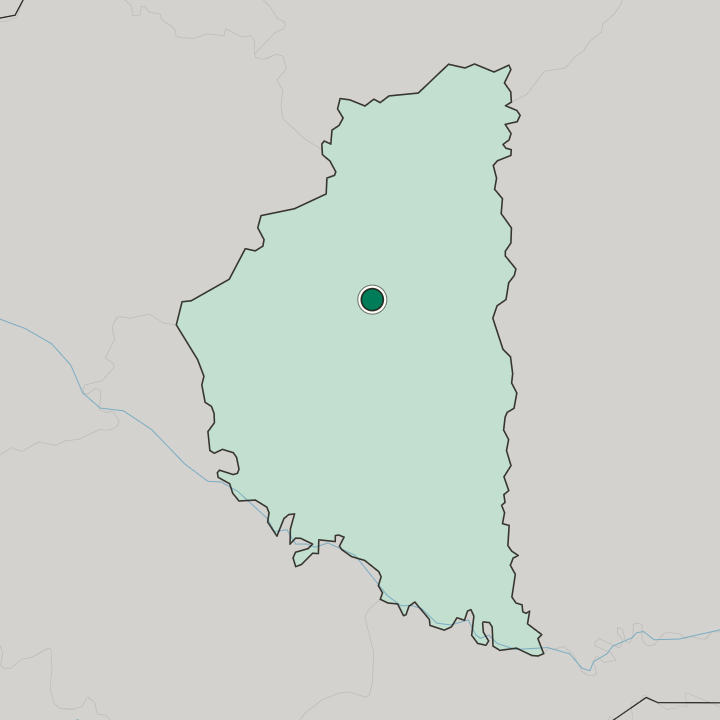
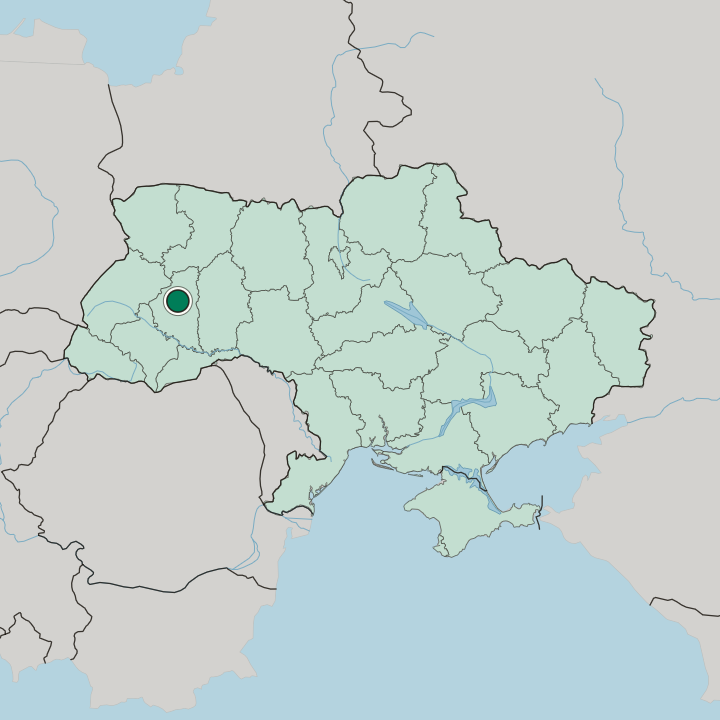
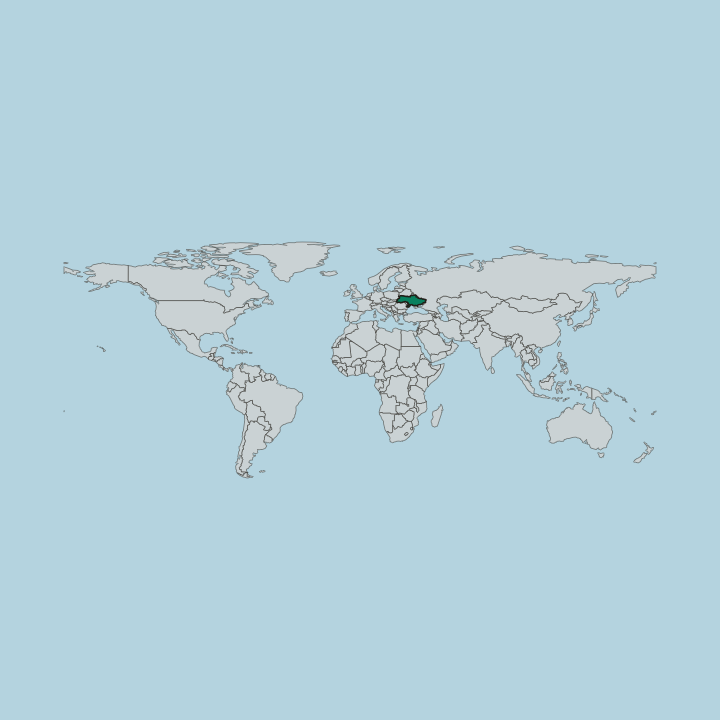
Ternopil sits at the center of Ternopil Oblast, an inland city on the rolling uplands of the surrounding region. Ternopil Castle rises above the old town at its core, and around it the land climbs into the gentle, fertile hills that stretch far from any coast or mountain range, watered by the small rivers threading the region's farmland. Hills roll on every side.
That central setting made the city a natural market seat for the districts that ring it.
What is the climate of Ternopil?
Ternopil has a temperate continental climate shaped by its inland, upland setting in Ternopil Oblast. Summers stay warm. Winters bring frost and snow to the hills around Ternopil Castle, though the cold here is steadier than in the country's far interior, tempered by the region's westerly weather and its position away from the deepest continental extremes.
Spring greens the parks quickly. Autumn turns cool and changeable.
How do you get to Ternopil?
Getting to Ternopil brings travelers to a road and rail hub at the center of Ternopil Oblast. Main lines converge on the city from the surrounding districts and from the larger cities of the region, and the routes run flat and direct across the upland farm country that spreads in every direction. The final leg is short.
Buses and walking carry visitors from the station to Ternopil Castle and the squares.
Common questions
What is the best area to stay in Ternopil?
Castle core: First stays around Ternopil Castle and the main squares. Promenade quarter below the castle: Calmer stays near the parks below the fortress.
Good for
Updated September 2026