Ukraine
Ternopil Oblast, Ukraine — Towns & Travel Guide
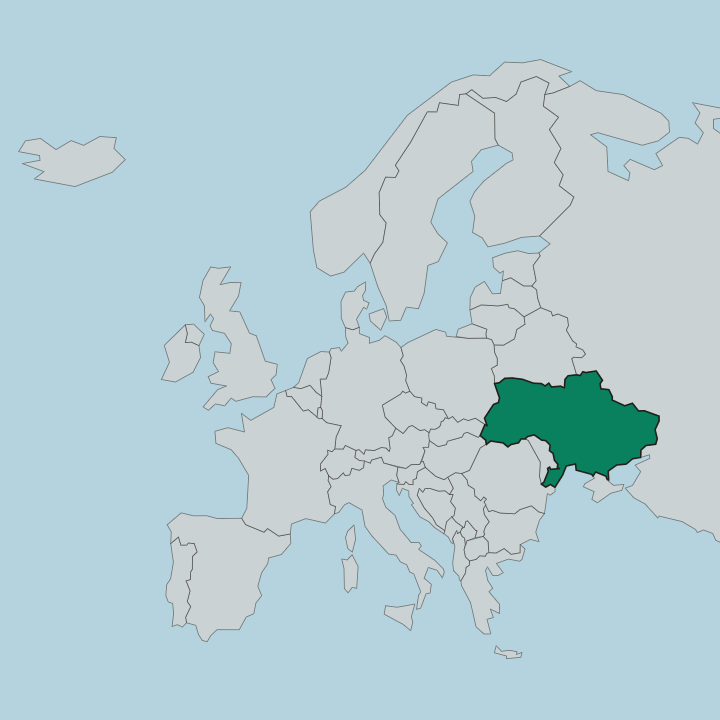
Ternopil Oblast fills the far west of Ukraine, castle country in the historical land of Podolia, where the Dniester carves a long canyon.
Hotel links are affiliate links: booking through them may earn us a commission, at no extra cost to you. It never affects how places are ranked. How this works


Towns & cities in Ternopil Oblast
One town here has its own guide — it links to where to stay.
 Ukraine
Ternopil
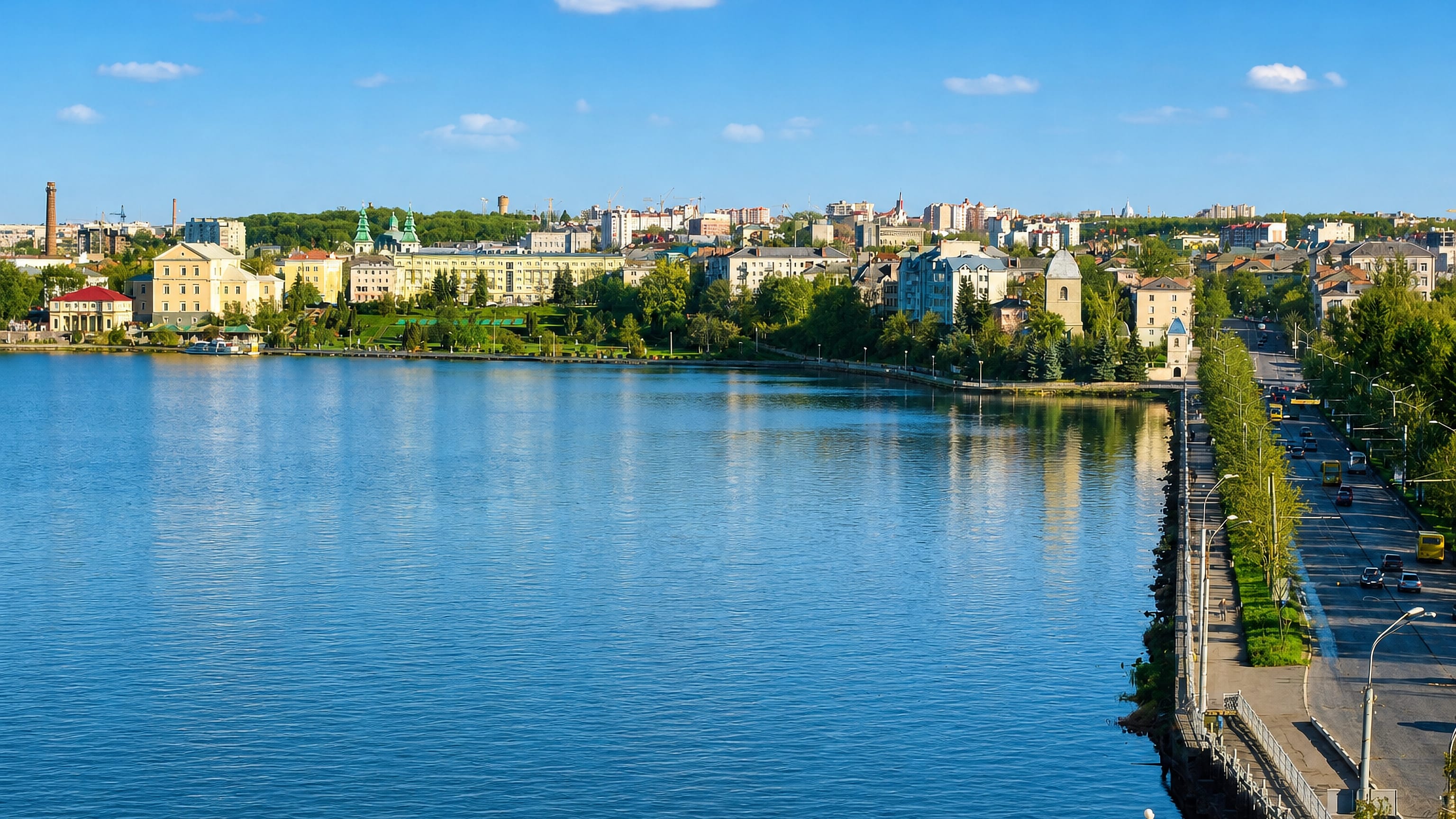
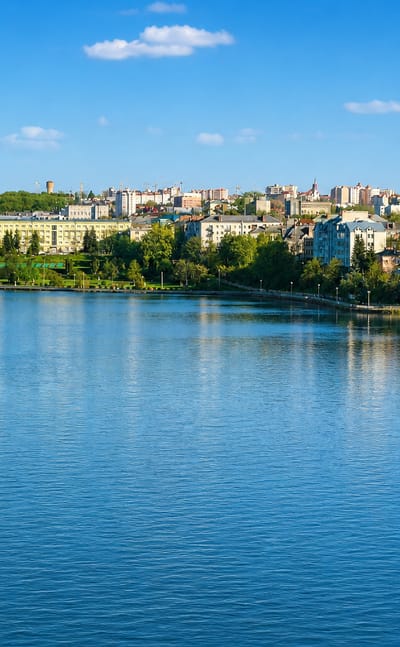
Ternopil Castle stands at the core of Ternopil, the seat of Ternopil Oblast in Ukraine, a city founded in 1540 and known for its churches and museums.Where to stay →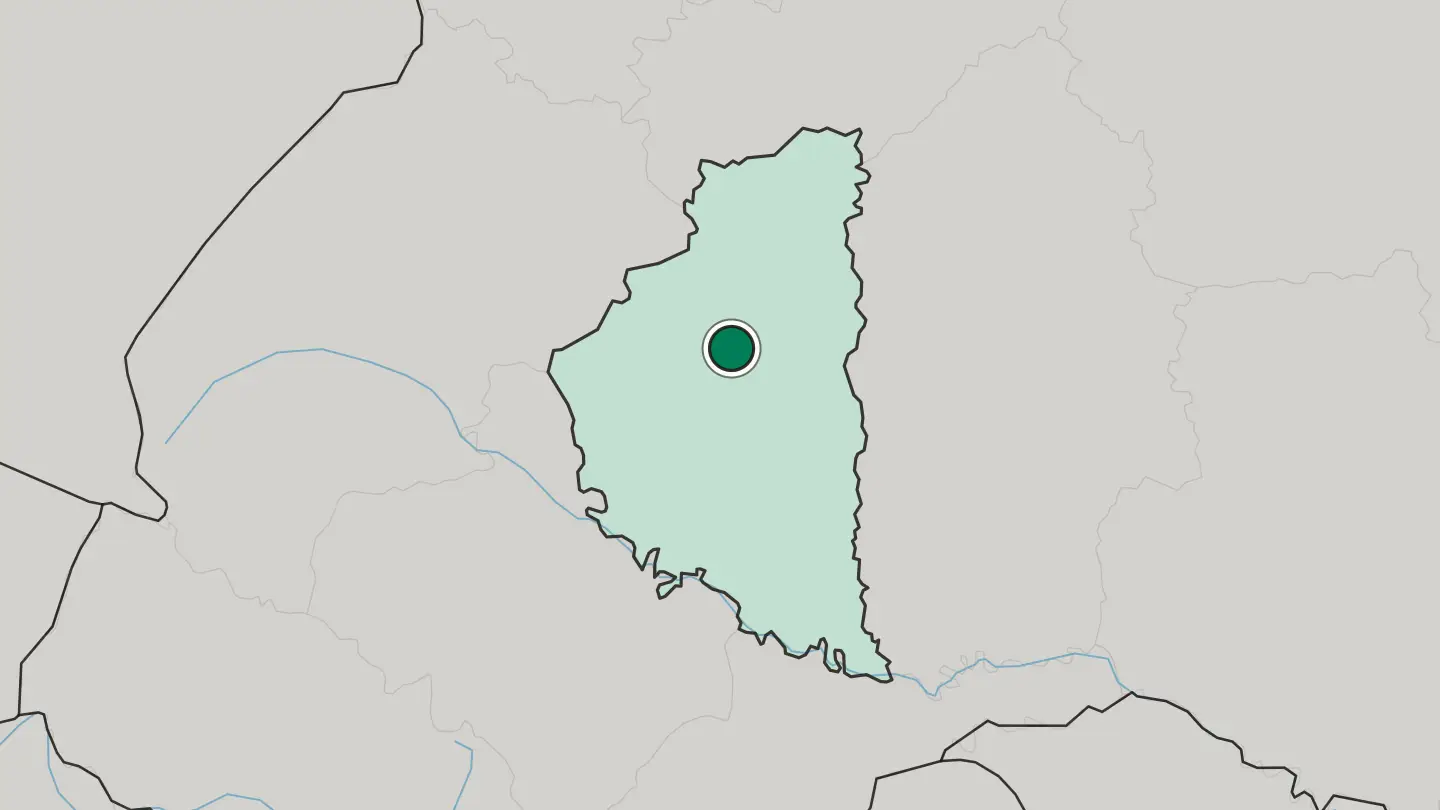
Hotel links are affiliate links: booking through them may earn us a commission, at no extra cost to you. It never affects how places are ranked. How this works
About Ternopil Oblast
What is Ternopil Oblast known for?
Ternopil Oblast sits in the far west of Ukraine, in the historical land of Podolia. Caves define it. Beneath its fields lies the Optymistychna Cave, at 267 kilometres the longest cave in Eurasia, a gypsum labyrinth threading the rock near the Dniester.
The Seret cuts through the regional capital at Ternopil and joins the Dniester downstream, and the river's canyon walls carry more standing castles than any other Ukrainian region. Pilgrims climb to Pochaiv Lavra in the north.
Where is Ternopil Oblast?
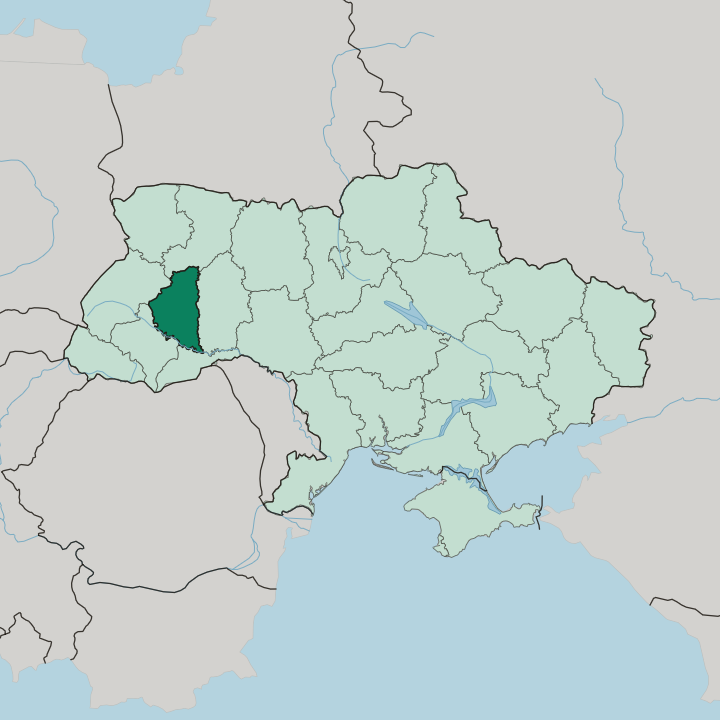
Ternopil Oblast occupies the far west of Ukraine, one of the country's smaller regions by area. It is landlocked, well inland from any sea. Five oblasts ring it: Lviv to the north-west, Rivne to the north, Khmelnytskyi to the east, and Chernivtsi and Ivano-Frankivsk to the south and south-west.
The Dniester forms its southern and south-western boundary, curling through a canyon that runs for 250 kilometres and ranks among Ukraine's natural wonders. Rivers order the whole region. The Seret runs down through Ternopil itself, the Zbruch marks the eastern edge toward Khmelnytskyi, and the Strypa threads the middle, each of them a tributary feeding the Dniester in the south.
The land is the Podolian upland, a plateau of gentle ridges and flat fields cut by these river gorges. Underneath it all is gypsum, dissolved over ages into the longest cave systems in Europe, with the Optymistychna Cave alone winding 267 kilometres through the dark. Most of the oblast lies in Podolia.
Its northern corner around Kremenets edges into old Volhynia, and the west shades into Galicia, the three historical lands meeting here.
What is Ternopil Oblast like?
Ternopil Oblast is one of the most solidly Ukrainian-speaking regions in the country, its towns and villages overwhelmingly Ukrainian in language and church. Faith is visible everywhere. The Greek Catholic and Orthodox traditions share the land, and the great pilgrim monastery of Pochaiv Lavra draws worshippers from across Ukraine to its hilltop above the northern town of Pochaiv.
Castles are the region's signature. The Dniester canyon and the river valleys hold more surviving fortresses than anywhere else in the country, from the walls at Zbarazh to the crumbling towers above Kremenets. This is deep Podolian country.
Folk embroidery, painted eggs, and a strong village tradition run alongside the Galician influences carried west from Lviv, and the whole region keeps its Ukrainian identity fiercely.
What is the history of Ternopil Oblast?
The oblast itself was drawn in 1939, when Soviet lines redrew western Ukraine, but its towns are far older. Kremenets held a castle strong enough to turn back a Mongol siege, and Zbarazh guarded the frontier of the Polish-Lithuanian Commonwealth during the Cossack wars of the seventeenth century. Podolia changed hands for centuries.
Poland, the Habsburgs, and the Russian empire each ruled parts of it before the modern border settled, and the Second World War fell hard on the region's towns.
What is the climate of Ternopil Oblast?
Ternopil Oblast has a moderate continental climate, set by its inland place on the Podolian upland far from any sea. Winter comes down hard on the Ternopil plateau. Frost lingers on the upland.
Snow lies across the plateau through the cold months, while summers turn warm and green, with the heaviest rain falling in the warmer half of the year. The gorges of the Dniester and the Seret trap their own cooler, damper air below the fields. Spring and early autumn are the best seasons for walking the canyon and its castle towns.
How do you get to Ternopil Oblast?
Most travellers reach Ternopil Oblast overland from Lviv, the western Ukrainian hub about two hours away by road. Trains matter most. The regional capital at Ternopil is a busy railway junction, with services arriving from Kyiv, Lviv, and Odesa and a line running on toward the east.
No commercial airport serves the oblast. From Ternopil, road and rail fan out to Kremenets in the north and the Dniester towns strung along the canyon in the south.
Good for
More regions in Ukraine
Updated September 2026