Uganda · Central Region
Where to Stay in Kampala, Central Region
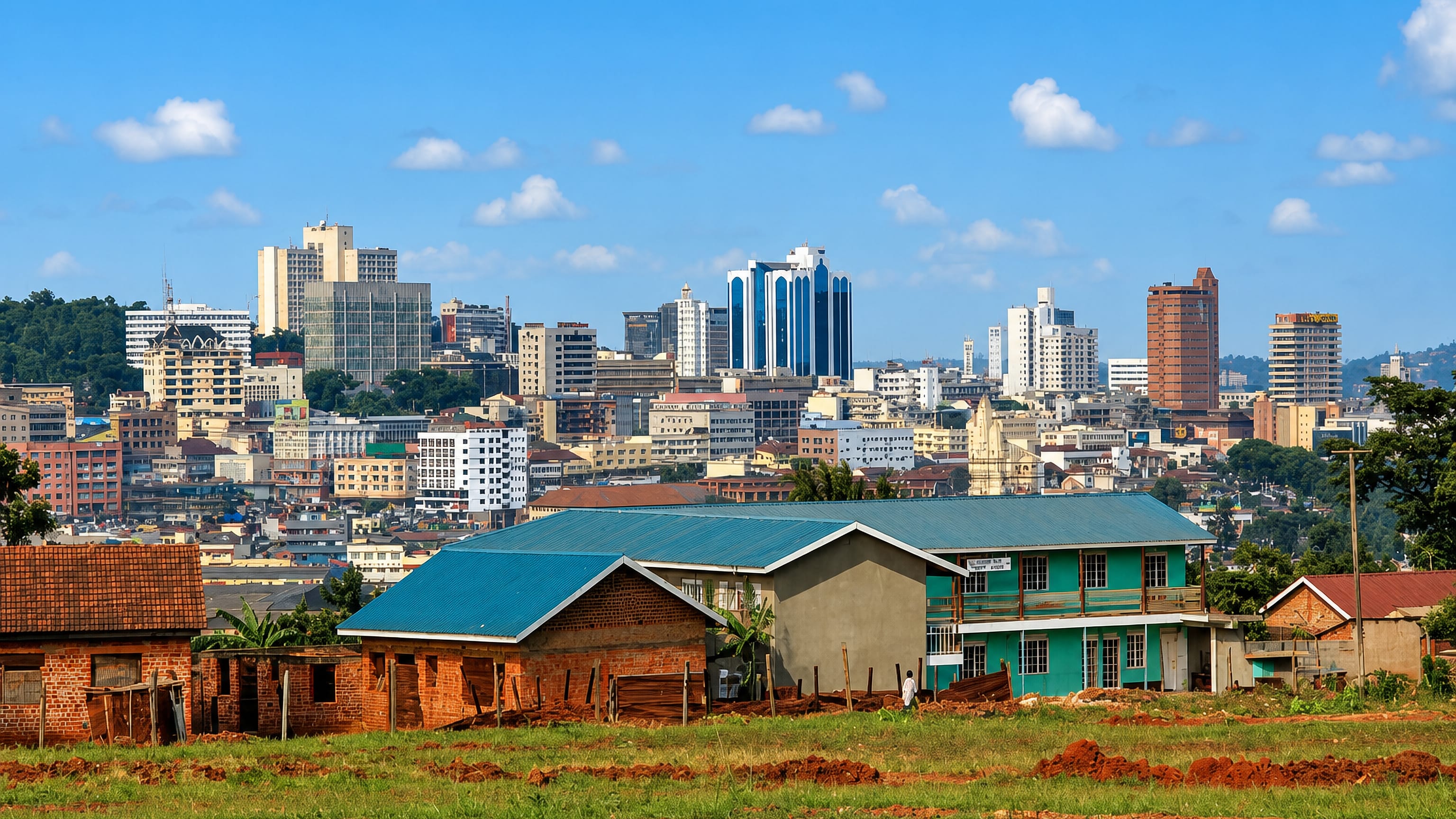
Kampala climbs a cluster of hills above Lake Victoria, Uganda's capital and the seat of Buganda, known for the Kasubi Tombs and the Uganda Museum.
Hotel links are affiliate links: booking through them may earn us a commission, at no extra cost to you. It never affects how places are ranked. How this works


Where to stay in Kampala
The right area depends on your trip — here's what each neighbourhood is best for.

 KampalaUganda
Nakasero
Nakasero is the hill at the centre of Kampala, carrying the city's central business district and the Ugandan Parliament Buildings.Where to stay → KampalaUganda
Makerere
Makerere is a Kampala neighbourhood on one of the seven hills of the city's founding, and it holds the Makerere University Zoological Museum.Where to stay →Hotel links are affiliate links: booking through them may earn us a commission, at no extra cost to you. It never affects how places are ranked. How this works
Find hotels in Kampala
Direct booking searches for these neighbourhoods.
Kampala Central
The commercial core packs the widest bed choice beside the Independence Monument and the Grand Imperial Hotel.Find hotels in Kampala CentralCathedral heritage around Namirembe and the Kasubi TombsRubaga
The old ecclesiastical hill climbs around Namirembe Cathedral and sits close to the Kasubi Tombs.Find hotels in RubagaQuiet leafy embassy streets nearer Lake VictoriaMakindye
A greener southern quarter running down toward Lake Victoria along calm embassy roads.Find hotels in MakindyeSports at the Lugogo Cricket Oval and the Jinja roadNakawa
An eastern university and industrial area beside the Lugogo Cricket Oval and the highway to Jinja.Find hotels in NakawaWorkaday value along the northern highwayKawempe
A dense northern district strung along the trunk highway out of the city.Find hotels in KawempeHotel links are affiliate links: booking through them may earn us a commission, at no extra cost to you. It never affects how places are ranked. How this works
Things to do in Kampala
Ranked by global recognition; descriptions from Wikidata (CC0).
Museums & Galleries
3- Uganda Museum Heritage
- Fort Lugard Heritage
- Nommo Gallery Heritage
Churches & Religious Sites
3- Namirembe Cathedral Heritage
- All Saints' Cathedral, Kampala Heritage
- St. Matia Mulumba Heritage
Castles & Historic Sites
8- Kasubi Tombs UNESCO
- Grand Imperial Hotel Heritage
- Independence Monument Heritage
- Clock Tower Heritage
- Constitutional Square Heritage
Show 3 more →
- CHOGM Monument Heritage
- Kololo hero monument Heritage
- Kisingiri's House Heritage
Stadiums & Sports
3- Lugogo Cricket Oval
- Kyadondo Rugby Club
- Sharing Youth Center
Landmarks & Notable Places
1- Butikkiro Heritage
worth knowingacross 5 categories in Kampala
About Kampala
What is Kampala known for?
Kampala is known as Uganda's capital and largest city, the seat of the Buganda kingdom spread over a run of green hills. Locals call it the City of Seven Hills. The Kasubi Tombs hold the royal burial ground of the kabakas, while Namirembe Cathedral and the Uganda Museum draw visitors up the ridges above the centre.
Markets, boda-boda motorbikes, and the drumming of Ganda tradition fill its streets.
What are the main landmarks in Kampala?
Kampala's landmarks range across its hills. The Kasubi Tombs, the thatched royal burial ground of the Buganda kabakas, crown one ridge, while Namirembe Cathedral and All Saints' Cathedral hold others. In the centre stand the Independence Monument and Constitutional Square, and the Uganda Museum gathers the country's regalia and instruments.
Fort Lugard marks Old Kampala hill, the city's original nucleus. Nommo Gallery shows Ugandan art nearby.
What is the history of Kampala?
Kampala began as a set of royal hills of the Buganda kingdom, where the kabakas kept their courts long before any town rose. The name is said to come from the hill of the impala once grazed by the king. British administration arrived in the 1890s, when Frederick Lugard raised Fort Lugard on Old Kampala hill and set the colonial nucleus there.
Around it a town grew. Through the colonial decades the settlement spread from hill to hill, absorbing the Buganda royal sites like the Kasubi Tombs, which had held the burials of the kabakas since the late 19th century. At independence in 1962 Kampala became the capital of Uganda, taking the role that the lakeside town of Entebbe had earlier played under British rule.
The Independence Monument in the centre marks that moment. Turbulent years followed under later governments, and parts of the city were rebuilt. The old kingdom endures still, its cathedrals and tombs standing above the modern streets that climb every ridge.
Where is Kampala?
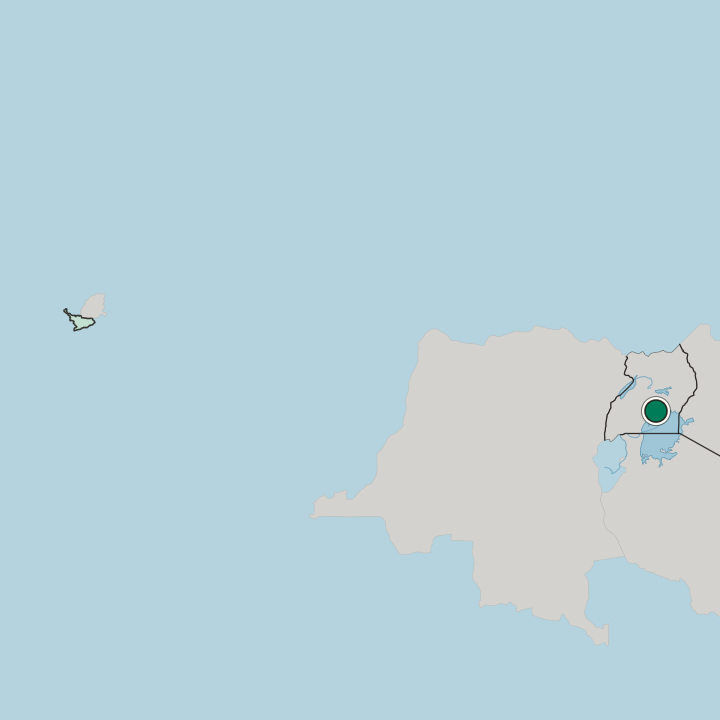
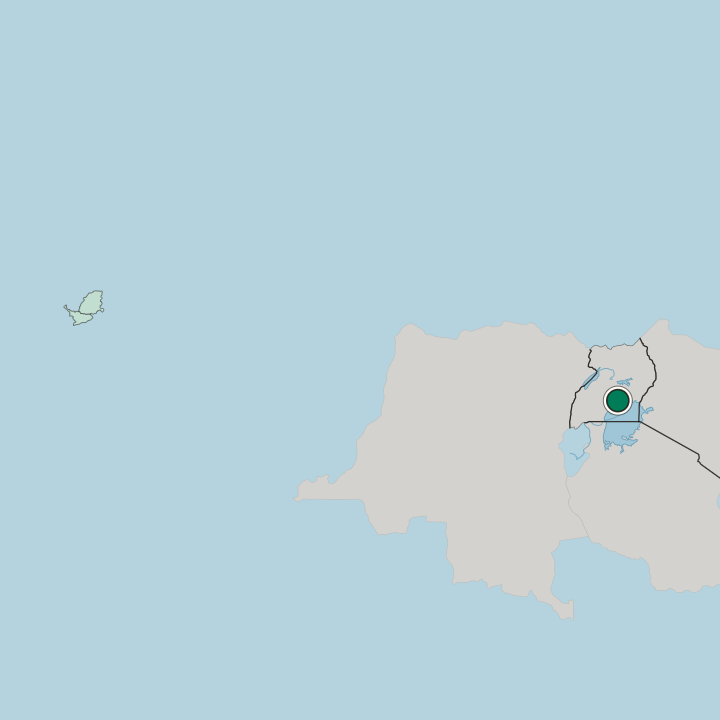
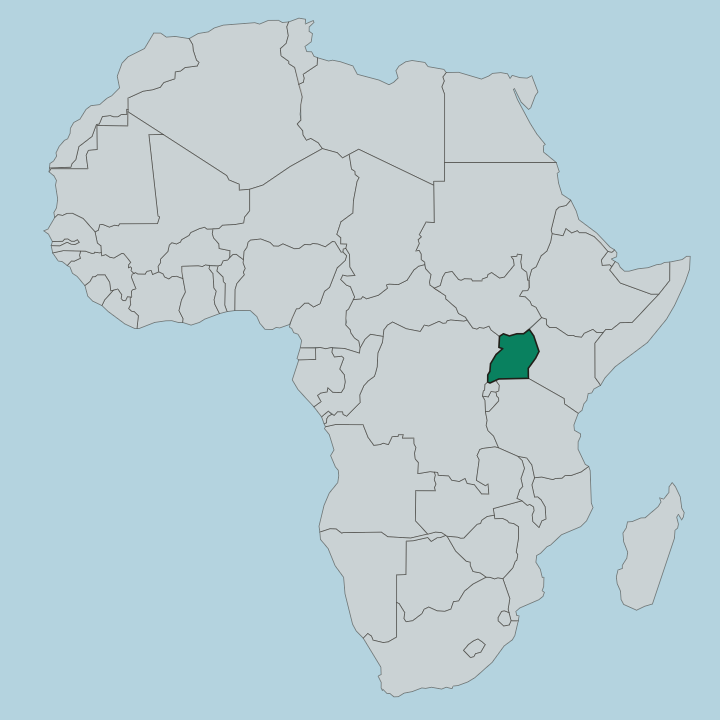
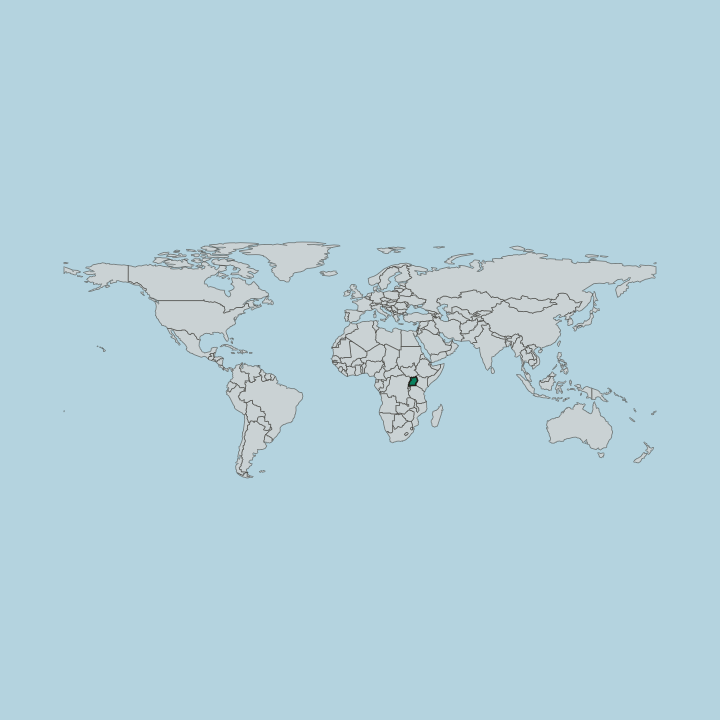
Kampala sits in Central Region on a cluster of hills back from the northern shore of Lake Victoria, the great inland sea that feeds the Nile away to the east at Jinja. The city climbs and dips across these ridges, with wetlands and papyrus swamps in the valleys between them. Red-soil slopes carry the built-up quarters.
Entebbe lies south on a lake peninsula, while the land rolls away north as gentle plateau.
What is the climate of Kampala?
Kampala has a warm equatorial climate, tempered by altitude and the broad expanse of Lake Victoria. Days stay green and mild. Two wetter spells, one early in the year and a longer one toward its close, bring afternoon storms, while the lake keeps the air humid and holds the temperature steady through the seasons.
Nights turn pleasantly cool on the hills.
How do you get to Kampala?
Kampala is reached through Uganda's main international airport at Entebbe, on Lake Victoria a short drive to the south. From the airport a road runs north into the city, and buses and shared taxis link Kampala with towns across the country. The highway east toward Jinja and the Nile carries heavy traffic.
Boda-boda motorbikes thread the busy central streets.
Common questions
What is the best area to stay in Kampala?
Kampala Central: First-timers wanting the Independence Monument and central markets. Rubaga: Cathedral heritage around Namirembe and the Kasubi Tombs. Makindye: Quiet leafy embassy streets nearer Lake Victoria. Nakawa: Sports at the Lugogo Cricket Oval and the Jinja road. Kawempe: Workaday value along the northern highway.
Good for
Another city in Central Region
Updated October 2026