United States · Alaska
Where to Stay in Anchorage, Alaska
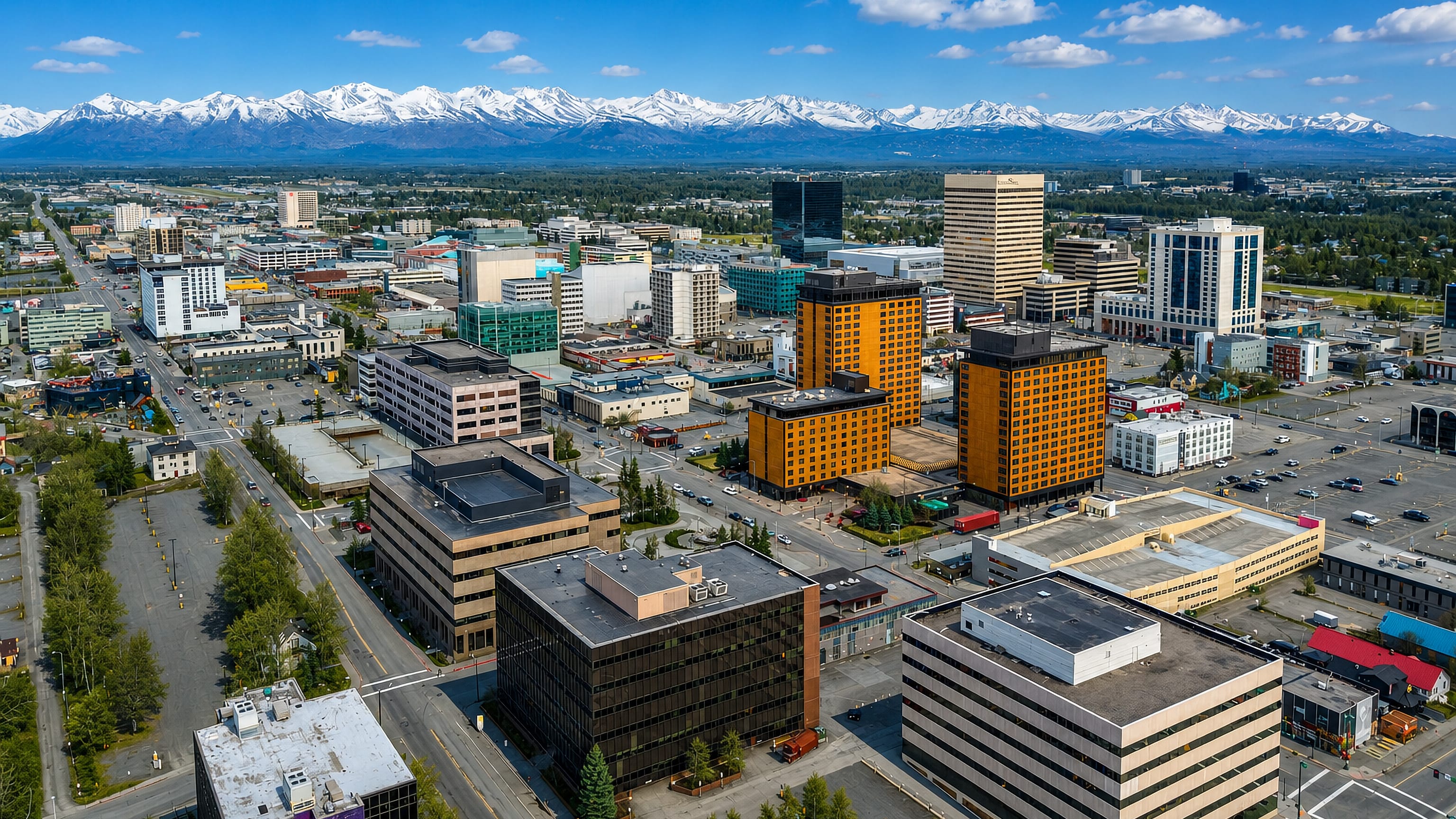
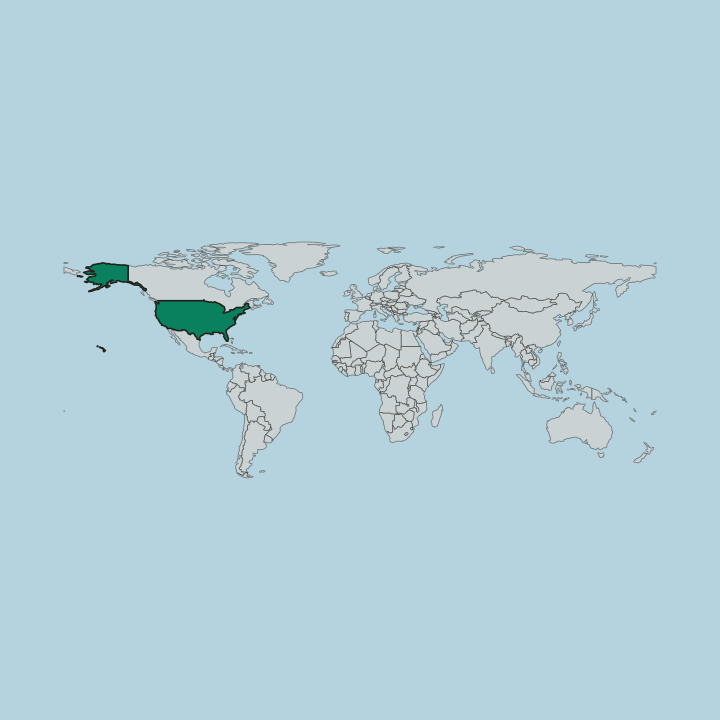
Cook Inlet frames Anchorage, the largest city in Alaska, a port and municipality known for the Anchorage Museum above the water.
Hotel links are affiliate links: booking through them may earn us a commission, at no extra cost to you. It never affects how places are ranked. How this works


Where to stay in Anchorage
Each area has its own feel; here's who each one suits.

 AnchorageUnited Stateswalking to the Anchorage Museum and the port
Downtown Anchorage
Downtown Anchorage puts the Anchorage Museum, the Oscar Anderson House Museum, and the Cook Inlet port within one walk.Downtown Anchorage → AnchorageUnited States
Government Hill
Government Hill is Anchorage's oldest neighbourhood, a bluff of railroad cottages north of downtown across Ship Creek.Where to stay → AnchorageUnited States
Bootleggers Cove
Bootleggers Cove is a historic residential neighbourhood of Anchorage, set on a bluff above Cook Inlet.Where to stay → AnchorageUnited States
Spenard
Spenard is a working neighbourhood on the western edge of Anchorage, laced with lakes and float-plane docks.Where to stay →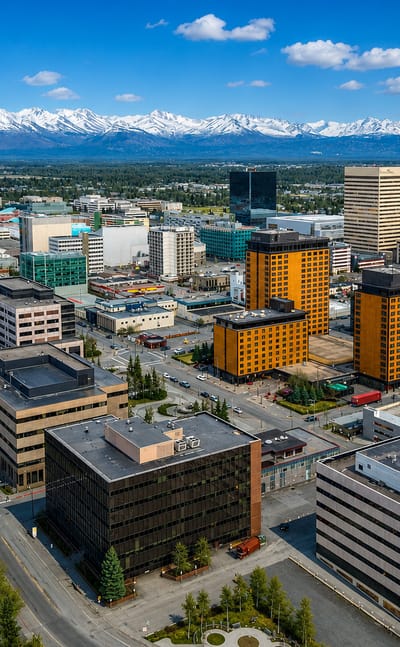 AnchorageUnited States
Mountain View
Mountain View is a working neighbourhood of Anchorage, named for the Chugach Mountains that fill its eastern skyline.Where to stay → AnchorageUnited States
Sand Lake
Sand Lake is a lakeside neighbourhood on the west side of Anchorage, in Alaska, named for the water at its heart.Where to stay →AnchorageUnited StatesPortage
Portage is a far-flung district of Anchorage in Alaska, home of the Alaska Wildlife Conservation Center.Where to stay →Hotel links are affiliate links: booking through them may earn us a commission, at no extra cost to you. It never affects how places are ranked. How this works
Find hotels in Anchorage
Direct booking searches for these neighbourhoods.
Girdwood
Girdwood lies south of central Anchorage down the highway, trading the downtown core for cabins and lodges away from Cook Inlet.Find hotels in Girdwoodspace north toward the Matanuska-Susitna BoroughEagle River
Eagle River and Chugiak sit north of central Anchorage toward the Matanuska-Susitna Borough, quieter rooms a drive from downtown.Find hotels in Eagle RiverHotel links are affiliate links: booking through them may earn us a commission, at no extra cost to you. It never affects how places are ranked. How this works
Things to do in Anchorage
Ranked by global recognition; descriptions from Wikidata (CC0).
Museums & Galleries
3- Oscar Anderson House Museum Heritage
- Anchorage Museum
- Alaska Aviation Museum
Churches & Religious Sites
3- All Saints Episcopal Church (Anchorage, Alaska)
- Anchorage Love Church (Anchorage, Alaska)
- Iglesia La Luz Del Mundo (Anchorage, Alaska)
Landmarks & Notable Places
5- Oscar Gill House Heritage
- Leopold David House Heritage
- Alaska Engineering Commission Cottage No. 23 Heritage
- Alaska Engineering Commission Cottage No. 25 Heritage
- Civil Works Residential Dwellings Heritage
worth knowingacross 3 categories in Anchorage
About Anchorage
What is Anchorage known for?
Anchorage is known as the largest city in Alaska and its main port on Cook Inlet. The water sets the city. The Anchorage Museum anchors the downtown cultural core, while the Oscar Anderson House Museum keeps one of the old homes near the water, and the port trade still runs on Cook Inlet.
Beds, flights, and rail all gather here.
What are the main landmarks in Anchorage?
Anchorage gathers its heritage buildings around the downtown core near Cook Inlet. The old town holds them. The Anchorage Museum stands at the centre, while the Oscar Anderson House Museum and the Leopold David House survive from the early town, and the Oscar Gill House and the Civil Works Residential Dwellings mark the early residential streets.
All Saints Episcopal Church rises nearby. The inlet lies below.
What is the history of Anchorage?
Anchorage was founded in 1914 on the flats above Cook Inlet in Alaska. The inlet made the site. The town began as a small settlement on the water and grew over the following century into the largest city and main port of Alaska, the seat of a consolidated municipality on Cook Inlet.
Its first frame houses went up downtown. The Oscar Anderson House Museum, the Leopold David House, and the Oscar Gill House survive from those early years above the inlet. The early houses cluster still near the shore.
Anchorage became a consolidated city-borough, joining the city and its outlying land into one municipality. The borders were drawn wide. Muldoon Road bounds it to the east and Rabbit Creek Road to the south, while Cook Inlet closes the north and west and outlying communities such as Eagle River, Chugiak, and Girdwood came under the same municipal roof.
The Civil Works Residential Dwellings and All Saints Episcopal Church remain from the decades when the townsite filled out into a full municipality above Cook Inlet. Downtown, the Anchorage Museum keeps the record of that growth. The city still faces the water it grew from, the fourth-largest by area in the country.
Where is Anchorage?
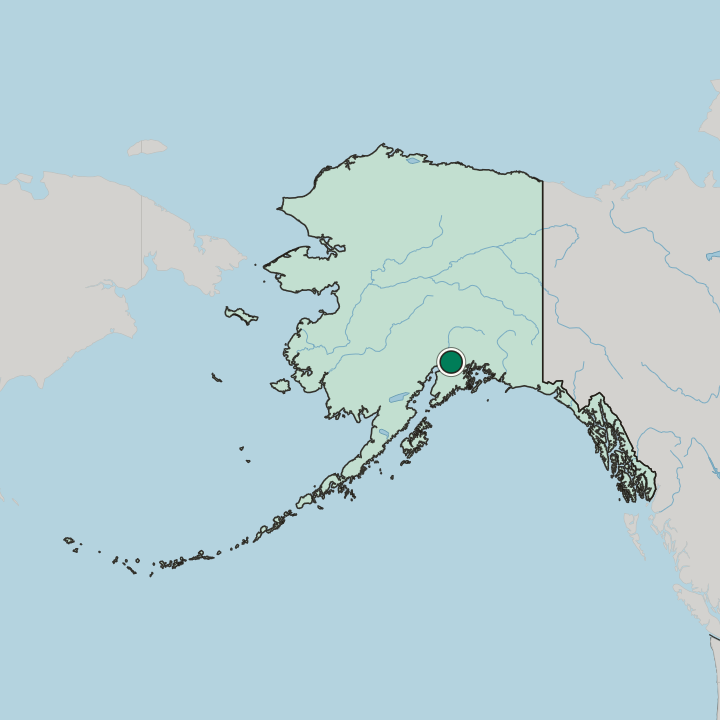
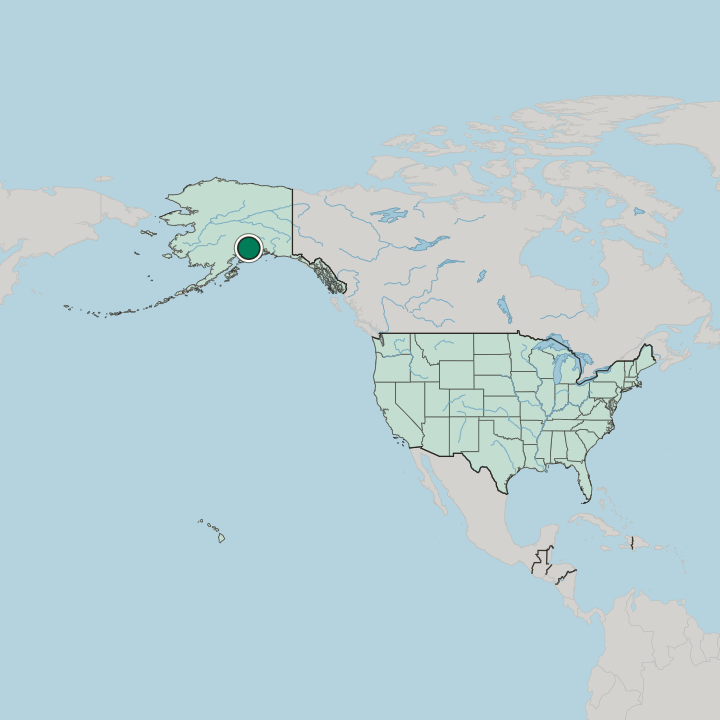
Anchorage sits on Cook Inlet in Alaska, spread across a broad lowland between the water and the highways. Water and road hem it in. The city runs east to Muldoon Road and south to Rabbit Creek Road, with Cook Inlet along the north and west, and the municipality reaches out to Eagle River, Chugiak, and Girdwood.
The Matanuska-Susitna Borough lies beyond.
What is the climate of Anchorage?
Anchorage carries a cold northern climate softened along Cook Inlet in Alaska. The water tempers the edges. Winters run long and snowy on the inlet, summers stay short and cool under the northern light, and the sea keeps the coast milder than the interior of Alaska.
Cook Inlet holds the cold and the damp along the Anchorage shore through the dark months.
How do you get to Anchorage?
Anchorage is reached by air, by rail, by road, and by sea across Cook Inlet. Routes meet on the inlet. Flights land at the city's airport, trains run north and south through Alaska, and highways carry traffic past Eagle River and Chugiak and down toward Girdwood.
The port works the water. Cook Inlet carries the freight to the Anchorage docks below the town.
Common questions
What is the best area to stay in Anchorage?
Downtown Anchorage: walking to the Anchorage Museum and the port. Girdwood: quiet lodges south of the port. Eagle River: space north toward the Matanuska-Susitna Borough.
Good for
Updated September 2026