United States · Georgia
Where to Stay in Columbus, Georgia
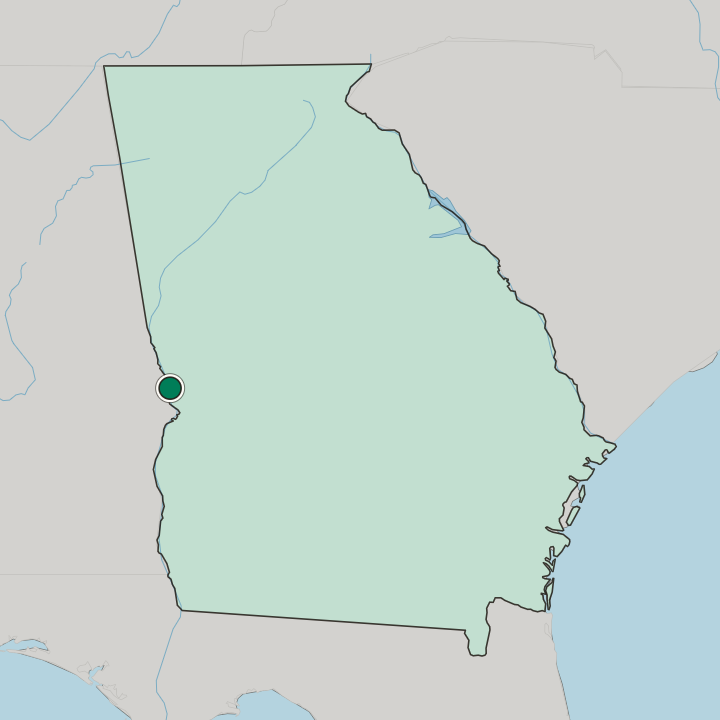
Columbus, founded in 1828, is a consolidated city-county on the Chattahoochee River, facing Phenix City, Alabama from the Georgia bank.
Hotel links are affiliate links: booking through them may earn us a commission, at no extra cost to you. It never affects how places are ranked. How this works


Where to stay in Columbus
The practical side of choosing where to sleep.
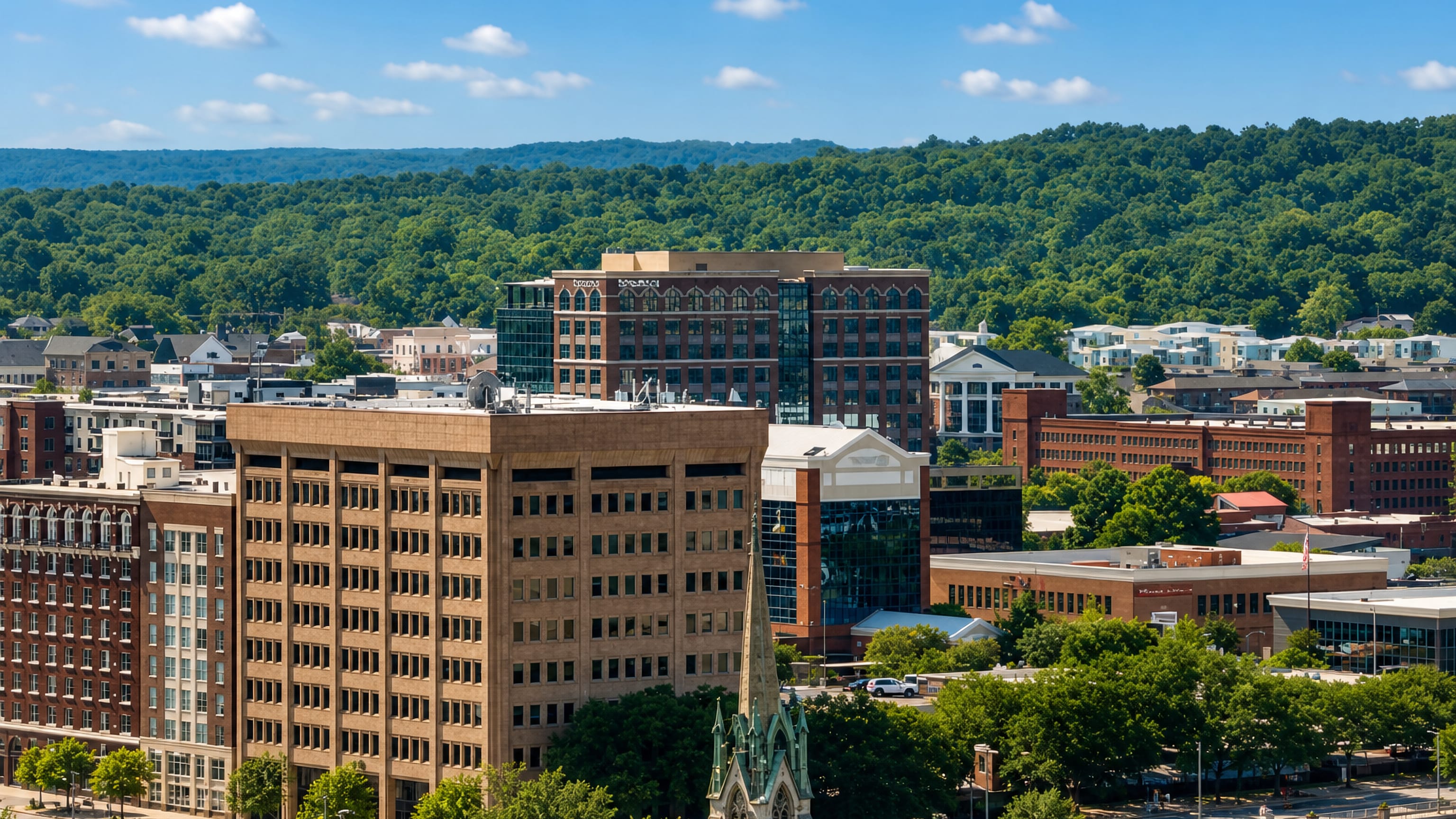
The Chattahoochee River decides the map. Columbus faces Phenix City, Alabama from the Georgia bank, and a room on the water puts the state line, the ground beside it and the older streets behind within one short circuit. Downtown holds the museums.
Columbus Collective Museums and the Lunchbox Museum sit on this side, with the Georgia Radio Hall of Fame among them. Old houses make the second choice. Wynnwood, Dinglewood House and The Cedars are the kept homes of the city, and beds among them trade river frontage for quiet.
Carson McCullers has a centre here. The Carson McCullers Center for Writers and Musicians draws a different kind of visit, and it is the one literary name Columbus keeps on its register. Fort Benning changes the calculation.
Stays tied to the post favour the side of Muscogee County nearest it, which suits anyone whose reason for coming is the post rather than the Chattahoochee River. Bibb City joined late. It dissolved its own charter and merged into the consolidated city in 2000, which is how completely Columbus and Muscogee County became a single administration.
Find hotels in Columbus
Direct booking searches for these neighbourhoods.
The Chattahoochee bank
The Georgia bank of the Chattahoochee River, with Alabama in view and the Columbus Collective Museums a few blocks back from the water.Find hotels in The Chattahoochee bankquiet nights near Wynnwood and Dinglewood HouseThe Wynnwood house streets
The residential blocks holding Wynnwood, Dinglewood House and The Cedars, quieter than the Chattahoochee bank and away from the museum traffic. Few places to stay nearby — book ahead.Find hotels in The Wynnwood house streetsstays whose reason for coming is Fort BenningThe Fort Benning side
The part of Muscogee County lying nearest Fort Benning, chosen for the post rather than for downtown Columbus.Find hotels in The Fort Benning sideHotel links are affiliate links: booking through them may earn us a commission, at no extra cost to you. It never affects how places are ranked. How this works
Things to do in Columbus
Ranked by global recognition; descriptions from Wikidata (CC0).
Museums & Galleries
3- Georgia Radio Hall of Fame
- Columbus Collective Museums
- Lunchbox Museum
Landmarks & Notable Places
6- St. Elmo Heritage
- Dinglewood House Heritage
- Wynnwood Heritage
- John W. Woolfolk House Heritage
- Robert E. Dismukes Sr. House Heritage
Show 1 more →
- The Cedars Heritage
worth knowingacross 2 categories in Columbus
About Columbus
The river is the border.
What is Columbus known for?
Columbus stands on the Chattahoochee River directly across from Phenix City, Alabama, and its own attractions run from the Lunchbox Museum to the Carson McCullers Center for Writers and Musicians. Fort Benning lies nearby. Columbus Collective Museums and the Georgia Radio Hall of Fame round out a list that no other city in Muscogee County shares.
What are the main landmarks in Columbus?
Ten names hold the register. Wynnwood, Dinglewood House and The Cedars are the kept houses of Columbus, and three more house entries stand beside them, one of them borrowing a saint's name. Two museums are unusual.
Lunchbox Museum collects exactly what its name says, while the Georgia Radio Hall of Fame honours broadcasting rather than any building of the city. Columbus Collective Museums and the Carson McCullers Center for Writers and Musicians complete it.
What is the history of Columbus?
Columbus dates from 1828. The city was laid out on the Chattahoochee River at the west-central border of Georgia, which put Alabama within sight of its first streets and made the river a working boundary from the beginning. Muscogee County grew around it.
The two governments merged in 1970, and Columbus has been a consolidated city-county ever since. Bibb City stayed out at first. It kept its own charter through the original merger, dissolving it in 2000 to join the consolidated city and closing the last gap in the county's administration.
Houses record the older town. Wynnwood, Dinglewood House and The Cedars stand among the buildings kept from the city's earlier decades, and three more houses on the register belong to the same period. Writing gave the city another name.
Carson McCullers Center for Writers and Musicians carries the author's name here, while the Lunchbox Museum and the Georgia Radio Hall of Fame record the odder side of what Columbus collects. Fort Benning sits alongside. The post's nearness is one of the facts the city is known by, named with the Chattahoochee River and the Classic Heartland country around it.
Where is Columbus?
Columbus covers about 572 square kilometres. The Chattahoochee River makes its western edge, dividing the city from Phenix City, Alabama, while Muscogee County fills out the rest of the consolidated ground in Georgia's Classic Heartland. Subtropical air covers it.
St. Elmo and Wynnwood stand back from the water among the older streets.
What is the climate of Columbus?
The Chattahoochee keeps the air damp. Columbus lies in the subtropical band of the northern hemisphere, where the Classic Heartland country of Georgia holds its heat well into the evening through the long middle of the year. Indoor stops are easy.
Lunchbox Museum, the Georgia Radio Hall of Fame and the Carson McCullers Center for Writers and Musicians take the hottest hours, and the Chattahoochee bank works better early.
How do you get to Columbus?
Two states meet here. Arrivals from Alabama cross the Chattahoochee River out of Phenix City straight into Columbus, while traffic from within Georgia comes in across Muscogee County to the same consolidated centre. Fort Benning brings its own.
The post is named among the things the city is known for, and once inside, Columbus Collective Museums and the Carson McCullers Center for Writers and Musicians are the addresses most visits ask for.
Common questions
What is the best area to stay in Columbus?
The Chattahoochee bank: rooms looking across the Chattahoochee River to Phenix City. The Wynnwood house streets: quiet nights near Wynnwood and Dinglewood House. The Fort Benning side: stays whose reason for coming is Fort Benning.
Good for
More cities in Georgia
Updated September 2026