United States · Nebraska
Where to Stay in Lincoln, Nebraska
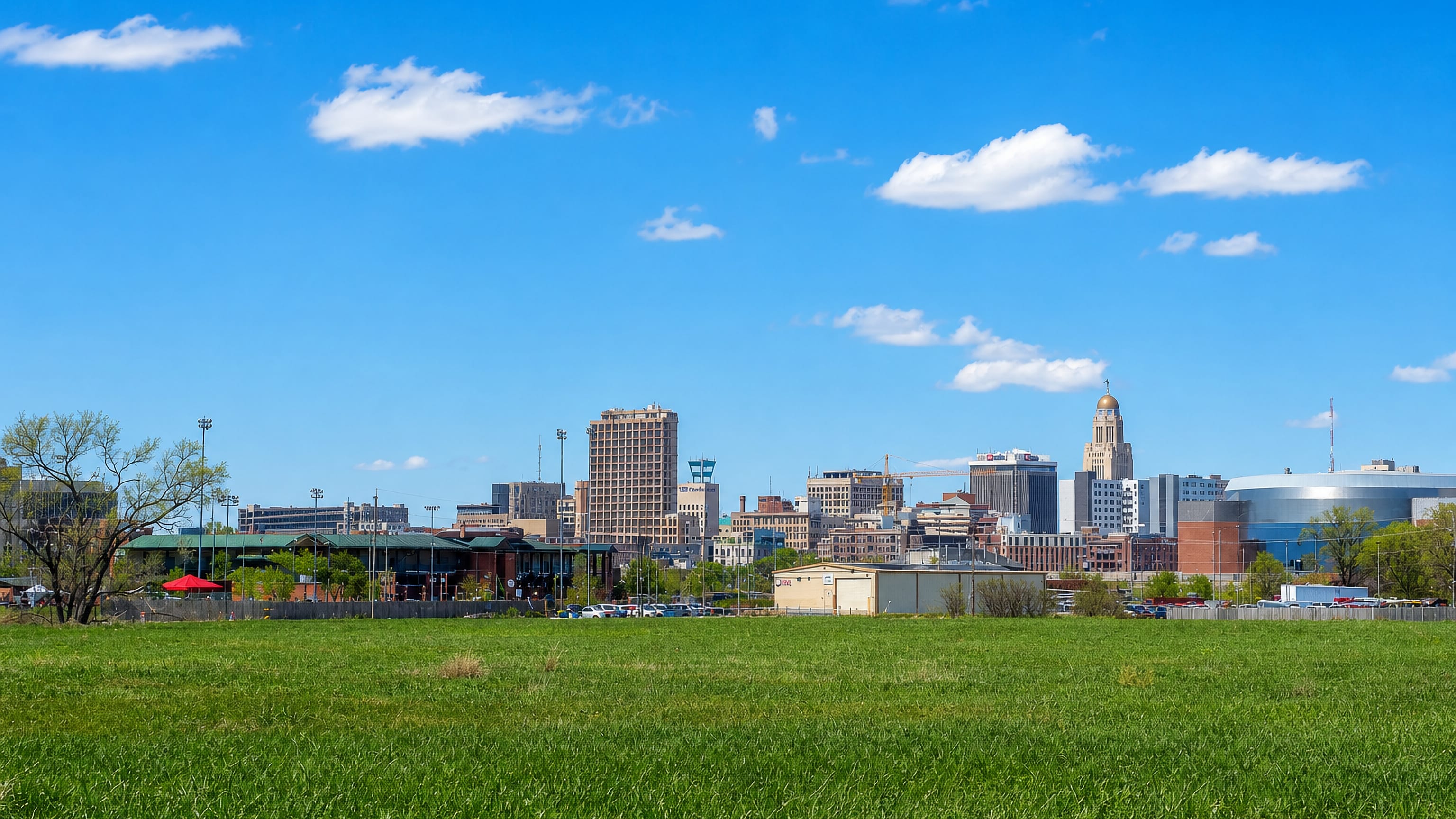
Lincoln is the capital of Nebraska, a prairie city laid out in 1856 and gathered around the University of Nebraska on the open plains.
Hotel links are affiliate links: booking through them may earn us a commission, at no extra cost to you. It never affects how places are ranked. How this works


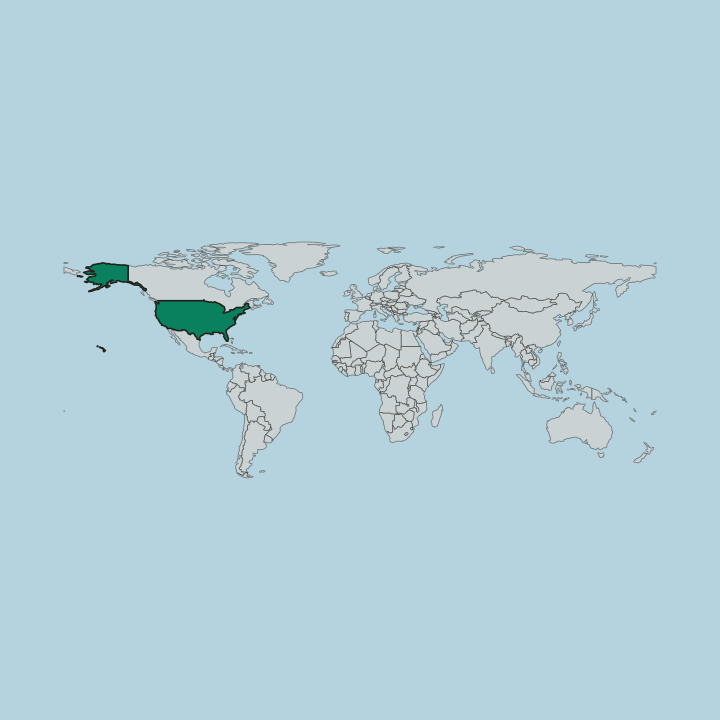
Where to stay in Lincoln
The practical side of choosing where to sleep.
Where you stay in Lincoln depends on whether you want the capital's core or the campus at your door. Downtown, near the Sheldon Museum of Art and the state institutions, gives the most central footing, with the University of Nebraska and its museums a short walk off. Choose this ground if you want galleries, the Great Plains Art Museum, and government buildings within reach on foot.
The Haymarket end of downtown, an old warehouse quarter of brick, turns lively on game days and suits visitors who want restaurants and nightlife close at hand. Families often base themselves nearer the Lincoln Children's Zoo, a calmer residential footing away from the centre. The prairie edges the built-up streets on every side.
Distances stay modest across town.
Find hotels in Lincoln
Direct booking searches for these neighbourhoods.
Downtown and campus
Central streets around the Sheldon Museum of Art and the Great Plains Art Museum, campus a short walk off.Find hotels in Downtown and campusRestaurants and game-day nightsHaymarket
An old brick warehouse quarter of the University of Nebraska city that fills with crowds on game days.Find hotels in HaymarketFamily staysZoo-side neighbourhoods
A quieter residential footing near the Lincoln Children's Zoo, away from the downtown bustle.Find hotels in Zoo-side neighbourhoodsHotel links are affiliate links: booking through them may earn us a commission, at no extra cost to you. It never affects how places are ranked. How this works
Things to do in Lincoln
Ranked by global recognition; descriptions from Wikidata (CC0).
Museums & Galleries
2- Sheldon Museum of Art Heritage
- Great Plains Art Museum
Stadiums & Sports
1- Ice Box
Landmarks & Notable Places
8- William Jennings Bryan House Heritage
- Thomas P. Kennard House Heritage
- Arthur C. Ziemer House Heritage
- William H. Ferguson House Heritage
- Frank and Nelle Cochrane Woods House Heritage
Show 3 more →
- Park Hill Heritage
- John M. Thayer House Heritage
- Guy A. Brown House Heritage
worth knowingacross 3 categories in Lincoln
About Lincoln
What is Lincoln known for?
Lincoln is known as Nebraska's capital and the home of its state university. The Sheldon Museum of Art and the University of Nebraska State Museum sit at the heart of campus life. Families fill the Lincoln Children's Zoo on warm days.
The William Jennings Bryan House recalls the orator who once lived here. Prairie surrounds it all.
What are the main landmarks in Lincoln?
The main landmarks in Lincoln cluster near the university and the old streets around it. Two galleries anchor the list, since the Sheldon Museum of Art and the Great Plains Art Museum hold the city's picture collections while the University of Nebraska State Museum keeps its natural-history halls. Early homes survive in the William Jennings Bryan House and the Thomas P. Kennard House.
Families head to the Lincoln Children's Zoo. Brick fronts line the way.
What is the history of Lincoln?
Lincoln was laid out in 1856 on the flat prairie of Nebraska and chosen soon after as the young state's capital. The town took the name of a president killed at the close of the Civil War. Settlers built the first frame and brick homes on the grid, among them the Thomas P. Kennard House, raised for one of the men who fixed the capital here.
The University of Nebraska followed. Farming and the railroad carried the early decades, and grain moving east built the first fortunes on the plains. The city grew into a seat of learning and government through the century that followed.
The orator William Jennings Bryan made his home here, and the William Jennings Bryan House still stands from those years. Old frame residences such as the Ferguson House and the Thayer House survive along the shaded older streets, kept up long after the families who raised them had gone. Later the Sheldon Museum of Art gave the campus a home for its collections.
The prairie shaped it all.
Where is Lincoln?
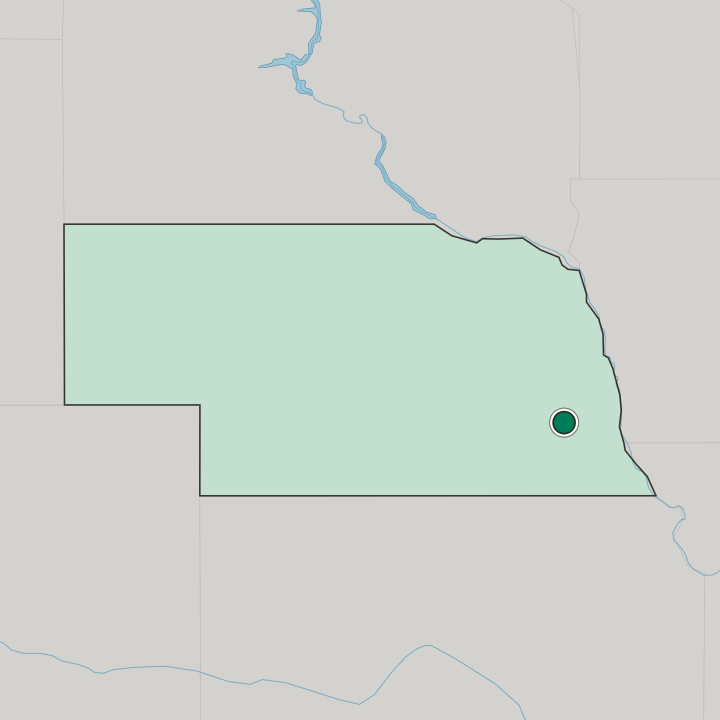
Lincoln stands on the level tallgrass prairie of eastern Nebraska. Low creek valleys cut the flat ground around the built-up centre, with wide farmland running out past the edge of town. The university streets and the blocks near the Sheldon Museum of Art sit on easy grades.
Grain fields press to the outskirts. The horizon lies flat and far.
What is the climate of Lincoln?
Lincoln has a continental climate marked by sharp swings across the year. Summers run hot over the surrounding prairie of Nebraska, and winters turn cold with snow and hard wind off the plains. Spring brings thunderstorms and the risk of severe weather.
Autumn stays crisp and clear. The open plains shape every season.
How do you get to Lincoln?
Lincoln sits on the interstate that crosses the Nebraska plains, and most visitors arrive by car. The city's airport handles connecting flights, and a larger hub lies a short drive away. Trains still stop on the transcontinental line through town.
Buses reach the surrounding farm towns. The grid makes the centre easy to find.
Common questions
What is the best area to stay in Lincoln?
Downtown and campus: Galleries and the state university on foot. Haymarket: Restaurants and game-day nights. Zoo-side neighbourhoods: Family stays.
Good for
More cities in Nebraska
Updated September 2026