United States · Nebraska
Where to Stay in Omaha, Nebraska
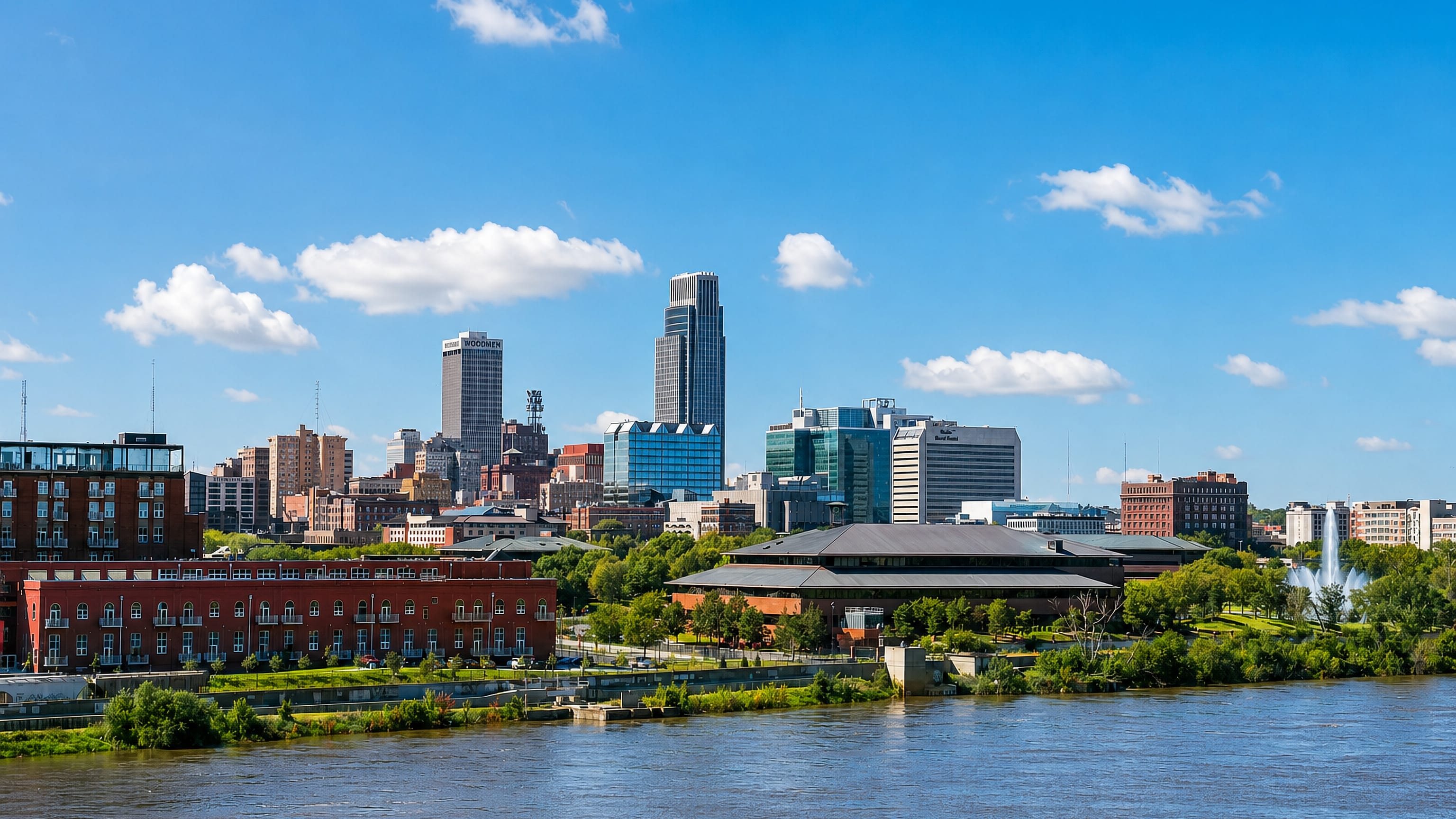
Warehouses line the Old Market over the Missouri River in Omaha, Nebraska's largest city, with the Joslyn Art Museum and its Henry Doorly Zoo and Aquarium.
Hotel links are affiliate links: booking through them may earn us a commission, at no extra cost to you. It never affects how places are ranked. How this works


Where to stay in Omaha
Where visitors usually base themselves, and why.
Omaha spreads its stays between the riverfront core and the older residential hills. Rooms in and around the Old Market put brick warehouses, galleries, and the Durham Museum within a short walk of the Missouri River, the busiest and most walkable stretch of the city. This is downtown's heart.
The blocks nearby reach the riverfront paths and the moored USS Hazard on foot. The cultural quarter draws a different visit. Toward the Joslyn Art Museum and Joslyn Castle the city climbs onto older ground, with mansions and museums along shaded streets away from the downtown bustle.
This is the grander, quieter Omaha. If family draws you, stays toward the Henry Doorly Zoo and Aquarium sit closest to the zoo grounds, close enough to reach Love's Jazz and Art Center and the Great Plains Black History Museum for an afternoon yet set among calmer residential blocks of Nebraska.
Find hotels in Omaha
Direct booking searches for these neighbourhoods.
Old Market by the Missouri River
Brick warehouses, the Durham Museum, and the moored USS Hazard sit within a short walk of the Old Market riverfront on the Missouri River.Find hotels in Old Market by the Missouri RiverQuieter stays near the Joslyn Art MuseumCultural quarter near the Joslyn Art Museum
Mansions and museums like Joslyn Castle give the shaded streets around the Joslyn Art Museum their grander, calmer grain.Find hotels in Cultural quarter near the Joslyn Art MuseumHotel links are affiliate links: booking through them may earn us a commission, at no extra cost to you. It never affects how places are ranked. How this works
Things to do in Omaha
Ranked by global recognition; descriptions from Wikidata (CC0).
Museums & Galleries
2- Joslyn Art Museum
- Durham Museum
Churches & Religious Sites
6- St. Frances Cabrini Catholic Church Heritage
- Immaculate Conception Church and School Heritage
- St. Joseph Parish Complex Heritage
- Calvin Memorial Presbyterian Church Heritage
- First Unitarian Church of Omaha Heritage
Show 1 more →
- St. Matthias' Episcopal Church Heritage
Landmarks & Notable Places
8- Joslyn Castle Heritage
- Georgia Row House Heritage
- Joel N. Cornish House Heritage
- Thomas Kilpatrick House Heritage
- Lizzie Robinson House Heritage
Show 3 more →
- George H. Kelly House Heritage
- Havens-Page House Heritage
- Porter-Thomsen House Heritage
worth knowingacross 3 categories in Omaha
About Omaha
What is Omaha known for?
Omaha is known as the largest city of Nebraska and a hub of museums and river-town commerce. The Henry Doorly Zoo and Aquarium and the Joslyn Art Museum draw the widest crowds. A river built the rest.
Brick warehouses in the Old Market recall the trade that once ran along the Missouri River, while the Durham Museum keeps the story of the railroads that made Omaha a crossing point on the plains.
What are the main landmarks in Omaha?
Omaha keeps its landmarks along the river and up in the cultural quarter. The Joslyn Art Museum and Joslyn Castle anchor the grander streets. Downriver, the trading past holds on.
Along the Missouri River the Durham Museum, the moored USS Hazard, and the brick blocks of the Old Market mark the old port, while the Henry Doorly Zoo and Aquarium draws the widest crowds. Cultural collections round it out, from the Great Plains Black History Museum to Love's Jazz and Art Center and the historic Kountze Memorial Lutheran Church.
What is the history of Omaha?
Omaha was founded in 1854 on the bluffs above the Missouri River, at a crossing point that opened settlement onto the Nebraska plains. Commerce built Omaha before anything else. Riverboats and then railroads made the town a gateway west, and the brick warehouses of the Old Market rose to hold the goods that moved through the river port in Douglas County.
The railroads defined the growing city. The line that ran through town is remembered in the Durham Museum, set in a former station, while churches like Kountze Memorial Lutheran Church and mansions like Joslyn Castle mark the wealth the trade produced. Culture followed the commerce.
The Joslyn Art Museum and the Great Plains Black History Museum record the many communities that built Omaha into the largest city of Nebraska.
Where is Omaha?
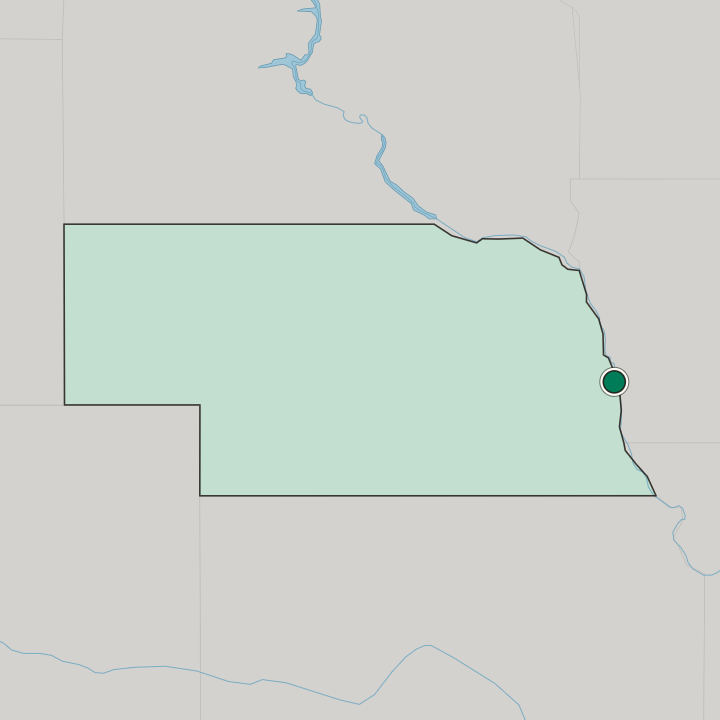
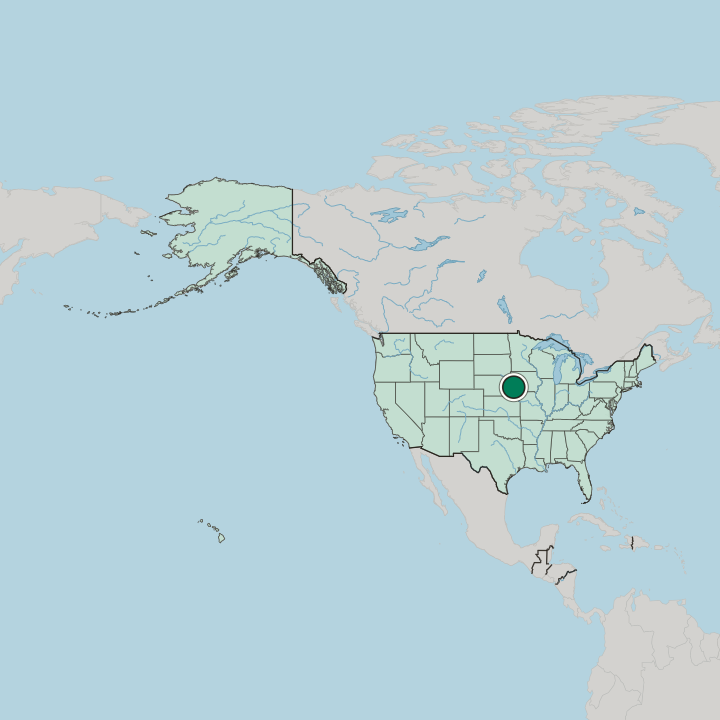
Omaha sits on the bluffs above the Missouri River in Nebraska, its downtown gathered where the land drops to the water. The river marks its eastern edge. Below the mouth of the Platte River the ground rolls up from the flats to the higher streets around the Joslyn Art Museum, and the city spreads west across Douglas County onto the open plains.
Beyond the built grid the prairie of Nebraska runs level toward the horizon.
What is the climate of Omaha?
Omaha has a temperate continental climate with hot summers and cold winters. The plains weather swings hard. Warm, humid air settles over the Missouri River valley through the long summer, then gives way to sharp cold and snow that sweeps the bluffs across a hard Nebraska winter.
Spring and autumn pass quickly, and storms can build fast over the open plains.
How do you get to Omaha?
Omaha sits at a historic crossing of the road and rail routes that span the Missouri River. The railroads shaped it. The old station now housing the Durham Museum marks a line that once tied the plains to both coasts, and interstate highways cross the river into the city, bringing visitors within a short drive of the Old Market and the Henry Doorly Zoo and Aquarium.
Common questions
What is the best area to stay in Omaha?
Old Market by the Missouri River: Downtown stays in the Old Market. Cultural quarter near the Joslyn Art Museum: Quieter stays near the Joslyn Art Museum.
Good for
More cities in Nebraska
Updated October 2026