United States
Nebraska, United States — Towns & Travel Guide
Nebraska is a Great Plains state in the American Midwest, where the Platte River valley cuts east across open prairie to the Missouri River.
Hotel links are affiliate links: booking through them may earn us a commission, at no extra cost to you. It never affects how places are ranked. How this works


Towns & cities in Nebraska
Pick a town or city — each links to where to stay.
 United States
Omaha
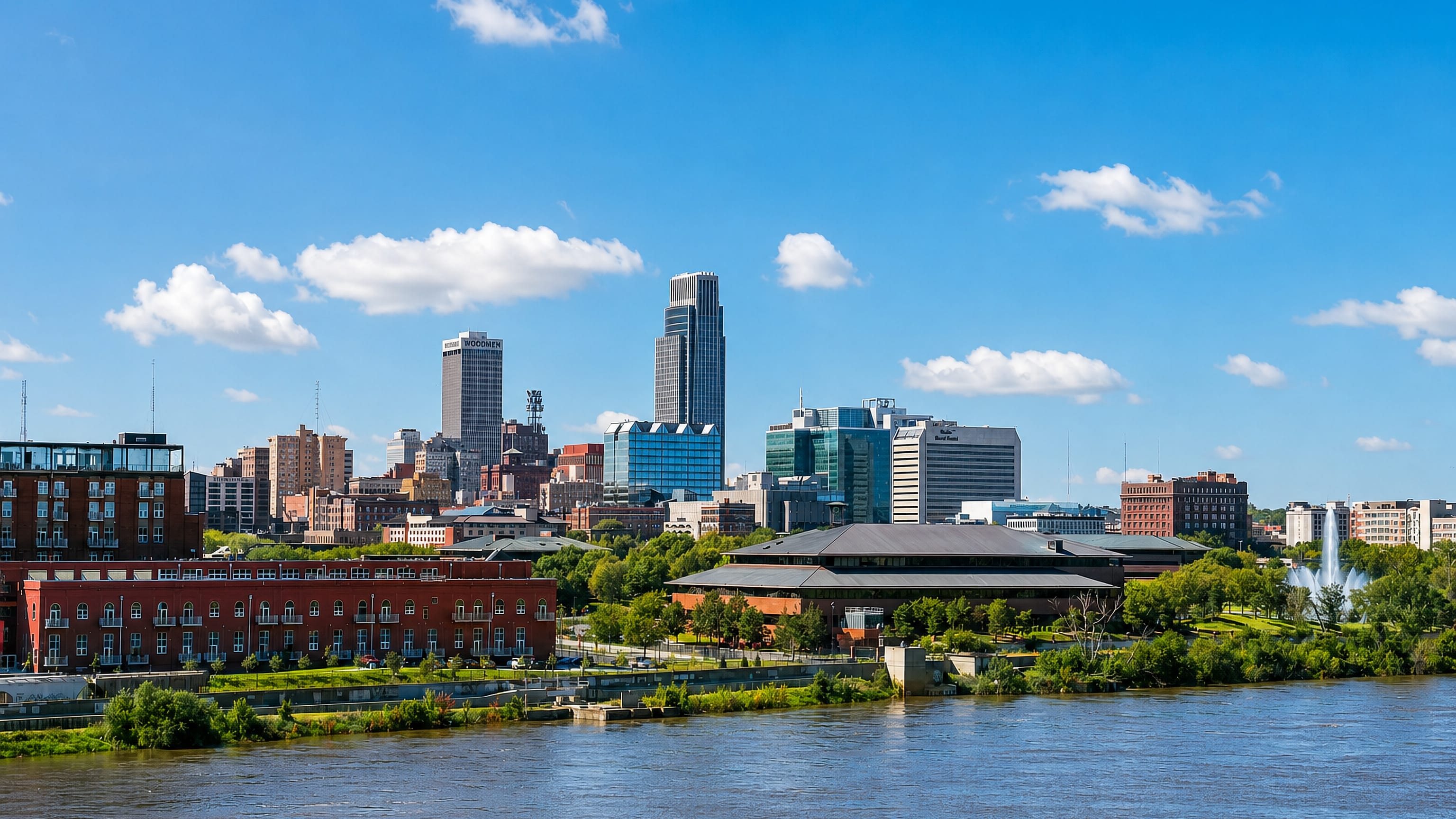
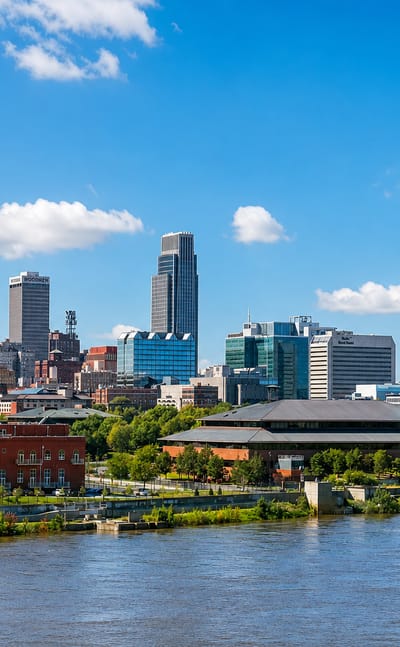
Warehouses line the Old Market over the Missouri River in Omaha, Nebraska's largest city, with the Joslyn Art Museum and its Henry Doorly Zoo and Aquarium.Where to stay →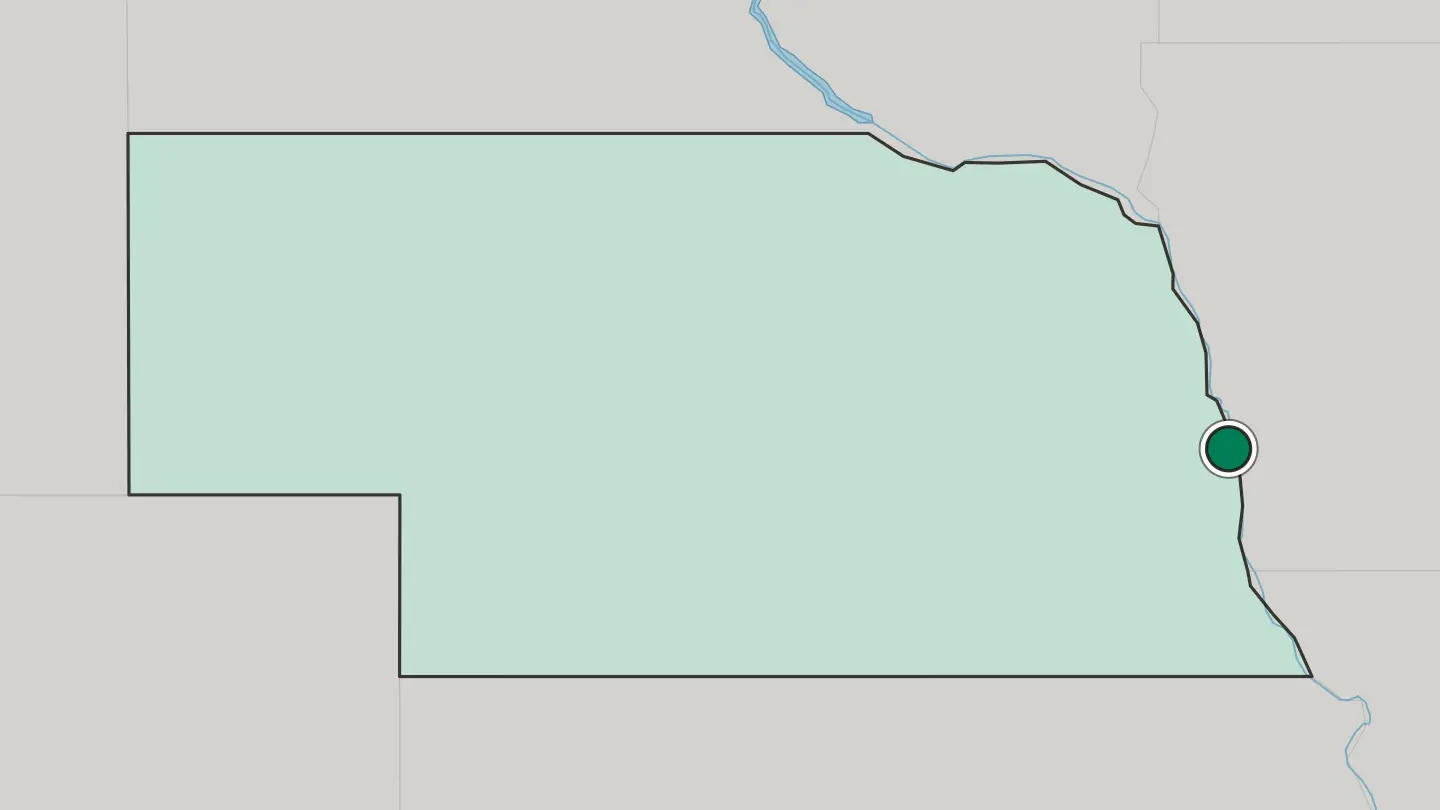
 United States
Lincoln
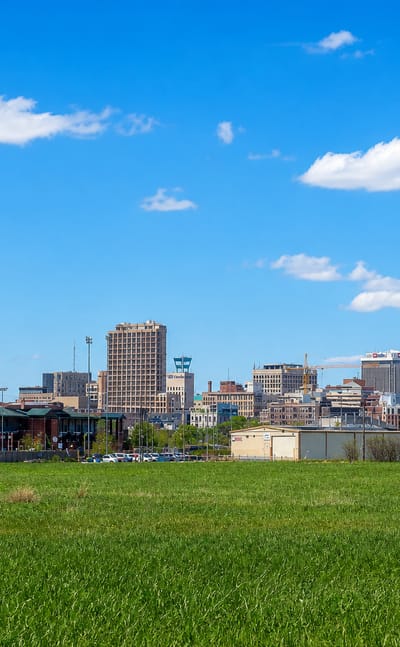
Lincoln is the capital of Nebraska, a prairie city laid out in 1856 and gathered around the University of Nebraska on the open plains.Where to stay →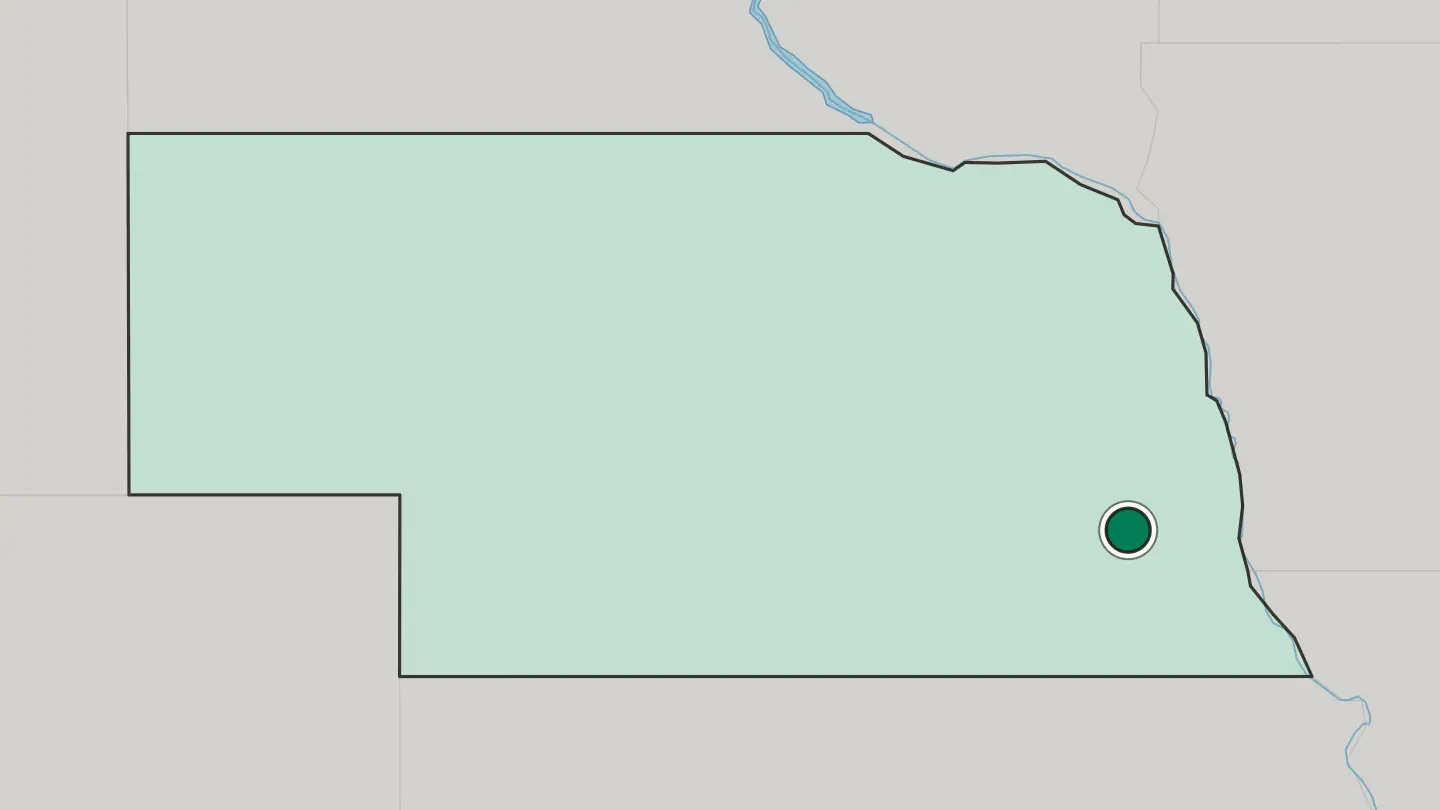
 United States
Grand Island
Grand Island is the seat of Hall County and the fourth-largest city in Nebraska, named an All-America City three times over.Where to stay →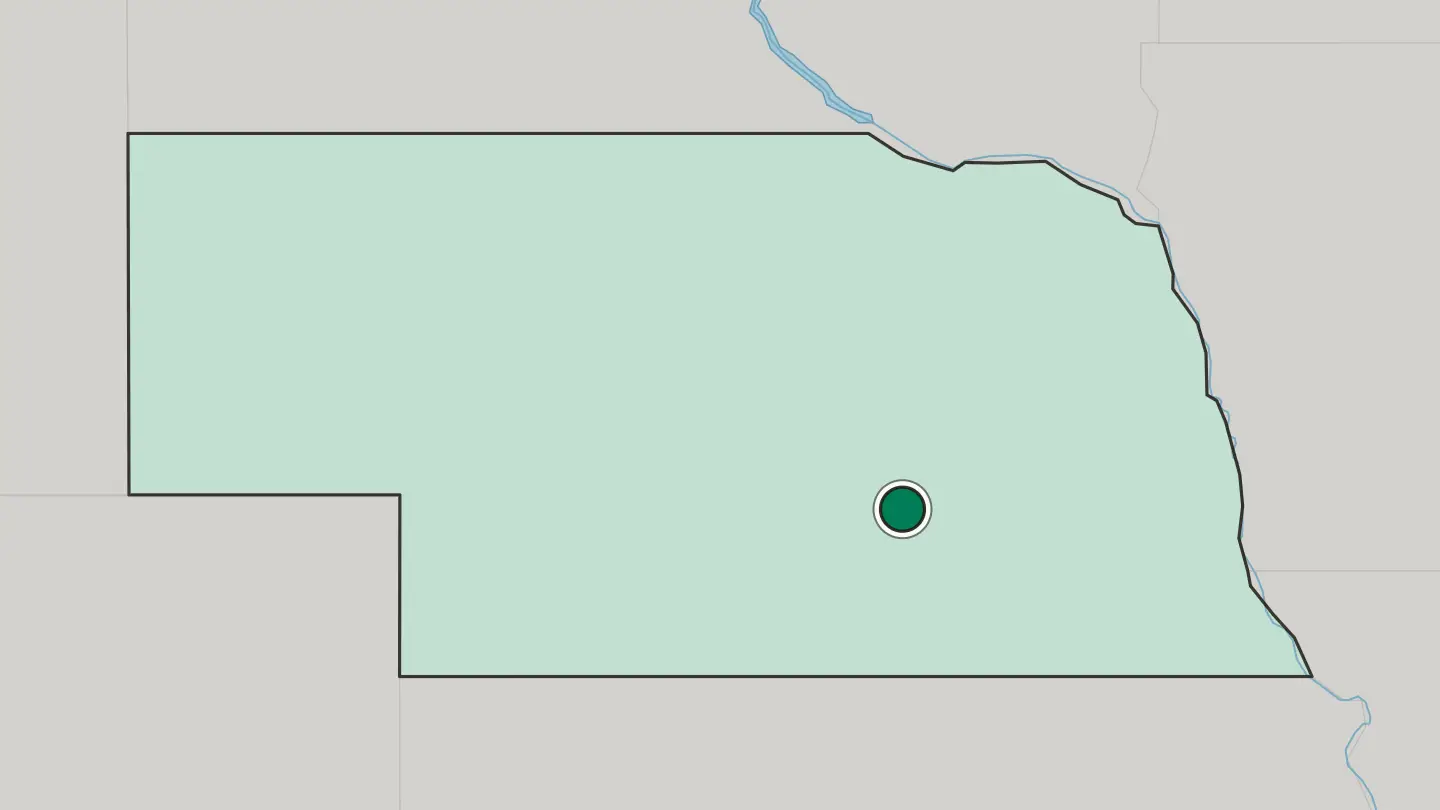
Hotel links are affiliate links: booking through them may earn us a commission, at no extra cost to you. It never affects how places are ranked. How this works
About Nebraska
What is Nebraska known for?
Corn and cattle built the state, and the nickname sticks: Nebraskans are Cornhuskers. Omaha is the largest city, a Missouri River port that grew into the headquarters of the Union Pacific Railroad and a hub of banking and insurance. Lincoln, the capital, lives and breathes college football.
The prairie itself is the draw. Long before the interstates, wagon trains bound for the Pacific followed the Platte valley west across these plains, and Nebraska still wears that pioneer past openly.
Where is Nebraska?
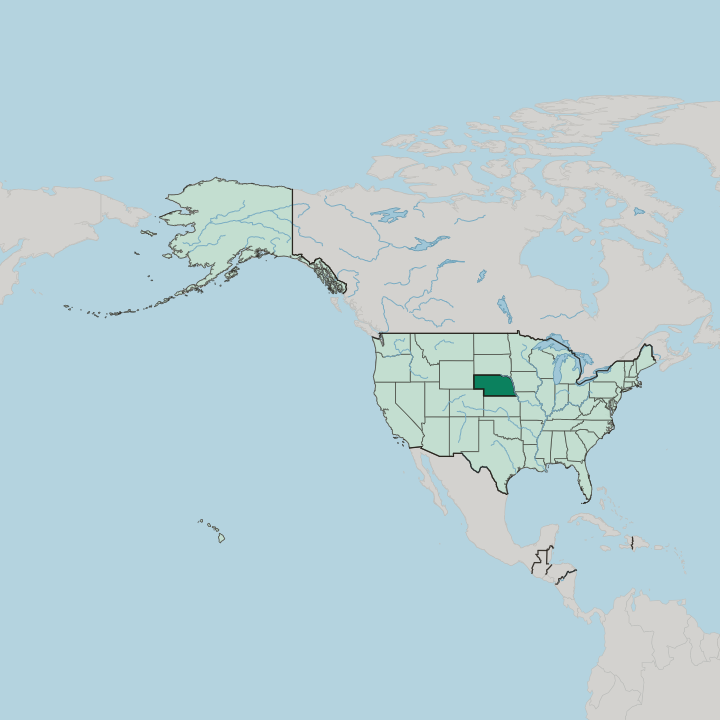
Nebraska sits in the heart of the Great Plains, a landlocked state ringed entirely by other states and far from any sea. Its neighbours ring it on every edge. South Dakota lies to the north and Wyoming to the west, Colorado meets its south-western corner, and Kansas runs along the southern line. To the east, the Missouri River draws the whole border, with Iowa across the water to the north-east and Missouri to the south-east.
The river is the state's one great natural boundary. Inland, the land climbs slowly from the wooded bluffs of the east to the High Plains of the western Panhandle. The Platte River is the spine of it all, gathering the North Platte and South Platte out of the Rockies and running east across the whole state to the Missouri.
North of the Platte spread the Sandhills, grass-anchored dunes that form the largest sand-dune field in the Western Hemisphere and cover almost a quarter of Nebraska. The far west turns dry and stark. There the wind-carved bluffs of Scotts Bluff and Chimney Rock rise straight out of the prairie, the same rock towers that told wagon travellers they had crossed the plains.
What is Nebraska like?
Farming and ranching shape everything here, from the county fairs to the grain elevators that stand over each prairie town like steeples. Nothing, though, unites the state like football. When the Nebraska Cornhuskers play at Memorial Stadium in Lincoln, the crowd swells the ground into what locals call the third-largest city in the state, and the sea of red on a Saturday is a genuine spectacle.
The loyalty runs deep. It is a farming state's shared religion. Away from the field, the culture centres on Omaha.
The Joslyn Art Museum holds paintings by European masters beside works of the American West, and the Henry Doorly Zoo draws visitors from across the region. The prairie also produced its own literature. Willa Cather grew up in the small town of Red Cloud, and turned the grasslands and immigrant homesteaders around her into the novels that made her name.
Even the state's holidays are homegrown: Arbor Day, the tree-planting day kept worldwide, was founded at Nebraska City in the year 1872. The name Nebraska itself comes from an Otoe word for the Platte, meaning flat water.
What is the history of Nebraska?
For decades Nebraska was a place people crossed rather than settled. The Oregon Trail and the Mormon and California trails all funnelled up the Platte valley, carrying wagons west toward the Pacific. Two things changed that.
The Homestead Act handed free land to anyone who would farm it, and the Union Pacific Railroad began driving its transcontinental line west from Omaha. Settlers poured onto the plains, the Pawnee and Omaha peoples were pushed aside, and Nebraska entered the Union as the 37th state in 1867.
What is the climate of Nebraska?
Nebraska has a continental climate of sharp extremes, drying steadily from east to west. The eastern prairie near the Missouri River is humid, with hot, thundery summers and cold, snow-laden winters, while the western Panhandle and the High Plains stay markedly drier. Spring is the violent season.
The state lies within Tornado Alley, and the collision of warm Gulf air with cold northern fronts spins up hail, straight-line winds and tornadoes across the Great Plains. Blizzards can bury the same ground come winter.
How do you get to Nebraska?
Most travellers reach Nebraska by air or by the interstate. Eppley Airfield in Omaha is the state's main point of arrival, with Lincoln Airport handling a smaller share of flights. By car, Interstate 80 is the great artery, tracing the Platte River valley clear across the state and running west out of Nebraska into Wyoming.
Near Big Springs in the far west, Interstate 76 branches south-west toward Denver and Colorado. Trains still call here too. Amtrak's California Zephyr stops at Omaha and Lincoln on its run between Chicago and the West Coast, crossing Nebraska overnight.
Common questions
What is the best area to stay in Nebraska?
Omaha: city nights in the Old Market. Lincoln: the capital and game-day weekends. The Sandhills: ranch country and empty horizons. The Panhandle: Oregon Trail bluffs in the far west.
More regions in United States
Updated September 2026