
United States · Nevada
Where to Stay in Las Vegas, Nevada
Neon signs and desert light meet along the Strip in Las Vegas, the largest city in Nevada and the seat of Clark County, laid out in 1905.
Hotel links are affiliate links: booking through them may earn us a commission, at no extra cost to you. It never affects how places are ranked. How this works


Where to stay in Las Vegas
One neighbourhood here has its own guide — here's what it is best for.

 Las VegasUnited States
Las Vegas DownTown
Downtown Las Vegas is the older part of the city, a few miles north of the Strip, with the Mob Museum and the Neon Museum on its blocks.Where to stay →Hotel links are affiliate links: booking through them may earn us a commission, at no extra cost to you. It never affects how places are ranked. How this works
Find hotels in Las Vegas
Direct booking searches for these neighbourhoods.
The Strip
The resort corridor runs south from the STRAT Hotel, Casino & SkyPod past the High Roller wheel and the Adventuredome park.Find hotels in The StripVisitors wanting a walkable grid around the museumsDowntown
The old core packs the Neon Museum, the Mob Museum, and the Nevada State Museum, Las Vegas into a dense block.Find hotels in DowntownHotel links are affiliate links: booking through them may earn us a commission, at no extra cost to you. It never affects how places are ranked. How this works
Things to do in Las Vegas
Ranked by global recognition; descriptions from Wikidata (CC0).
Museums & Galleries
3- Mob Museum
- Neon Museum
- Burlesque Hall of Fame
Churches & Religious Sites
3- New Bethel Baptist Church
- Second Baptist Church
- Victory Missionary Baptist Church
Parks & Gardens
1- Adventuredome
Landmarks & Notable Places
2- Jay Dayton Smith House Heritage
- Thriller Villa
worth knowingacross 4 categories in Las Vegas
About Las Vegas
What is Las Vegas known for?
Las Vegas is known for the resort corridor of the Strip and for the entertainment industry that grew around it in the Nevada desert. Casinos define the name. The city keeps its own record of that world in the Neon Museum, which preserves the old signs, and the Mob Museum, which traces the organized-crime history of the gambling trade, while the STRAT Hotel, Casino & SkyPod marks the northern end of the corridor with its tower and thrill rides.
What are the main landmarks in Las Vegas?
The main landmarks in Las Vegas mix casino-era attractions with the museums that record them. One tower dominates. The STRAT Hotel, Casino & SkyPod carries the thrill rides at the top of the Strip, and the observation wheel of the High Roller turns farther south.
The city's museum set runs deep: the Neon Museum keeps the salvaged signs, the Mob Museum tells the underworld story, and the Nevada State Museum, Las Vegas and the Las Vegas Natural History Museum cover the wider region.
What is the history of Las Vegas?
Las Vegas was founded in 1905 as a railroad town in the Nevada desert, on a valley floor watered by springs. The name means the meadows, a reference to the grass that the spring water once fed on an otherwise dry plain. Growth was slow at first.
The town became the seat of Clark County and served travelers and the surrounding ranch country before the industry that made its name arrived. Legal gambling and the building of nearby dam works transformed the settlement over the last century. Resort hotels rose along the highway south of downtown, and the corridor of the Strip took shape as a line of casinos.
That era left a trail the city now preserves, from the salvaged signage of the Neon Museum to the organized-crime record held in the Mob Museum. Downtown kept the older grid while the Strip drew the crowds, so the two halves still read as separate chapters of a town that grew from a desert rail stop into a resort center.
Where is Las Vegas?
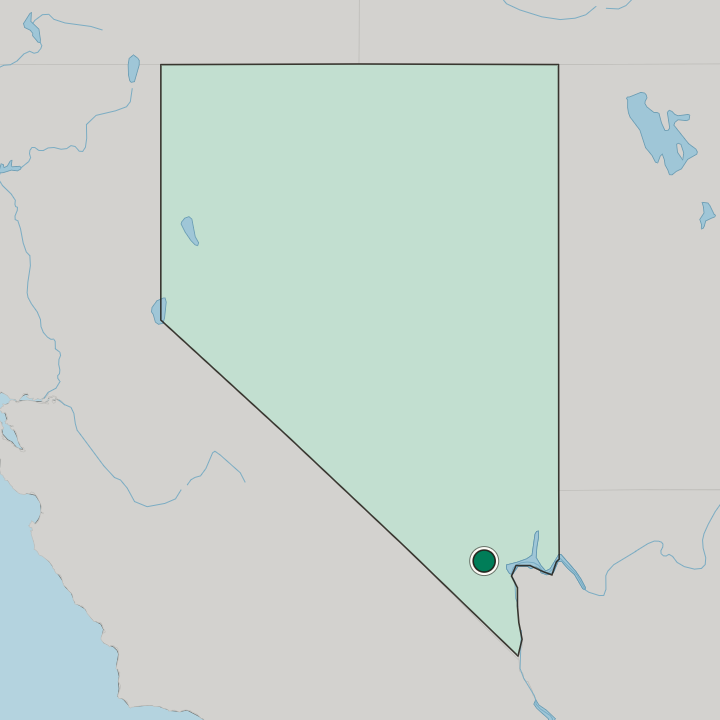
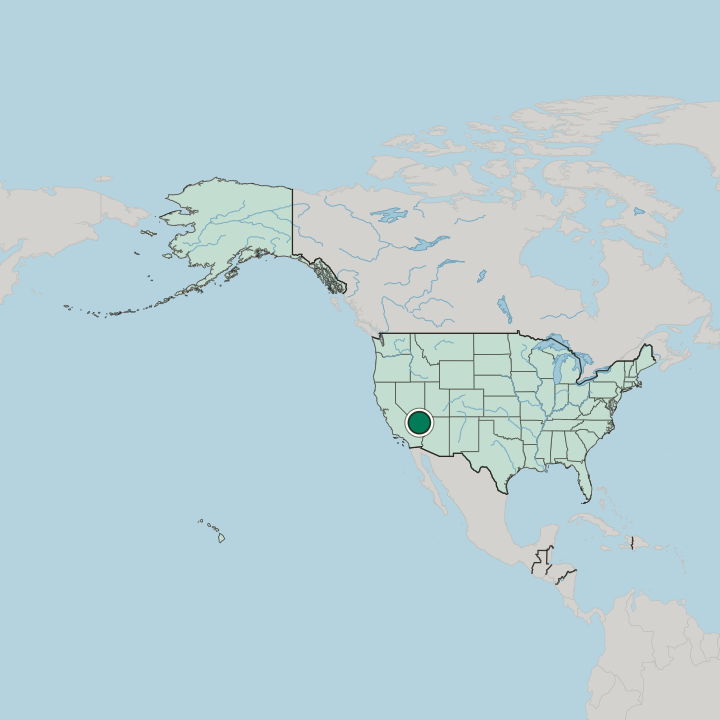
Las Vegas lies on a broad valley floor in the southern Nevada desert, ringed by dry mountains. The flat basin gave the resort corridor of the Strip room to spread in a long line, with downtown set at its northern end near the STRAT Hotel, Casino & SkyPod. Desert begins at the built edge.
Little rain reaches the valley, and the surrounding ranges stand bare and sharp against the sky, framing a city that reads as a lit grid dropped onto an arid plain.
What is the climate of Las Vegas?
Las Vegas has a hot desert climate typical of the low Nevada basin. Summers are long and very hot, with intense sun and little cloud over the valley floor for months at a stretch. The sky stays clear.
Winter comes brief and mild to the Las Vegas valley. Nights cool sharply because the dry desert air holds no heat once the sun drops behind the ranges. Rain is scarce in every season, which is why the valley reads as bare ground beyond the watered resort grounds.
How do you get to Las Vegas?
Las Vegas is the main travel hub of southern Nevada, reached by air, road, and rail-freight lines. A major airport sits just south of the Strip, a short drive from the resort corridor and the STRAT Hotel, Casino & SkyPod. Interstate highways cross the valley.
Most visitors fly in and reach their hotel within minutes, while road travelers arrive across the open desert from the surrounding states, converging on the lit grid that fills the Clark County basin.
Common questions
What is the best area to stay in Las Vegas?
The Strip: First-time visitors building a trip around shows and the resort casinos. Downtown: Visitors wanting a walkable grid around the museums.
Good for
More cities in Nevada
Updated October 2026