United States
Nevada, United States — Towns & Travel Guide
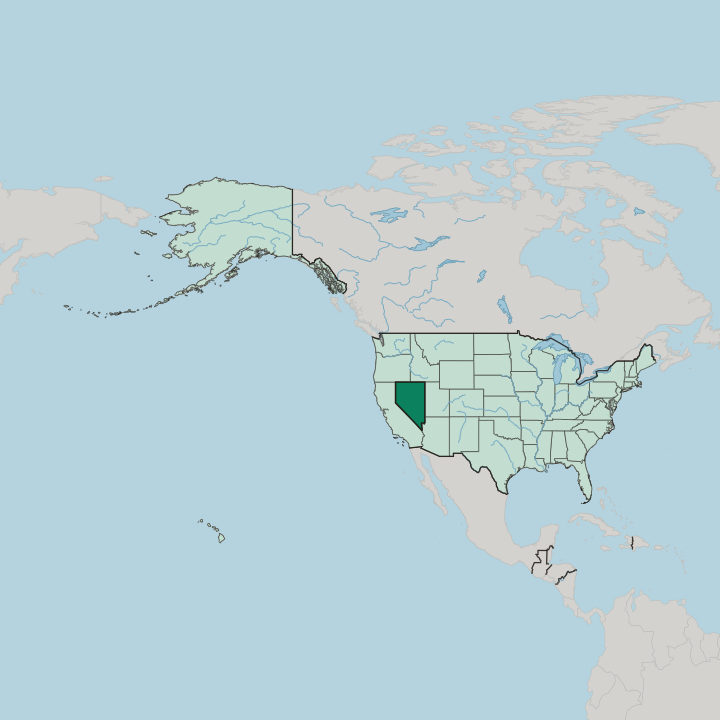
Nevada is an arid desert state of the western United States, filling the Great Basin between California's Sierra Nevada and Utah.
Hotel links are affiliate links: booking through them may earn us a commission, at no extra cost to you. It never affects how places are ranked. How this works


Towns & cities in Nevada
Pick a town or city — each links to where to stay.
 United States
Las Vegas
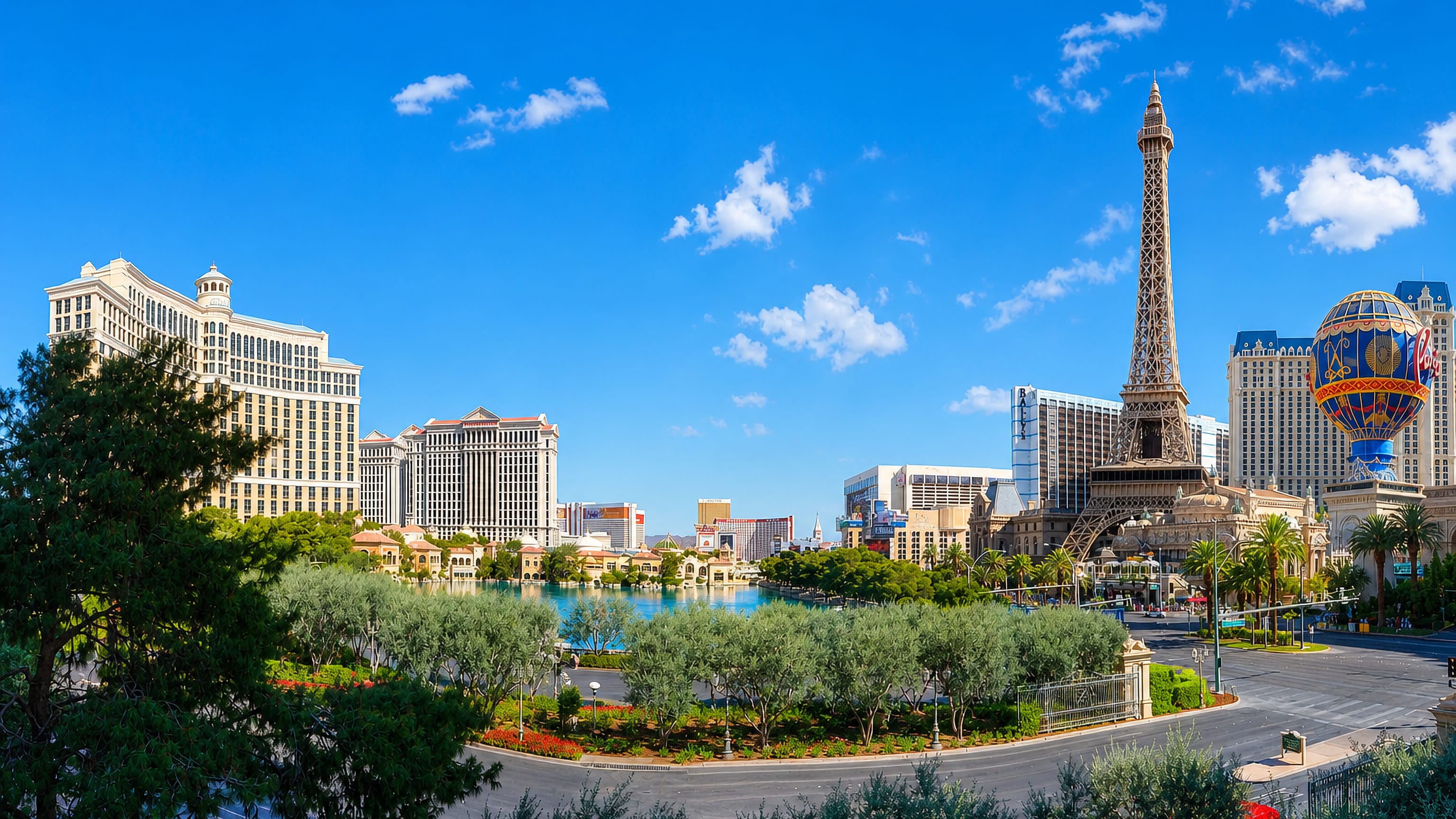
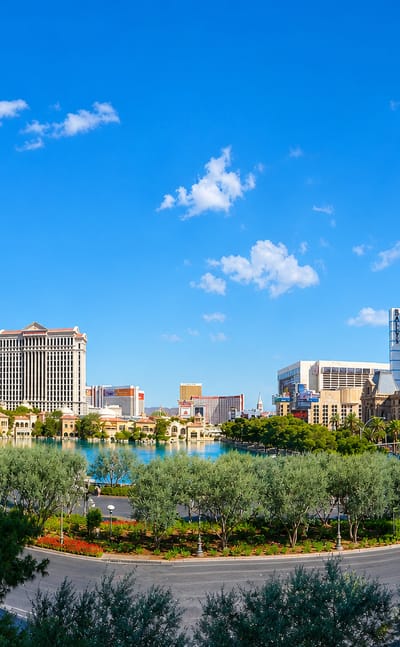
Neon signs and desert light meet along the Strip in Las Vegas, the largest city in Nevada and the seat of Clark County, laid out in 1905.Where to stay →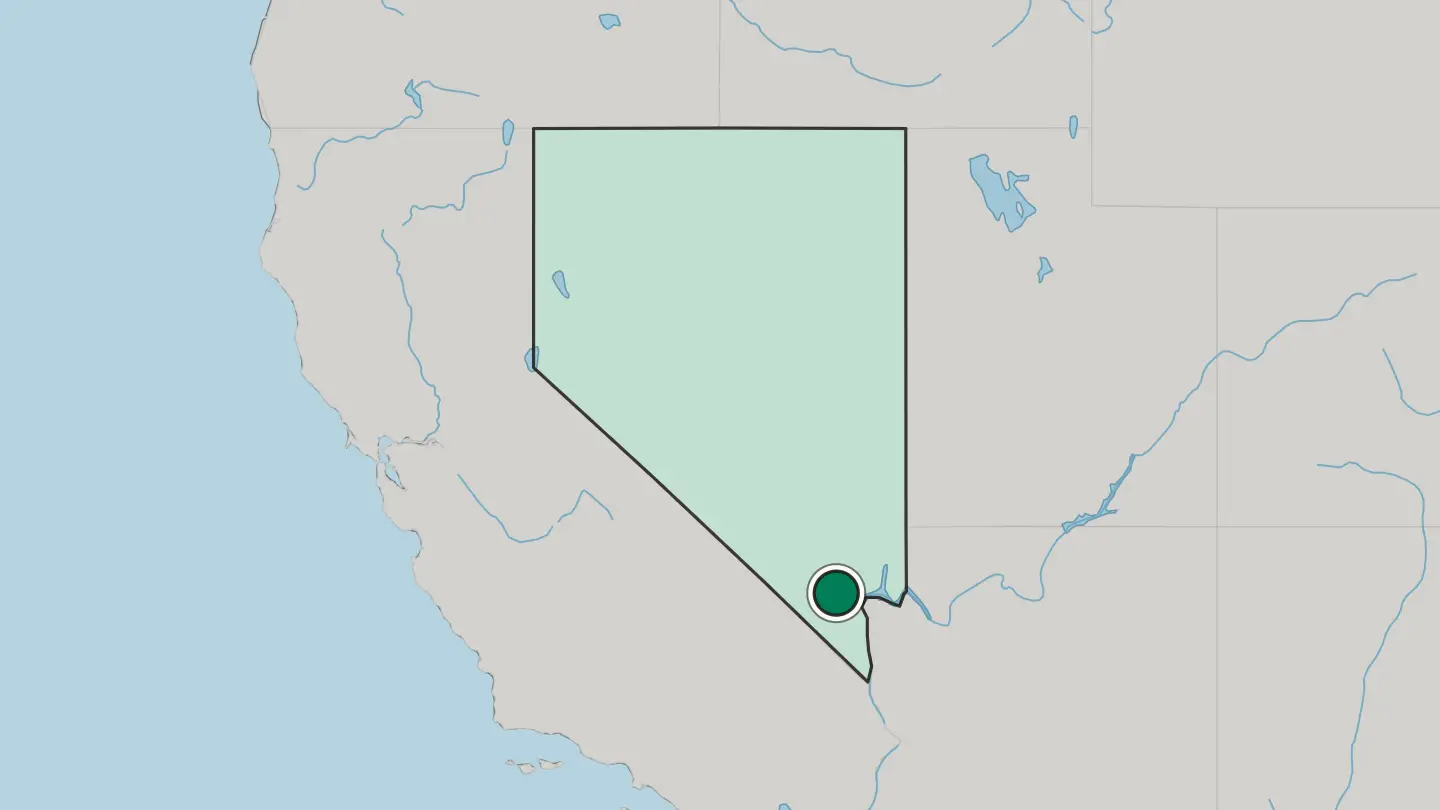
 United States
Henderson
Henderson is the second largest city in Nevada, about sixteen miles southeast of Las Vegas within the Las Vegas Valley metropolitan area.Where to stay →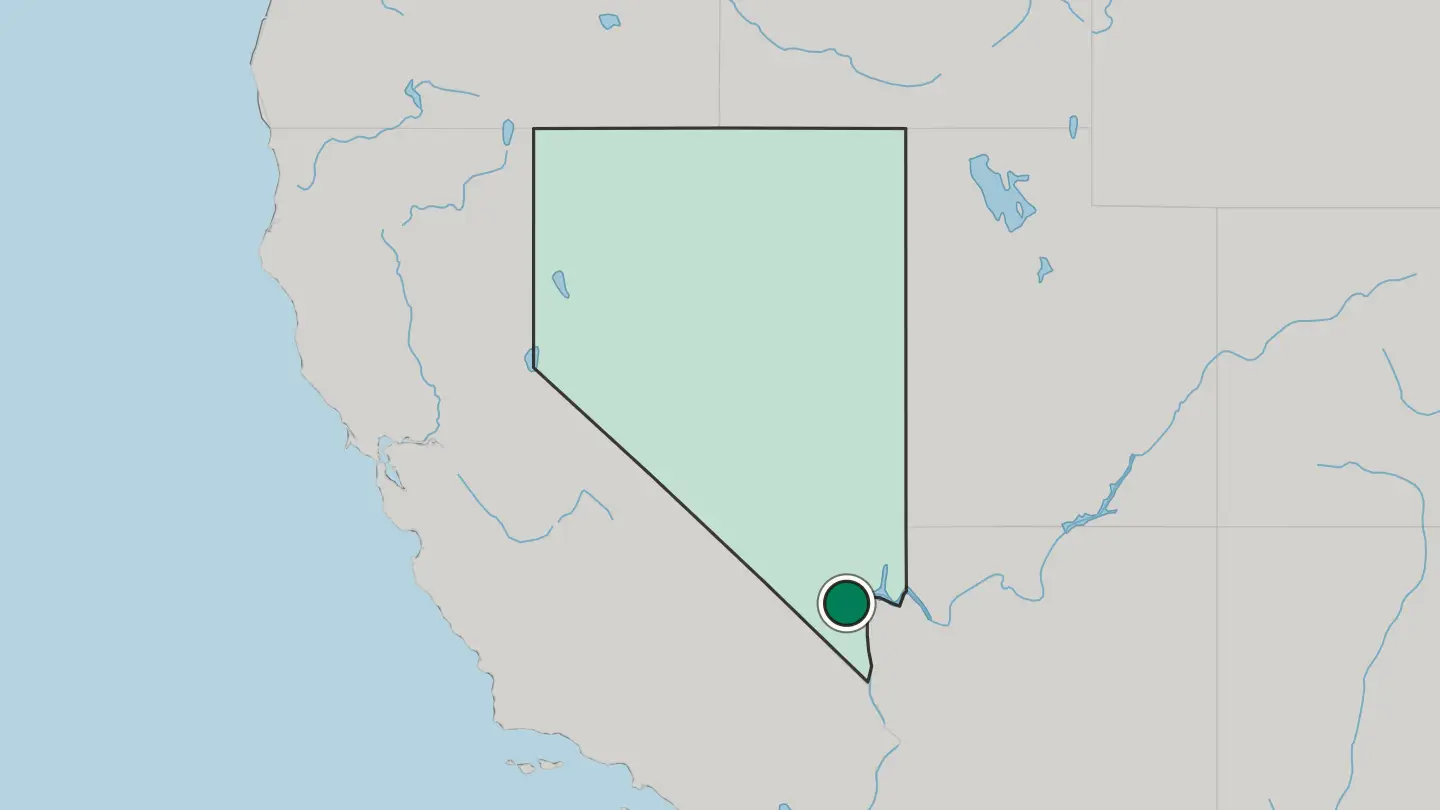
 United States
Reno
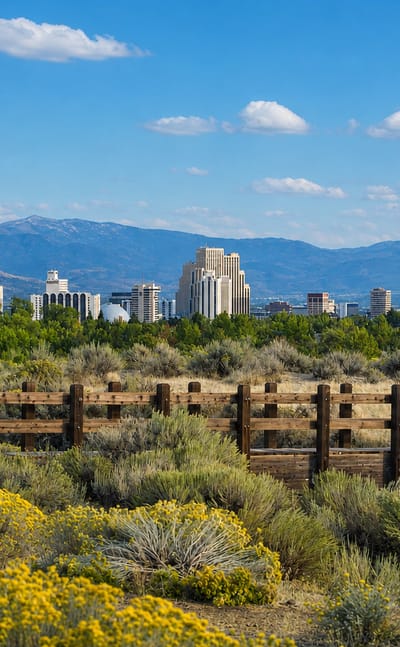
The lit Reno Arch spans the downtown street beside the Truckee River in Reno, a city in Nevada below the Sierra Nevada, settled in 1868.Where to stay →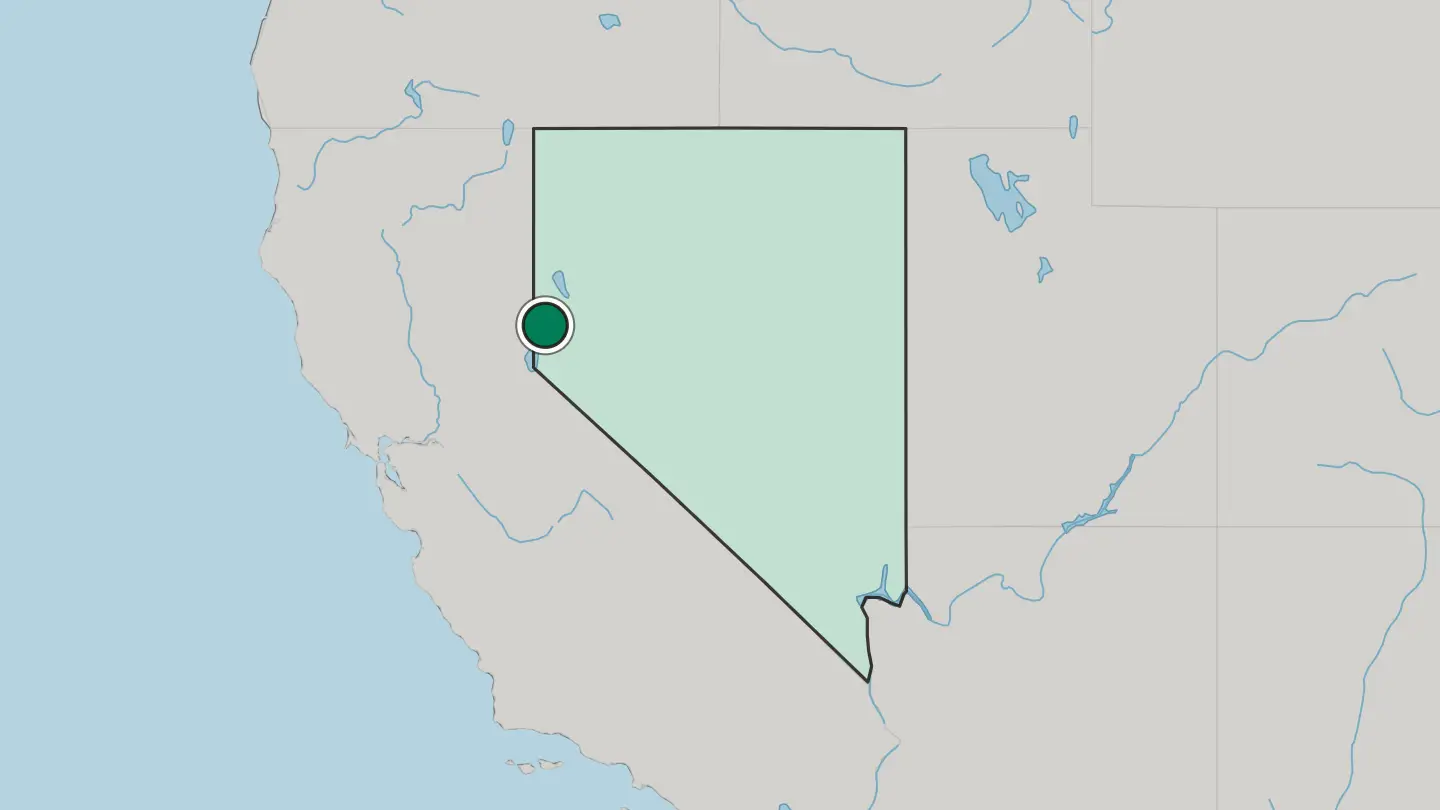
 United States
North Las Vegas
North Las Vegas is a city of Clark County in Nevada, a Las Vegas Valley neighbour that runs out to the edge of the Mojave Desert.Where to stay →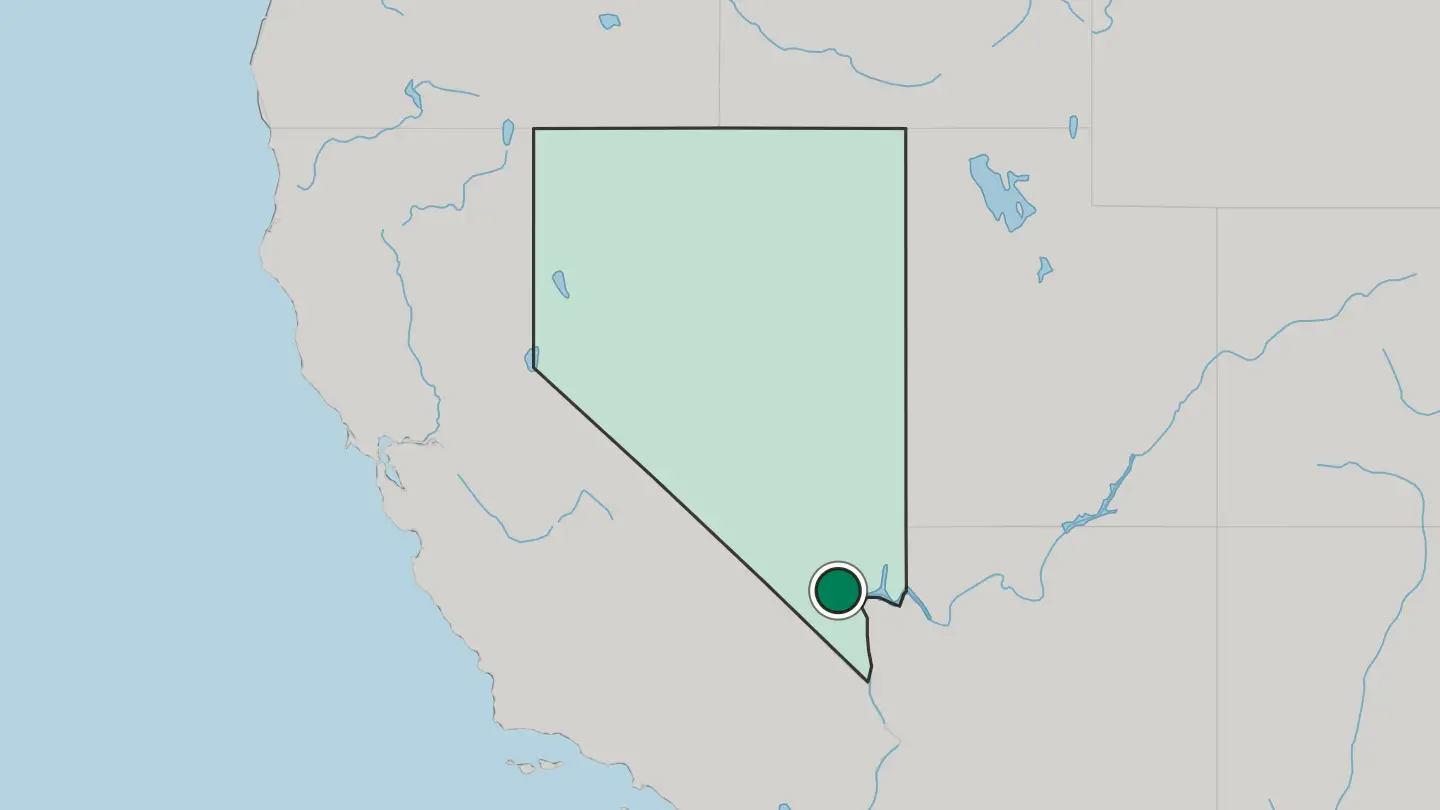
 United States
Paradise
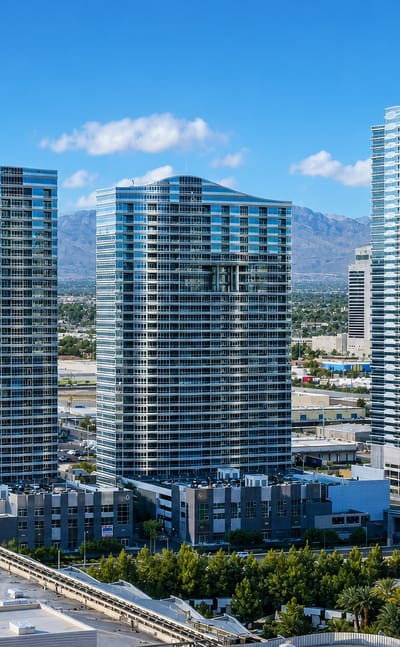
Paradise is a desert community in southern Nevada, known for the Liberace Museum and the Marjorie Barrick Museum of Art.Where to stay →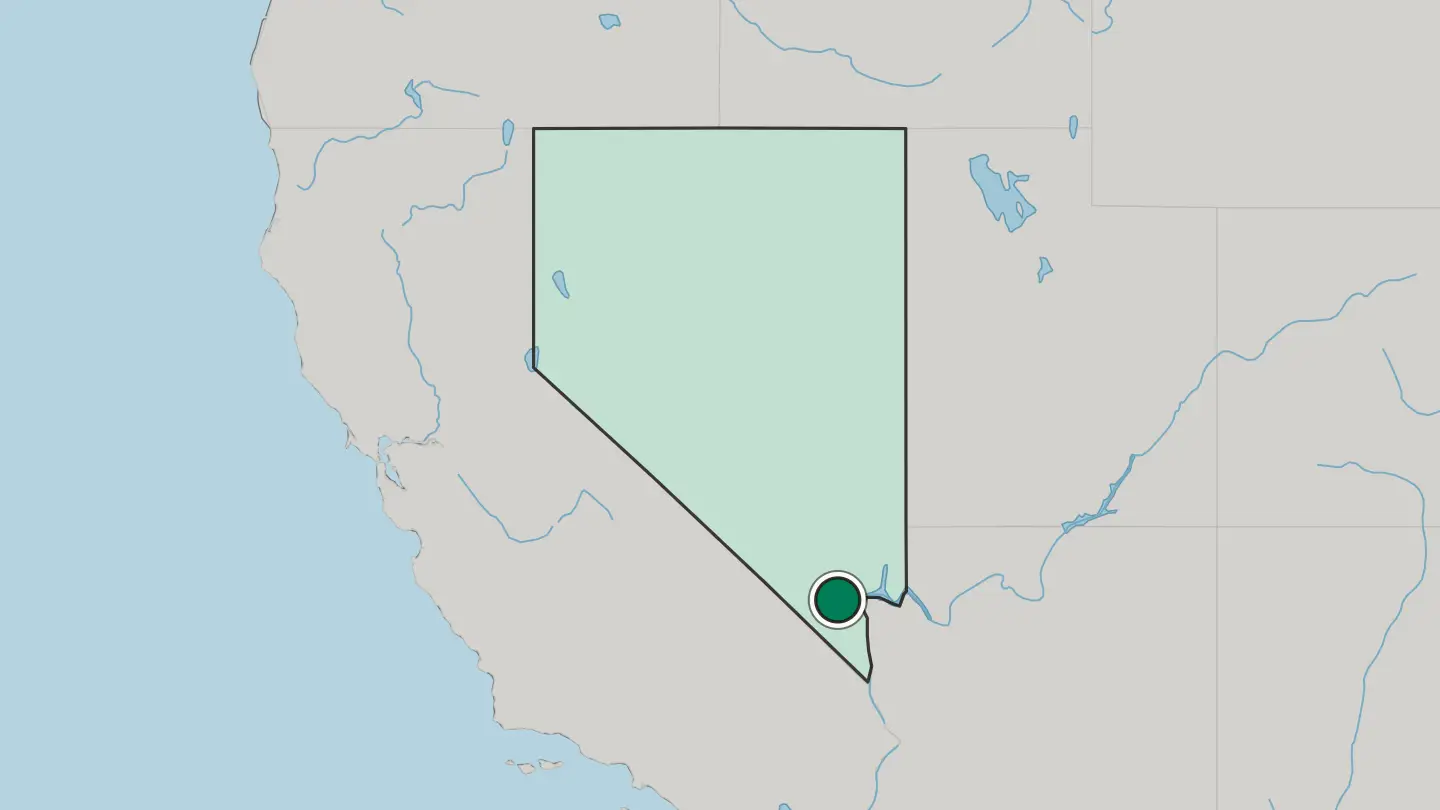
 United States
Enterprise
Enterprise is an unincorporated town in the Las Vegas Valley, Clark County, Nevada, founded in 1996 and holding the High Roller among its landmarks.Where to stay →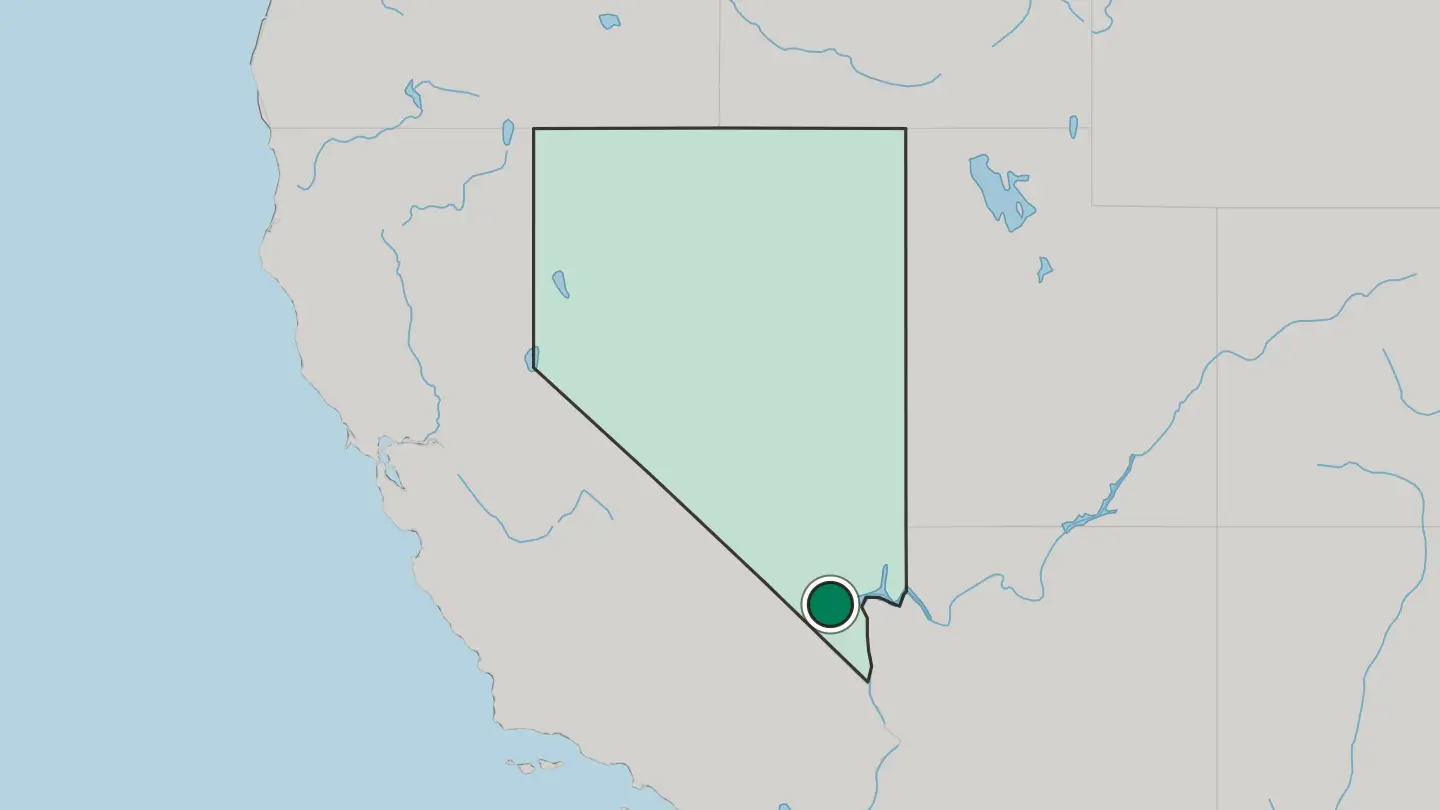 United States
Sparks
Sparks sits just east of Reno in Washoe County, Nevada, a city founded in 1904 and named for John Sparks, a governor of the state.Where to stay →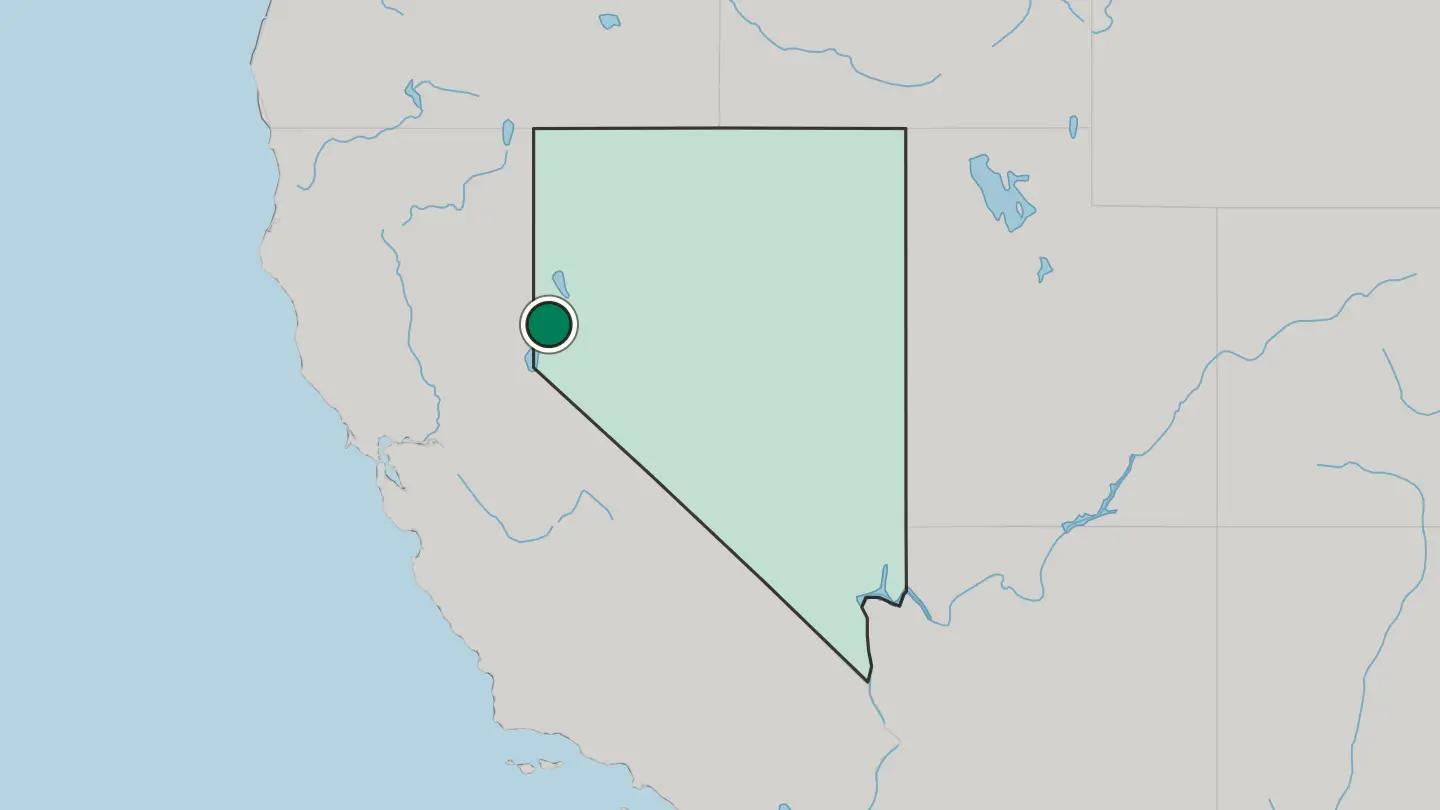
 United States
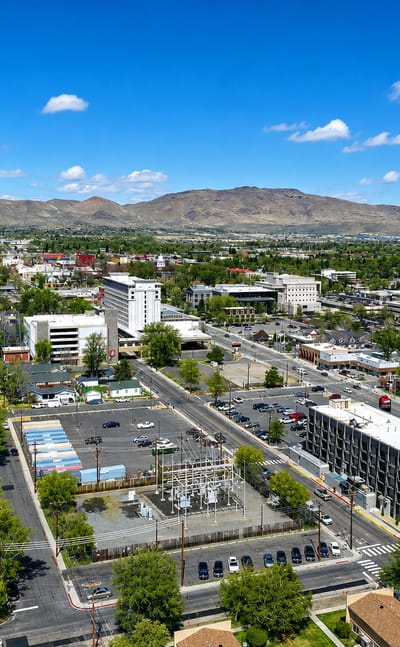
Carson City
State institutions and old frontier houses fill Carson City, a city in Nevada holding the Nevada State Museum and the Nevada State Railroad Museum.Where to stay →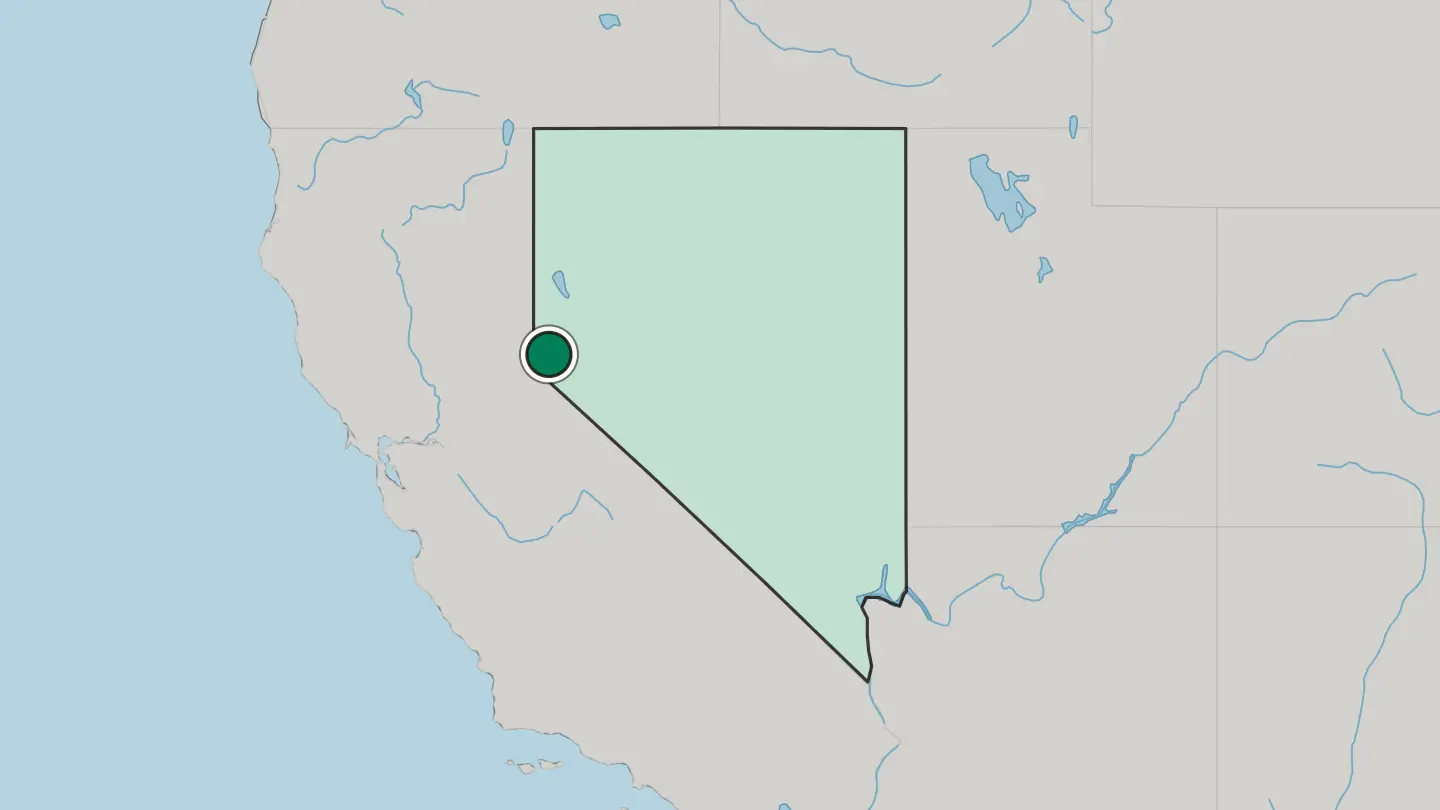
Hotel links are affiliate links: booking through them may earn us a commission, at no extra cost to you. It never affects how places are ranked. How this works
About Nevada
What is Nevada known for?
Two cities carry Nevada's fame. Las Vegas, the largest city, lines its Strip with casino resorts and neon in the Mojave Desert of the south, while Reno bills itself as the Biggest Little City in the World up north. Beyond the tables, this is the Silver State, named for the Comstock Lode that made Virginia City rich.
Carson City, not Las Vegas, is the capital. The rest is desert, empty highway, and mountain range after mountain range.
Where is Nevada?
Nevada is landlocked, wedged into the interior of the western United States. California lies along its entire western side, and Utah squares off the east. Oregon and Idaho border the top, in the north-west and north-east, and Arizona meets it in the south-east, where the Colorado River draws much of the line. Almost the whole state falls within the Great Basin, the vast bowl of interior drainage where rivers run to salt flats and sinks rather than to any sea.
Rain that falls here never reaches the ocean. The land itself repeats one pattern. Dozens of narrow mountain ranges run north to south, separated by broad, dry valleys, the classic basin and range country that makes Nevada the most mountainous of the lower states.
The Sierra Nevada rises just over the California border and wrings the moisture from Pacific storms, throwing a rain shadow east that leaves everything beyond it parched. Boundary Peak, the state's highest, stands near that border in the White Mountains. Far to the east, Wheeler Peak crowns Great Basin National Park above groves of ancient bristlecone pine.
The corners break the pattern. The Mojave Desert reaches up into the hot south around Las Vegas, its lowest, warmest ground. In the north-east, a sliver of the state drains the other way, toward the Snake River and the Columbia rather than the closed basins.
Lake Tahoe fills a deep trough on the western edge, shared with California. It is desert almost everywhere, but rarely flat.
What is Nevada like?
Two Nevadas share the same license plate. One is neon and around-the-clock: the casino floors, showrooms, and buffets of Las Vegas and Reno, an entertainment culture the state built after it legalised gambling in the depths of the Great Depression. The other is older and quieter.
It is the frontier West of silver camps and cattle range, and it still runs deep. Virginia City survives from the Comstock boom, and half-abandoned towns like Goldfield and Tonopah stud the desert highways between. Ranch country keeps its own traditions alive.
Elko, in the north-east, hosts the National Cowboy Poetry Gathering each winter and a rodeo, the Silver State Stampede, that counts among the oldest in the state. Its Basque restaurants trace back to the sheepherders who came from the Pyrenees to work Nevada's ranges, and the family-style dinners they serve are a local institution. Cowboy and Basque, silver and sagebrush: the interior wears its history plainly.
Then there is the strange edge. Out in the Black Rock Desert, the Burning Man gathering raises a temporary city on the playa each year. Along State Route 375, signposted as the Extraterrestrial Highway, drivers pass the fenced military land around Area 51 that fuels every alien rumour in America.
Wide space breeds tall tales. Nevada leaves room for both.
What is the history of Nevada?
Nevada's modern story starts underground. The 1859 strike of the Comstock Lode near Virginia City pulled a rush of miners over the Sierra Nevada from California, and its silver, the reason for the Silver State nickname, helped bankroll the Union. Statehood followed fast, on the last day of October in 1864, rushed through during the Civil War to shore up Abraham Lincoln; the state calls itself Battle Born for it.
When the mines faltered, Nevada found a second act, legalising casino gambling in 1931 in the teeth of the Great Depression. The Spanish name means snow-covered.
What is the climate of Nevada?
Nevada is the driest state in the country. Its weather runs to extremes. The Sierra Nevada blocks the Pacific's moisture, so most of the ground gets only a handful of inches of rain across a whole year.
Southern summers scorch, around Las Vegas and the Mojave Desert, afternoons routinely push past anything comfortable, while the northern high desert around Reno and Elko turns genuinely cold and snowy in winter. Thin desert air swings hard between noon and midnight. Snow piles on the high ranges even as the valleys bake.
How do you get to Nevada?
Most visitors fly straight into Las Vegas, whose Harry Reid International handles the lion's share of the state's air traffic. Reno-Tahoe International covers the north and the Lake Tahoe side. Nevada is an easy drive, too.
Interstate 15 climbs up from Southern California into Las Vegas, Interstate 80 crosses the north through Reno and Elko, and highways thread down from Salt Lake City in Utah and up from Arizona past the Colorado River. Once inside, distances are long and a car is close to essential.
Common questions
What is the best area to stay in Nevada?
Las Vegas: a first trip built around the Las Vegas Strip. Reno and Lake Tahoe: casinos paired with a mountain lake. Elko and Cowboy Country: cowboy country and the Ruby Mountains. Ely and Great Basin National Park: Great Basin National Park and dark night skies. Winnemucca and the Black Rock Desert: the Black Rock Desert and empty northern basins.
Good for
More regions in United States
Updated September 2026