United States · North Dakota
Where to Stay in Fargo, North Dakota
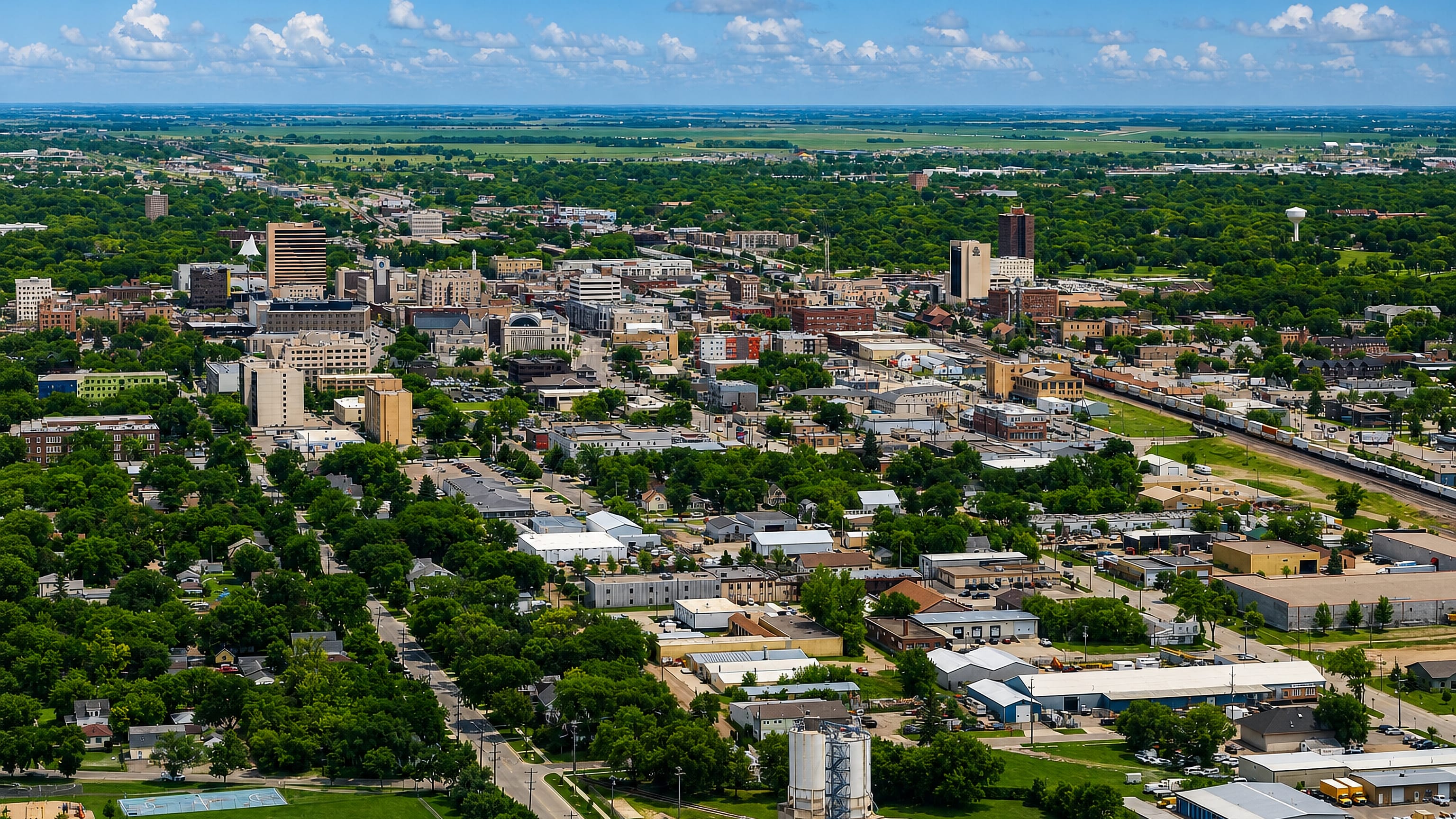
Fargo stands on the Red River in North Dakota, a prairie city at the heart of the Red River Valley, known for its brick downtown and the Plains Art Museum.
Hotel links are affiliate links: booking through them may earn us a commission, at no extra cost to you. It never affects how places are ranked. How this works


Where to stay in Fargo
How the choice of base plays out on the ground.
Fargo is a compact, level city, and most visitors set up close to the old core. Start downtown. The brick blocks around Broadway hold the Plains Art Museum, the Fargo Civic Center, and the cafes and restaurants of the walkable centre, and it is the easiest base for a first visit.
Fargo's Cathedral of St. Mary and a run of preserved historic houses stand within a short walk of these streets. Stay here if you want everything on foot and evenings out the door. Away from the centre, the residential districts spread flat toward the edge of town, quieter and greener, with the Fargo Air Museum out near the airfield.
Across the Red River, the twin town of Moorhead offers a further base and its own museums. The prairie is never far in any direction. Its openness, its long light, and its wide sky set the whole feel of a stay in Fargo.
Find hotels in Fargo
Direct booking searches for these neighbourhoods.
Downtown Broadway
Brick blocks around Broadway with the Plains Art Museum and the Fargo Civic Center, walkable and central.Find hotels in Downtown Broadwayhistoric streets and a quieter central stayNear the Cathedral of St. Mary
The old residential blocks by the Cathedral of St. Mary and the preserved houses, a step off the main downtown.Find hotels in Near the Cathedral of St. Marya twin-town base and extra museumsMoorhead, across the Red River
The Minnesota side of the Red River, with its own lodging and the Historical and Cultural Society of Clay County.Find hotels in Moorhead, across the Red RiverHotel links are affiliate links: booking through them may earn us a commission, at no extra cost to you. It never affects how places are ranked. How this works
Things to do in Fargo
Ranked by global recognition; descriptions from Wikidata (CC0).
Museums & Galleries
3- Rourke Art Museum Heritage
- Plains Art Museum
- Historical and Cultural Society of Clay County
Churches & Religious Sites
3- St. John the Divine Episcopal Church Heritage
- Cathedral of St. Mary
- St. Anthony of Padua Church of Fargo
Stadiums & Sports
2- Fargo Civic Center
- Dacotah Field
Landmarks & Notable Places
6- Comstock House Heritage
- George and Beth Anderson House Heritage
- James Holes House Heritage
- Lewis House Heritage
- Dibley House Heritage
Show 1 more →
- Lew A. Huntoon House Heritage
worth knowingacross 4 categories in Fargo
About Fargo
What is Fargo known for?
Fargo is the largest city in North Dakota and the regional hub of the Red River Valley. It grew as a railroad and grain town on the flat prairie, and its downtown keeps the low brick streetfronts of that era. Art anchors it.
The Plains Art Museum sits at the centre, with the Cathedral of St. Mary and the Fargo Air Museum among the city's other draws. Across the Red River, the twin town of Moorhead faces it from the Minnesota bank.
What are the main landmarks in Fargo?
Fargo's landmarks gather downtown. The Plains Art Museum occupies a former warehouse near Broadway, the Cathedral of St. Mary rises among the central blocks, and the Fargo Civic Center anchors the civic core close by. The Fargo Air Museum keeps historic aircraft out near the airfield.
Preserved houses record the city's early growth across its older residential streets, among them the Comstock House, the Dibley House, and the James Holes House with their carved porches and steep gables.
What is the history of Fargo?
Fargo was founded in 1871 where the Northern Pacific Railway crossed the Red River on its push west across the prairie. The crossing gave the town its start, and it took its name from a director of the railroad. Grain from the surrounding Red River Valley poured through, and Fargo grew fast as a shipping and milling centre for the wheat lands around it.
The young downtown burned in the 1890s. The city rebuilt in brick, and much of that streetscape stands along Broadway to this day. Wealth from the grain trade raised the houses now preserved across the older neighbourhoods, among them the Comstock House and the James Holes House, and the Cathedral of St. Mary rose to serve the growing city.
Fargo settled into its role as the trade and cultural hub for a wide stretch of the northern plains. The railroad, the river, and the wheat shaped every stage of it.
Where is Fargo?
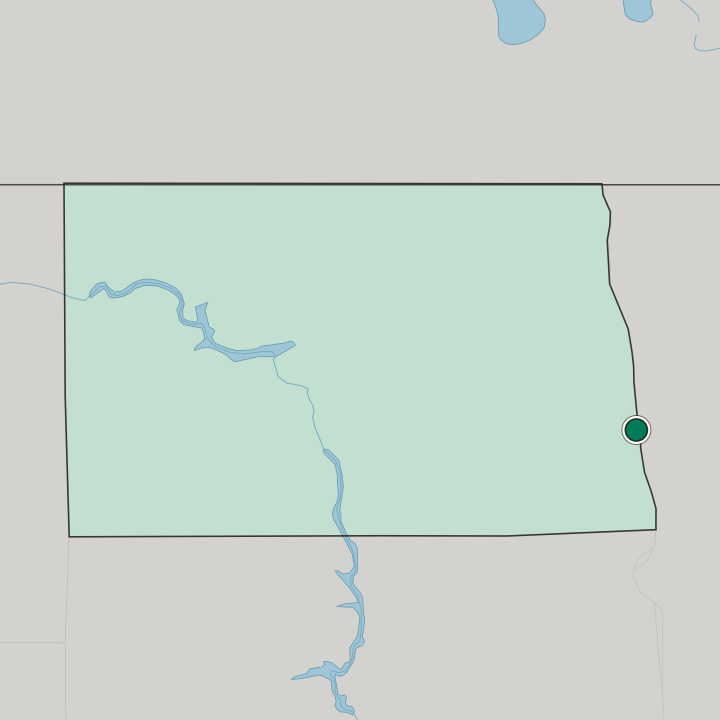
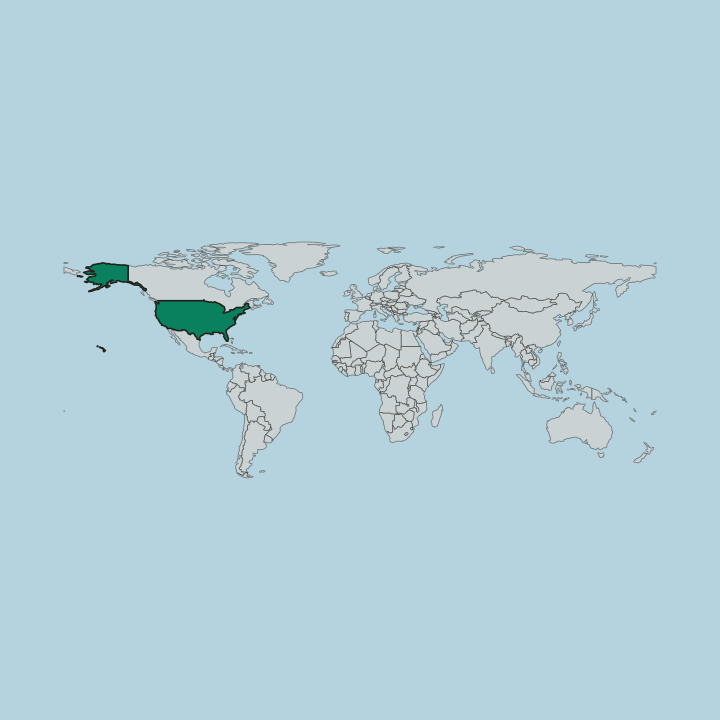
Fargo sits on the west bank of the Red River in North Dakota, on the floor of the Red River Valley. The land here is flat. The valley is an old glacial lakebed, and the ground runs level and open in every direction, its dark soil among the richest farmland on the plains.
Across the river lies Moorhead, in Minnesota, the two towns joined at the water. The river flows north from the city toward Canada, unusual among the region's streams.
What is the climate of Fargo?
Fargo has a hard continental climate, with long, bitter winters and warm summers on the open prairie. The freeze holds for months. Cold air pours down over the flat Red River Valley with nothing to break it, and winters bring deep freezes and blowing snow.
Spring brings the risk of flooding as the Red River swells and spreads over the level ground. The brief summer runs warm and green across the prairie. The wide plains give the city long days and clear, far-reaching skies through the short warm season.
How do you get to Fargo?
Fargo sits at the crossing of the main interstate routes over the northern plains, reached by road across the flat Red River Valley from every direction. Hector International Airport serves the city with regional and connecting flights. Trains stop in Fargo on the transcontinental line that follows the old railroad route west.
The Red River bridge links it to Moorhead in Minnesota. Long prairie highways carry on across North Dakota from here.
Common questions
What is the best area to stay in Fargo?
Downtown Broadway: first-time visitors and walking the old core. Near the Cathedral of St. Mary: historic streets and a quieter central stay. Moorhead, across the Red River: a twin-town base and extra museums.
Good for
More cities in North Dakota
Updated October 2026