United States · Rhode Island
Where to Stay in Providence, Rhode Island
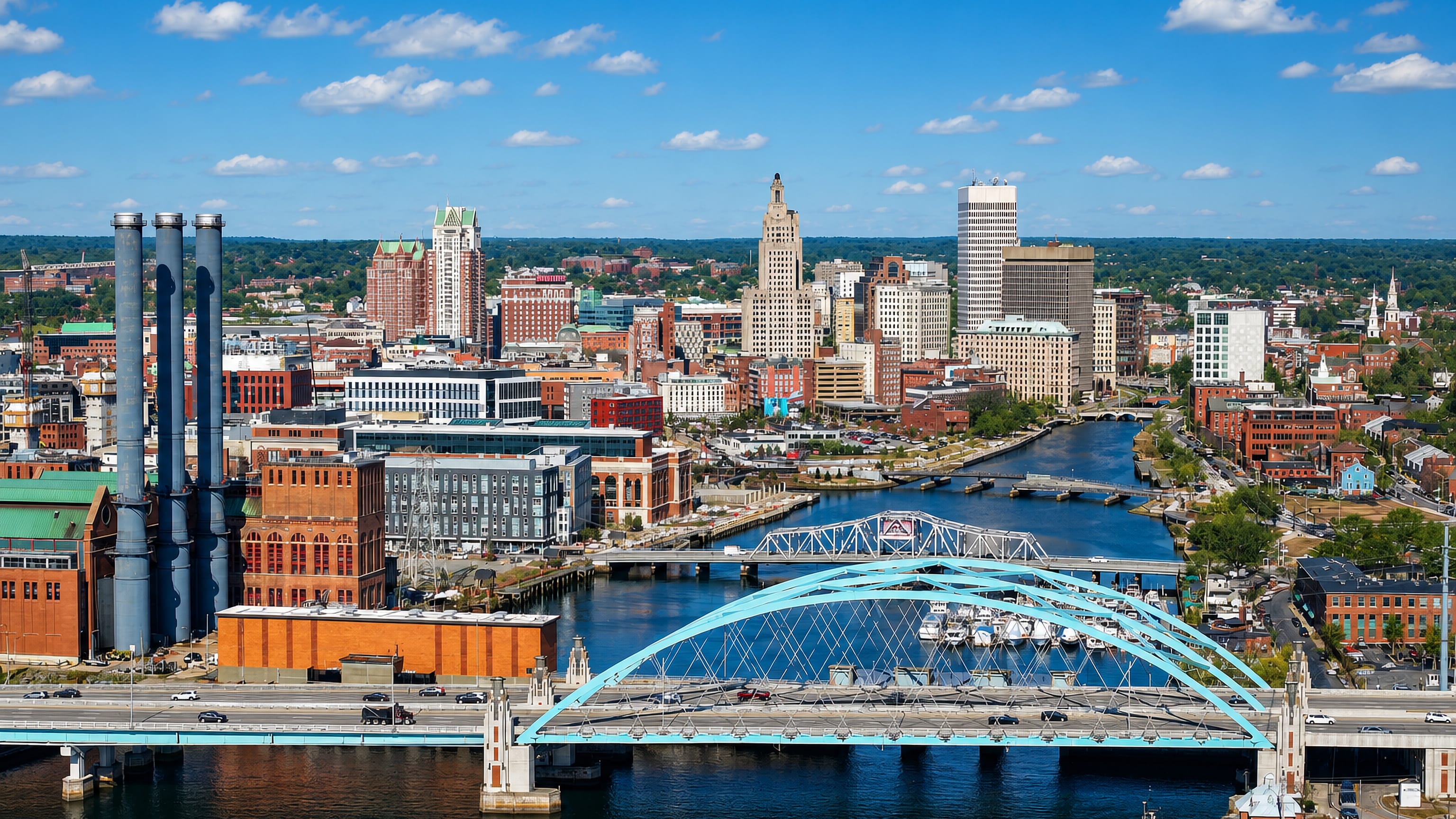
Providence is the capital of Rhode Island and the third-largest city in New England, known for Brown University, College Hill, and the John Brown House.
Hotel links are affiliate links: booking through them may earn us a commission, at no extra cost to you. It never affects how places are ranked. How this works


Where to stay in Providence
Where visitors usually base themselves, and why.
Providence divides its lodging between the college slopes of College Hill and the restaurant streets of Federal Hill, with the downtown core between them. Base yourself downtown for the shortest reach to the capitol and the older heart of Rhode Island. The centre wakes early.
Stay on College Hill if the campus and colonial houses draw you, since Brown University, the John Brown House, and the Governor Stephen Hopkins House all sit within a short climb there. For food and evening life, choose Federal Hill, the old district known across New England for its restaurants and markets. Culture holds the middle ground.
Guests keen on art and old parishes do well near the Annmary Brown Memorial and Grace Church downtown, both a brief walk from the room. Families often prefer the quieter southern reaches near the Roger Williams Park Zoo for an easy day outdoors. The Nelson W. Aldrich House and the Governor Henry Lippitt House add stately bases along the hill's edge.
All of them stay within an easy walk or short ride of the downtown core.
Find hotels in Providence
Direct booking searches for these neighbourhoods.
College Hill
The College Hill slope gathers Brown University, the John Brown House, and the Governor Stephen Hopkins House among the steepest colonial streets in New England.Find hotels in College HillDiners wanting the restaurant streets west of downtown ProvidenceFederal Hill
Federal Hill lines its blocks with the markets and restaurants that have made this the best-known dining district of Rhode Island.Find hotels in Federal HillArt and heritage travellers near the Annmary Brown Memorial and Grace ChurchDowntown Providence
The downtown core sets the Annmary Brown Memorial and Grace Church within a short walk of the capitol at the heart of Rhode Island.Find hotels in Downtown ProvidenceHotel links are affiliate links: booking through them may earn us a commission, at no extra cost to you. It never affects how places are ranked. How this works
Things to do in Providence
Ranked by global recognition; descriptions from Wikidata (CC0).
Museums & Galleries
1- Annmary Brown Memorial
Churches & Religious Sites
8- Grace Church Heritage
- St. Michael's Roman Catholic Church, Convent, Rectory, and School Heritage
- Beneficent Congregational Church Heritage
- St. Stephen's Church Heritage
- All Saints Memorial Church Heritage
Show 3 more →
- First Universalist Church Heritage
- Saint Martin's Church Heritage
- Christ Episcopal Church Heritage
Stadiums & Sports
1- Pierce Memorial Field
Landmarks & Notable Places
8- Nelson W. Aldrich House Heritage
- Governor Stephen Hopkins House Heritage
- Governor Henry Lippitt House Heritage
- Corliss-Carrington House Heritage
- Corliss-Brackett House Heritage
Show 3 more →
- Edward Dexter House Heritage
- Joseph Brown House Heritage
- Joseph Haile House Heritage
worth knowingacross 4 categories in Providence
About Providence
What is Providence known for?
Providence is known first as the home of Brown University and as the capital of Rhode Island. Its College Hill and Federal Hill districts carry the older character of the third-largest city in New England. History lines the slopes.
The John Brown House and the Governor Stephen Hopkins House preserve the mansions of the colonial merchant class, while the Annmary Brown Memorial holds a quiet gallery near the campus. Roger Williams Park Zoo draws families to the city's green southern reaches.
What are the main landmarks in Providence?
Colonial mansions define the landmarks of Providence. The John Brown House, the Governor Stephen Hopkins House, and the Nelson W. Aldrich House preserve the homes of the city's merchant and political families on College Hill. Churches mark the slopes.
Grace Church, the Beneficent Congregational Church, and the First Universalist Church stand among the older sanctuaries downtown, joined by the quiet galleries of the Annmary Brown Memorial. Green space closes the list. The Roger Williams Park Zoo anchors the parkland of Providence, a leafy contrast to the brick of New England.
Providence layers its landmarks in tiers.
What is the history of Providence?
Providence was founded in 1636 as a refuge for religious dissenters, one of the earliest permanent settlements in New England. Its founders chose the head of a tidal river for its fresh springs and its shelter from the open sea. Faith and freedom made the town.
Colonial merchants built the city's early wealth on shipping and the sea trade, raising the brick and clapboard mansions that still climb College Hill. The John Brown House and the Governor Stephen Hopkins House survive from that merchant era, standing among the oldest houses in Rhode Island. Learning arrived with the college.
The founding of Brown University turned Providence into an intellectual centre, and its campus still shapes the eastern slope above the river. Nineteenth-century industry and later decline reworked the downtown, but the old parishes endured, among them Grace Church and the Beneficent Congregational Church. Over the years the city spread outward from the harbour head toward the surrounding towns.
That founding as a haven for dissenters, more than any later trade, shaped how Providence came to be.
Where is Providence?
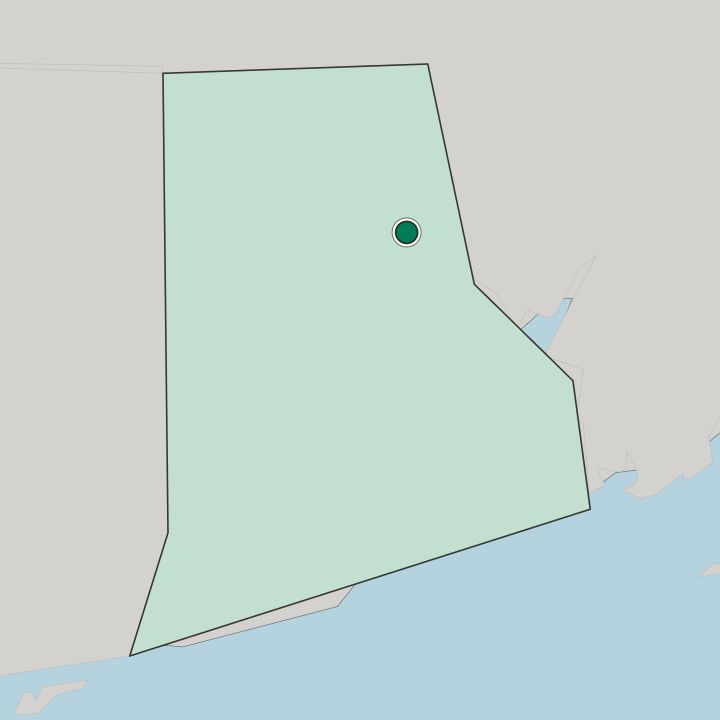
Providence sits at the head of a tidal river in northern Rhode Island, where the water narrows toward the low hills of College Hill. Its streets climb from the downtown flats up the steep eastern slope, then spread west and south across gentler ground. The tide reaches the city centre.
That compact setting between river and ridge, tucked into the smallest state in New England, gives the capital its dense, walkable core. Brown University crowns the eastern hill.
What is the climate of Providence?
Providence has a humid continental climate typical of coastal New England, with warm summers and cold, snowy winters. The nearby sea softens the extremes a little, keeping the city milder than the inland reaches of Rhode Island. Autumn turns the hills gold.
Storms sweep in off the water. Snow and rain fall through much of the year across the river valley, and nor'easters can bury the College Hill slopes under heavy drifts when the winds turn cold. Spring comes slowly here.
How do you get to Providence?
Providence sits on the main rail and highway corridor between Boston and New York, at the heart of Rhode Island. Most visitors arrive by train or car. A regional airport just south of the city adds air links, and from downtown it is a short climb up to College Hill and Brown University.
The compact centre is easy to cross on foot. Bus lines reach the wider New England towns.
Common questions
What is the best area to stay in Providence?
College Hill: Campus and colonial-house visitors near Brown University and the John Brown House. Federal Hill: Diners wanting the restaurant streets west of downtown Providence. Downtown Providence: Art and heritage travellers near the Annmary Brown Memorial and Grace Church.
Good for
More cities in Rhode Island
Updated October 2026