United States
Rhode Island, United States — Towns & Travel Guide
Rhode Island is the smallest US state, a New England sliver around Narragansett Bay, with Providence at its head and Newport on the sea.
Hotel links are affiliate links: booking through them may earn us a commission, at no extra cost to you. It never affects how places are ranked. How this works


Towns & cities in Rhode Island
Pick a town or city — each links to where to stay.
 United States
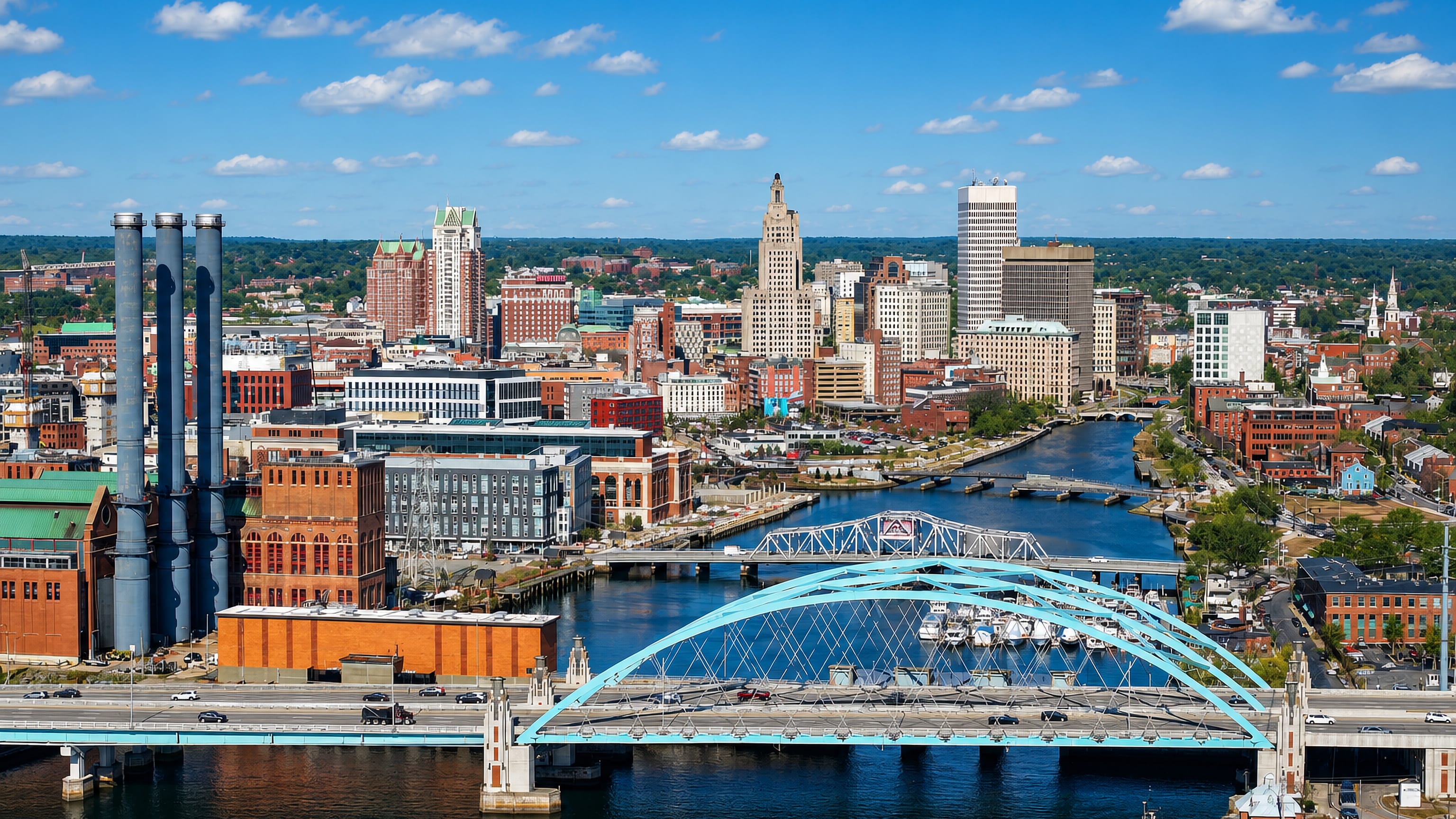
Providence
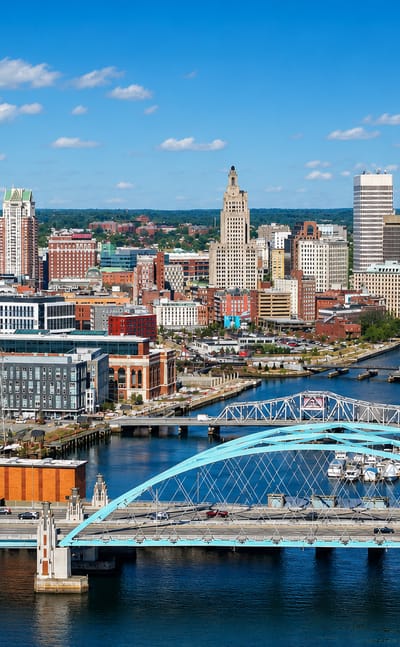
Providence is the capital of Rhode Island and the third-largest city in New England, known for Brown University, College Hill, and the John Brown House.Where to stay →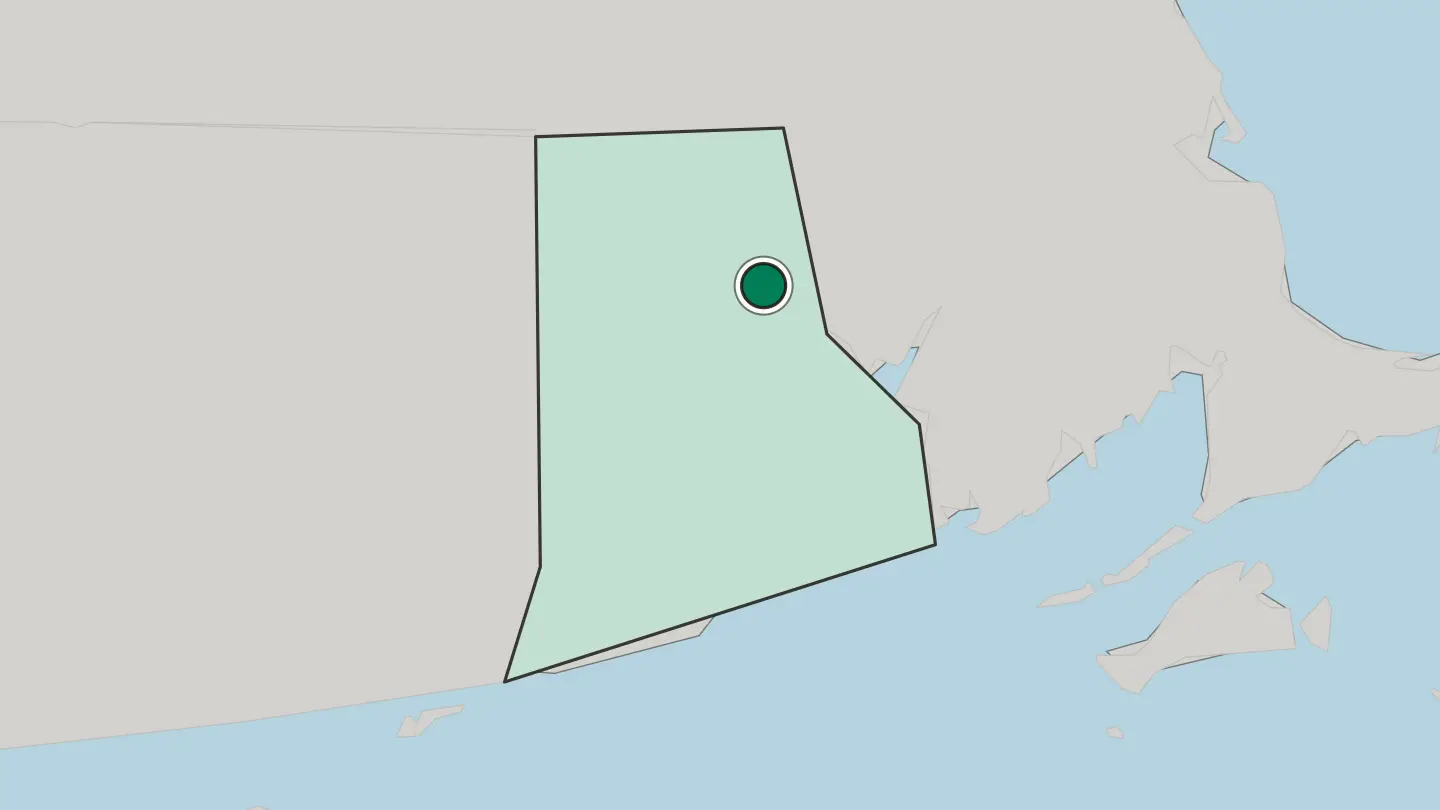
 United States
Warwick
Warwick, founded in 1642 by Samuel Gorton, is Rhode Island's third-largest city, a spread of beaches and saltwater bays south of Providence.Where to stay →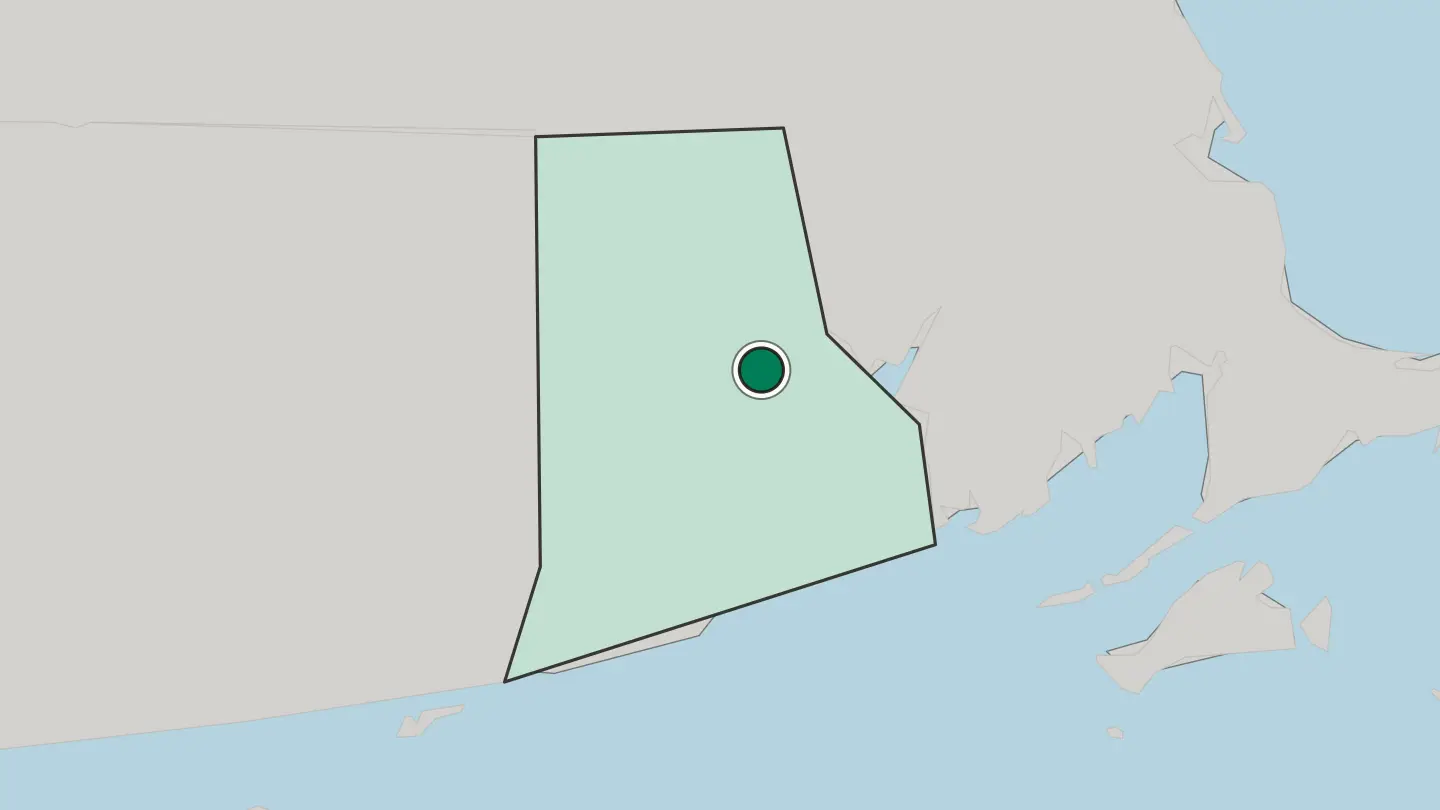
 United States
Cranston
Cranston, once called Pawtuxet, is the second-largest city of Rhode Island, lying between Providence to the north and Warwick to the south.Where to stay →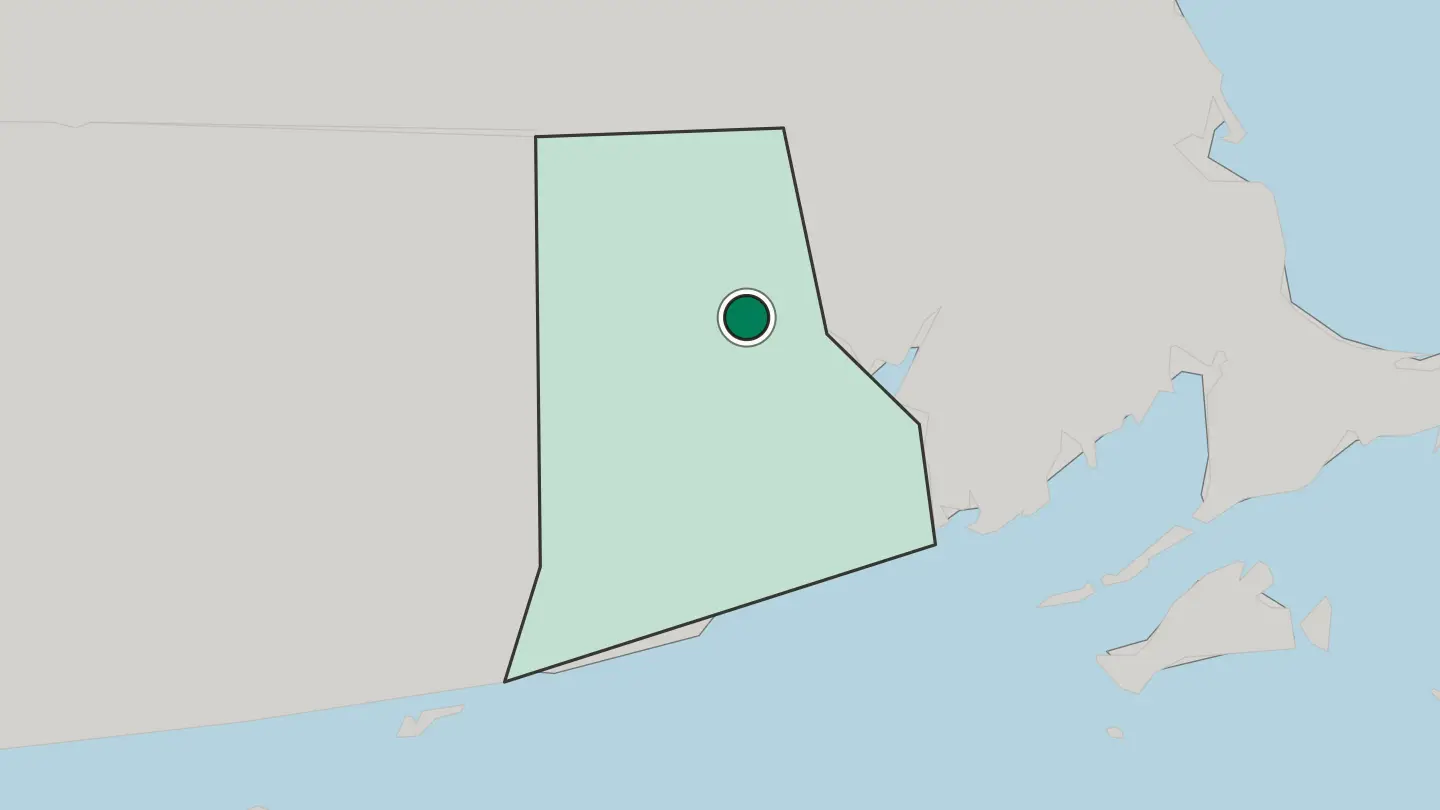
 United States
Pawtucket
Pawtucket, founded in 1671, is a compact Rhode Island mill city holding the Slater Mill Historic Site and the Pawtucket Looff Carousel.Where to stay →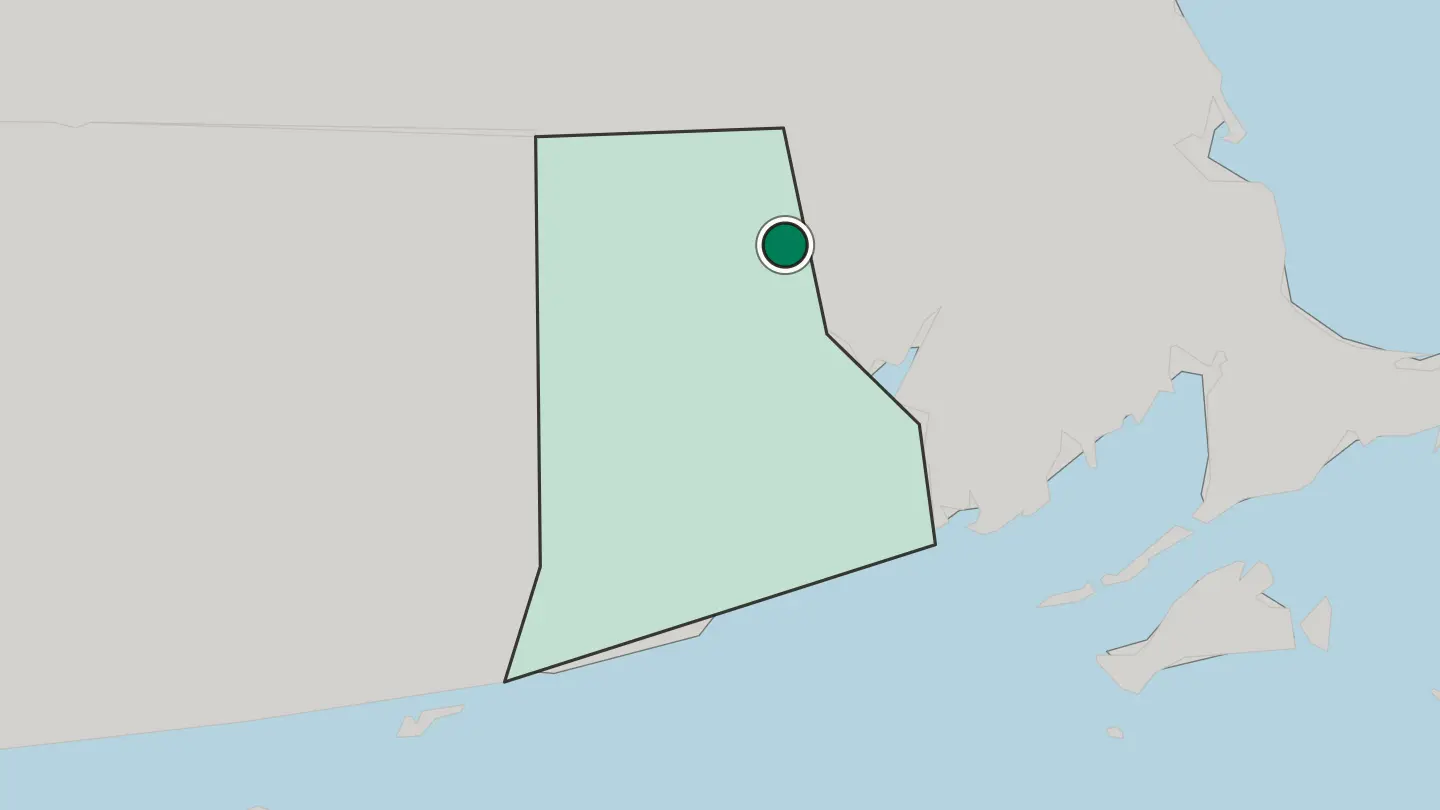
Hotel links are affiliate links: booking through them may earn us a commission, at no extra cost to you. It never affects how places are ranked. How this works
About Rhode Island
Two places carry the Ocean State.
What is Rhode Island known for?
Newport made its name in the Gilded Age, when railroad and banking families built marble summer palaces like The Breakers above the sea, and the Cliff Walk still threads the lawns between mansion and surf. Providence holds the other half. The capital runs on Brown University and the Rhode Island School of Design, on the fires of WaterFire floating down its rivers, and on the Italian kitchens of Federal Hill.
Sailing is the state sport. Newport hosted the America's Cup for half a century, and Block Island lies off the southern coast for the summer crowds.
Where is Rhode Island?
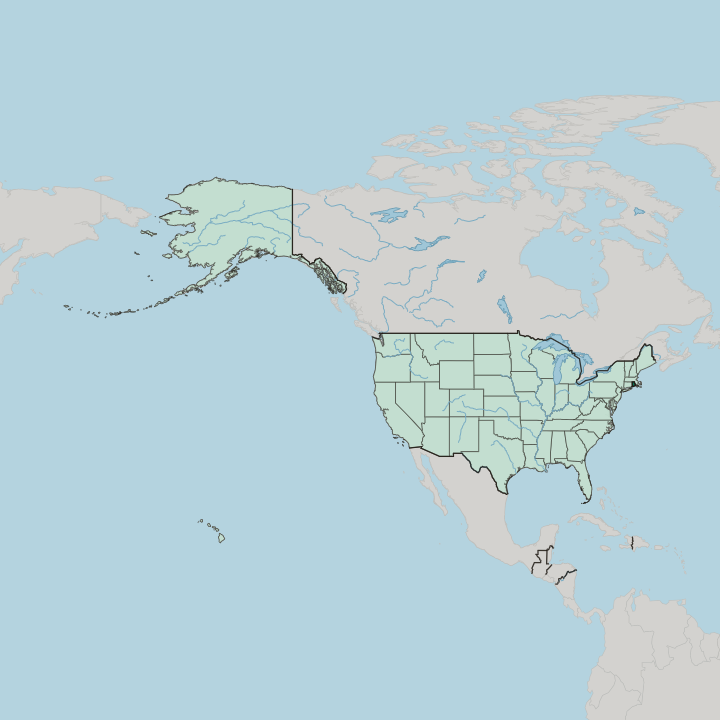
Rhode Island is the smallest state in the country. It sits in New England, bordered by Connecticut on the west and by Massachusetts along the north and east, with the Atlantic Ocean opening to the south. Narragansett Bay is the heart of it.
The bay reaches deep inland from Rhode Island Sound, splitting the state into an eastern shore, a western shore, and a scatter of more than 30 islands in between. Providence stands at the head of the bay, where several rivers meet the tide. From there the water widens south past the Claiborne Pell Newport Bridge toward the open Atlantic Ocean.
The islands give the state its shape. Aquidneck Island carries Newport and its harbour, Conanicut Island lies across the channel at Jamestown, and Block Island sits alone out in Block Island Sound off the southern coast. For all its small size, Rhode Island claims over 400 miles of tidal coastline of bays, coves, and salt ponds.
Little of that is on the mainland edge. The land itself stays low and rolling, rising only to modest wooded hills in the northwest, and the highest ground barely clears 800 feet. In the north the Blackstone River drops over the falls at Pawtucket, the old water power that once turned the mills.
A maritime border runs south with New York, east of Long Island. In Rhode Island, you are never far from the water.
What is Rhode Island like?
Rhode Island wears its independence openly. The colony was founded on religious liberty by Roger Williams, and that streak still runs through a small state that has always done things its own way. Newport shows the older layer, where the Touro Synagogue has stood since colonial times and the marble mansions recall the Gilded Age.
Providence is younger in spirit. Brown University and the Rhode Island School of Design fill the capital with students and artists, and the fires of WaterFire draw crowds to the rivers on summer nights. Music runs deep here.
The Newport Folk Festival and the Newport Jazz Festival have drawn players to the harbour forts for generations, and Newport still races yachts where the America's Cup once ran. The table is its own dialect. Locals drink coffee milk, fry clam cakes and squid pulled off Point Judith, and stuff quahogs into the shells they call stuffies.
Portuguese and Italian families gave the mill cities much of their character. Every June, Bristol lays on the oldest Fourth of July parade in the country, and the whole state treats the Ocean State nickname as a promise. English is the common language.
What is the history of Rhode Island?
Roger Williams founded Rhode Island. Banished from the Massachusetts Bay Colony for his beliefs, he bought land from the Narragansett people and laid out Providence in 1636 as a refuge for the religiously dissenting. Other outcasts followed him onto Aquidneck Island.
The colony grew rich on Atlantic trade out of Newport, then turned rebel early: it was the first colony to renounce the British crown, in 1776, and the last of the thirteen to ratify the Constitution, in 1790. Water power did the rest. Samuel Slater's mill on the Blackstone River at Pawtucket set the American Industrial Revolution running in the 1790s.
What is the climate of Rhode Island?
Rhode Island runs through four clear seasons. Winters are cold and often snowy, though Narragansett Bay and the open Atlantic hold the shoreline a few degrees milder than the wooded interior in the northwest. Summer arrives warm and muggy across Rhode Island.
Sea breezes off the bay keep Newport and Block Island cooler in July than Providence at the head of the water. Autumn brings the color. Cool nights set the hardwood ridges of the northwest turning red and gold before the first snow reaches the coast.
How do you get to Rhode Island?
Most visitors fly or drive in. The Green Airport at Warwick, just south of Providence, handles the state's own flights, while many travellers use Boston Logan an hour to the north and drive down Interstate 95. Rail is another way in.
Amtrak runs the Northeast Corridor straight through Providence, with smaller stops at Kingston and Westerly, linking the state to New York and Boston. The rest is done by boat. Ferries cross to Block Island from Point Judith and from Newport, out across Block Island Sound to the only offshore town in the state.
Common questions
What is the best area to stay in Rhode Island?
Providence: the capital, its colleges, and WaterFire nights. Newport: the Gilded Age mansions and the harbour. Block Island: a car-light summer island offshore. The South County shore: the surf beaches of the southern coast.
Good for
More regions in United States
Updated September 2026