United States · Rhode Island
Where to Stay in Warwick, Rhode Island
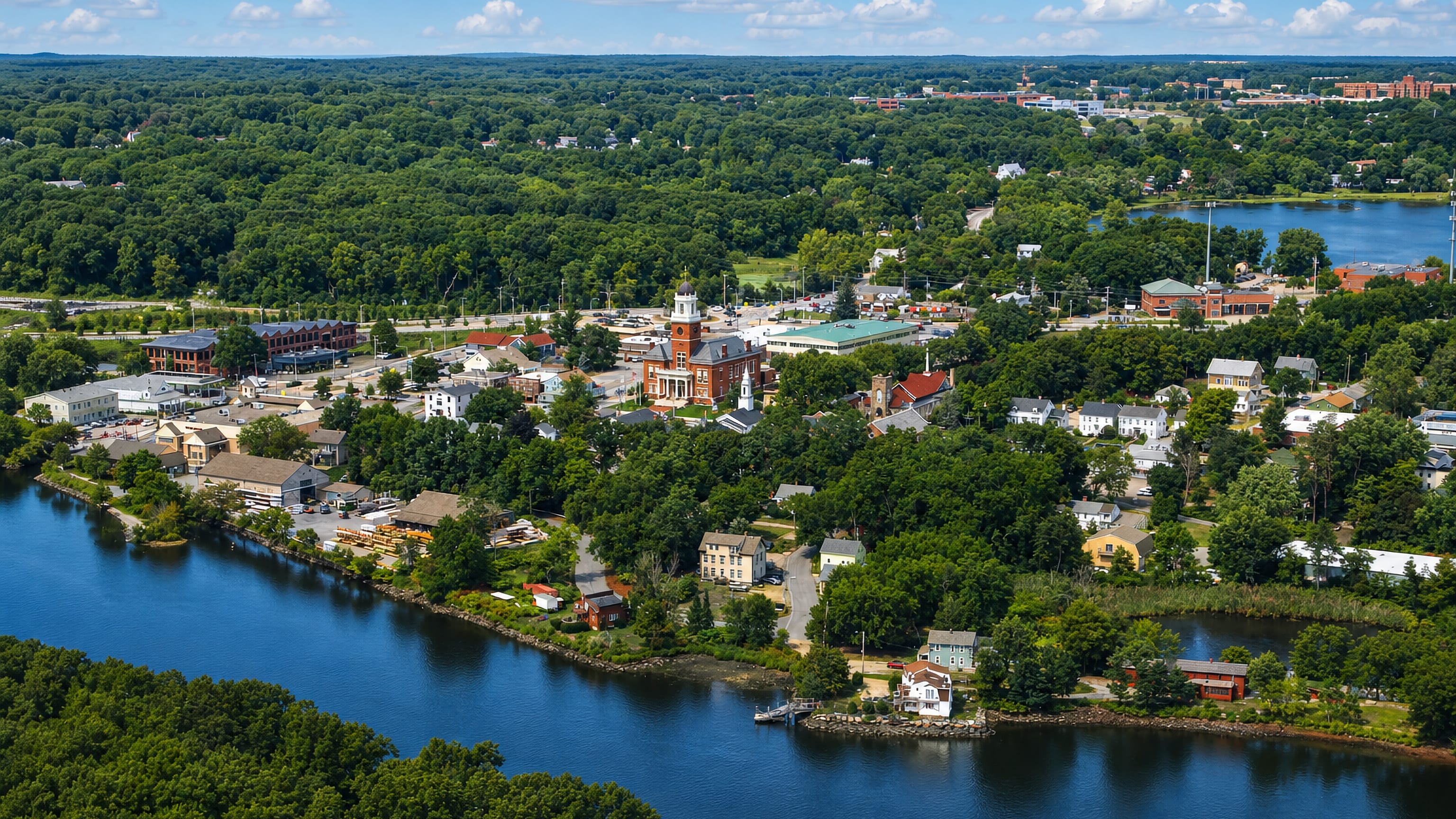
Warwick, founded in 1642 by Samuel Gorton, is Rhode Island's third-largest city, a spread of beaches and saltwater bays south of Providence.
Hotel links are affiliate links: booking through them may earn us a commission, at no extra cost to you. It never affects how places are ranked. How this works


Where to stay in Warwick
How the choice of base plays out on the ground.
The water decides most stays here. Beaches and saltwater bays give Warwick the shoreline that brings most of its visitors, and a room on that side puts the sand and the water within reach before anything else. Colonial history is the second reason.
The Greene-Durfee House, the Greene-Bowen House, the Moses Greene House, and the Peter Greene House are the names on the city's landmark list, and the Warwick Museum of Art sits among them. Budlong Farm is on it too, a reminder of the farming ground that preceded the streets. Providence is about twelve miles north.
That distance makes Warwick a practical base for anyone splitting time between Providence and the shore, since the drive in either direction is short. A beach week and a history week want different corners of the city. Boston lies 63 miles to the north-east, and New York City 171 miles the other way, which puts Warwick within a day's driving of both.
Kent County spreads around it. Warwick covers about 129 square kilometres, which is large for Rhode Island, so the choice of corner matters more here than in a compact city.
Find hotels in Warwick
Direct booking searches for these neighbourhoods.
The bayside edge
The beaches and saltwater bays along Warwick's shoreline are what bring most summer visitors south from Providence.Find hotels in The bayside edgeStays combining the museum with the Greene family housesAround the Warwick Museum of Art
The Warwick Museum of Art is the city's one public collection, and the Greene-Durfee House and Budlong Farm share the same landmark list.Find hotels in Around the Warwick Museum of ArtDrivers basing twelve miles south of ProvidenceThe Providence road
Twelve miles separate Warwick from Providence, which makes this corner of Kent County a base for both the shore and the larger city.Find hotels in The Providence roadHotel links are affiliate links: booking through them may earn us a commission, at no extra cost to you. It never affects how places are ranked. How this works
Things to do in Warwick
Ranked by global recognition; descriptions from Wikidata (CC0).
Museums & Galleries
1- Warwick Museum of Art
Landmarks & Notable Places
6- Budlong Farm Heritage
- Peter Greene House Heritage
- John R. Waterman House Heritage
- Moses Greene House Heritage
- Greene-Bowen House Heritage
Show 1 more →
- Greene-Durfee House Heritage
worth knowingacross 2 categories in Warwick
About Warwick
Water and colonial history carry Warwick.
What is Warwick known for?
Beaches and saltwater bays edge the city, and the colonial past that Samuel Gorton began in 1642 is the other reason visitors come, with the Revolutionary War written into the same record. The Greene name marks four of its landmarks. Greene-Durfee House, Greene-Bowen House, Moses Greene House, and Peter Greene House all sit on the list, alongside Budlong Farm and the Warwick Museum of Art.
Kent County holds it all.
What are the main landmarks in Warwick?
Seven names carry the list. The Warwick Museum of Art is the public one, and the rest are houses and farmland: the Greene-Durfee House, the Greene-Bowen House, the Moses Greene House, the Peter Greene House, and Budlong Farm. The Greene name runs through four of them.
That repetition says as much about who held land here in the colonial century as any of the individual buildings do.
What is the history of Warwick?
Samuel Gorton founded Warwick in 1642. The date puts the settlement early, and the colonial century that followed left the Greene houses and Budlong Farm on the modern landmark list. The Revolutionary War reached here.
Warwick played a part in it, which is one reason the colonial history draws visitors as much as the beaches and saltwater bays do. Kent County is its administrative frame. The beaches and saltwater bays that draw visitors were the working edge of a colonial town long before they were a holiday one.
The Greene family recurs through the record. Greene-Durfee House, Greene-Bowen House, Moses Greene House, and Peter Greene House all carry the name, and all of them belong to the older Warwick that preceded the city of about 129 square kilometres it grew into. Providence sits twelve miles north.
Warwick became the third-largest city of Rhode Island, and the shore that once meant farmland now brings the visitors, which is the plainest change the centuries made here. Tourism came much later, and the colonial history and the beaches work together as the two things the city is known for outside Rhode Island. The Warwick Museum of Art holds the newer layer.
Where is Warwick?
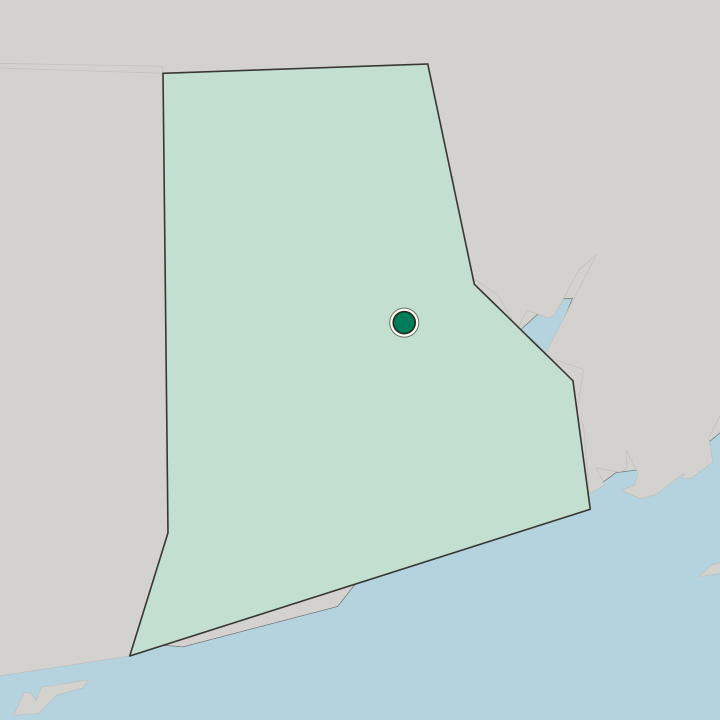
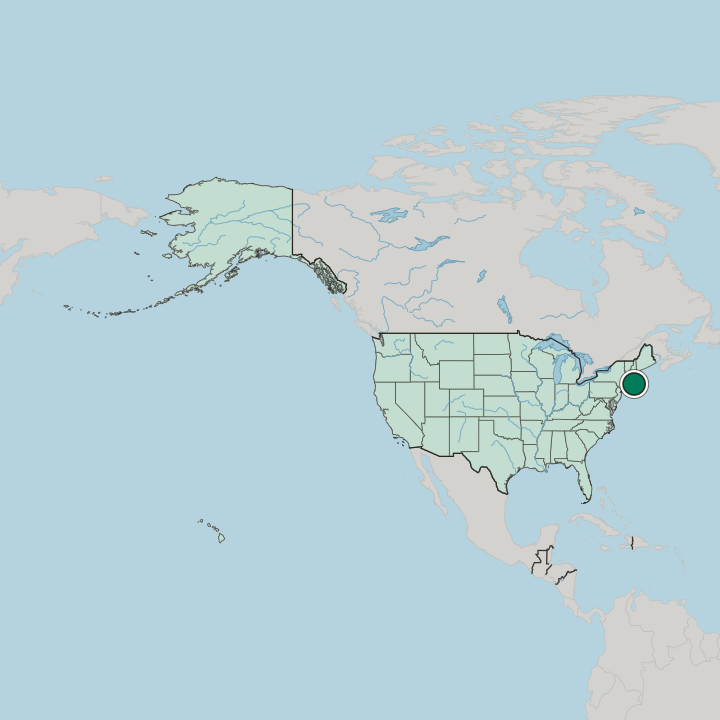
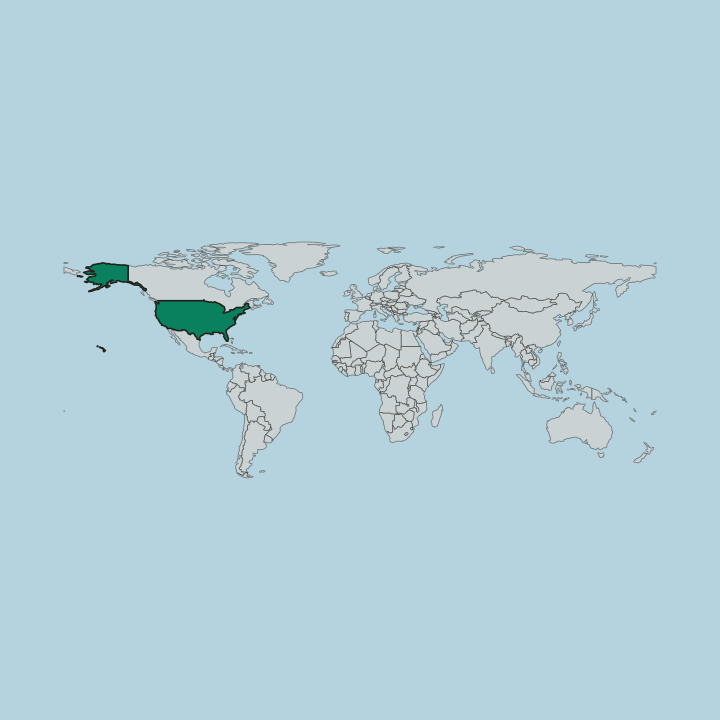
Warwick is a shore city. About 129 square kilometres of Kent County make it up, with beaches and saltwater bays along the edge and Providence roughly twelve miles to the north. Boston is 63 miles off to the north-east, and New York City 171 miles in the opposite direction.
Rhode Island ranks it third among its cities.
What is the climate of Warwick?
The saltwater bays keep the edges of Warwick milder than the inland ground, which is the usual arrangement on a temperate coast. Beaches make the summer case. Cold arrives with the other half of the year, and the shoreline that fills in warm months empties as the season turns, which is the rhythm a coastal city runs on.
How do you get to Warwick?
Providence is the near approach, twelve miles up the road. Boston sits 63 miles to the north-east and New York City 171 miles the other way, which makes Warwick a stop on a long coastal run as much as a destination in itself. Kent County roads do the rest.
The city covers about 129 square kilometres, so the beaches, the Warwick Museum of Art, and the Greene houses are not all in one place.
Common questions
What is the best area to stay in Warwick?
The bayside edge: Beach weeks on Warwick's saltwater bays. Around the Warwick Museum of Art: Stays combining the museum with the Greene family houses. The Providence road: Drivers basing twelve miles south of Providence.
Good for
More cities in Rhode Island
Updated September 2026