United States · Wyoming
Where to Stay in Casper, Wyoming
Casper is the county seat of Natrona County and the second-largest city in Wyoming, long known as The Oil City for the fields worked nearby.
Hotel links are affiliate links: booking through them may earn us a commission, at no extra cost to you. It never affects how places are ranked. How this works


Where to stay in Casper
Where visitors usually base themselves, and why.
The Ford Wyoming Center pulls one way. Events fill that arena and a room near it saves the drive back, which is worth something in a city where the arena, the ballfields, and the museums are not on the same street. Casper is a stopping place first.
Many travellers take a room here because the road across Wyoming demands one, and for them the useful question is the exit rather than the neighbourhood. Two ballfields set a second option. George Tani Field and Mike Lansing Field draw the visitors who came for a game rather than for the road, and staying within reach of both keeps a weekend of fixtures from turning into a series of long drives.
Culture takes a third. The Nicolaysen Art Museum and the Church of Saint Anthony belong to the civic side of Natrona County's seat, and a room in that part of Casper suits a visitor whose day is not built around a fixture. One detour is worth making.
The National Historic Trails Interpretive Center holds the ground that predates the oil, and beds within reach of it suit anyone treating Casper as a stop with a purpose rather than as a night's shelter on the way somewhere else. Salt Creek Oil Field lies out beyond. Nothing about the choice here is complicated, since Casper is compact enough that the wrong end of town costs a traveller minutes rather than an evening.
Find hotels in Casper
Direct booking searches for these neighbourhoods.
Near the Ford Wyoming Center
The Ford Wyoming Center takes the events that fill Casper's calendar, and the way back from it is short.Find hotels in Near the Ford Wyoming CenterWeekends built around George Tani Field and Mike Lansing Field.The ballfield end of town
Both of the city's named ballfields fall within one short run of this ground. Lodging is scarce in this area; reserve in advance.Find hotels in The ballfield end of townVisitors keeping an art museum and a church in the same outing.The Nicolaysen and Saint Anthony blocks
The Nicolaysen Art Museum and the Church of Saint Anthony give this part of Natrona County's seat its civic character. Lodging is scarce in this area; reserve in advance.Find hotels in The Nicolaysen and Saint Anthony blocksStays treating Casper as the trail stop it once was.Toward the National Historic Trails Interpretive Center
The National Historic Trails Interpretive Center is the one draw here older than the Salt Creek Oil Field. Lodging is scarce in this area; reserve in advance.Find hotels in Toward the National Historic Trails Interpretive CenterHotel links are affiliate links: booking through them may earn us a commission, at no extra cost to you. It never affects how places are ranked. How this works
Things to do in Casper
Ranked by global recognition; descriptions from Wikidata (CC0).
Museums & Galleries
1- The Nicolaysen Art Museum
Churches & Religious Sites
1- Church of Saint Anthony Heritage
Stadiums & Sports
3- Ford Wyoming Center
- Mike Lansing Field
- George Tani Field
worth knowingacross 3 categories in Casper
About Casper
Oil made the name.
What is Casper known for?
Casper carries the nickname The Oil City, and the boomtown decades behind it trace back to the development of the Salt Creek Oil Field not far off, which set the pattern for the working town that followed. Cowboy culture runs alongside it. The National Historic Trails Interpretive Center takes the older story, the historic trails its name points to rather than the derricks.
What are the main landmarks in Casper?
Six names, no monument among them. The Ford Wyoming Center and two ballfields, George Tani Field and Mike Lansing Field, give Casper a landmark list weighted toward events rather than architecture. The Nicolaysen Art Museum handles the art.
Church of Saint Anthony and the National Historic Trails Interpretive Center round it out, one for worship and one for the routes that crossed Natrona County long before the oil.
What is the history of Casper?
Oil wrote the first chapter. The Salt Creek Oil Field lies not far from the city, and its development is what turned Casper from a point on the map into a boomtown with a nickname attached. The Oil City stuck.
Cowboy culture ran through the same decades, so the town's record carries two threads at once rather than one, and neither has replaced the other in the way the place describes itself. Trails came before the wells. The National Historic Trails Interpretive Center exists because the overland routes reached this part of Natrona County long before anyone drilled here, which makes it the one institution in Casper concerned with the ground rather than with what came out of it.
Wyoming built its seat here. Casper has served as the county seat of Natrona County while growing into the state's second-largest city after Cheyenne. Buildings record the later town.
The Church of Saint Anthony and the Nicolaysen Art Museum belong to the settled city rather than to the boom, and the Ford Wyoming Center, George Tani Field, and Mike Lansing Field speak for the decades after the derricks stopped defining every street. Sport arrived with stability. What Casper keeps from the boom is mostly the name and the field that caused it, the Salt Creek Oil Field, still the reason The Oil City means anything at all.
Where is Casper?
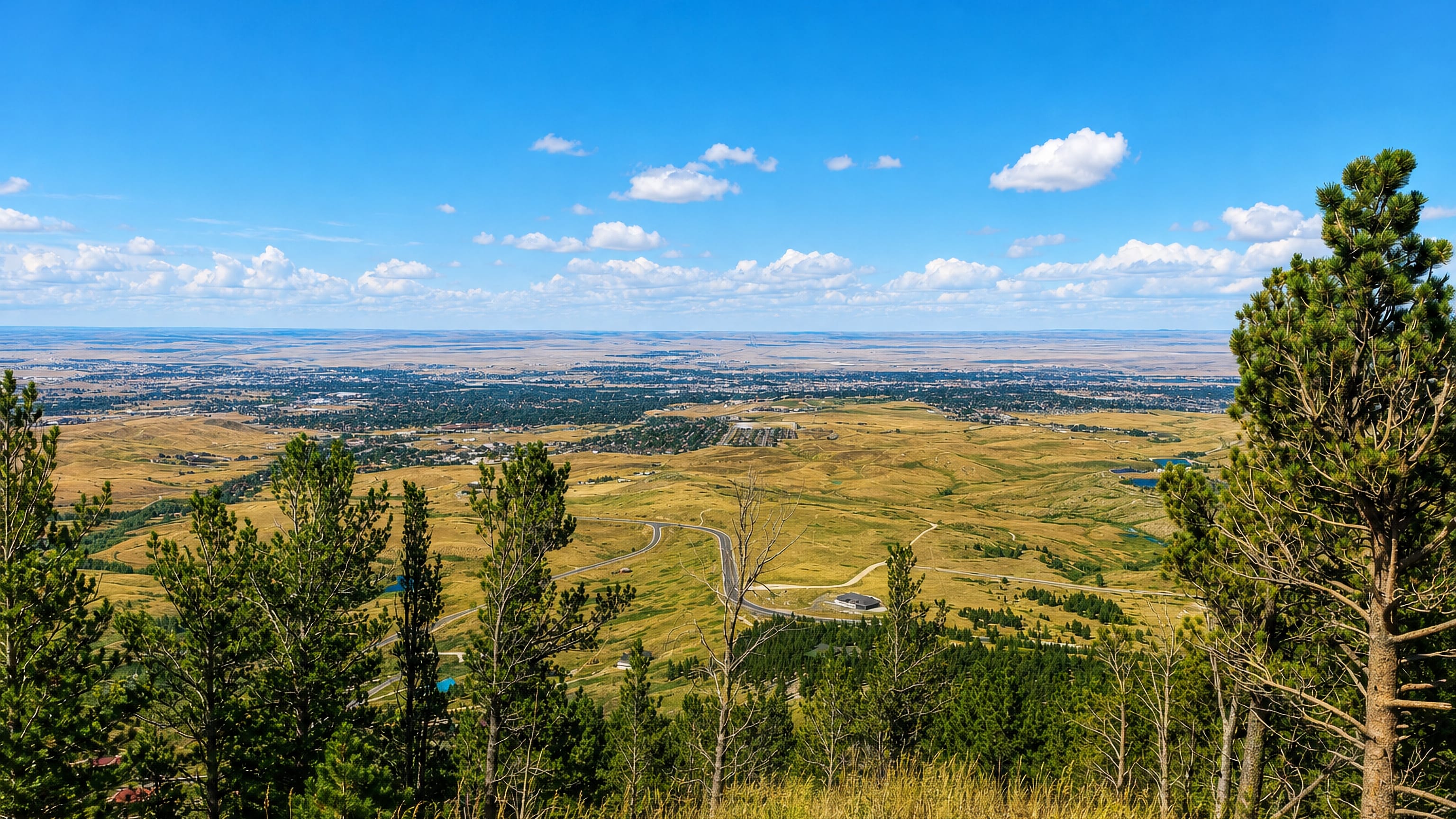
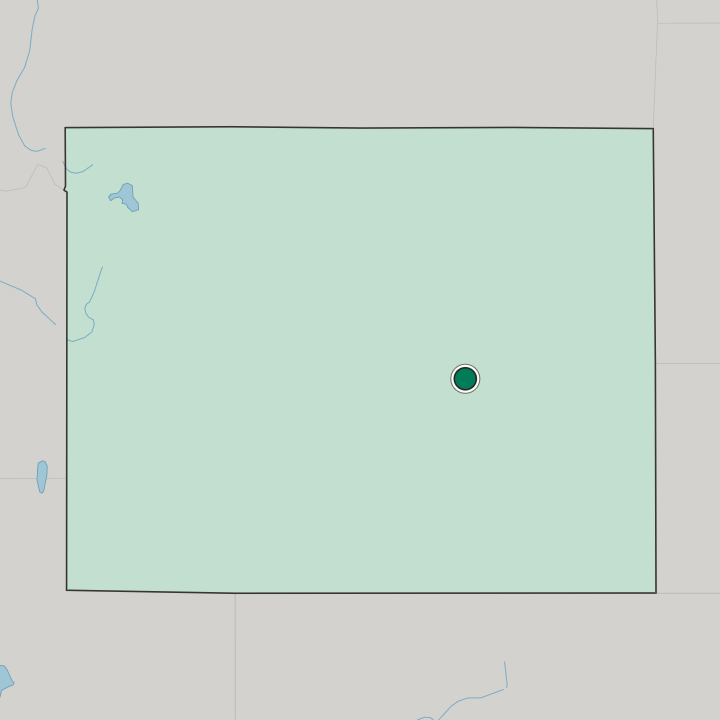
Natrona County frames it. Casper occupies open country in the middle of Wyoming, with the Salt Creek Oil Field out beyond the built-up ground and the rest of the state running to national parks and forest in its far corners. Nothing crowds the city in.
Casper spreads across ground that gives it room, which is why the arena, the ballfields, and the museums stand apart from one another rather than in a single quarter.
What is the climate of Casper?
Wyoming's open interior sets the terms. Casper sits far from any coast on the temperate band, so the year runs to wide swings rather than narrow ones, and the wind across open country is part of the arrangement. Winter arrives in earnest.
The Ford Wyoming Center, the Nicolaysen Art Museum, and the National Historic Trails Interpretive Center are the indoor answer on the days when nothing outside repays the effort.
How do you get to Casper?
The road brings nearly everyone. Casper works as the overnight stop for anyone crossing Wyoming, and it is where travellers pick up food and supplies before turning toward the national parks or the forests that lie beyond Natrona County. Cheyenne is the larger city.
Arrivals here find the Ford Wyoming Center, the ballfields, and the National Historic Trails Interpretive Center spread across town rather than gathered at one exit, so a car stays useful after the arrival.
Common questions
What is the best area to stay in Casper?
Near the Ford Wyoming Center: Arena nights that should end without a long drive.. The ballfield end of town: Weekends built around George Tani Field and Mike Lansing Field.. The Nicolaysen and Saint Anthony blocks: Visitors keeping an art museum and a church in the same outing.. Toward the National Historic Trails Interpretive Center: Stays treating Casper as the trail stop it once was..
Good for
Another city in Wyoming
Updated September 2026