United States · Wyoming
Where to Stay in Cheyenne, Wyoming
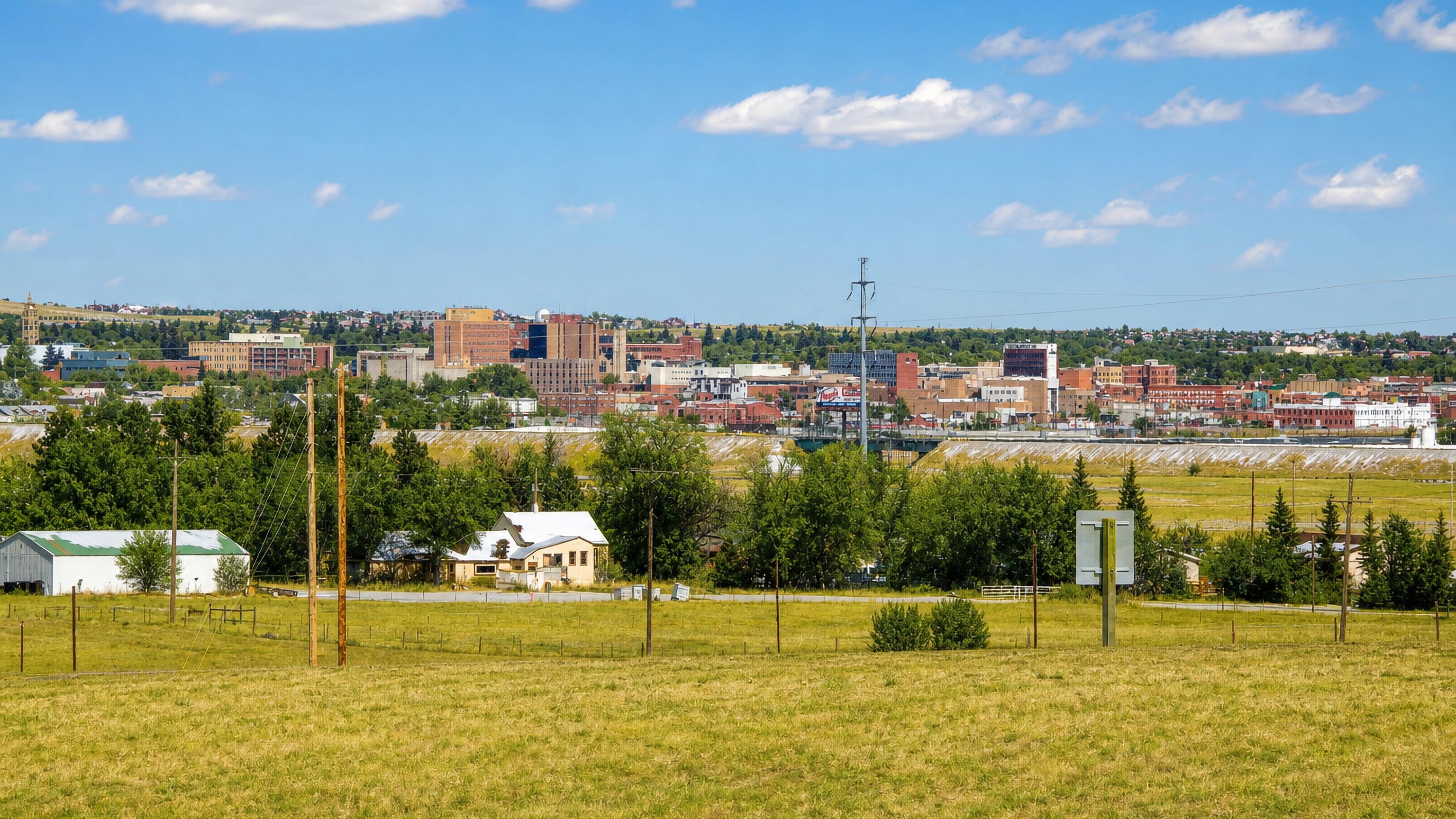
Frontier brick and railroad iron mark Cheyenne, a plains city in Wyoming, known for Cheyenne Frontier Days and the Cheyenne Depot Museum.
Hotel links are affiliate links: booking through them may earn us a commission, at no extra cost to you. It never affects how places are ranked. How this works


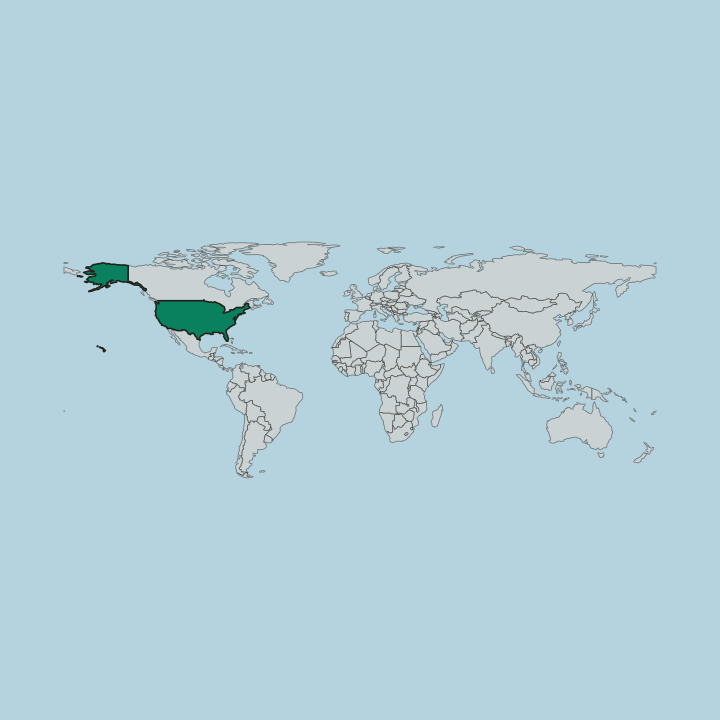
Where to stay in Cheyenne
Where the beds are, and what that means for the visit.
Cheyenne centres on its railroad-era downtown, and where you stay divides between the old core and the wider city spread across the plains. The historic centre gathers the Cheyenne Depot Museum, the Wyoming State Museum, and a run of grand old houses within walking distance of the tracks. This is the base for travellers here for the frontier heritage and the walkable streets.
Trains still pass through. Beyond the downtown, Cheyenne opens out across the flat Wyoming plains, plainer and more modern in feel. Out here lie the Cheyenne Frontier Days grounds, with the Old West Museum and the arena that host the ranching festival, along with quieter residential streets away from the centre.
Visitors who want to be near the rodeo grounds, or who prefer an ordinary setting on the edge of town, base themselves out here rather than downtown. The two parts sit a short drive apart, so your choice turns on whether the historic core or the frontier grounds matters more to your stay.
Find hotels in Cheyenne
Direct booking searches for these neighbourhoods.
Historic downtown
The railroad-era core of Cheyenne gathers the Cheyenne Depot Museum and the Wyoming State Museum among grand old houses within walking distance of the tracks.Find hotels in Historic downtownRodeo season at the Cheyenne Frontier Days arenaFrontier grounds
The edge of Cheyenne holds the Cheyenne Frontier Days grounds, with the Old West Museum and the arena that host the ranching festival on the Wyoming plains.Find hotels in Frontier groundsHotel links are affiliate links: booking through them may earn us a commission, at no extra cost to you. It never affects how places are ranked. How this works
Things to do in Cheyenne
Ranked by global recognition; descriptions from Wikidata (CC0).
Museums & Galleries
1- Cheyenne Frontier Days Old West Museum
Churches & Religious Sites
1- St. Mark's Episcopal Church Heritage
Stadiums & Sports
2- Cheyenne Frontier Days Arena
- Taco John's Events Center
Landmarks & Notable Places
8- William Sturgis House Heritage
- Nagle Warren Mansion Heritage
- Whipple-Lacey House Heritage
- Moreton Frewen House Heritage
- Castle on 19th Street Heritage
Show 3 more →
- Crook House Heritage
- Charles L. Beatty House Heritage
- Ferdinand Lafrentz House Heritage
worth knowingacross 4 categories in Cheyenne
About Cheyenne
What is Cheyenne known for?
Cheyenne is known as a railroad and frontier city on the high plains of Wyoming. Its name comes from the Cheyenne, a people of the Great Plains. The old railway depot, kept as the Cheyenne Depot Museum, marks the line that built the town, while Cheyenne Frontier Days, with its Old West Museum and arena, keeps the ranching heritage alive.
The Wyoming State Museum gathers the wider story of the state. Rail and range define it.
What are the main landmarks in Cheyenne?
Cheyenne keeps its landmarks between the railroad depot and the frontier grounds. The Cheyenne Depot Museum fills the old railway station, while the Cheyenne Frontier Days Old West Museum and the Cheyenne Frontier Days Arena hold the ranching festival. The Wyoming State Museum gathers the wider state record within its walls.
Grand houses survive too. Boom-year mansions line the streets, among them the Nagle Warren Mansion, the Castle on 19th Street, the Crook House, and the Moreton Frewen House, alongside St. Mark's Episcopal Church and the William Sturgis House.
What is the history of Cheyenne?
Cheyenne was founded in 1867 in Wyoming, born as a railroad town where the transcontinental line reached the high plains. It grew fast as a division point on the railway, a rough end-of-track settlement that quickly became a supply and cattle centre for the surrounding range. The railway made it.
Its name was taken from the Cheyenne, a people of the Great Plains, and the town rose on the open grassland they had long crossed. Cattle wealth built the city that followed the boom. Ranchers and railway men raised the grand houses that still line the old streets, among them the Nagle Warren Mansion, the Crook House, and the Moreton Frewen House.
The frontier culture of the range found lasting form in Cheyenne Frontier Days, the ranching festival whose Old West Museum keeps that heritage. The Cheyenne Depot Museum holds the railway story in the original station, and the Wyoming State Museum gathers the wider record, so that the arc from the founding of 1867 through the cattle years still stands in the buildings of the city.
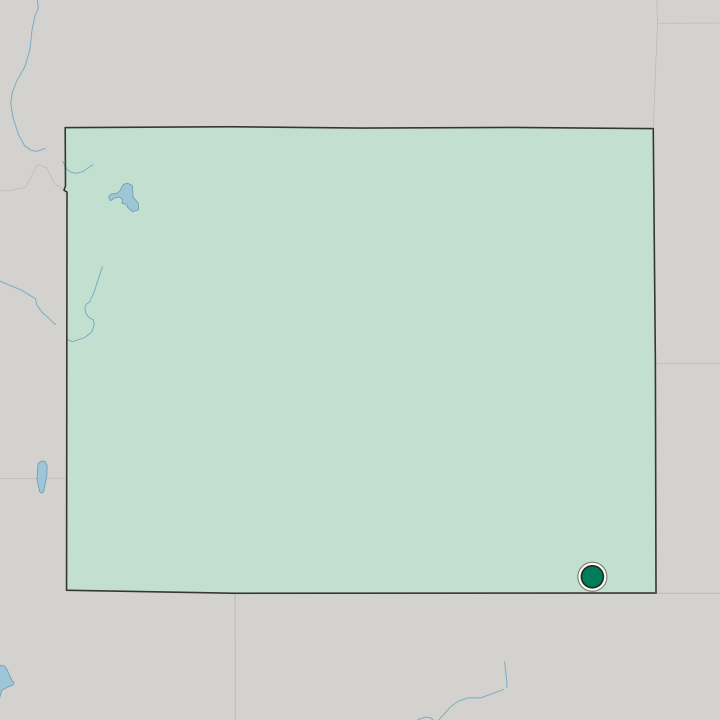
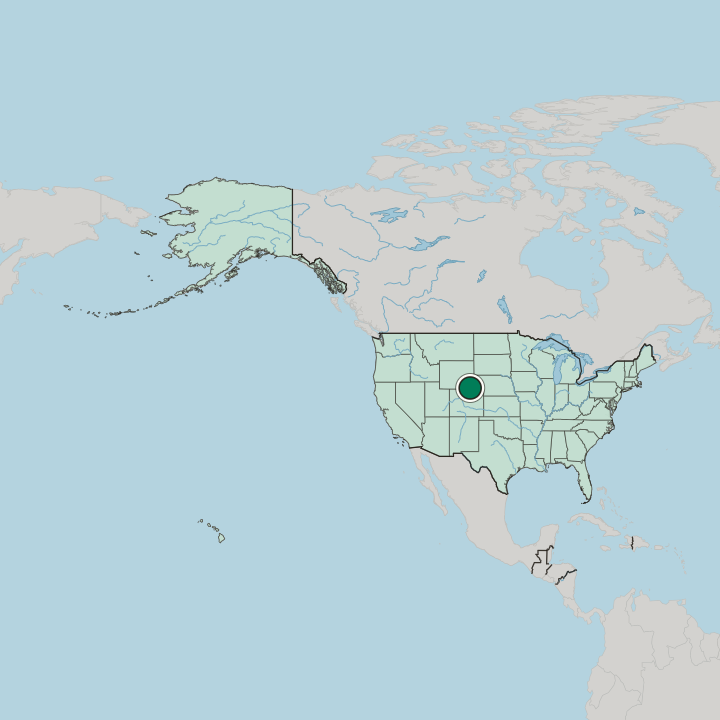
Where is Cheyenne?
Cheyenne lies on the high plains of Wyoming, on open, treeless grassland far above the sea. The city sits on flat, dry ground where the Great Plains meet the higher country to the west, the land rolling away to the horizon on every side. Wind crosses it freely.
Built at altitude on the exposed prairie, Cheyenne spreads across level terrain, its streets laid out on the open plain that stretches unbroken around the edges of the built-up town.
What is the climate of Cheyenne?
Cheyenne has a dry, windy climate typical of the high plains of Wyoming. Its altitude brings cold, snowy winters and warm summers with cool nights, and strong prairie winds blow across the open grassland through much of the year. The wind rarely stops.
Little rain reaches this exposed country, and the swing between the hot days and cold nights of the Great Plains marks the seasons around Cheyenne.
How do you get to Cheyenne?
Cheyenne is reached by the interstate highways and the railway that cross the high plains of Wyoming. The main east-west and north-south routes meet near the city, carrying most arrivals across the open grassland into town. The roads run straight here.
A small airport serves the city, but most travellers drive in along the interstates over the plains, arriving at Cheyenne where the great rail and road corridors of the region still come together.
Common questions
What is the best area to stay in Cheyenne?
Historic downtown: Frontier heritage around the Cheyenne Depot Museum. Frontier grounds: Rodeo season at the Cheyenne Frontier Days arena.
Good for
Another city in Wyoming
Updated September 2026