Uruguay · Departamento de Montevideo
Where to Stay in Montevideo, Departamento de Montevideo
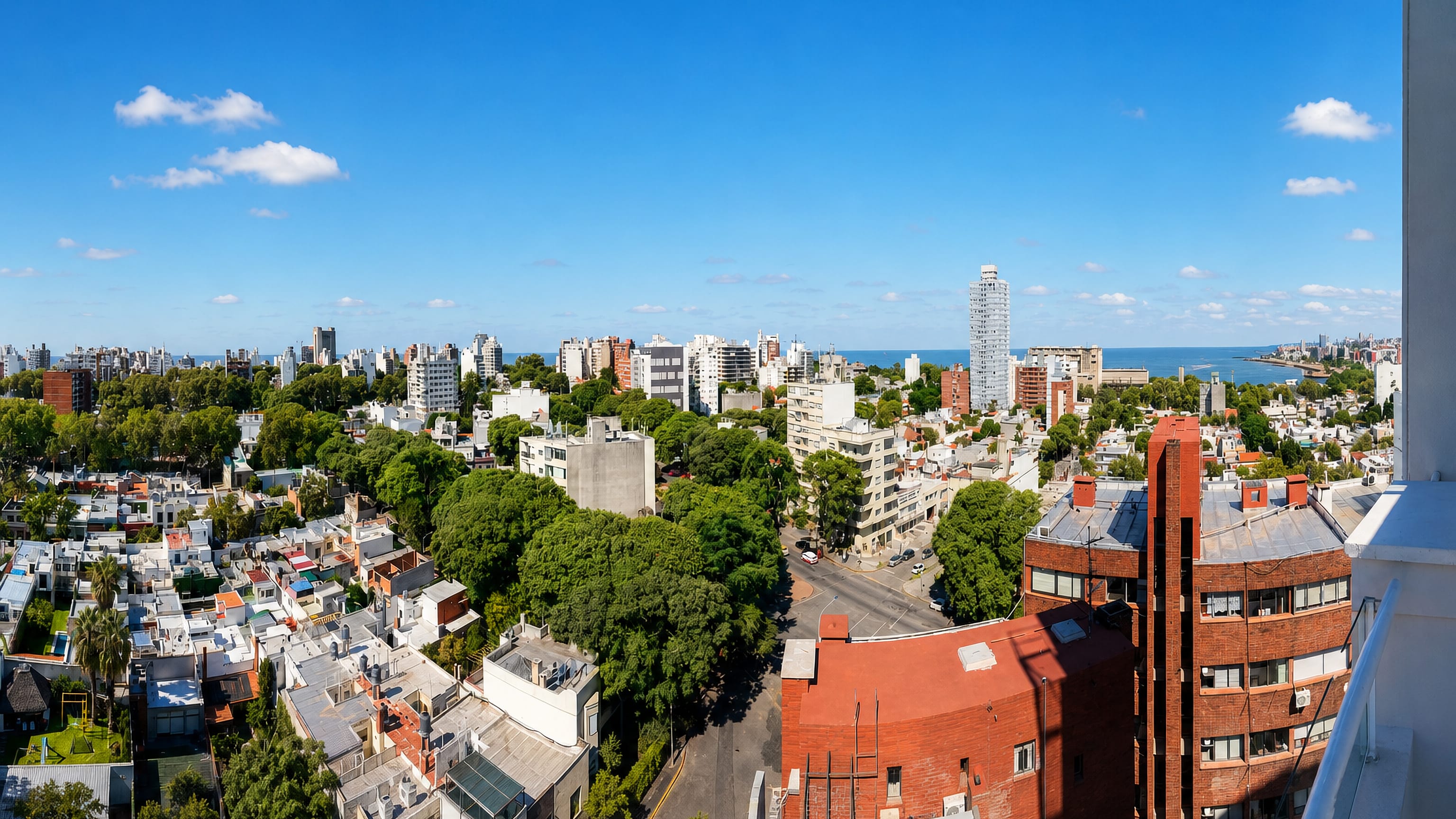
Wide water opens along the Río de la Plata at Montevideo, capital and largest city of Uruguay, known for the Artigas Mausoleum and its museum quarter.
Hotel links are affiliate links: booking through them may earn us a commission, at no extra cost to you. It never affects how places are ranked. How this works


Where to stay in Montevideo
Not every neighbourhood fits every trip — here's what each one is good for.

 MontevideoUruguay
Centro
Centro is a barrio of Montevideo carrying two dozen listed sites, the Museo Torres García and the Monument to Artigas among them.Where to stay → MontevideoUruguay
Barrio Sur
Barrio Sur is a barrio of Montevideo between Ciudad Vieja to the west, Palermo to the east and the coastline along its southern edge.Where to stay → MontevideoUruguay
Cordón
Cordón is a district of Montevideo. Casa Barreira and the Monumento al Bombero stand among its blocks, with two museums a short walk away.Where to stay → MontevideoUruguay
Parque Rodó
Parque Rodó names both a barrio of Montevideo and a park lying mostly in Punta Carretas, after the writer José Enrique Rodó.Where to stay → MontevideoUruguay
Tres Cruces
Tres Cruces is a barrio of Montevideo named for the crossing of Avenida 18 de Julio, Bulevar Artigas and Avenida 8 de Octubre.Where to stay →Hotel links are affiliate links: booking through them may earn us a commission, at no extra cost to you. It never affects how places are ranked. How this works
Find hotels in Montevideo
Direct booking searches for these neighbourhoods.
Old town
The historic core holds the Artigas Mausoleum on the main square with the Museo Torres García and the Museum of Pre-Columbian and Indigenous Art a short walk inland from the working port.Find hotels in Old townA quieter base along the Río de la Plata promenade east of the old coreRiverfront east
The residential ground east of the colonial grid follows the Río de la Plata bank, trading the museum-dense centre for space near the National Museum of Visual Arts and the waterfront walk.Find hotels in Riverfront eastHotel links are affiliate links: booking through them may earn us a commission, at no extra cost to you. It never affects how places are ranked. How this works
Things to do in Montevideo
Ranked by global recognition; descriptions from Wikidata (CC0).
Museums & Galleries
3- Museo Romántico of Montevideo Heritage
- Museo Pedagógico José Pedro Varela Heritage
- National Museum of Visual Arts
Churches & Religious Sites
6- Parroquia San Francisco de Asís Heritage
- Nuestra Señora del Carmen Heritage
- Capilla de la Caridad del Hospital Maciel, Montevideo Heritage
- Nuestra Señora de Lourdes y San Vicente Pallotti Heritage
- Templo de la Iglesia Metodista, Montevideo Heritage
Show 1 more →
- Parroquia Nuestra Señora del Huerto y San José Heritage
Castles & Historic Sites
8- Monument to Artigas Heritage
- El Gaucho, Montevideo Heritage
- Holocaust Memorial, Montevideo Heritage
- Vilamajó House Museum Heritage
- Casa Vaeza, Montevideo Heritage
Show 3 more →
- Casa de Rivera Heritage
- Casa de Juan Antonio Lavalleja Heritage
- Monumento a José Enrique Rodó Heritage
Stadiums & Sports
2- Velódromo Municipal de Montevideo
- Pista de Atletismo Darwin Piñeyrúa
Landmarks & Notable Places
1- Casa Barreira
worth knowingacross 5 categories in Montevideo
About Montevideo
What is Montevideo known for?
Montevideo is known as the capital and largest city of Uruguay, set on the northeastern bank of the Río de la Plata. It is the political and cultural centre of the country, its old core lined with museums such as the National Museum of Visual Arts and the Museo Torres García. The Artigas Mausoleum anchors its main square.
Founded as San Felipe y Santiago de Montevideo, the city carries a long Spanish colonial name and a dense heritage of galleries and civic monuments along the water.
What are the main landmarks in Montevideo?
The main landmarks in Montevideo cluster around the old town and its museum quarter on the Río de la Plata. The Artigas Mausoleum stands beneath the city's main square, a monument to the national hero at the heart of the capital of Uruguay. Museums abound.
The National Museum of Visual Arts and the Museo Torres García hold the country's art, while the National Museum of Natural History and the Museum of Pre-Columbian and Indigenous Art keep its natural and ancient record. The Carnival Museum marks the city's festival tradition.
What is the history of Montevideo?
Montevideo was founded in 1726 as San Felipe y Santiago de Montevideo, a Spanish colonial settlement laid out on the northeastern bank of the Río de la Plata. The site was chosen for its harbour. From that walled port on the river the city grew into the capital and largest city of Uruguay, its old grid still marking the ground where the first colonists staked out the town beside the sheltered bay.
The port shaped everything that followed. As the settlement spread inland from the water, it gathered the institutions of a national capital, and the Artigas Mausoleum on its main square honours the figure at the centre of the country's founding story. Montevideo became the seat of government of Uruguay.
Its museums, among them the Museo Torres García and the Museum of Pre-Columbian and Indigenous Art, hold the long record of that history, from the colonial harbour of 1726 to the modern city that grew up around the old quarter.
Where is Montevideo?
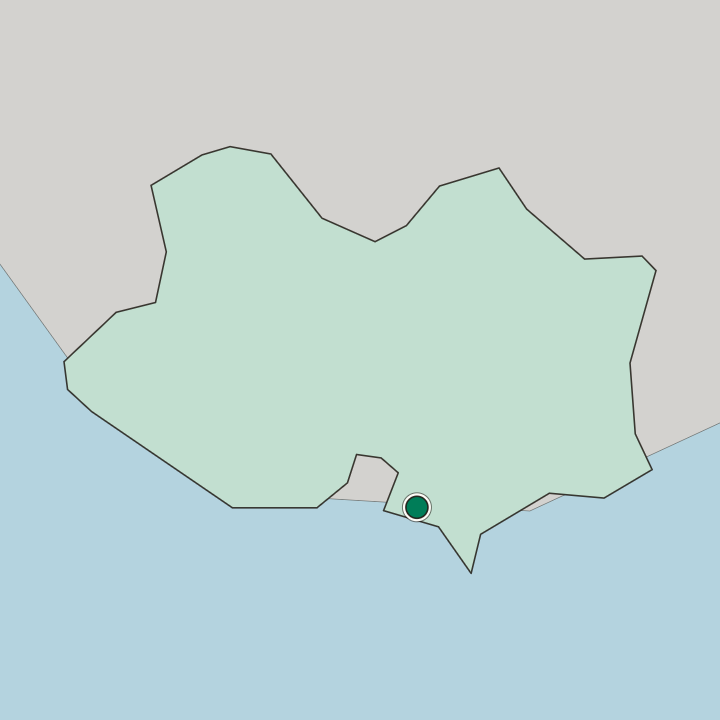
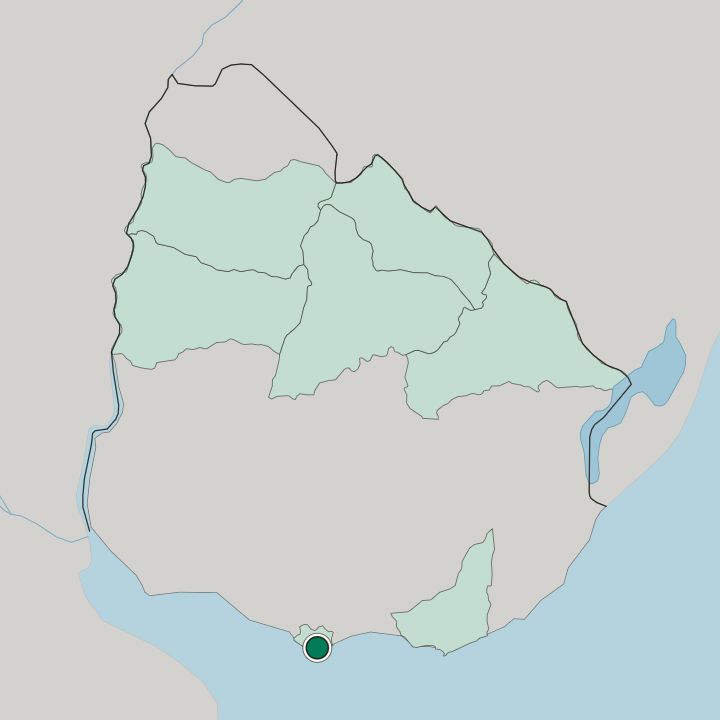
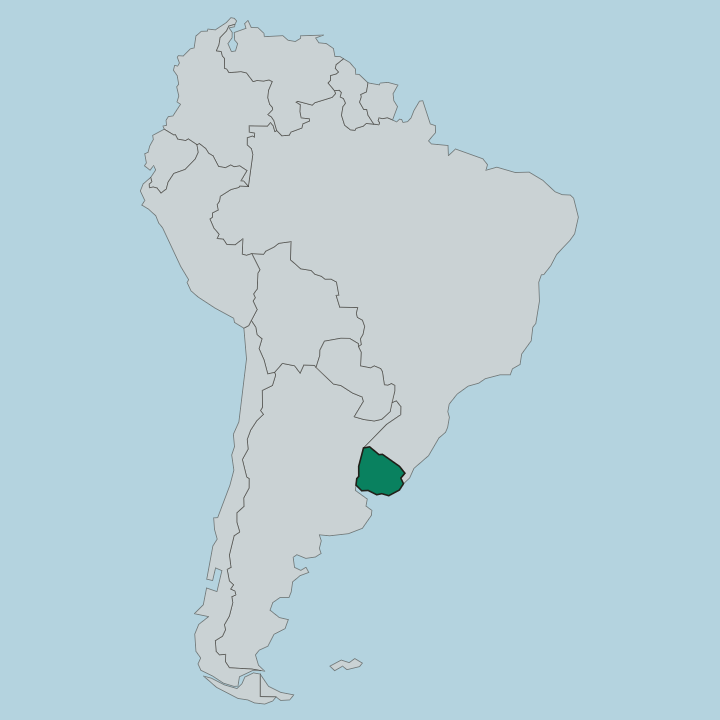
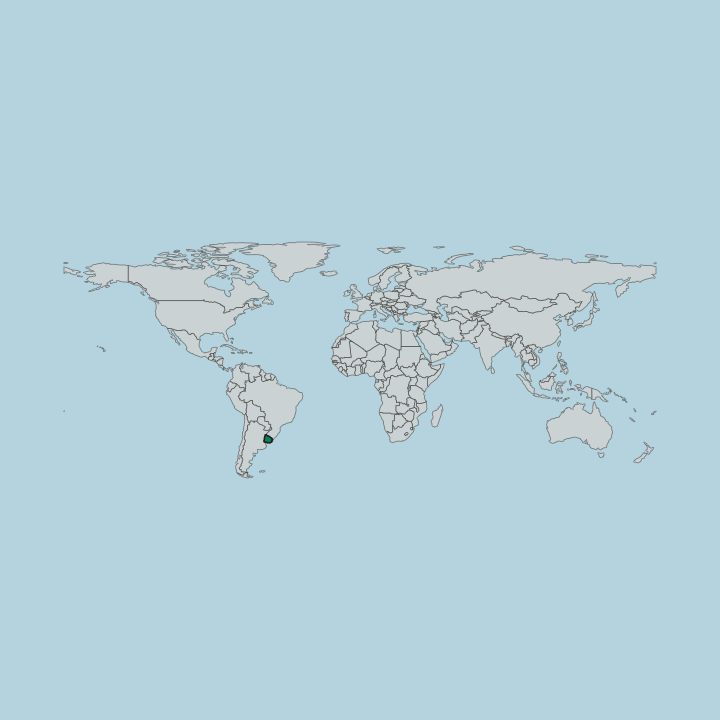
Montevideo sits on the southern coast of Uruguay, on the northeastern bank of the Río de la Plata where the wide estuary meets the Atlantic. The river defines the city. Its built-up area follows the water's edge, curving along the shore from the old harbour and spreading inland across the low ground of the capital.
The Río de la Plata frontage gives Montevideo a long waterfront, and the sheltered bay that first drew settlers still anchors the port at the heart of the capital of Uruguay.
What is the climate of Montevideo?
Montevideo has a mild, humid subtropical climate, shaped by its place on the Río de la Plata on the southern coast of Uruguay. Summers are warm here. Winters stay cool but rarely cold, and rainfall spreads fairly evenly through the year rather than gathering in a single season, moderated by the wide water of the estuary beside the city.
The river keeps the air damp. The maritime setting on the Río de la Plata softens the extremes across the capital of Uruguay.
How do you get to Montevideo?
Montevideo is the main way into Uruguay, the capital and largest city where the country's road, air, and sea links converge on the Río de la Plata. Most travellers arrive here first. The port on the river bank keeps the old sea route that first built the town, and the wide estuary carries connections across the water, while roads fan out from the capital to the rest of Uruguay.
The waterfront is the gateway. From the old harbour it is a short way to the Artigas Mausoleum and the museum quarter.
Common questions
What is the best area to stay in Montevideo?
Old town: Staying in the colonial grid beside the Artigas Mausoleum and the museum quarter. Riverfront east: A quieter base along the Río de la Plata promenade east of the old core.
Good for
Updated October 2026