Uruguay
Departamento de Montevideo, Uruguay — Towns & Travel Guide
Departamento de Montevideo is the smallest and most populated department of Uruguay, built almost entirely around the capital city of Montevideo.
Hotel links are affiliate links: booking through them may earn us a commission, at no extra cost to you. It never affects how places are ranked. How this works


Towns & cities in Departamento de Montevideo
One town here has its own guide — it links to where to stay.
 Uruguay
Montevideo
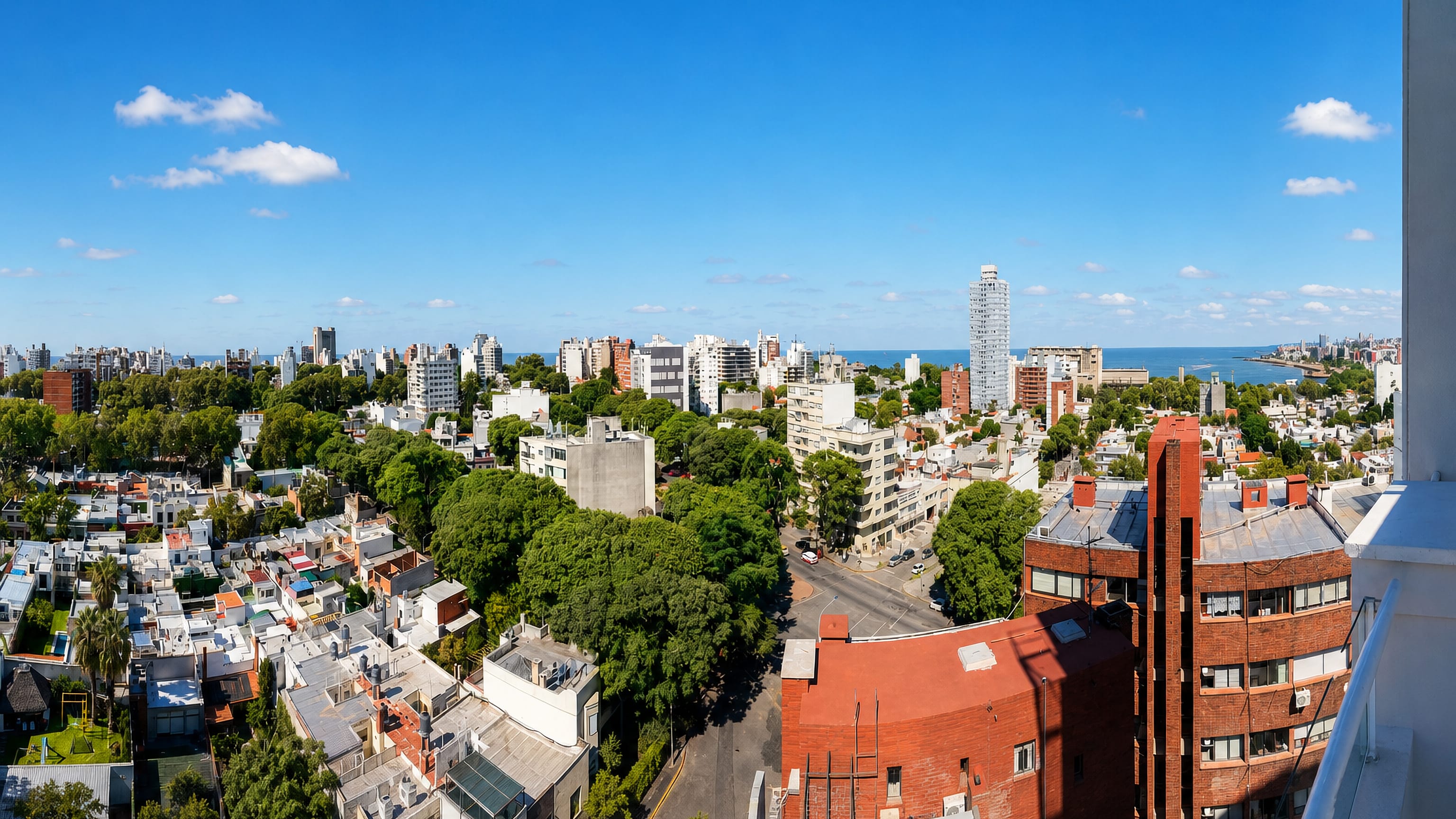
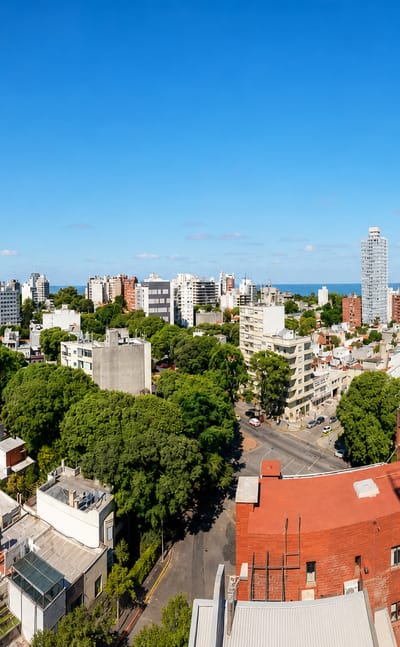
Wide water opens along the Río de la Plata at Montevideo, capital and largest city of Uruguay, known for the Artigas Mausoleum and its museum quarter.Where to stay →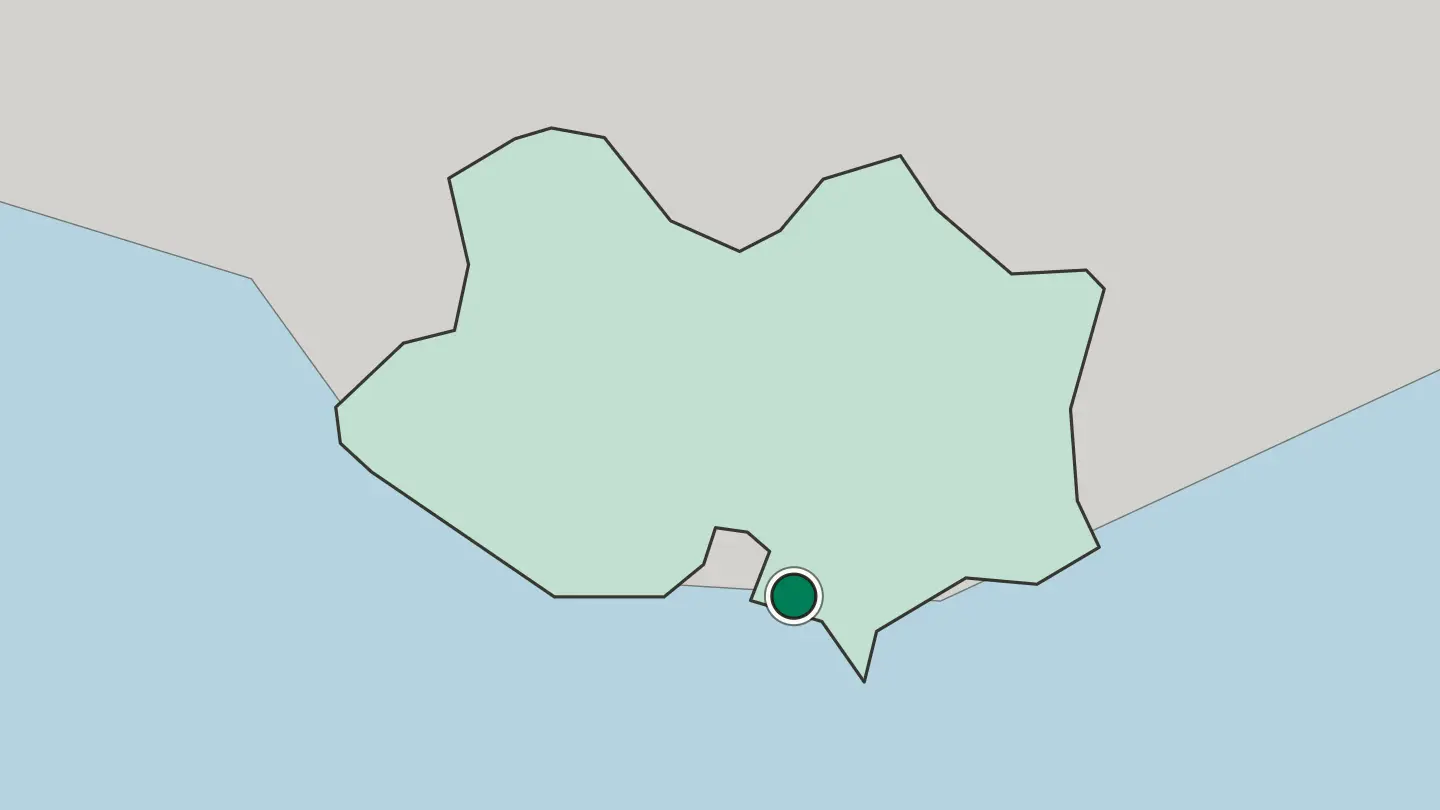
Hotel links are affiliate links: booking through them may earn us a commission, at no extra cost to you. It never affects how places are ranked. How this works
About Departamento de Montevideo
What is Departamento de Montevideo known for?
Departamento de Montevideo is known as the smallest department of Uruguay by area and, at the same time, the most populated of them all. Its capital is the city of Montevideo, which is also the national capital, and the two are so closely bound that the department is effectively the metropolitan region of the capital. The city fills most of it.
A handful of smaller towns lie within the department's limits beyond the built-up core. This is the seat of the country.
Where is Departamento de Montevideo?
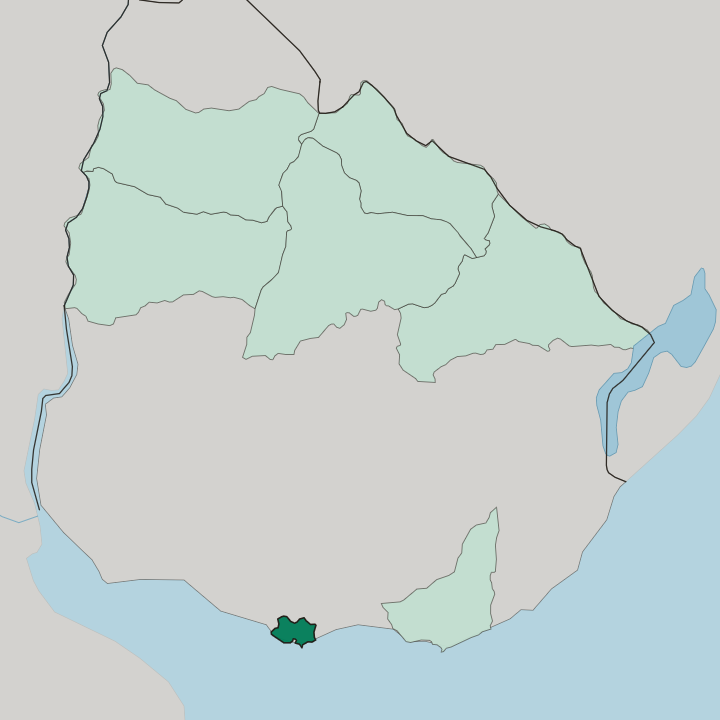
Departamento de Montevideo is by far the smallest department of Uruguay in area, yet it holds more people than any other, because the national capital sits inside it. The department is small. Nearly all of its ground is taken up by the city of Montevideo, so the departmental map and the city map cover much the same land within one tight boundary that separates the capital from its neighbours.
Beyond the edge of the built-up capital, a handful of smaller towns lie within the department's limits, the only settlements that break the otherwise continuous urban fabric. These outlying towns are few. The department functions as a single metropolitan unit rather than a spread of separate places, and its geography is largely the geography of Montevideo, the capital of Uruguay that gives the department both its name and its shape.
What is Departamento de Montevideo like?
Departamento de Montevideo carries the public and civic life of Uruguay, because the national capital lies within it. The culture of the department is the culture of the capital city of Montevideo, its seat of government and its centre of national institutions. Spanish is the language here.
As the department that contains the capital, it draws together the administrative, political, and cultural weight of the whole country into one small and densely settled area. The department is defined by the capital more than by any separate regional identity of its own. Montevideo sets its tone.
The smaller towns within the department's limits sit in the orbit of the city, sharing its rhythms and its Spanish speech, so that the department reads as a single urban society rather than a patchwork of distinct communities across a wide territory.
What is the history of Departamento de Montevideo?
Departamento de Montevideo was established in 1816, formed around the capital city of Montevideo as one of the departments of Uruguay. Its story is the capital's. The department took its name and its role from the city at its centre, which serves at once as the departmental seat and as the national capital of the whole country.
That double role has held since 1816. From its founding it has been the administrative heart of Uruguay, the department where the seat of national government has always sat.
What is the climate of Departamento de Montevideo?
Departamento de Montevideo lies in the subtropical band of southern Uruguay, and its climate is the climate of the capital that fills it. Seasons are moderate here. Summers are warm and winters are mild, with rainfall spread through the year rather than falling in a single wet season, the pattern typical of this stretch of the country.
The department shares the maritime-influenced weather of the city of Montevideo, from the built-up capital to the smaller towns within its limits.
How do you get to Departamento de Montevideo?
Departamento de Montevideo is reached through the city of Montevideo, the capital of Uruguay at its centre. Because the built-up capital covers nearly the whole department, arriving in the department means arriving in Montevideo itself, the point at which the country's main road, air, and sea connections come together on this stretch of the national territory. The capital is the gate.
Roads tie the department to the rest of Uruguay, linking it outward from the metropolitan core to the smaller towns within its limits and beyond.
More regions in Uruguay
Updated September 2026