Uruguay · Departamento de Paysandú
Where to Stay in Paysandú, Departamento de Paysandú
Paysandú stands on the bank of the Uruguay River, capital of its department and the fourth-largest city in Uruguay, facing Colón in Argentina.
Hotel links are affiliate links: booking through them may earn us a commission, at no extra cost to you. It never affects how places are ranked. How this works


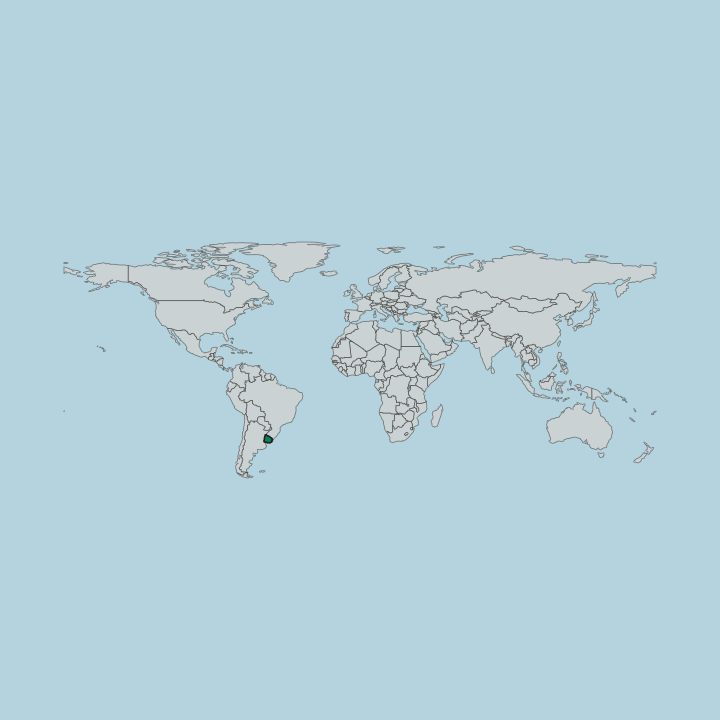
Where to stay in Paysandú
Where the beds are, and what that means for the visit.
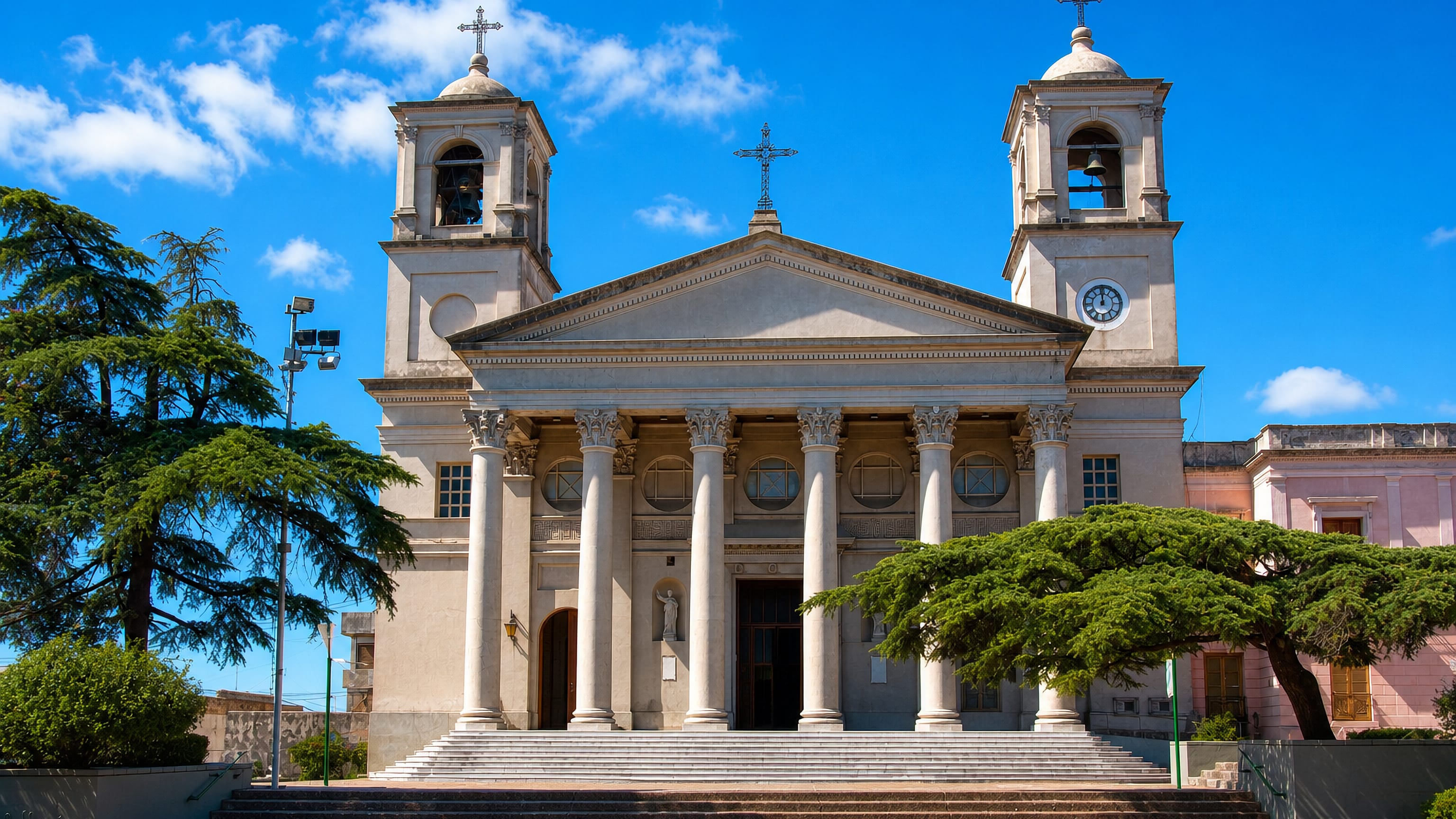
Most lodging sits inland of the water. The city runs back from the Uruguay River, and the blocks around the Teatro Florencio Sánchez and the church of Nuestra Señora del Rosario y San Benito de Palermo put the theatre, the church, and the shopping streets within a few minutes of each other. Riverside rooms are the other option.
Anything facing the Uruguay River trades the convenience of the centre for the water itself, with Colón on the Argentine bank directly opposite. Colón is the other choice. The Argentine town sits across the Uruguay River, so a traveller working both banks can base on either side, though staying in Paysandú keeps the department capital's services, its theatre, and its church within walking reach.
If you want a river city with a working centre rather than a resort, Paysandú answers that, and the Uruguay River gives it the long open frontage a smaller inland town would not have. Tourism is only part of the trade. Agriculture and manufacturing carry the rest, and Departamento de Paysandú sends its business through the city rather than around it.
Find hotels in Paysandú
Direct booking searches for these neighbourhoods.
Paysandú centre
The blocks between the Teatro Florencio Sánchez and Nuestra Señora del Rosario y San Benito de Palermo hold the shops and the civic offices.Find hotels in Paysandú centrerooms turned toward the far bankUruguay River frontage
The river edge of Paysandú faces open water, with Colón standing on the Argentine side directly across. Lodging is scarce in this area; reserve in advance.Find hotels in Uruguay River frontageHotel links are affiliate links: booking through them may earn us a commission, at no extra cost to you. It never affects how places are ranked. How this works
About Paysandú
What is Paysandú known for?
Agriculture, manufacturing, and tourism keep the city working, and Paysandú serves as the economic centre for the department around it as well as its administrative seat. Culture has its address too. The Teatro Florencio Sánchez carries the name of the figure it honours, and the church of Nuestra Señora del Rosario y San Benito de Palermo marks the other pole of the old centre.
The Uruguay River runs past the whole of it.
What are the main landmarks in Paysandú?
Two buildings carry the centre. The Teatro Florencio Sánchez is the city's theatre, and Nuestra Señora del Rosario y San Benito de Palermo is the church that shares the centre with it, the two standing close enough for one walk to take in both. Beyond the built landmarks, the Uruguay River supplies the open frontage that Paysandú is known for, with Colón visible on the Argentine bank.
What is the history of Paysandú?
The founding year on record is 1749. That places Paysandú among the older settlements of Uruguay, laid out on the bank of the Uruguay River well before the department that now carries its name was drawn around it. The river governed what came after.
A city on the Uruguay River had a route to move goods and a neighbour on the far bank, and Colón in Argentina has faced Paysandú across that water. Its administrative rank came with that growth. Paysandú became the capital of Paysandú Department and its largest town, and the Teatro Florencio Sánchez and Nuestra Señora del Rosario y San Benito de Palermo stand among the buildings that mark that centre, one for performance and one for worship.
Trade widened from there over time. Agriculture, manufacturing, and tourism became the strands the city works from, which is why the fourth-largest city of Uruguay reads as a working place rather than a resort on the water. Departamento de Paysandú still runs its affairs through the same centre, and the crossing to Colón keeps the Argentine side within easy reach of the city's own business.
Where is Paysandú?
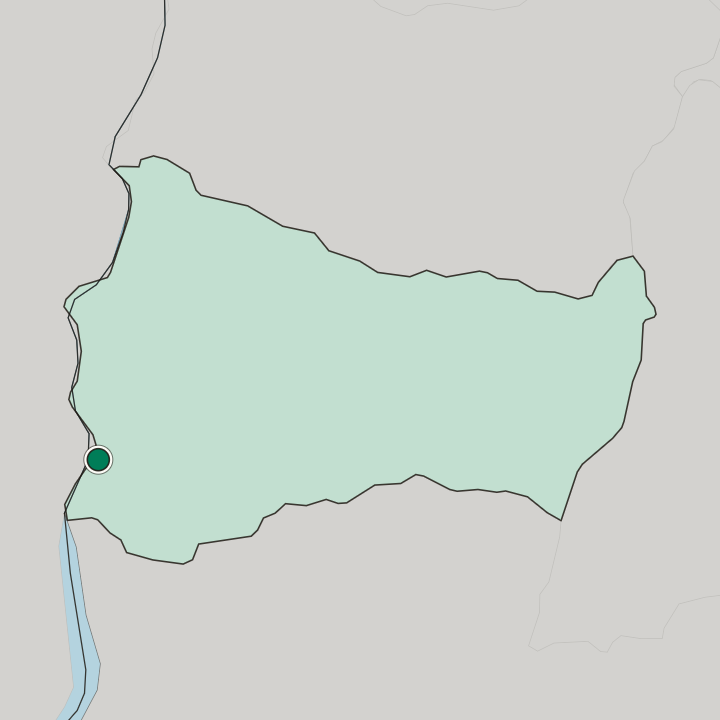
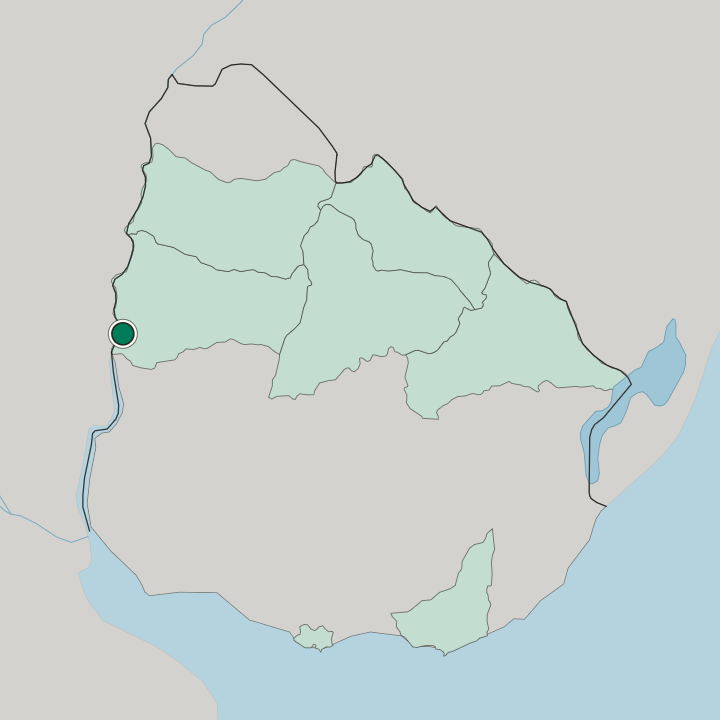
The Uruguay River forms one whole side of the city. Colón lies directly across that water in Argentina, close enough that the two towns face one another, while behind Paysandú the land of Departamento de Paysandú runs out into farming country. Paysandú Department surrounds it.
Agriculture works that land, and the city sits as its market and its administrative seat, with the river giving the department a frontage it would otherwise lack.
What is the climate of Paysandú?
Summer peaks near the year's end. Paysandú lies in the subtropical band south of the equator, so the hottest stretch runs across December and January while the coolest weeks fall in the middle of the year. Air off the Uruguay River works on the riverside blocks, which do not feel quite like the streets set back from the water on a hot afternoon.
How do you get to Paysandú?
The obvious approach is from Colón. Colón sits directly across the Uruguay River in Argentina, which makes Paysandú the natural stop for anyone moving between the two countries on this stretch of the water rather than further along it. Overland routes serve the rest.
Traffic from elsewhere in Uruguay reaches the city by road across the farming country of Departamento de Paysandú.
Common questions
What is the best area to stay in Paysandú?
Paysandú centre: theatre nights at the Teatro Florencio Sánchez. Uruguay River frontage: rooms turned toward the far bank.
Good for
Updated September 2026