Uruguay
Departamento de Paysandú, Uruguay — Towns & Travel Guide
Departamento de Paysandú runs along the Río Uruguay, the river boundary with Argentina, and takes its name from its capital city, Paysandú.
Hotel links are affiliate links: booking through them may earn us a commission, at no extra cost to you. It never affects how places are ranked. How this works


Towns & cities in Departamento de Paysandú
One town here has its own guide — it links to where to stay.

 Uruguay
Paysandú
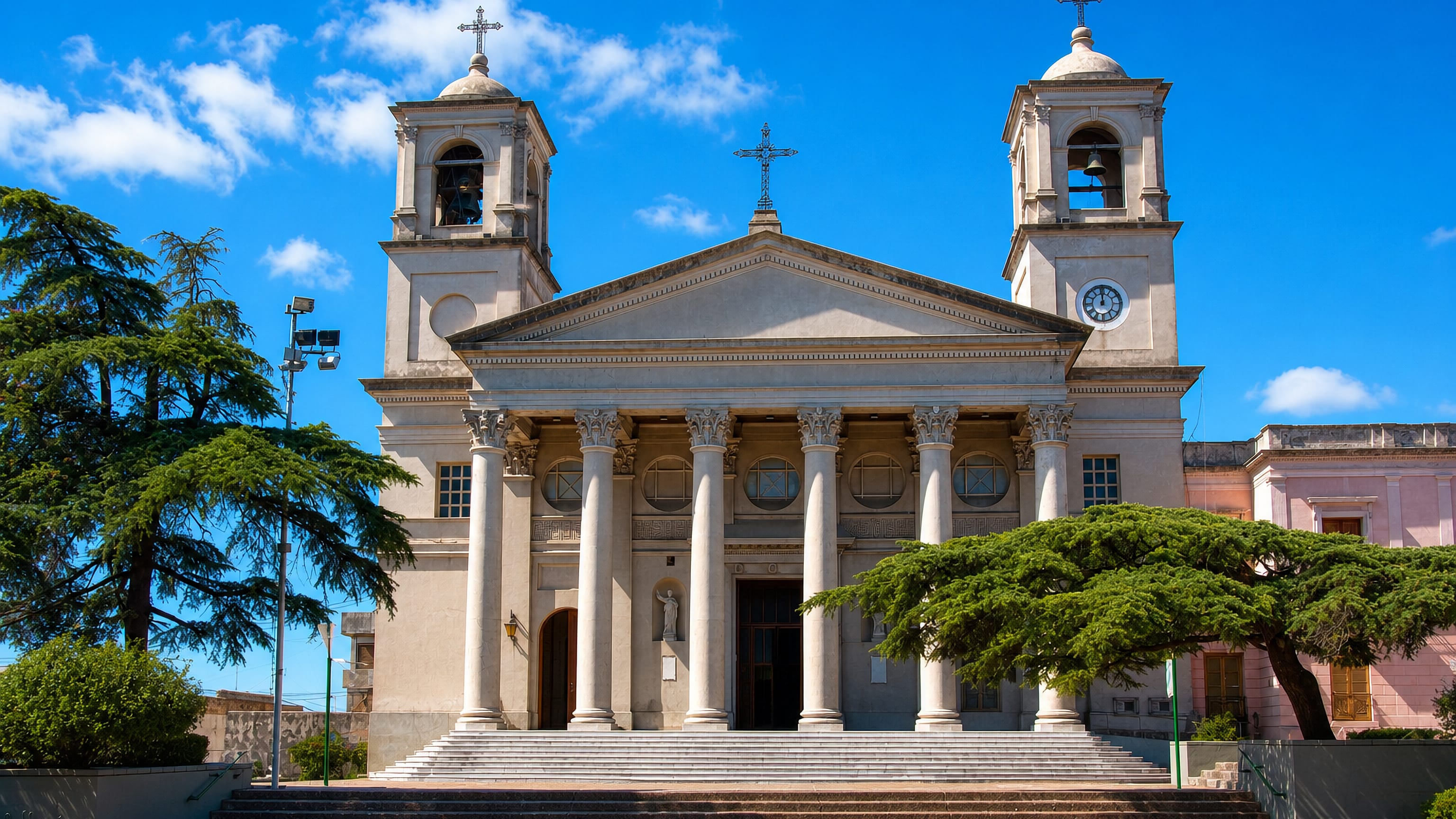
Paysandú stands on the bank of the Uruguay River, capital of its department and the fourth-largest city in Uruguay, facing Colón in Argentina.Where to stay →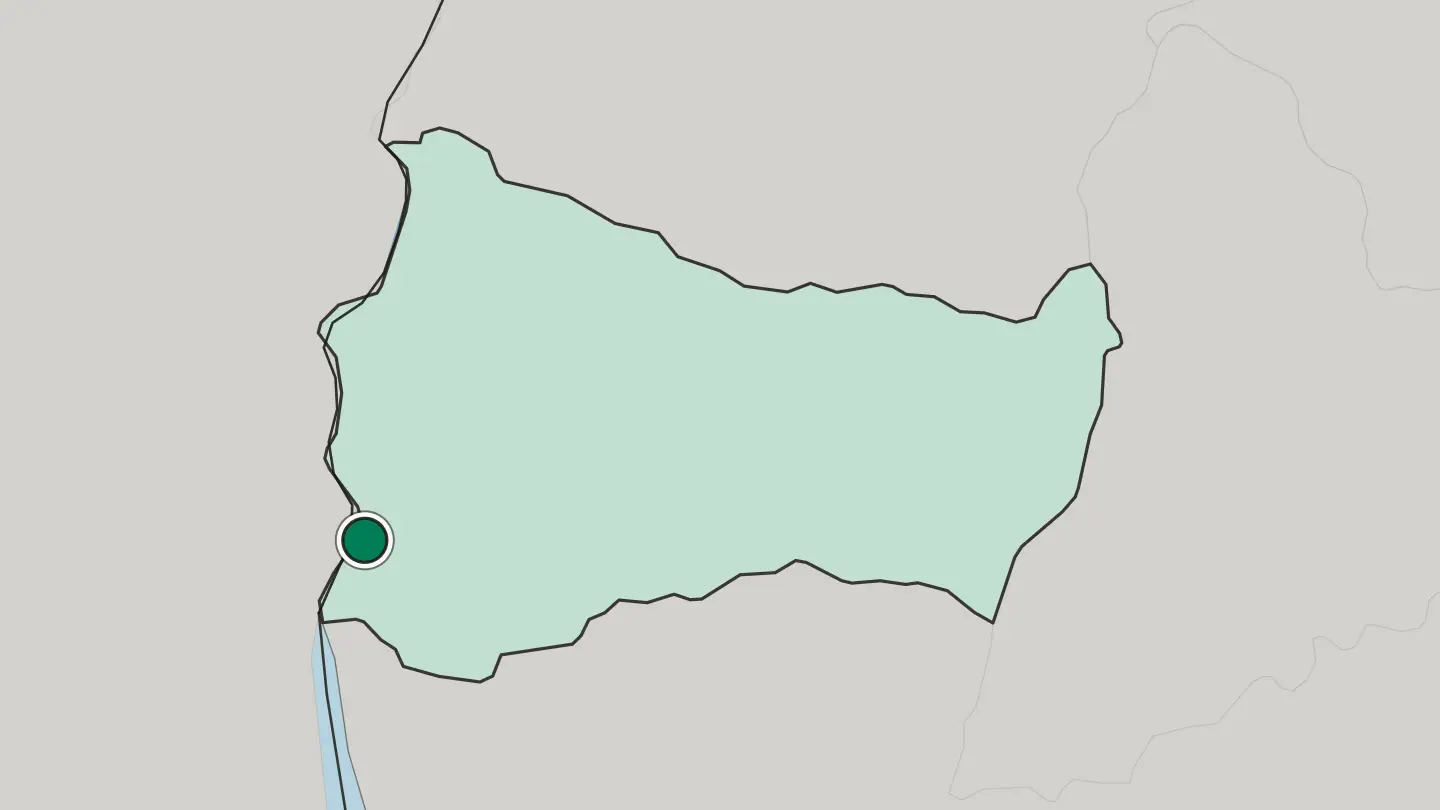
Hotel links are affiliate links: booking through them may earn us a commission, at no extra cost to you. It never affects how places are ranked. How this works
About Departamento de Paysandú
The river makes the department.
What is Departamento de Paysandú known for?
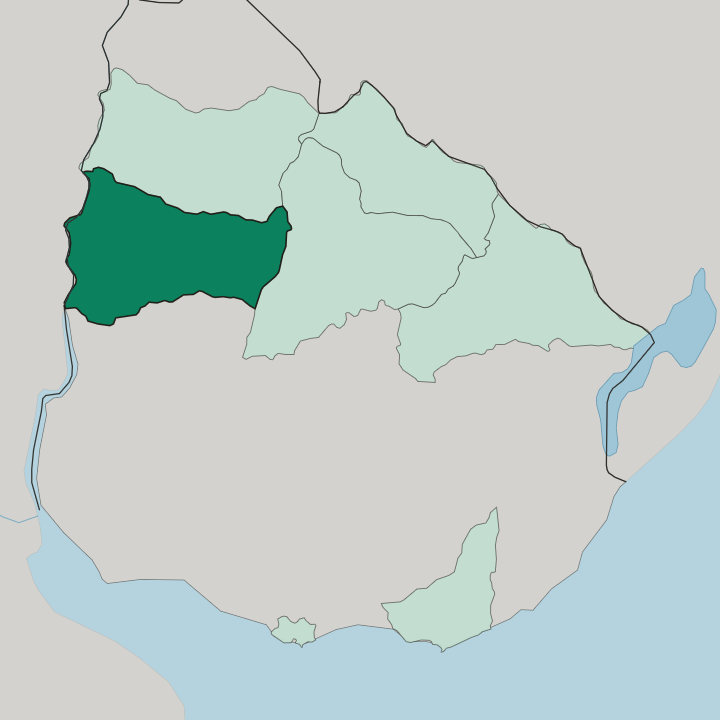
Along its western edge the Río Uruguay runs as an international boundary, putting Argentina on the far bank and leaving the department with a long river frontage rather than an inland limit. Its founding year is 1820. Salto Department lies to the north, Tacuarembó Department closes the eastern side, and Río Negro Department takes over to the south, so land neighbours ring three sides while water holds the fourth.
Where is Departamento de Paysandú?
The Río Uruguay draws the western boundary of Departamento de Paysandú, so the department's edge on that side is water rather than land. Argentina lies opposite. The river is wide enough to serve as an international frontier, which means the far bank belongs to another country while the near bank carries the capital and the department's main concentration of settlement.
Inland from the water the ground runs east towards Tacuarembó Department, and the remaining neighbours close the circle: Salto Department along the northern boundary, Río Negro Department along the southern one. Size sets this department apart from Uruguay's smaller units. It covers a lot of ground.
The distance from the river bank in the west to the Tacuarembó Department boundary in the east amounts to real travelling, so the department reads as a working countryside with one river city on its edge rather than as a compact block gathered around a centre. Paysandú anchors the whole arrangement. The department has been organised this way since 1820, when it took the name of that city, and the Río Uruguay has held the western limit throughout.
What is Departamento de Paysandú like?
Spanish is the language of the department, spoken in Paysandú and out through the countryside to the boundaries with Salto Department and Tacuarembó Department. The river shapes the outlook. A department that faces Argentina across the Río Uruguay lives with a neighbouring country in plain sight, and that closeness is part of how people here place themselves when they describe where they come from.
The water is a boundary, not a barrier to view. Naming works the same way it does across Uruguay. The department and its capital carry one name between them, so Paysandú means the city to one speaker and the whole department to another, and the difference is settled by context rather than by any change of word.
The department was constituted in 1820. That date puts it among the earlier divisions drawn on the Uruguayan map, and the pairing of city and department has come down unchanged from it. Travellers notice the doubling quickly.
Timetables, addresses and directions all use the single word, leaving the listener to work out from the sentence whether the river city or the wider countryside is meant.
What is the history of Departamento de Paysandú?
Paysandú became a department in 1820. The unit took the name of the city on the Río Uruguay that served as its seat, and the pairing of capital and department has held ever since. Its neighbours are Salto Department, Tacuarembó Department, and Río Negro Department.
The founding date is the fixed point in its record.
What is the climate of Departamento de Paysandú?
Summer peaks around January. The department lies in the subtropical band of the southern hemisphere, which reverses the northern calendar and places the hottest part of the year in the months when Europe is at its coldest. Winter is cool, not severe.
Anyone planning time along the Río Uruguay should read the Uruguayan seasons backwards from the northern ones they know.
How do you get to Departamento de Paysandú?
Most journeys end at Paysandú. The capital is the department's transport focus, and overland approaches come down from Salto Department in the north or up from Río Negro Department in the south, with the Río Uruguay closing the west as an international boundary. Inland routes run east.
Traffic bound for Tacuarembó Department leaves the river behind and crosses the department's countryside to reach the eastern boundary.
Common questions
What is the best area to stay in Departamento de Paysandú?
Paysandú: travellers basing themselves on the Río Uruguay. The eastern countryside toward Tacuarembó Department: drivers working inland away from the Río Uruguay.
More regions in Uruguay
Updated September 2026