Uruguay · Departamento de Salto
Where to Stay in Salto, Departamento de Salto
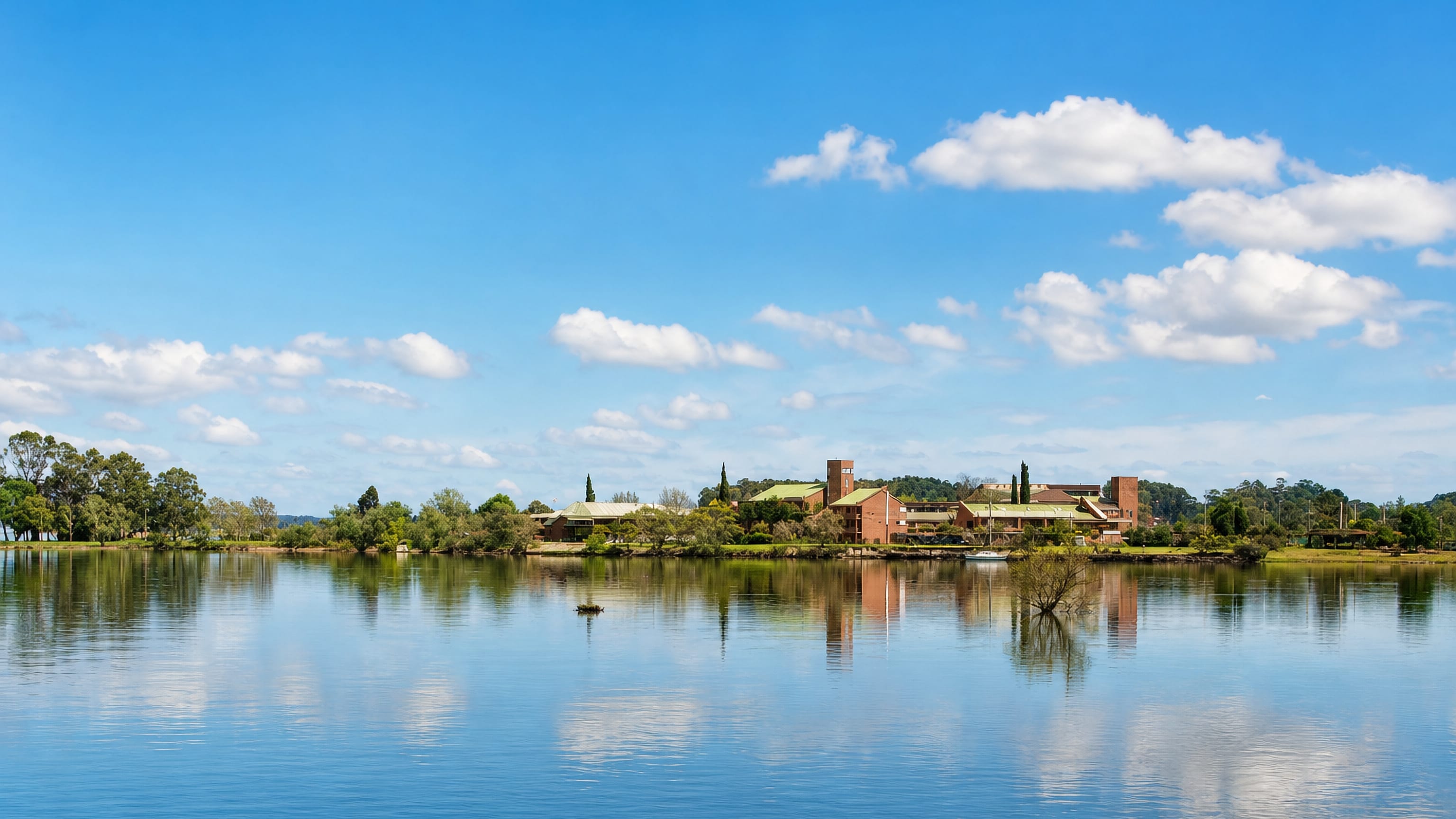
Salto is a city of northwest Uruguay on the Uruguay river, the country's second city, famed for its hot springs and orange groves on the Argentine border.
Hotel links are affiliate links: booking through them may earn us a commission, at no extra cost to you. It never affects how places are ranked. How this works


Where to stay in Salto
Where the beds are, and what that means for the visit.
Where you stay in Salto turns on the town or the springs. The streets around the plaza keep the cathedral, the museums, and the river walk within a walk, and staying downtown suits anyone here for the city. The wide river runs below the town.
Orange trees line the streets. Out toward the thermal springs and the dam, the town gives way to the spa resorts, the orange groves, and the lake behind the dam. A room by the springs trades the streets for the warm pools, the green groves, and the quiet river country.
The river runs on to the south. Stay downtown for the city, or out for the springs. The warm springs draw visitors just out of town.
Find hotels in Salto
Direct booking searches for these neighbourhoods.
The town centre
Beside the cathedral plazaFind hotels in The town centreStays wanting the Daymán and Arapey poolsThe thermal springs
Out at Daymán and ArapeyFind hotels in The thermal springsHotel links are affiliate links: booking through them may earn us a commission, at no extra cost to you. It never affects how places are ranked. How this works
About Salto
Salto is the thermal-spring city of the Uruguay river.
What is Salto known for?
On the great river along the Argentine border, it grew as a river port and citrus town, and it keeps the warm thermal springs that draw bathers from far, the huge Salto Grande dam that spans the river, the orange and mandarin groves of the north, and the old cathedral and river promenade of the town. The wide river runs slow and brown. Orange groves spread over the land.
What are the main landmarks in Salto?
The thermal springs are the pride of Salto. The warm mineral waters welling up at Daymán and Arapey near the town, drawing bathers to their pools, are the emblem of the region, out of downtown. A great dam spans the river.
The huge Salto Grande dam holds back the Uruguay to the north, while the old cathedral, the river promenade, and the orange groves mark the country around Salto.
What is the history of Salto?
Salto grew as a port on the Uruguay. The Spanish set a town at a rapids on the great river in the seventeen-hundreds, where boats had to stop and unload, and it grew as a river port and cattle town. Its name came from the falls.
The river's rapids, the salto, gave the town its name, and trade and herds made it the chief city of the north. The dam and the springs made its fortune. In our own age a great dam was built across the river at Salto Grande, and men found hot springs welling up from deep below, and the town grew into the thermal-spa capital of Uruguay.
The orange groves spread wide. Its warm north proved rich for citrus, and Salto became the orange capital of the land, drawing bathers and holidaymakers to its springs, keeping its river, its groves, and its spas. The warm waters still draw the crowds.
Salto keeps its springs and its river on the Argentine border.
Where is Salto?
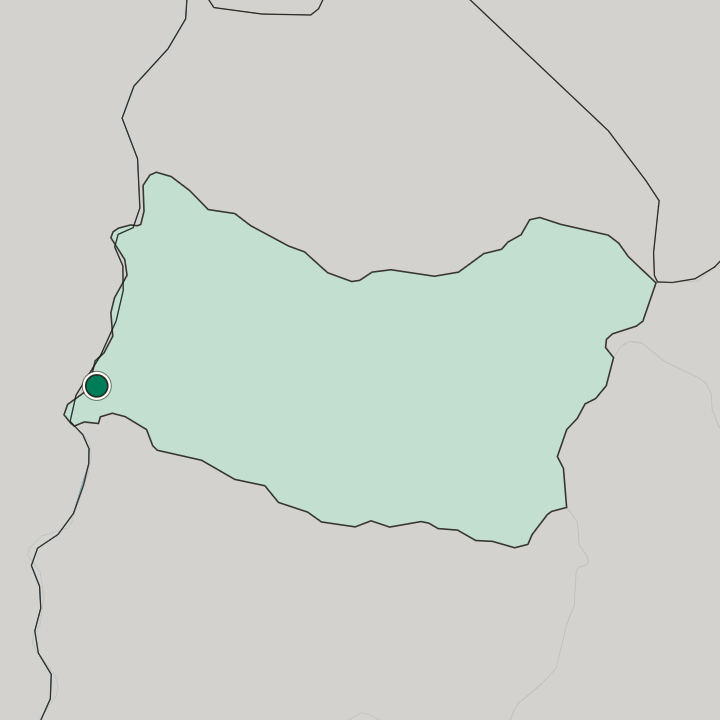
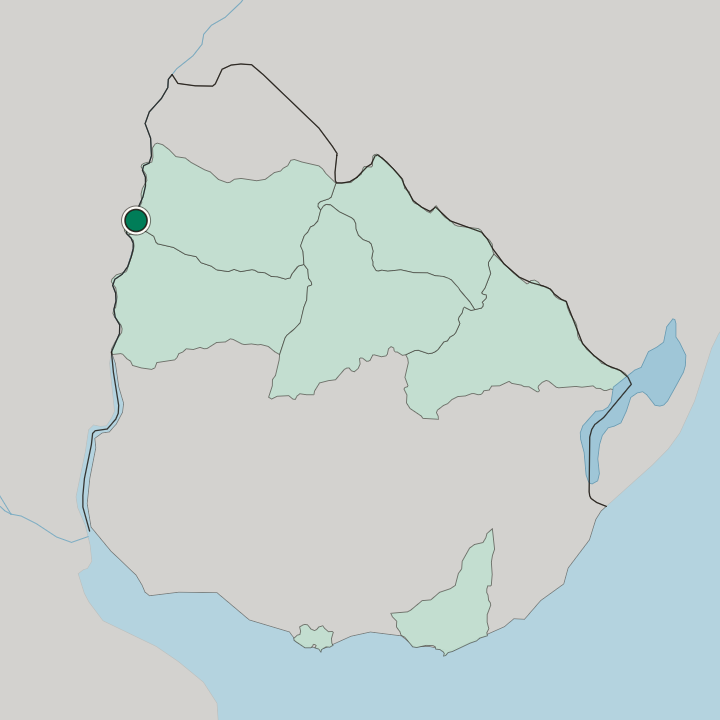
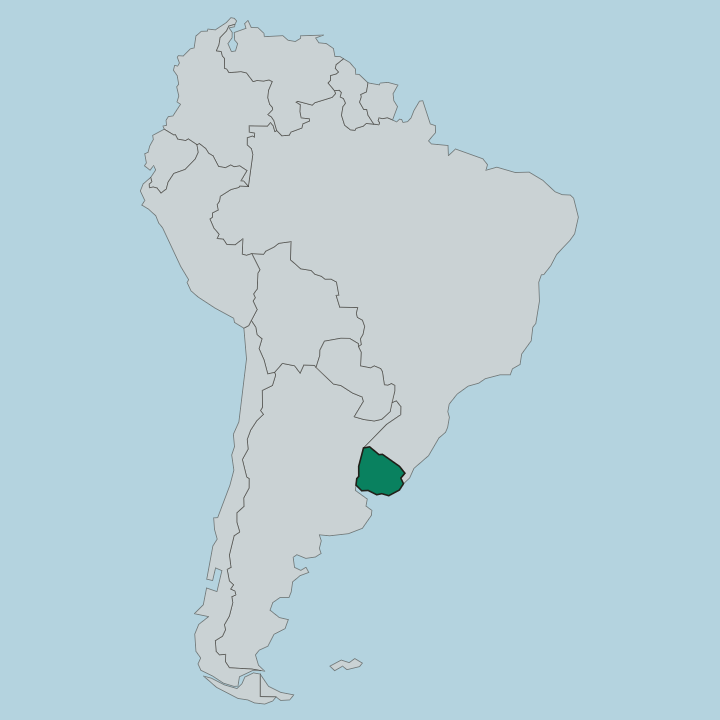
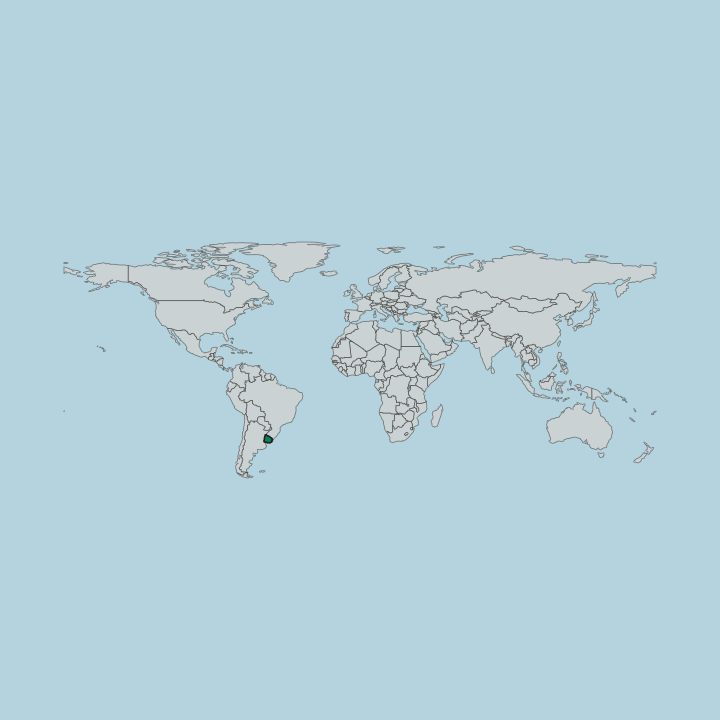
Salto lies in the northwest of Uruguay, on the east bank of the Uruguay river across from Argentina. The city sits on low green hills above the great river, in a warm land of orange groves and cattle pasture, with the Salto Grande dam and its lake to the north and the wide river running south along the border. The river runs broad and slow.
Green groves cover the hills.
What is the climate of Salto?
Warm, humid subtropical weather settles over Salto. Hot summers and mild winters cross the river country, with warm rains through the year and long sunny spells that ripen the fruit. The summer beats down hot.
Mild winters keep the groves green.
How do you get to Salto?
Salto lies in the northwest of Uruguay, on the road and river north of Paysandú. The highway runs up to it along the river from Montevideo, and a bridge crosses the dam to Argentina. Boat traffic still moves on the water below the dam.
Montevideo lies far to the south.
Common questions
What is the best area to stay in Salto?
The town centre: Visitors here for the cathedral and river walk. The thermal springs: Stays wanting the Daymán and Arapey pools.
Good for
Updated September 2026