Uzbekistan · Bukhara Region
Where to Stay in Bukhara, Bukhara Region
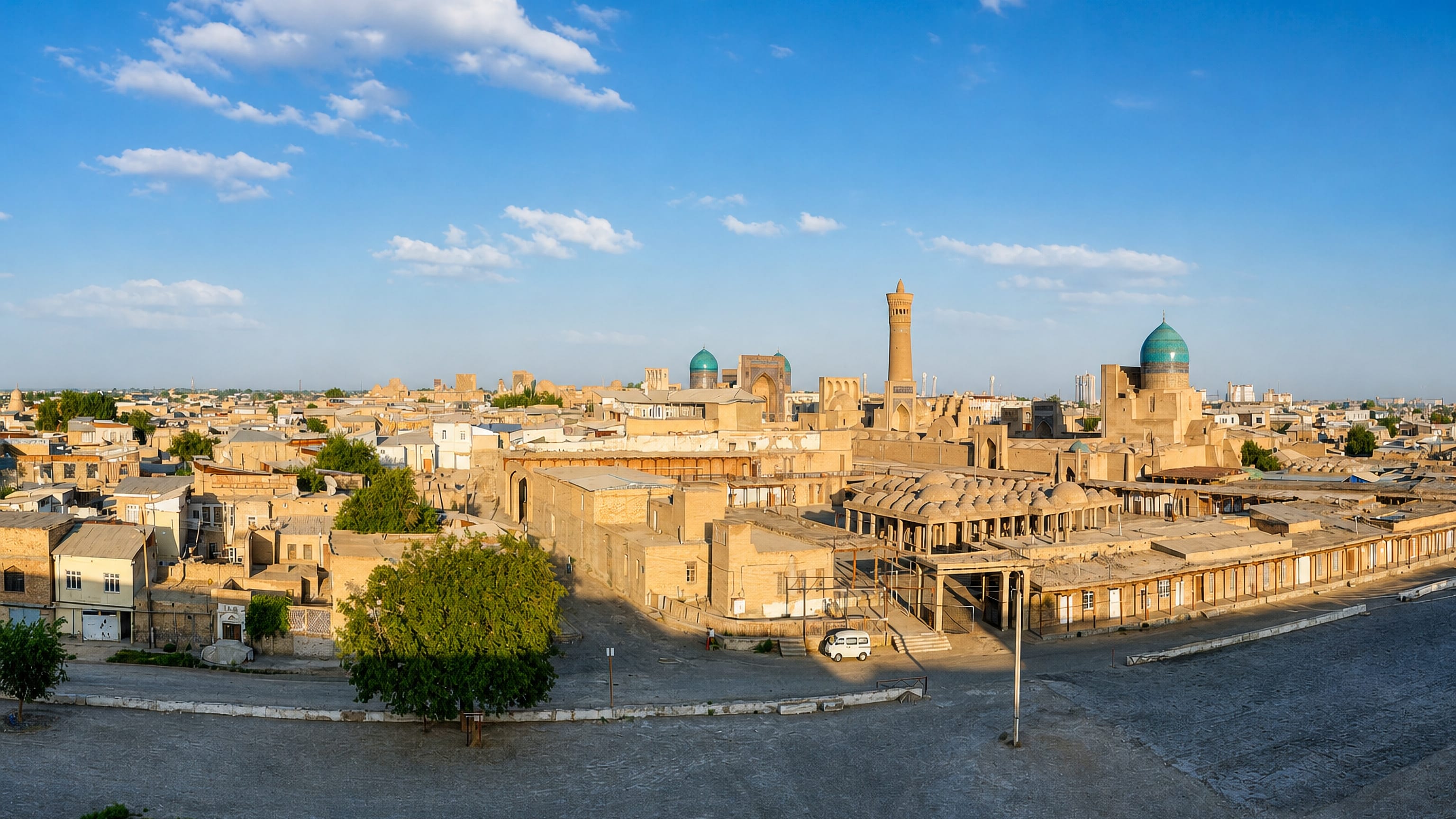
The Kalyan Minaret rises over Bukhara, a Silk Road city in the Bukhara Region of Uzbekistan, known for its walled Old Town of mosques and madrasahs.
Hotel links are affiliate links: booking through them may earn us a commission, at no extra cost to you. It never affects how places are ranked. How this works


Where to stay in Bukhara
The practical side of choosing where to sleep.
Bukhara splits cleanly between its walled Old Town and the modern, industrial suburbs that surround it. The historic centre holds nearly all of the monuments, a warren of lanes where the Kalyan Minaret, the trading domes and the madrasahs sit within a few minutes' walk of one another. Staying inside the Old Town puts the ensembles at your door, and it suits travellers who want the whole city on foot.
Lodging in the centre leans toward restored madrasah courtyards and family guesthouses, and the streets around Chor Minor and the Divanbegi Madrasa fill with lantern light after dark. Beyond the walls the character changes sharply. The suburbs of Bukhara are modern and industrial, laid out for work rather than sightseeing, and they sit a ride away from the monuments rather than among them.
Rooms there are plainer and quieter, and they suit visitors passing through by rail or road who value calm over immediacy. The transport corridors of the Bukhara Region meet the edge of the built city, where the highways and the railway strike out across the surrounding plain toward Samarkand and the rest of Uzbekistan.
Find hotels in Bukhara
Direct booking searches for these neighbourhoods.
Old Town
The walled historic quarter packs the madrasahs and mausoleums into lantern-lit lanes around Chor Minor and the Divanbegi Madrasa.Find hotels in Old TownRail and road travellers passing through who prefer quiet plainer rooms over the centreModern suburbs
The industrial outskirts sit where the Bukhara Region highways and railway strike out across the plain toward Samarkand.Find hotels in Modern suburbsHotel links are affiliate links: booking through them may earn us a commission, at no extra cost to you. It never affects how places are ranked. How this works
Things to do in Bukhara
Ranked by global recognition; descriptions from Wikidata (CC0).
Churches & Religious Sites
6- Magok-i-Attari Mosque Heritage
- Kalan Mosque Heritage
- Bolo Haouz Mosque Heritage
- Namazgoh Mosque Heritage
- Baland Mosque Heritage
Show 1 more →
- Magok-i-Kurpa Mosque Heritage
Landmarks & Notable Places
8- Kalyan Minaret Heritage
- Samanid Mausoleum Heritage
- Mir-i-Arab madrasah Heritage
- Chor Minor Heritage
- Ulugh beg Madrassah Heritage
Show 3 more →
- Kukeldash Madrasah Heritage
- Chashma-Ayub Mausoleum Heritage
- Divanbegi Madrasa Heritage
worth knowingacross 2 categories in Bukhara
About Bukhara
What is Bukhara known for?
Bukhara is known for one of the best-preserved Old Towns in Central Asia, a dense quarter of mosques, madrasahs and mausoleums. The brick Kalyan Minaret towers above the Kalan Mosque, and the tenth-century Samanid Mausoleum stands as one of the earliest brick monuments of the region. Its centre carries UNESCO World Heritage status.
Long a trading city on the Silk Road, it grew rich on the caravans that crossed the plain toward Samarkand and the wider world.
What are the main landmarks in Bukhara?
Bukhara concentrates its landmarks inside the walled Old Town, where centuries of brick monuments crowd a handful of narrow lanes within easy walking reach of one another. The Kalyan Minaret rises beside the Kalan Mosque, and the Mir-i-Arab madrasah faces them across the square. Older still are the mausoleums.
Among the earliest brick works of the region stand the tenth-century Samanid Mausoleum and the domed Chashma-Ayub Mausoleum. Four turrets crown Chor Minor. Together the Bolo Haouz Mosque and the Magok-i-Attari Mosque round out a dense ensemble that survives largely intact.
What is the history of Bukhara?
Bukhara grew as a trading city on the Silk Road, gathering wealth from the caravans that crossed the plain between the markets of Central Asia. The Samanid Mausoleum, raised in the tenth century, survives as one of the earliest brick monuments of the region and marks how far back the settled city reaches. Trade shaped everything.
Under successive dynasties the city filled with mosques and mausoleums, and a school of learning took root that sent Bukhara's name across the Islamic world alongside that of Samarkand. Later rulers added the great ensembles that still define the centre, among them the Kalyan Minaret and the Mir-i-Arab madrasah, whose brickwork has stood for centuries above the lanes. The city served as a seat of power and eventually became the capital of the Bukhara Region within Uzbekistan.
Its fortunes rose and fell with the caravan routes. Modern industry pushed the suburbs outward, yet the walled Old Town survived intact and was inscribed as a UNESCO World Heritage Site, preserving the Chor Minor, the Magok-i-Attari Mosque and the trading domes as a near-complete medieval quarter.
Where is Bukhara?
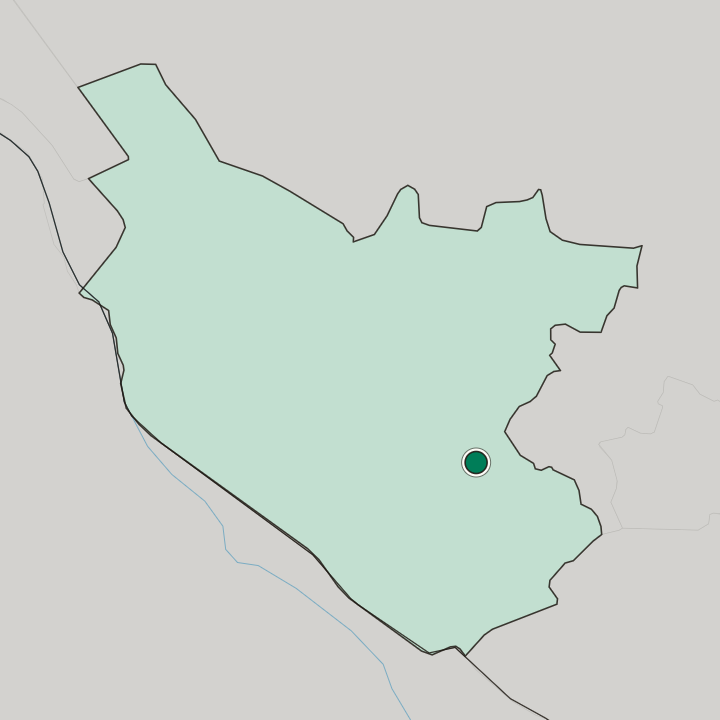
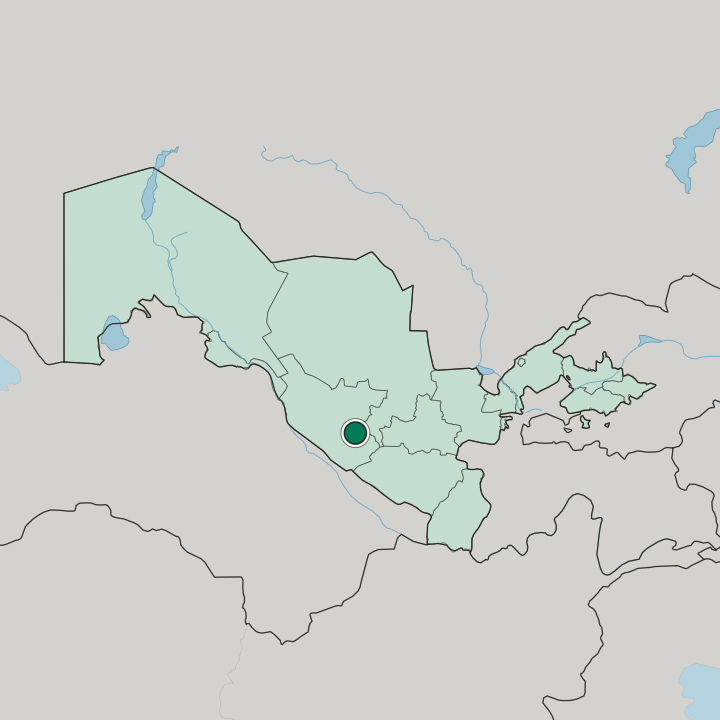
Bukhara stands on a flat plain in the Bukhara Region of Uzbekistan, ringed by the industrial suburbs and the open country beyond. The walled Old Town occupies the heart of the city, its lanes gathered tightly around the Kalyan Minaret and the trading domes, while the modern quarters spread out across the level ground. The land runs flat to the horizon.
Highways and the railway cross the plain to tie the city to Samarkand and the rest of the region.
What is the climate of Bukhara?
Bukhara has a hot desert climate set by its position on the open inland plain. Summers are long, scorching and almost rainless, while winters turn cold and brief across the flat ground. Rainfall stays sparse over the city.
What little falls comes in the cooler months, leaving the country around the Bukhara Region dry and dusty through the fierce heat of high summer.
How do you get to Bukhara?
Bukhara is easy to reach by plane, train or highway across the plain of the Bukhara Region. Fast trains and long-distance roads connect the city with Samarkand and the rest of Uzbekistan, and an airport serves arrivals from farther afield. Camels no longer figure in the journey.
From the station and the main roads, the walled Old Town and the Kalyan Minaret lie a short ride away, with the modern suburbs spread along the approaches.
Common questions
What is the best area to stay in Bukhara?
Old Town: Travellers who want the Kalyan Minaret and the trading domes reachable entirely on foot. Modern suburbs: Rail and road travellers passing through who prefer quiet plainer rooms over the centre.
Good for
Updated September 2026