Uzbekistan · Karakalpakstan
Where to Stay in Nukus, Karakalpakstan
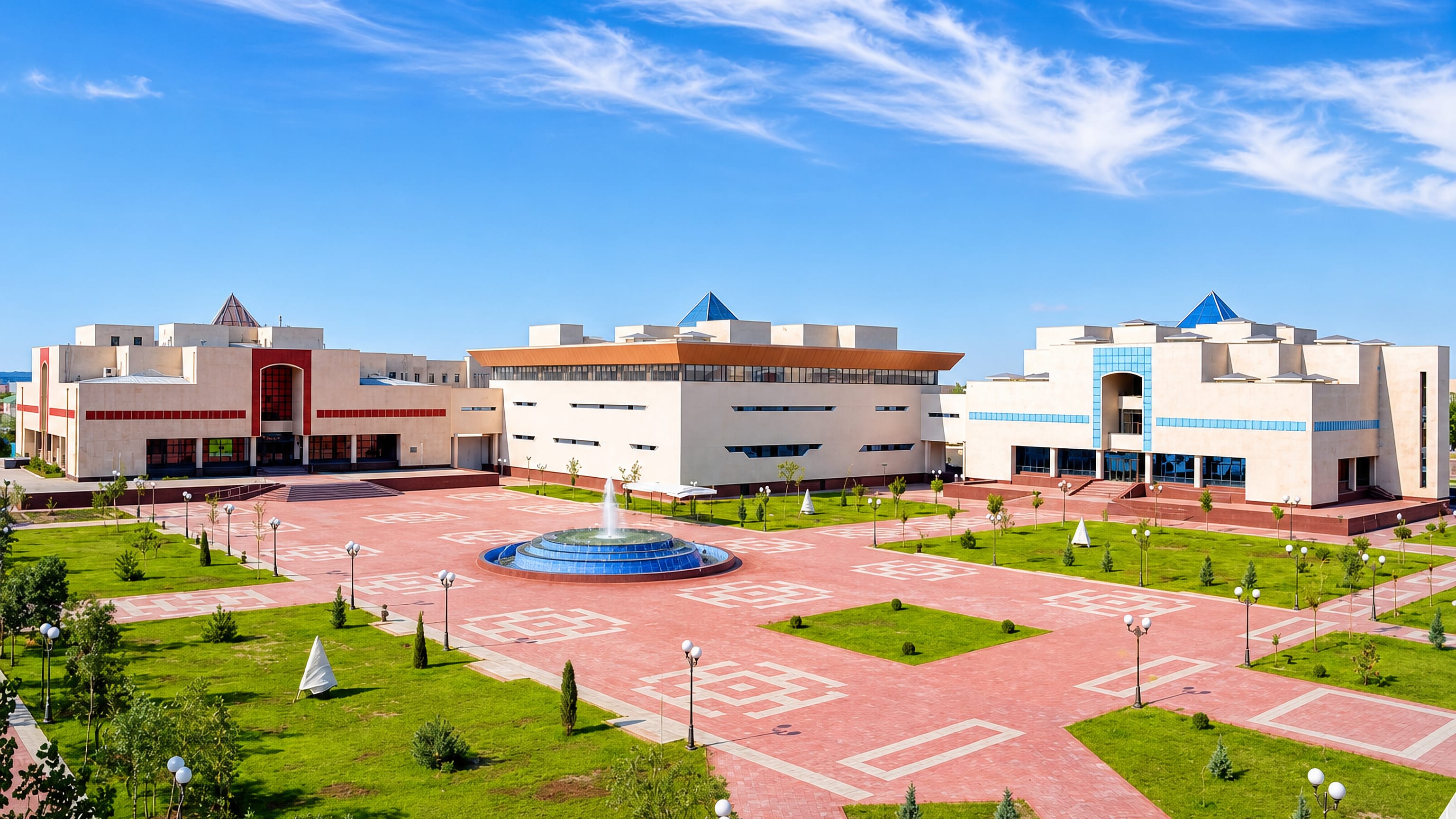
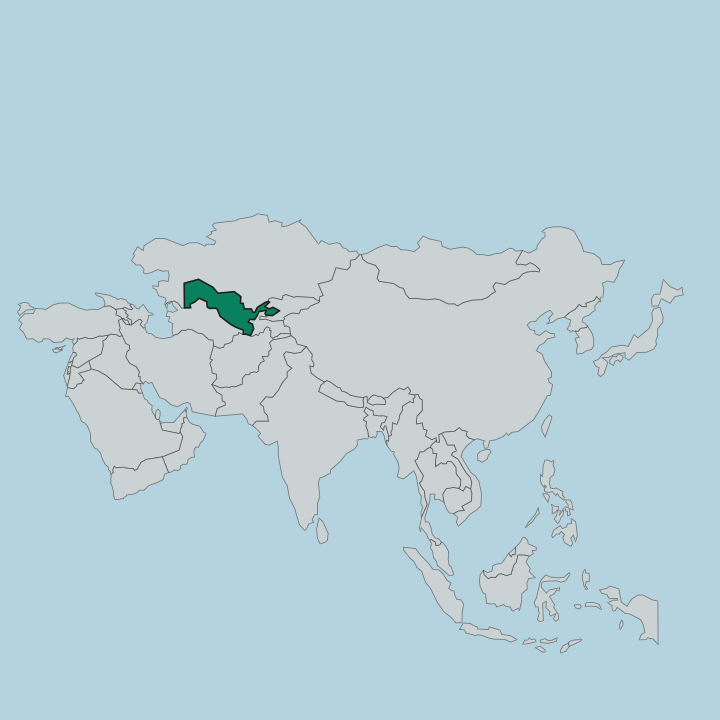
Nukus is the capital of Karakalpakstan in the far west of Uzbekistan, a remote desert city famous for a great museum of hidden art.
Hotel links are affiliate links: booking through them may earn us a commission, at no extra cost to you. It never affects how places are ranked. How this works


Where to stay in Nukus
The practical side of choosing where to sleep.
Picking a room in Nukus comes down to distance from the museum quarter. The wide streets around the museum keep the galleries, the market, and the shops within reach, and staying downtown suits anyone here for the art and the town. The streets are quiet in the heat.
Rooms sit near the great museum. Out toward the edges and the desert road, the town runs into open plain. A room away from the centre trades the streets for space, air, and a start out to the Aral Sea and the ruins.
The flat desert opens past the town. If you want the museum, stay in the centre; if you want the desert, take a room outside. Either way, the great museum is close at hand.
Find hotels in Nukus
Direct booking searches for these neighbourhoods.
The centre
Around the Savitsky Museum, within reach of the shops and marketFind hotels in The centreStays wanting space and a start out to the ruinsThe desert edge
Toward the edges of town, a start out to the Aral Sea and MizdakhanFind hotels in The desert edgeHotel links are affiliate links: booking through them may earn us a commission, at no extra cost to you. It never affects how places are ranked. How this works
About Nukus
What is Nukus known for?
Nukus holds one of the world's strangest art collections. Far out in the desert near the dying Aral Sea, the Savitsky Museum keeps a vast hoard of Soviet avant-garde paintings, banned elsewhere and saved here in secret, beside the folk art of the Karakalpak people. Ancient tombs and ruins ring the town.
Art and desert mark the city.
What are the main landmarks in Nukus?
The Savitsky Museum is the wonder of Nukus. Its halls hold thousands of banned avant-garde paintings and Karakalpak folk treasures, the emblem of the city, in the heart of town. Ruins and tombs ring the desert.
The ancient necropolis of Mizdakhan and the old fortress of Chilpyk stand out on the plain, while the Karakalpakstan history museum keeps the story of the land.
What is the history of Nukus?
Nukus grew from a desert village into a Soviet city. In the twentieth century the Soviets made the small town the capital of Karakalpakstan, an autonomous land of the Karakalpak people by the Aral Sea, and laid out wide streets and blocks on the plain. A collector saved a hidden treasure.
An artist named Igor Savitsky gathered thousands of avant-garde works, forbidden under Stalin, and hid them safe in far-off Nukus, building the great museum that bears his name. The sea died to the north. Soviet planners drained the rivers to grow cotton, and the Aral Sea shrank to a fraction of its size, leaving a poisoned desert of salt where the fishing towns had been.
Yet the city held on. Nukus stayed the seat of Karakalpakstan and the guardian of its art and its language, drawing travellers to its famous museum and the ruined sea beyond. The Savitsky collection still fills its halls.
Nukus keeps its hidden art on the edge of the desert.
Where is Nukus?
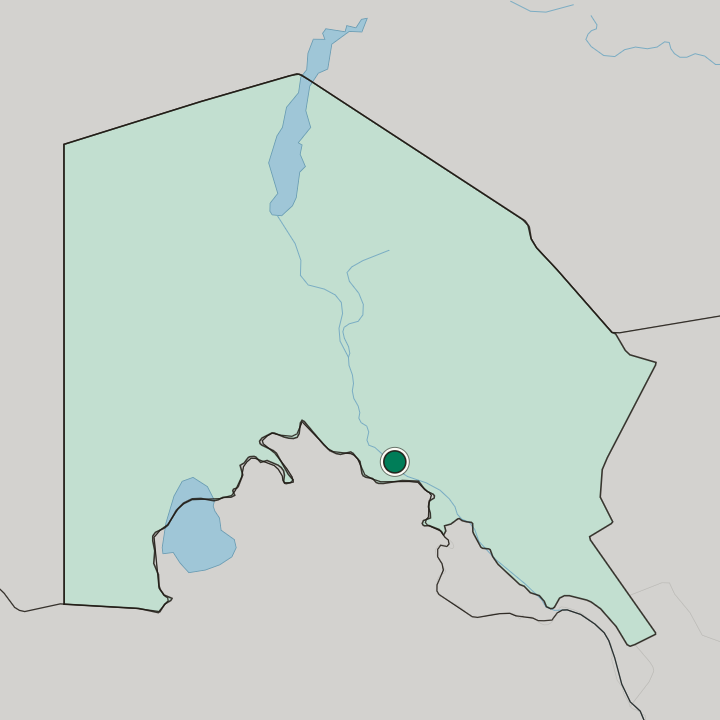
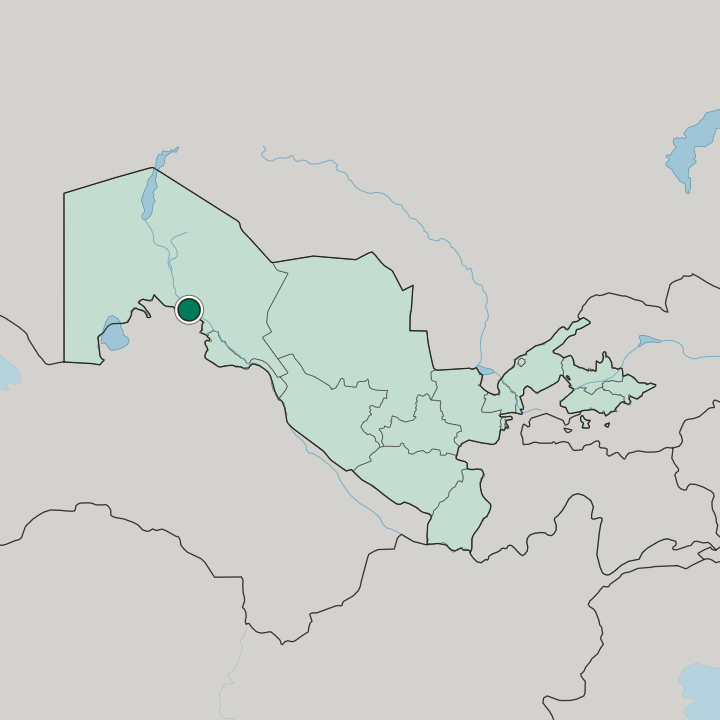
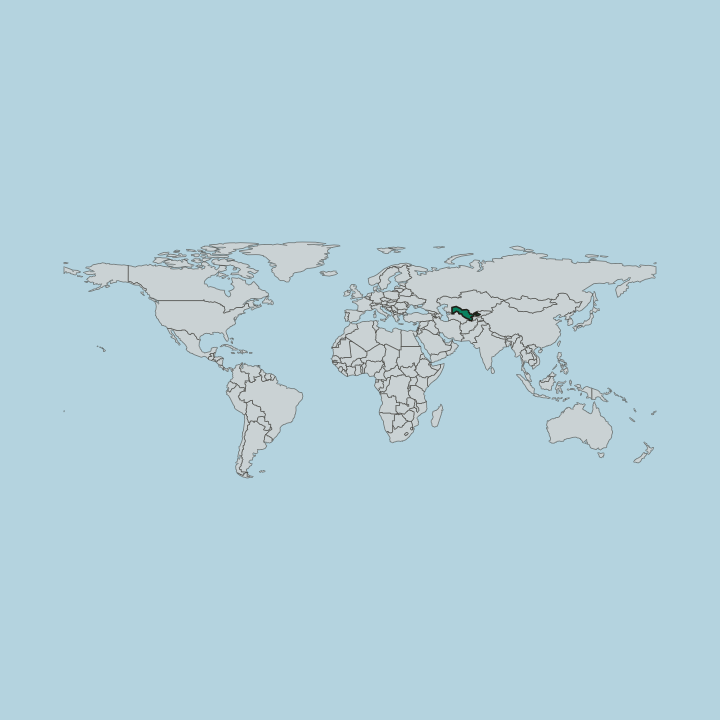
Nukus lies in the desert of Karakalpakstan in far western Uzbekistan. The city sits on a dry plain near the Amu Darya, the great river that once fed the Aral Sea, in a land of sand and dried-out seabed. Flat desert stretches around the town.
The old sea has withdrawn far to the north.
What is the climate of Nukus?
Nukus has a harsh desert climate. Blazing, dry summers bake the plain, and the winters turn bitterly cold on the open steppe, with almost no rain in any season. Dust and salt blow off the dry seabed.
The desert air swings hot and cold.
How do you get to Nukus?
Nukus lies far out in the west of Uzbekistan. Trains and an airport link the city to Tashkent and the east across the desert, and roads run down from Khiva and up toward the dead Aral Sea. Buses reach the desert towns around.
Most arrive by air over the sands.
Common questions
What is the best area to stay in Nukus?
The centre: Visitors here for the museum, galleries, and market. The desert edge: Stays wanting space and a start out to the ruins.
Good for
Updated September 2026