Uzbekistan · Navoiy Region
Where to Stay in Navoiy, Navoiy Region
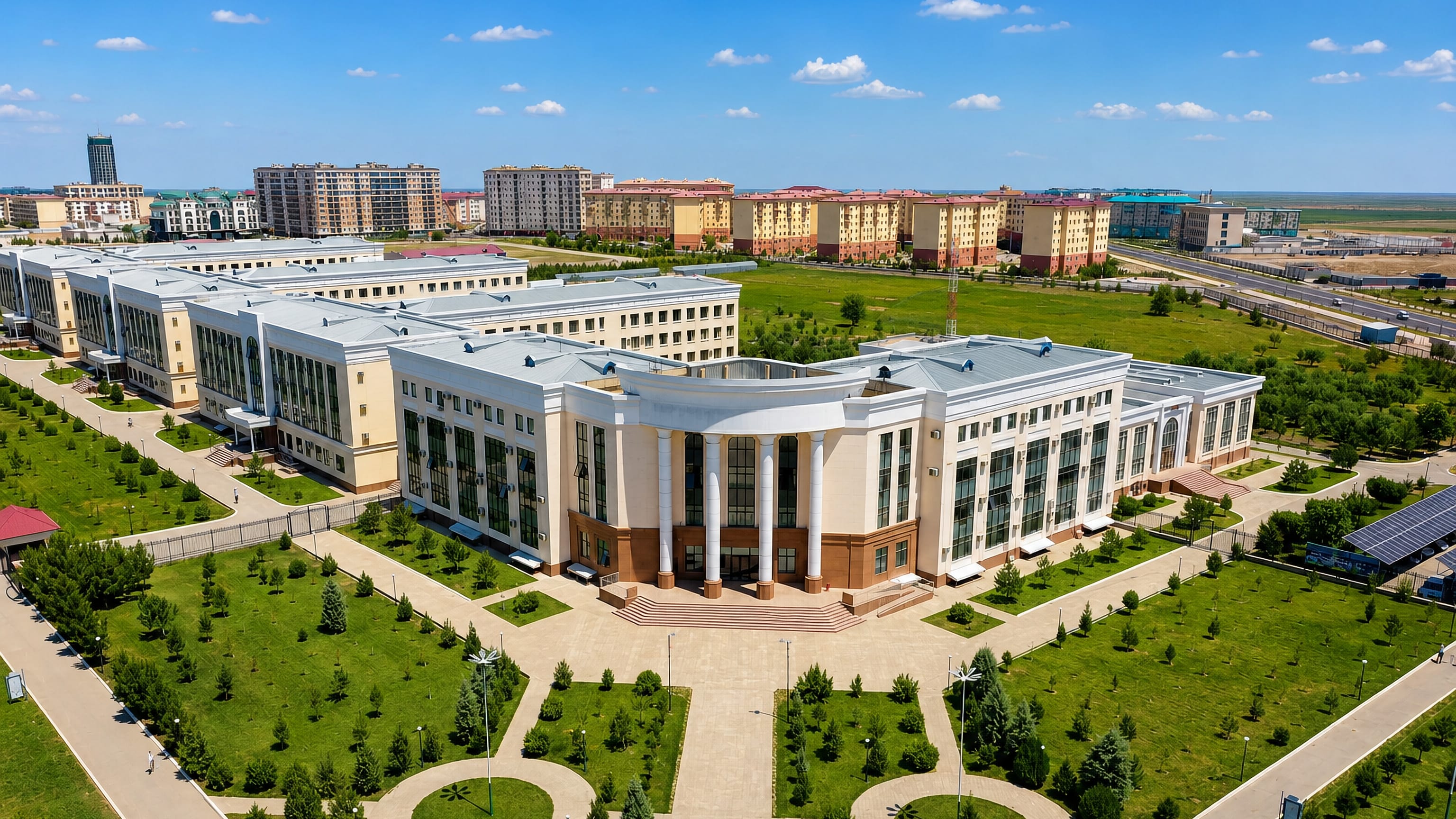
Navoiy is a city of central Uzbekistan on the edge of the Kyzylkum, a planned mining town named for Alisher Navoi, near goldfields and ancient rock art.
Hotel links are affiliate links: booking through them may earn us a commission, at no extra cost to you. It never affects how places are ranked. How this works


Where to stay in Navoiy
How the choice of base plays out on the ground.
Where you stay in Navoiy turns on the town or the desert. The streets around the centre keep the poet's statue, the markets, and the parks within a walk, and staying downtown suits anyone here for the city. The wide plaza opens out.
Dust blows in off the sands. Out toward the Nurata hills and the sands, the town gives way to the desert road, the rock-art gorges, and the far oasis villages. A room out of town trades the streets for the open desert, the carved gorges, and the quiet of the sands.
Sand stretches out past the final road. Stay downtown for the city, or out for the desert. The young city sits on the Kyzylkum's edge.
Find hotels in Navoiy
Direct booking searches for these neighbourhoods.
The town centre
Central Navoiy, with the statue and the parks a stroll awayFind hotels in The town centreStays wanting the rock art and sandsThe desert
Toward the Nurata hillsFind hotels in The desertHotel links are affiliate links: booking through them may earn us a commission, at no extra cost to you. It never affects how places are ranked. How this works
About Navoiy
Navoiy is the desert mining city of central Uzbekistan.
What is Navoiy known for?
On the rim of the Kyzylkum desert in the Zarafshan valley of Uzbekistan, it was built in Soviet times for mining and industry, and it keeps the name and statue of the poet Alisher Navoi, the great goldfields of the desert nearby, the ancient rock carvings of the Nurata hills, and the wide sands of the Kyzylkum around. The bare desert runs to the sky. Dry hills rim the plain.
What are the main landmarks in Navoiy?
The statue of Alisher Navoi is a mark of the city. The bronze figure of the great Turkic poet stands in the heart of the town it is named for, the emblem of the place, downtown. Rock art hides in the hills.
The ancient carvings of Sarmish cover the gorge walls of the Nurata hills nearby, while the Muruntau goldfield, the desert sands, and the oasis shrines mark the country around Navoiy.
What is the history of Navoiy?
Navoiy is a young city of the desert. Where there had been only sand and a few oasis villages, the Soviets built a new town in nineteen fifty-eight for the mines and works of the Kyzylkum. They named it for a poet.
The city took the name of Alisher Navoi, the great poet of the Turkic tongue, whose statue stands in its heart. Gold and industry made the town. In the desert to the north lay Muruntau, one of the largest gold mines on earth, and Navoiy grew as the city of its miners and chemical works.
The old desert held older wonders. In the gorges of the Nurata hills nearby, ancient herders had carved thousands of pictures into the rock, and the sands hid ruined forts and oasis shrines, so Navoiy kept its mines, its name, and its desert. The gold still comes from the sands.
Navoiy keeps its desert city on the Kyzylkum's edge.
Where is Navoiy?
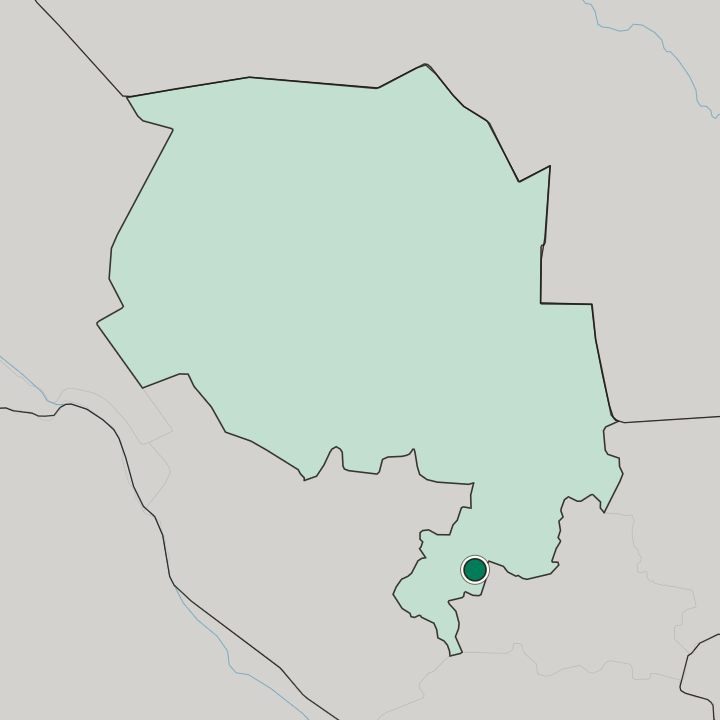
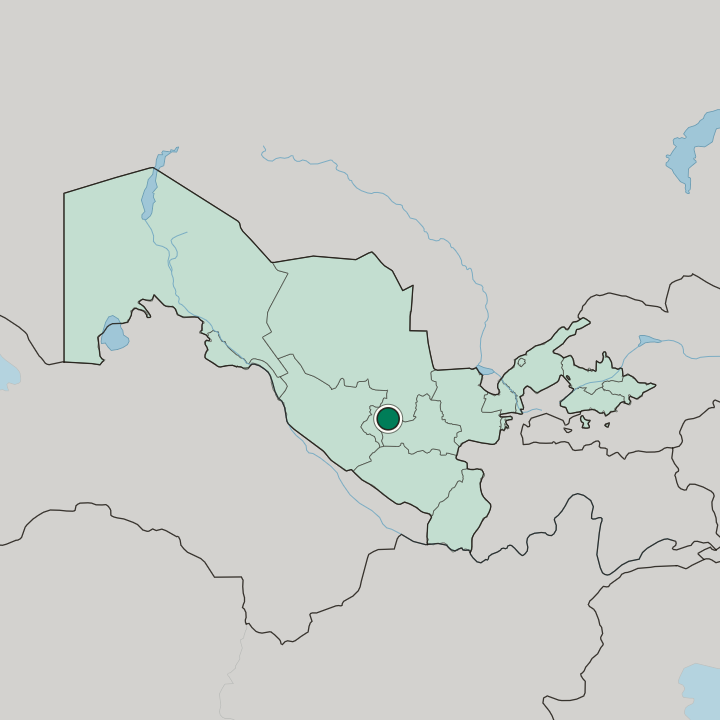
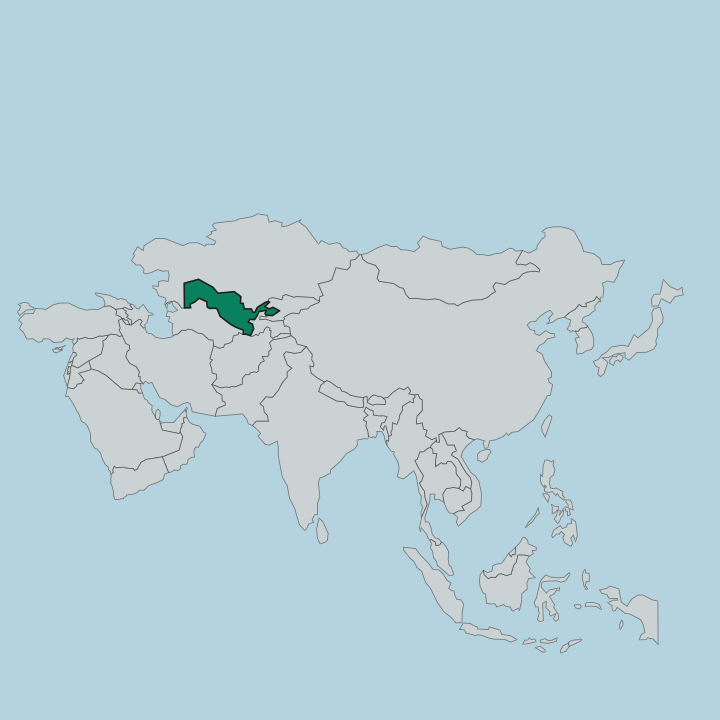
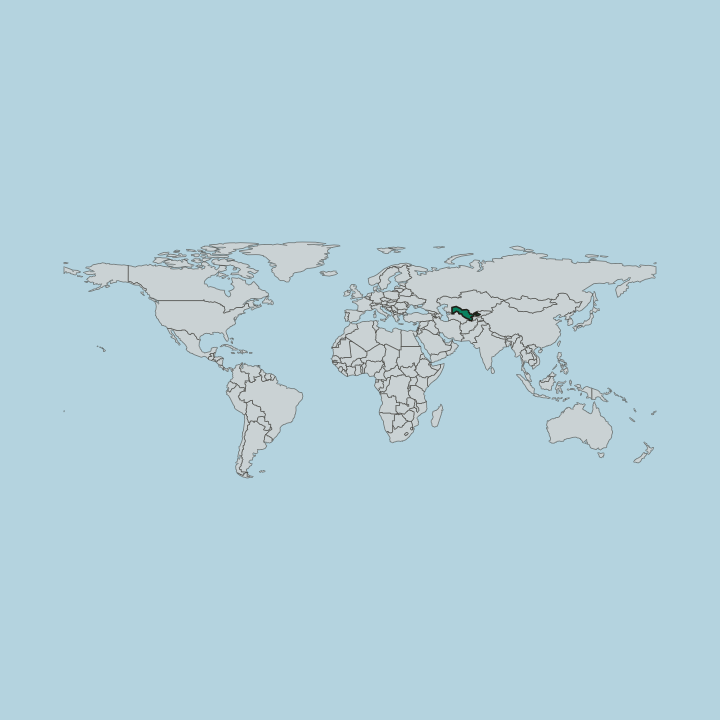
Navoiy lies in the center of Uzbekistan, on the edge of the Kyzylkum desert in the Zarafshan valley. The city sits on a dry plain between the river oasis and the sands, ringed by low desert hills, with the Kyzylkum stretching north and the Nurata mountains rising to the northeast. The desert runs flat and bare.
Low hills break the sands.
What is the climate of Navoiy?
Navoiy sits in desert country, and the weather runs hot and arid with it. Blazing summers and cold winters cross the sands, with fierce heat and dust in the summer and hard frost in the short winter. Heat shimmers over the plain.
Cold nights grip the winter.
How do you get to Navoiy?
Navoiy lies in central Uzbekistan, on the road and rail between Samarkand and Bukhara. The main line and highway run to it across the valley from Samarkand, and roads lead north into the Kyzylkum. Trains stop on the desert line.
Samarkand lies east up the valley.
Common questions
What is the best area to stay in Navoiy?
The town centre: Visitors here for the statue and parks. The desert: Stays wanting the rock art and sands.
Good for
Updated September 2026