Uzbekistan
Navoiy Region, Uzbekistan — Towns & Travel Guide
Navoiy is a desert region of central Uzbekistan, spanning the Kyzylkum sands from the Muruntau gold pit to the holy spring and yurt camps of Nurata.
Hotel links are affiliate links: booking through them may earn us a commission, at no extra cost to you. It never affects how places are ranked. How this works


Towns & cities in Navoiy Region
One town here has its own guide — it links to where to stay.

 Uzbekistan
Navoiy
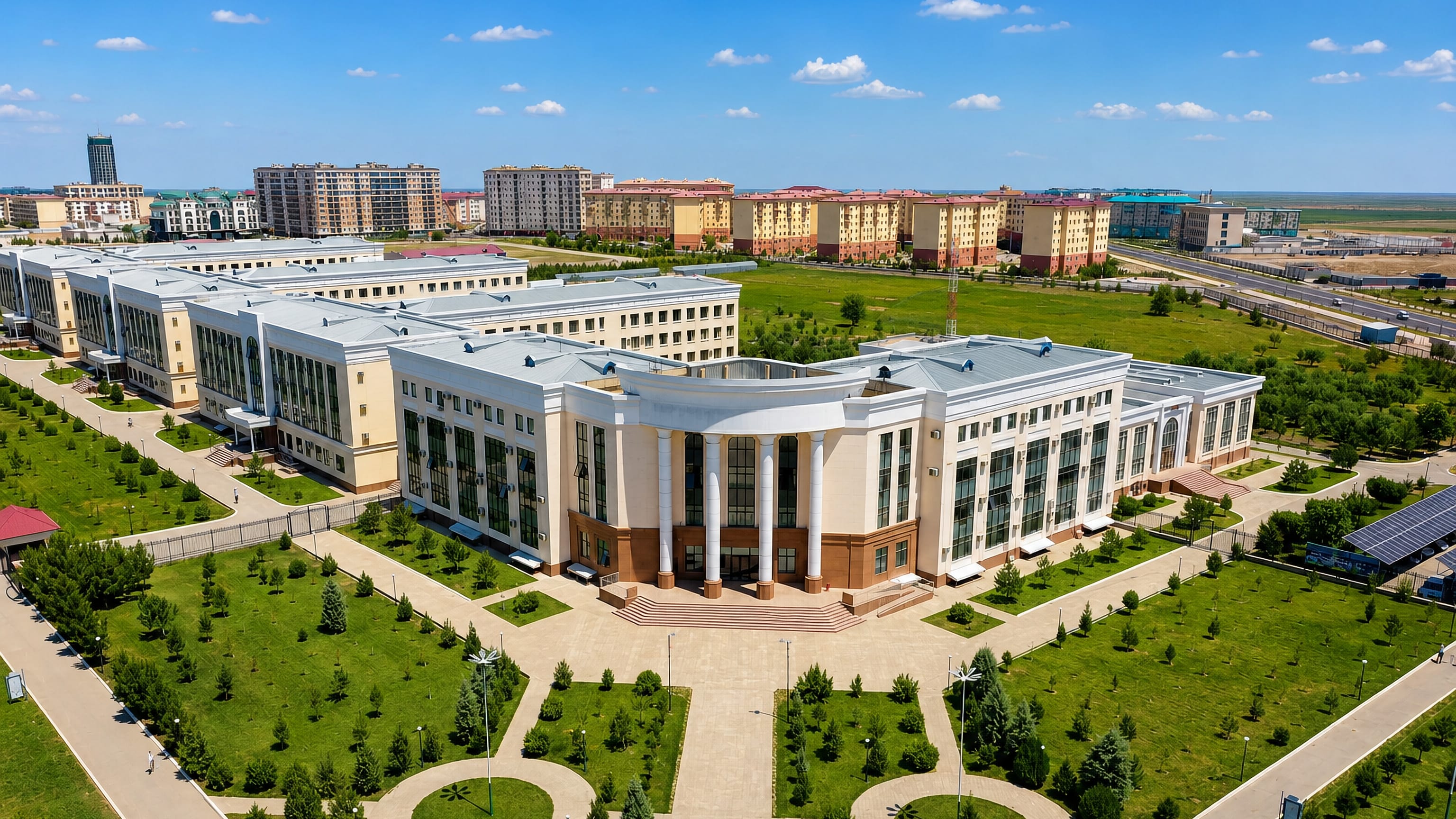
Navoiy is a city of central Uzbekistan on the edge of the Kyzylkum, a planned mining town named for Alisher Navoi, near goldfields and ancient rock art.Where to stay →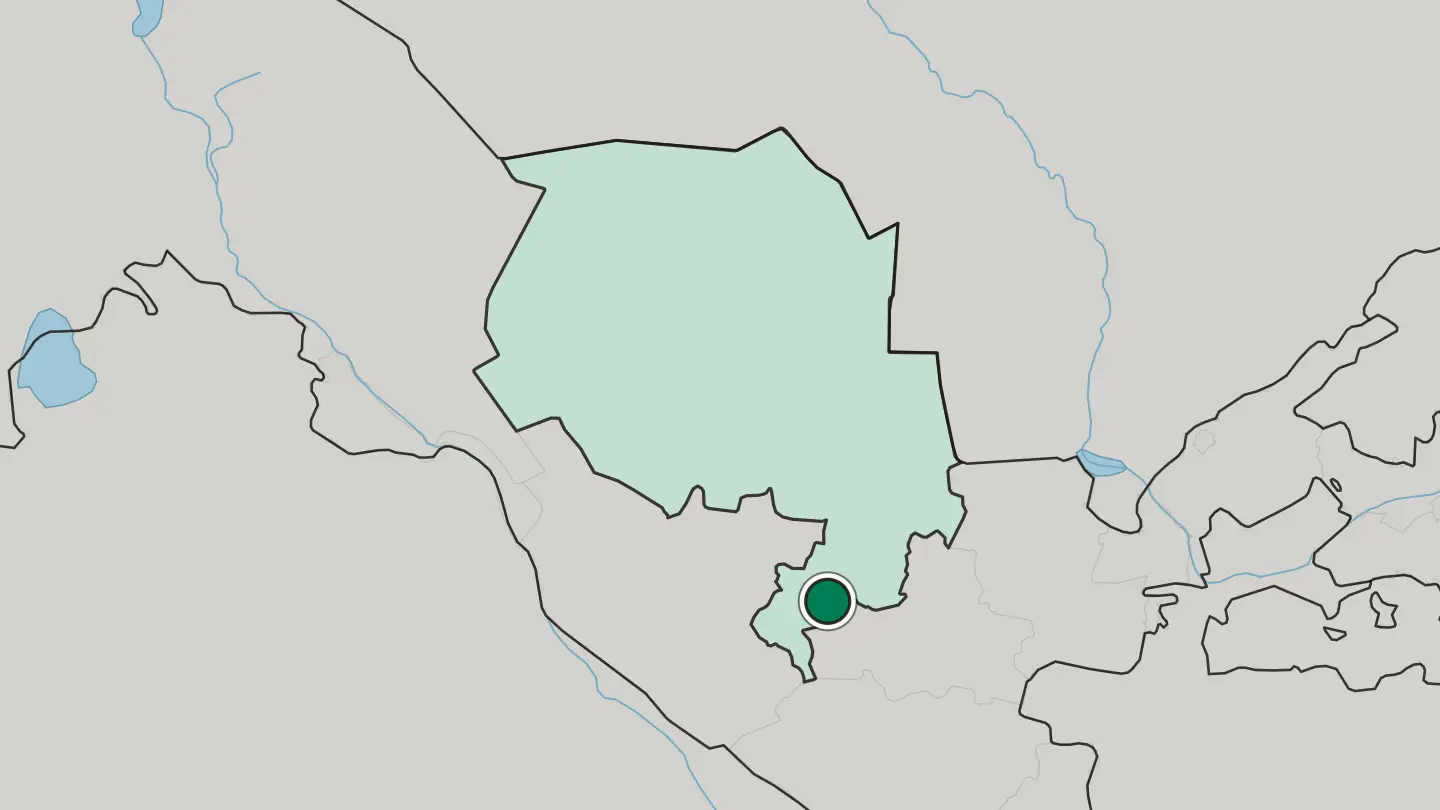
Hotel links are affiliate links: booking through them may earn us a commission, at no extra cost to you. It never affects how places are ranked. How this works
About Navoiy Region
Navoiy is known for gold and for emptiness.
What is Navoiy Region known for?
Deep in its share of the Kyzylkum lies Muruntau, an open-pit gold mine, a terraced crater gouged into the desert beside the company town of Zarafshan. Travellers, though, come for softer things, the pilgrim spring at Nurata, the petroglyphs of the Sarmish gorge, and nights in yurts above the reed-fringed shallows of Lake Aydarkul. The region carries the name of Uzbekistan's great poet, Alisher Navoi.
Where is Navoiy Region?
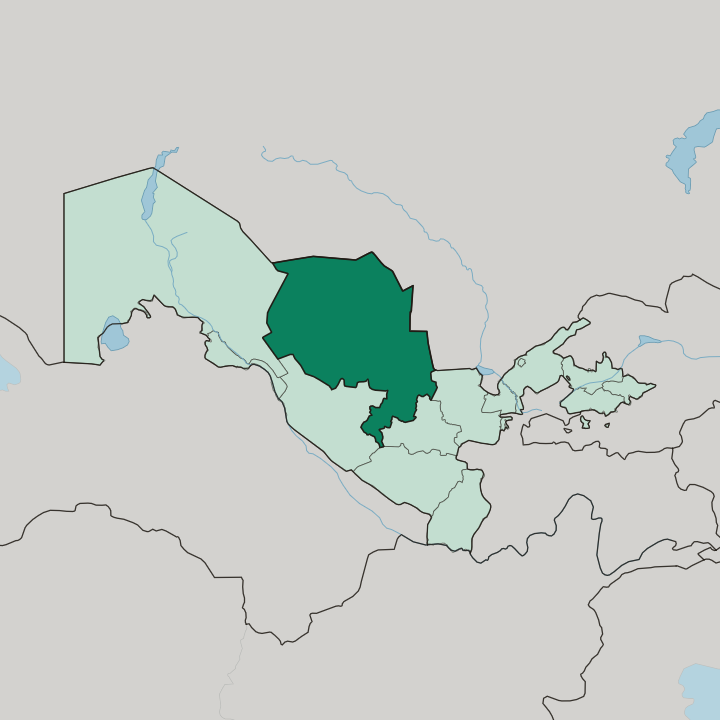
Navoiy is mostly the Kyzylkum, the red-sand desert that fills the centre of Uzbekistan between the country's two great rivers. It is a land of sand and stone. The region stretches from irrigated valleys in the south, where the Zarafshan River gives out before it can reach the Amu Darya, north and east across dunes and gravel plains toward the Kazakh border.
Little water crosses it. The monotony breaks in two places. The Nurata range rises as a long dry spine along the southern rim, its springs feeding orchards at the desert's edge, and beyond it the man-made Lake Aydarkul spreads a startling sheet of blue across the sands, filled last century by overflow from the Syr Darya.
Between them lie the gold-bearing hills around Muruntau. Everything else is desert. The contrast of bright water, bare range and open Kyzylkum, all within a morning's drive, is what gives the region its shape.
What is Navoiy Region like?
Navoiy's culture is shaped by the desert and the caravan road that once skirted it. Nurata is its spiritual centre. Pilgrims have come for centuries to the Chashma spring there, where sacred fish swim in a pool beside a mosque, below a hilltop fortress that local legend credits to Alexander the Great on his march east.
Faith and legend share the same water. Out on the sands the older way of life lingers among herders, and the yurt camps that host travellers keep the felt tents, flatbread and firelit songs of that tradition alive rather than inventing them. The region wears its name with pride.
It honours Alisher Navoi, the fifteenth-century poet who shaped the Uzbek literary language, and his verses are still quoted in a province that mixes industrial mining towns with open desert.
What is the history of Navoiy Region?
Caravans crossed this desert long before the mines came. A branch of the Silk Road skirted the Nurata range, watering at its springs on the haul between Bukhara and the Fergana Valley, and rock carvings in the Sarmish gorge record hunters who passed thousands of years earlier. The hill fort above Nurata is tied by legend to Alexander.
Everything changed in the twentieth century. Soviet geologists found gold at Muruntau in the 1950s, and the desert filled with mines, a railway and the new town of Zarafshan.
What is the climate of Navoiy Region?
Navoiy has a fierce desert climate, the Kyzylkum baking under a summer sun that pushes the sand well past forty. Shade is scarce out here. Winters are short but genuinely cold, with frost on the dunes and biting winds off the open plain, while spring brings a brief green flush and the year's little rain.
Autumn is the kind season for travel.
How do you get to Navoiy Region?
Navoiy sits on the main line and motorway between Samarkand and Bukhara, so reaching the region is easy. Fast trains stop at Navoiy city. Most visitors arrive by road from Samarkand an hour or two south, since the sights cluster around Nurata and the lake rather than the capital, and a hired car or tour vehicle is the usual way on into the desert.
A small airport handles limited domestic flights.
Common questions
What is the best area to stay in Navoiy Region?
Nurata: Pilgrim sites and desert trips. Lake Aydarkul yurt camps: A night on the dunes. Navoiy city: An overnight for the gold-belt railway.
Good for
More regions in Uzbekistan
Updated October 2026