Venezuela · Distrito Capital
Where to Stay in Caracas, Distrito Capital
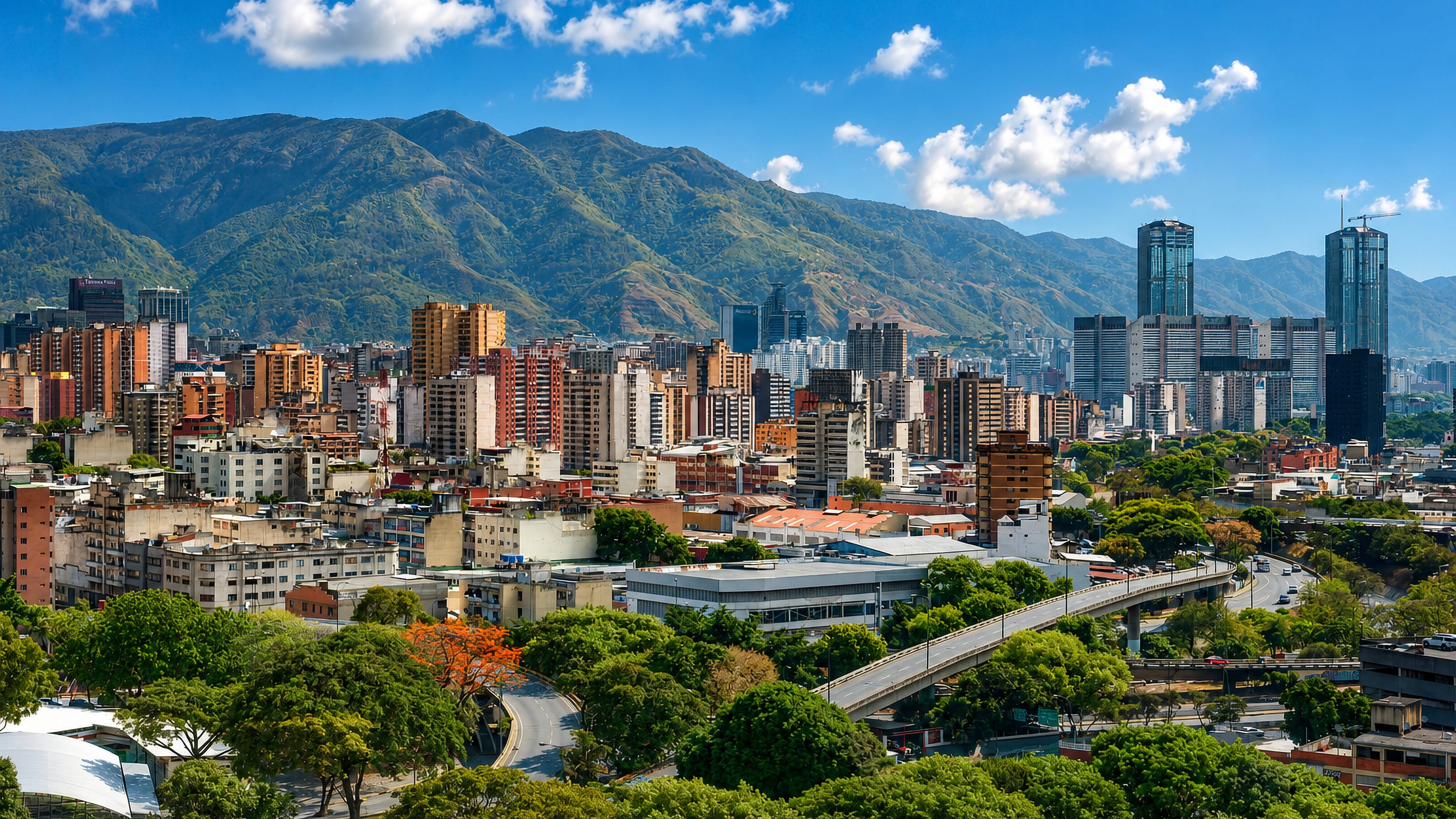
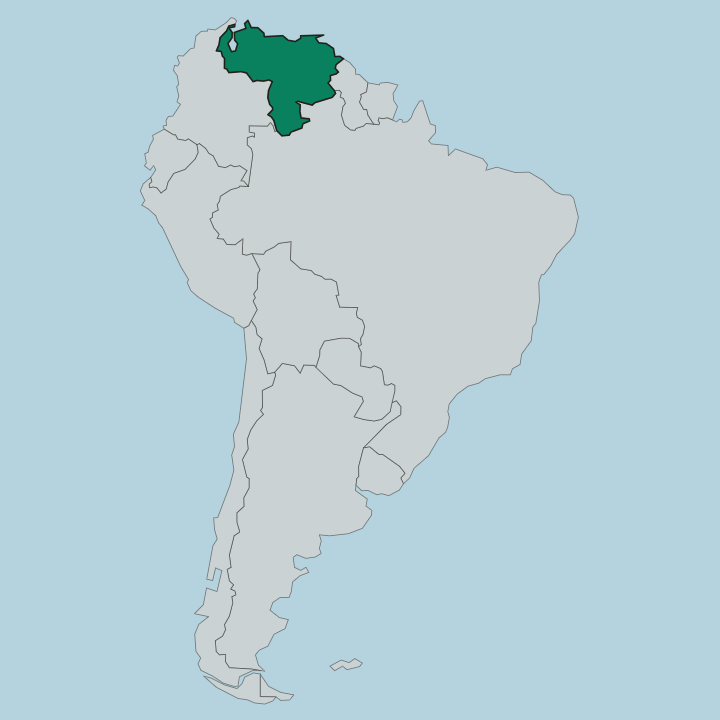
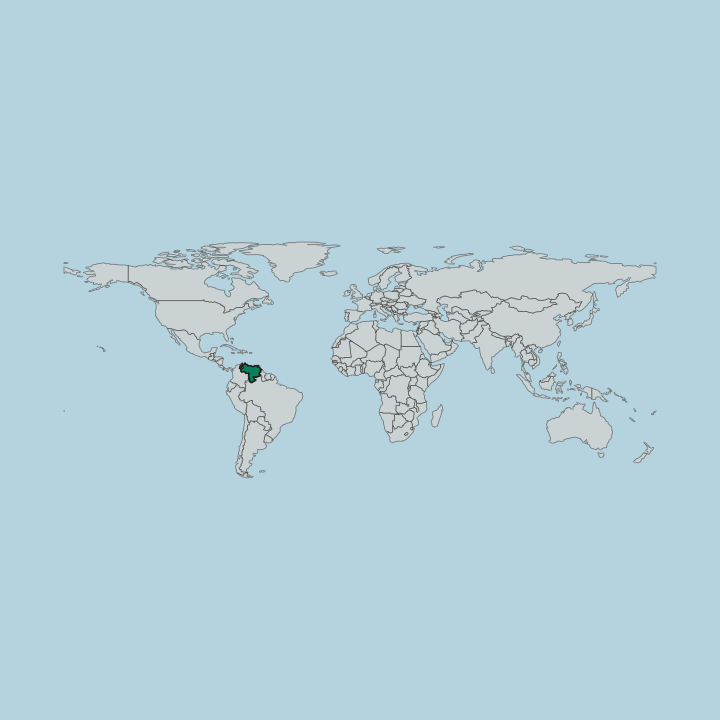
Caracas fills a green valley below Cerro El Ávila, the capital of Venezuela, founded in 1567 and known for the Guaire River and the Miraflores Palace.
Hotel links are affiliate links: booking through them may earn us a commission, at no extra cost to you. It never affects how places are ranked. How this works


Where to stay in Caracas
Not every neighbourhood fits every trip — here's what each one is good for.

 CaracasVenezuela
La Pastora
Two cenotaphs sit here. La Pastora is one of the 22 parishes of the Libertador Bolivarian Municipality in Caracas.Where to stay → CaracasVenezuela
Veintitrés de Enero
A date names this parish. Veintitrés de Enero recalls 1958, and it lies west of the centre of Caracas near Miraflores Palace.Where to stay →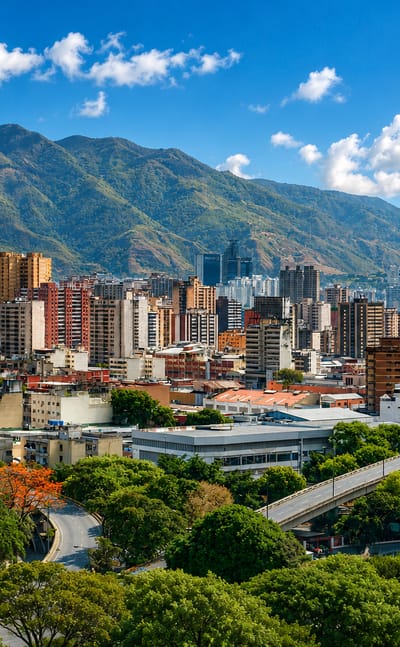 CaracasVenezuela
Los Caobos
Museums ring the park. Los Caobos surrounds one of the oldest parks in Caracas, with the National Art Gallery and the Caracas Athenaeum close by.Where to stay →CaracasVenezuelaPropatria
Three parishes and a sports ground. Propatria is a district of Caracas, holding the Polideportivo de los Criollitos de Venezuela among its named sites.Where to stay → CaracasVenezuela
Sabana Grande
Sabana Grande sits at the geographical centre of the Metropolitan District of Caracas. Casa Caoma stands here.Where to stay →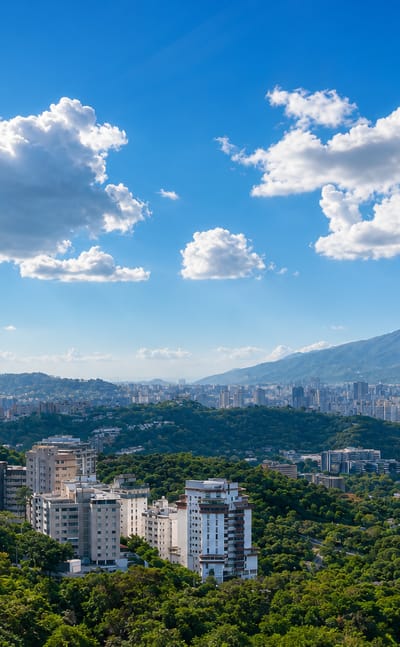 CaracasVenezuela
Bello Monte
Bello Monte is a middle-class urbanización of Caracas. Its grid runs from the Boulevard de Sabana Grande to the Guaire, under the flutes of Torre América.Where to stay →Hotel links are affiliate links: booking through them may earn us a commission, at no extra cost to you. It never affects how places are ranked. How this works
Find hotels in Caracas
Direct booking searches for these neighbourhoods.
Valley-floor centre
Runs along the Guaire River where the old grid holds the National Art Gallery, the Caracas Museum of Fine Arts and the government offices within a short walk.Find hotels in Valley-floor centretravellers wanting cooler, quieter nights near the mountain wallEl Ávila slopes
Climbs the northern flank below Cerro El Ávila, set back from the river and closer to the green ridge that walls the Caracas Valley from the coast.Find hotels in El Ávila slopesHotel links are affiliate links: booking through them may earn us a commission, at no extra cost to you. It never affects how places are ranked. How this works
Things to do in Caracas
Ranked by global recognition; descriptions from Wikidata (CC0).
Museums & Galleries
3- Caracas Museum of Fine Arts Heritage
- Museo Bolivariano Heritage
- Caracas Athenaeum Heritage
Churches & Religious Sites
3- San Francisco church Heritage
- Basilica of Santa Capilla Heritage
- Our Lady of Mercy Church, Caracas Heritage
Castles & Historic Sites
3- Cruz del Avila
- Cenotafio de Francisco de Miranda
- Guaicaipuro monument
Stadiums & Sports
1- Polideportivo de los Criollitos de Venezuela
Landmarks & Notable Places
1- Miraflores Palace Heritage
worth knowingacross 5 categories in Caracas
About Caracas
What is Caracas known for?
Caracas is known as the capital and largest city of Venezuela, the seat of the country's government at the Miraflores Palace and the centre of national life. The city sits high. It rises on the floor of a valley in the coastal mountain range, cut off from the Caribbean Sea by the steep wall of Cerro El Ávila.
The National Art Gallery, the Caracas Athenaeum and the Basilica of Santa Capilla give the old centre its civic weight.
What are the main landmarks in Caracas?
Caracas keeps a dense run of museums and monuments in its valley. The Miraflores Palace holds the seat of government, while the National Art Gallery and the Caracas Museum of Fine Arts anchor the city's collections. Faith and history stand close by.
The Basilica of Santa Capilla and the colonial San Francisco church rise near the old centre, and the Guaicaipuro monument marks the memory of the region's indigenous cacique.
What is the history of Caracas?
Caracas was founded in 1567 under the full name Santiago de León de Caracas. Spanish settlers laid out the colonial grid on the floor of a high valley in the coastal range, sheltered from the Caribbean Sea by the steep wall of Cerro El Ávila. The site had a defensive logic.
The mountain that cut the town off from the sea also shielded it from raiders who reached the coast. From that colonial seed the settlement grew into the capital of Venezuela. Churches such as the San Francisco church and civic institutions gathered around the old centre, and the Guaire River threaded through the valley as the town spread along its floor.
The Guaicaipuro monument recalls the indigenous cacique who resisted the early Spanish arrival. Over the centuries Caracas became the seat of national government, its authority fixed at the Miraflores Palace. The valley shaped the city at every stage.
Where is Caracas?
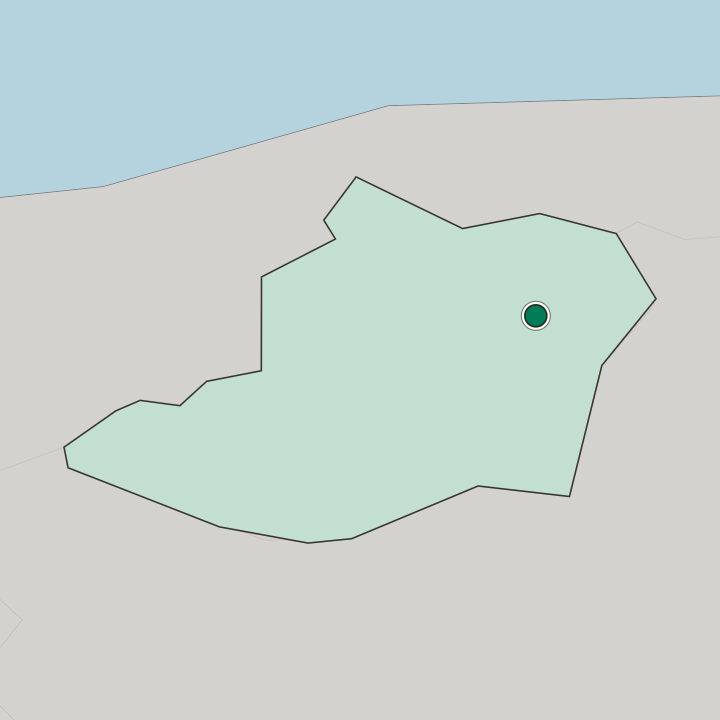
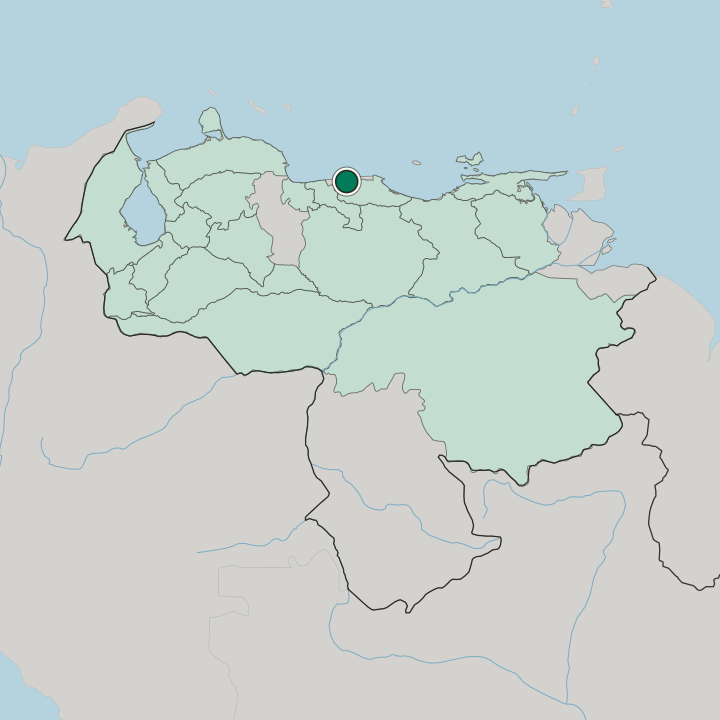
Caracas lies in the Caracas Valley, set in the coastal mountain range of northern Venezuela. The Guaire River runs the length of the valley floor, while the steep ridge of Cerro El Ávila rises to the north and separates the city from the Caribbean Sea beyond. More hills close the valley to the south.
The setting is high, green and hemmed on every side by mountains.
What is the climate of Caracas?
Caracas has a mild tropical climate, tempered by the elevation of its valley. The tropics bring the warmth, but the height of the Caracas Valley and the shade of Cerro El Ávila keep the heat gentle through much of the year. Seasons split into a wetter and a drier stretch rather than into hot and cold.
The air stays temperate. It is warmth softened by altitude.
How do you get to Caracas?
Caracas is reached across the ridge of Cerro El Ávila that walls it from the coast. The mountain separates the Caracas Valley from the Caribbean Sea, so travellers arriving from the shore must cross the high range to drop down into the city on the valley floor. From there the streets follow the Guaire River.
Every route bends into the same enclosed basin, and the walls of the Caracas Valley funnel each arrival down toward the crowded centre on the floor below. One valley holds it all.
Common questions
What is the best area to stay in Caracas?
Valley-floor centre: first-timers who want the National Art Gallery and colonial core on foot. El Ávila slopes: travellers wanting cooler, quieter nights near the mountain wall.
Good for
Updated October 2026