Venezuela · Estado Aragua
Where to Stay in Maracay, Estado Aragua
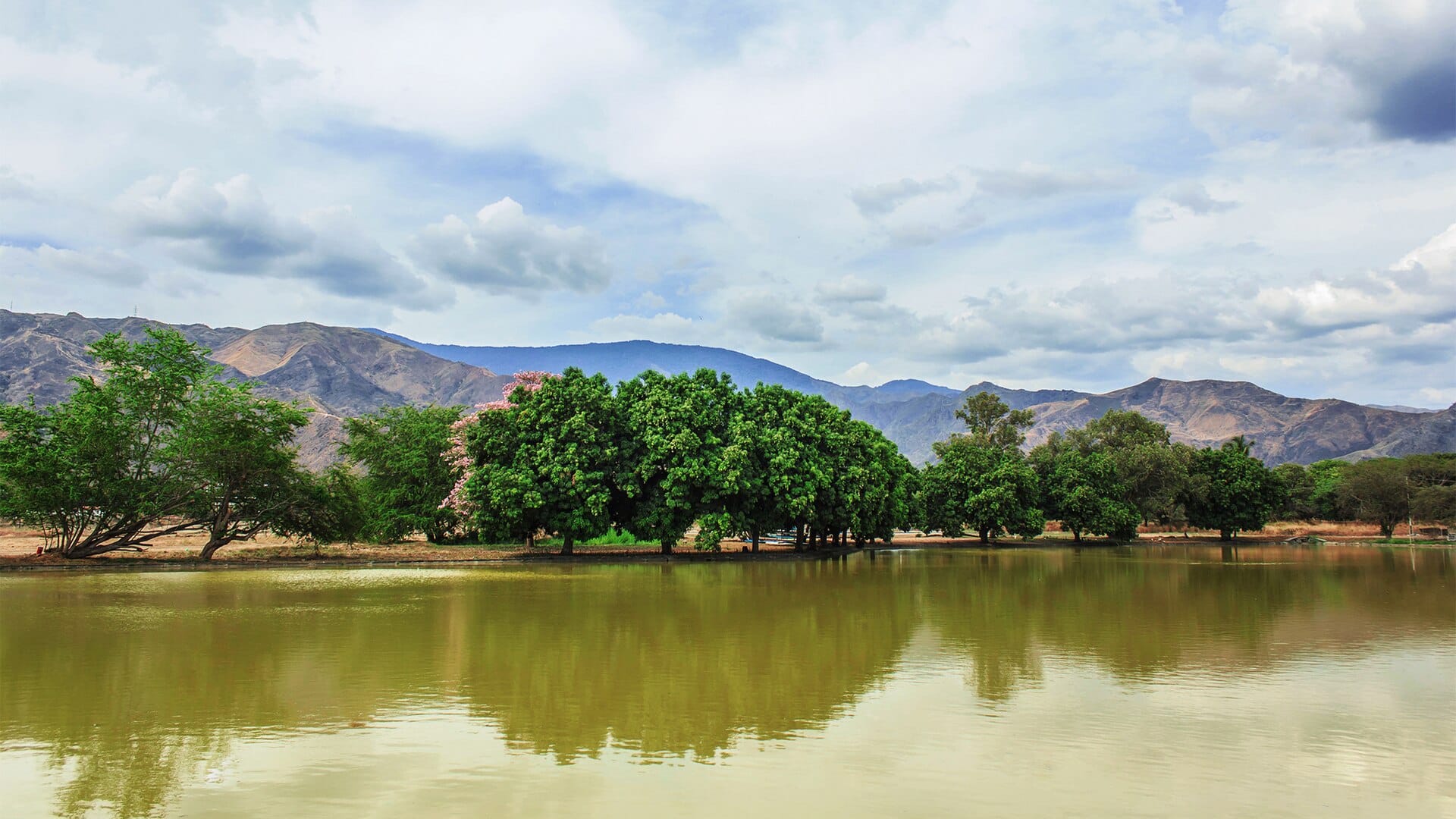
Maracay is the capital of Aragua, known in Venezuela as Ciudad Jardín, with Henri Pittier National Park and the town of Choroní beyond it.
Hotel links are affiliate links: booking through them may earn us a commission, at no extra cost to you. It never affects how places are ranked. How this works


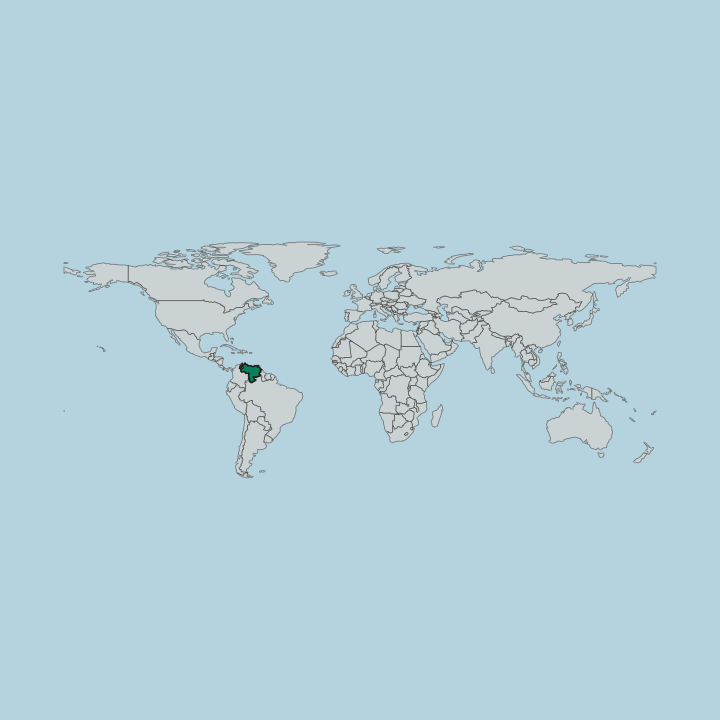
Where to stay in Maracay
How the choice of base plays out on the ground.
Two very different stays are on offer. Central Maracay, around the Obelisco de la Redoma de San Jacinto, puts the Museo de Arte Contemporáneo de Maracay Mario Abreu and the everyday commerce of Girardot Municipality within walking distance, and it is the default for anyone whose reason for coming is the city itself. Maracay is large enough that the choice is real.
Green space is never far. The nickname Ciudad Jardín is not decorative, and the parks that earned it, including the Parque acuático metropolitano de Maracay, sit close enough to most central beds to matter. Fixtures pull in another direction.
The Estadio Olímpico Hermanos Ghersi Páez and the Polideportivo Las Delicias draw crowds from across Aragua, and a bed on that side removes the crossing back through central traffic when a match ends late. Aragua's fixture calendar drives that demand. The coast is the third answer.
Choroní holds a small stock of rooms at the seaward end of the run through Henri Pittier National Park, which is the argument for sleeping on the coast instead of returning the same evening. Beds out there are few.
Find hotels in Maracay
Direct booking searches for these neighbourhoods.
Around the Obelisco de la Redoma de San Jacinto
The obelisk junction is the point the central streets of Girardot Municipality organise themselves aroundFind hotels in Around the Obelisco de la Redoma de San JacintoFixtures at the Polideportivo Las Delicias and the Estadio Olímpico Hermanos Ghersi PáezThe Polideportivo Las Delicias side
The two Maracay sports venues sit near enough that one bed covers both fixture calendarsFind hotels in The Polideportivo Las Delicias sideSea nights at Choroní rather than a late drive back through Henri Pittier National ParkChoroní on the coast
Choroní keeps its own small stock of rooms at the seaward end of the park road. Beds are limited here, so book early.Find hotels in Choroní on the coastHotel links are affiliate links: booking through them may earn us a commission, at no extra cost to you. It never affects how places are ranked. How this works
Things to do in Maracay
Ranked by global recognition; descriptions from Wikidata (CC0).
Museums & Galleries
1- Museo de Arte Contemporáneo de Maracay Mario Abreu
Castles & Historic Sites
1- Obelisco de la Redoma de San Jacinto
Stadiums & Sports
3- Estadio Olímpico Hermanos Ghersi Páez Heritage
- Polideportivo Las Delicias Heritage
- Gimnasio Cubierto Mauricio Johnson
worth knowingacross 3 categories in Maracay
About Maracay
Greenery gave the city its nickname.
What is Maracay known for?
Maracay is called Ciudad Jardín, the Garden City, and the volume of vegetation behind that name is what Venezuela knows the capital of Aragua for. Parks and museums fill the rest. Henri Pittier National Park lies within reach, the town of Choroní draws day trips, and the Museo de Arte Contemporáneo de Maracay Mario Abreu holds the city's own collection.
What are the main landmarks in Maracay?
Sport takes up most of the list. The Estadio Olímpico Hermanos Ghersi Páez, the Polideportivo Las Delicias, and the Gimnasio Cubierto Mauricio Johnson between them account for most of the crowds Girardot Municipality gathers in a given week. Two museums balance it.
The Museo de Arte Contemporáneo de Maracay Mario Abreu holds contemporary work and the Aeronautics Museum holds the city's flying history, while the Obelisco de la Redoma de San Jacinto and the Parque acuático metropolitano de Maracay fill in the open-air end of the list.
What is the history of Maracay?
Maracay dates from 1701, long before it mattered much. The town that took shape then sat inland of the Caribbean coast, and it stayed a modest place for most of the two centuries that followed. Capital status changed the trajectory, because becoming the seat of Aragua brought the offices, the institutions, and the road connections that a provincial town does not otherwise attract.
Girardot Municipality took in most of the growth. Aviation arrived alongside. The Aeronautics Museum keeps that thread visible, and Maracay's association with flying is old enough to have left its own institution behind.
Sport and culture followed the growth. The Estadio Olímpico Hermanos Ghersi Páez, the Polideportivo Las Delicias, and the Gimnasio Cubierto Mauricio Johnson gave Girardot Municipality a set of venues no colonial town would have needed, and the Parque acuático metropolitano de Maracay added another. The Museo de Arte Contemporáneo de Maracay Mario Abreu did the same for art.
Monuments came too. The Obelisco de la Redoma de San Jacinto marks a junction the way a growing city marks its junctions, and the nickname Ciudad Jardín held through all of it because the vegetation was never built over.
Where is Maracay?
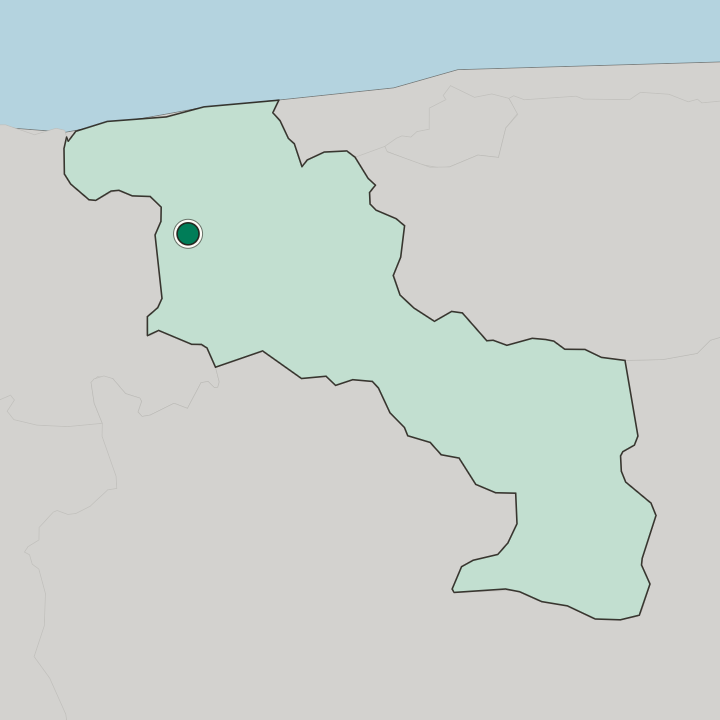
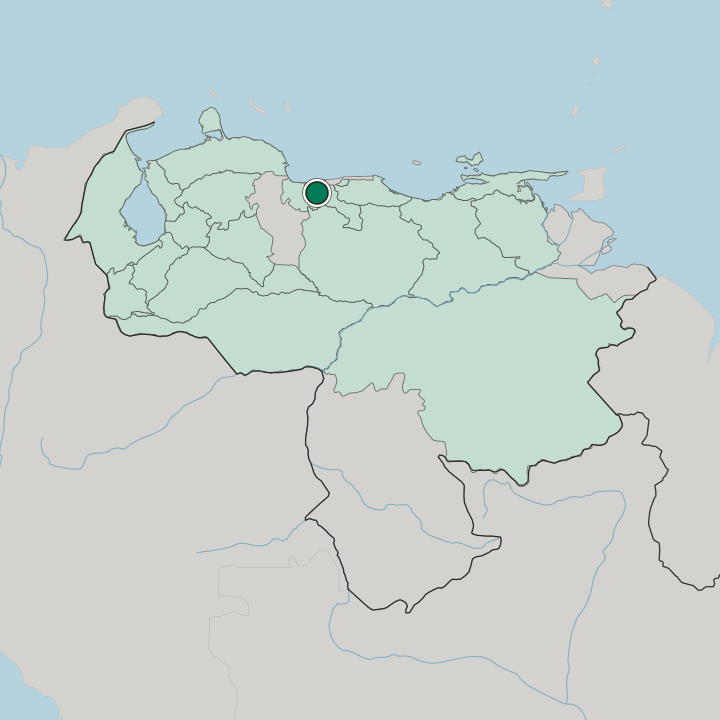
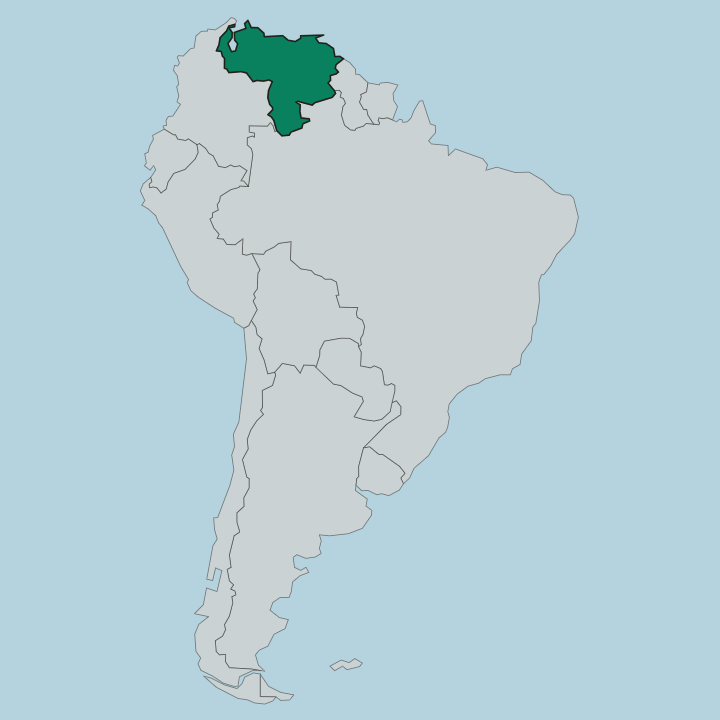
Maracay lies near the Caribbean coast, and most of the city falls under Girardot Municipality inside Aragua, with a municipal area far wider than the streets it contains. Green ground separates the two. Henri Pittier National Park and the town of Choroní both lie within reach of the city, and the vegetation the nickname points to carries on well past the built edge of Girardot Municipality.
What is the climate of Maracay?
The Caribbean coast moderates it. Sea air reaching Maracay from the coast and the standing greenery that earned the city its Ciudad Jardín name together keep the tropical heat from building the way it does on drier ground in Venezuela. Wet months are the green ones.
Rain over Aragua feeds the parks and the tree cover of Girardot Municipality through half the year, and the drier stretch thins the growth without ever stripping it.
How do you get to Maracay?
Almost every visitor reaches Maracay by road. Maracay is the road hub of Aragua, so traffic bound for the Caribbean coast and traffic bound inland both pass through Girardot Municipality. The road out to Choroní is the exception.
Henri Pittier National Park lies along the way, and the journey out there takes far longer than the distance suggests.
Common questions
What is the best area to stay in Maracay?
Around the Obelisco de la Redoma de San Jacinto: First stays that want the Obelisco de la Redoma de San Jacinto and the city museums close. The Polideportivo Las Delicias side: Fixtures at the Polideportivo Las Delicias and the Estadio Olímpico Hermanos Ghersi Páez. Choroní on the coast: Sea nights at Choroní rather than a late drive back through Henri Pittier National Park.
Good for
Updated October 2026