Venezuela · Estado Bolívar
Where to Stay in Ciudad Bolívar, Estado Bolívar
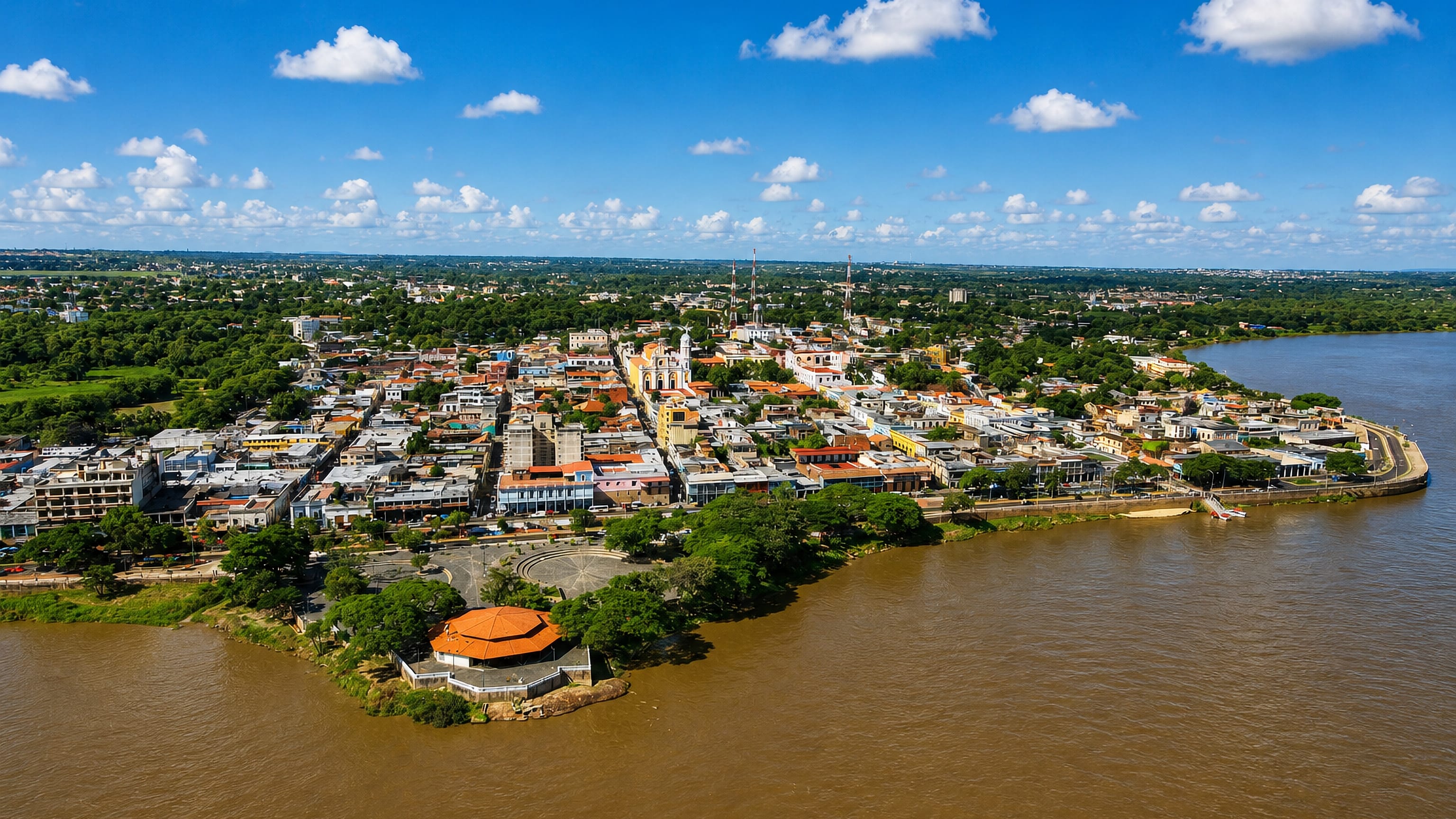
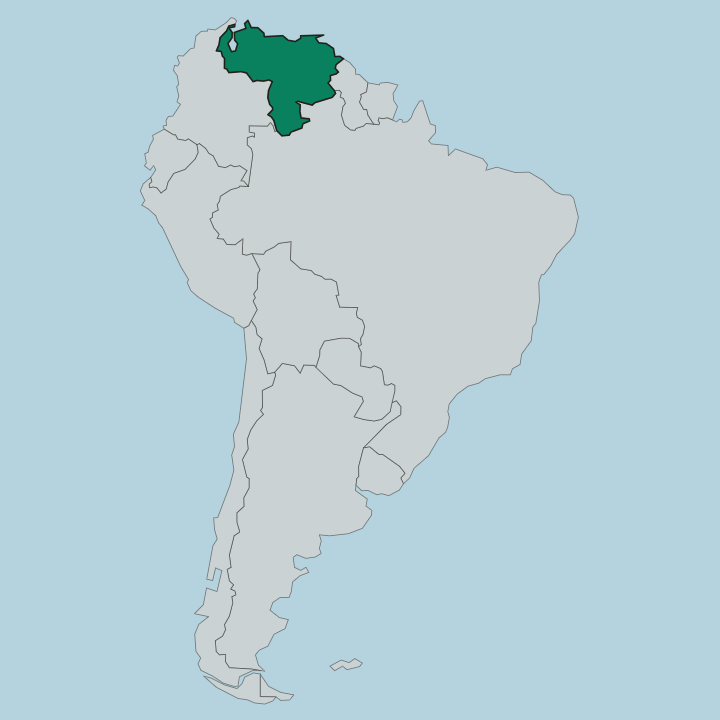
Ciudad Bolívar is a city of south Venezuela on the narrows of the Orinoco, once called Angostura, where Simón Bolívar set his young republic's capital.
Hotel links are affiliate links: booking through them may earn us a commission, at no extra cost to you. It never affects how places are ranked. How this works


Where to stay in Ciudad Bolívar
The practical side of choosing where to sleep.
In Ciudad Bolívar the choice of room comes down to the colonial quarter or the Orinoco bank. The streets of the colonial quarter keep the plaza, the Soto museum, and the cathedral within a walk, and staying in the old town suits anyone here for the history. Old houses climb the bluff.
The Orinoco runs wide below. Out toward the bridge and the airport, the town gives way to the new districts, the riverside, and the road to the falls. A room near the water trades the old streets for the wide Orinoco, the river quays, and the launch to Canaima and the south.
The savanna runs on to the tepuis. Stay in the old town for the history, or out for the river and falls. The colonial quarter is only a short run back from the water.
Find hotels in Ciudad Bolívar
Direct booking searches for these neighbourhoods.
The old town
On the bluff over the riverFind hotels in The old townStays bound for Canaima and the tablelandsThe river and falls
Toward the airport and riversideFind hotels in The river and fallsHotel links are affiliate links: booking through them may earn us a commission, at no extra cost to you. It never affects how places are ranked. How this works
About Ciudad Bolívar
Ciudad Bolívar is the old river capital of the Orinoco.
What is Ciudad Bolívar known for?
At the narrows of the great river in the south of Venezuela, it grew as the colonial town of Angostura, and it keeps the painted old quarter on the bluff above the water, the long bridge that first spanned the Orinoco, the modern-art museum of the painter Soto who was born here, and the wide river road to the falls and tablelands of the south. The brown river runs slow and wide. Old houses climb the bluff.
What are the main landmarks in Ciudad Bolívar?
The old quarter is the pride of Ciudad Bolívar. The painted colonial streets on the bluff above the river, where the congress of Angostura once sat, look down on the wide Orinoco, the emblem of the city, downtown. A great bridge spans the river.
The long Angostura bridge, first to cross the Orinoco, arcs over the narrows, while the Soto museum, the old cathedral, and the river road to the falls mark the country around Ciudad Bolívar.
What is the history of Ciudad Bolívar?
Ciudad Bolívar was founded at the narrows. In seventeen sixty-four the Spanish built a town on the bluff where the Orinoco runs narrow, and named it Angostura for the strait. The town made a nation.
Here in eighteen nineteen Simón Bolívar gathered his congress and set the capital of his young republic, and from Angostura the armies marched to free the north. A famous bitters took its name here. One doctor of the town brewed the aromatic Angostura bitters, carried now around the world, and the city later took the name of the Liberator himself.
The great river ruled its life. Boats and later a long bridge crossed the Orinoco at the narrows, and Ciudad Bolívar grew as the river capital of Guayana and the starting point for the falls and tablelands of the south, keeping its old town, its river, and its bridge. The Orinoco still runs at its door.
Ciudad Bolívar keeps its old quarter above the great river.
Where is Ciudad Bolívar?
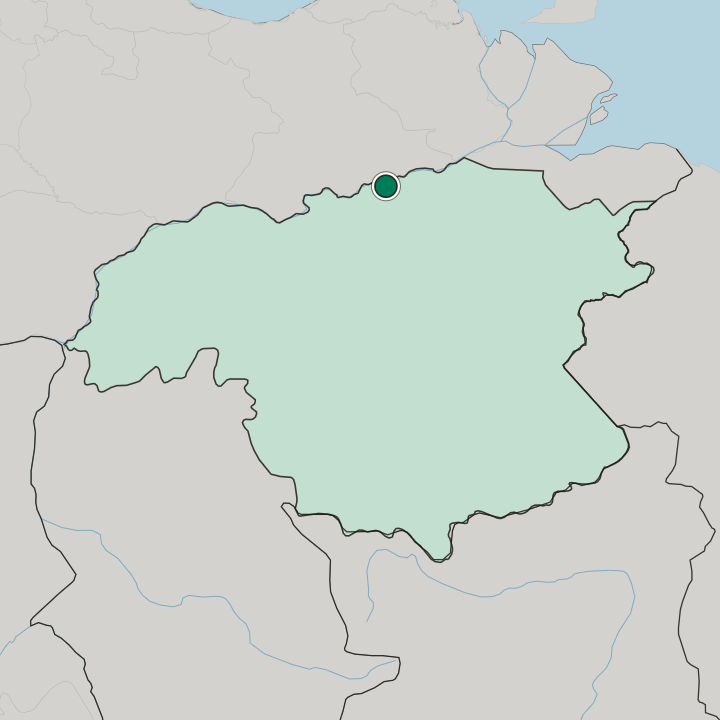
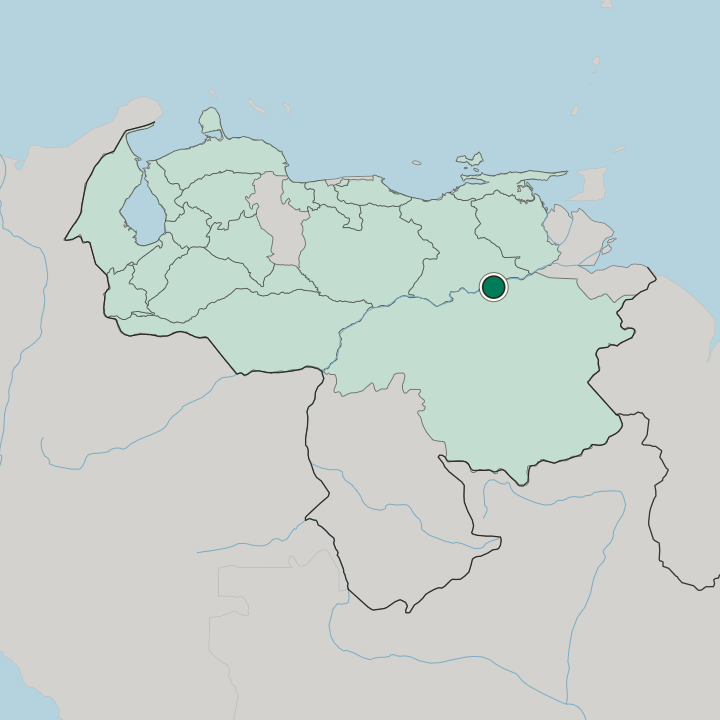
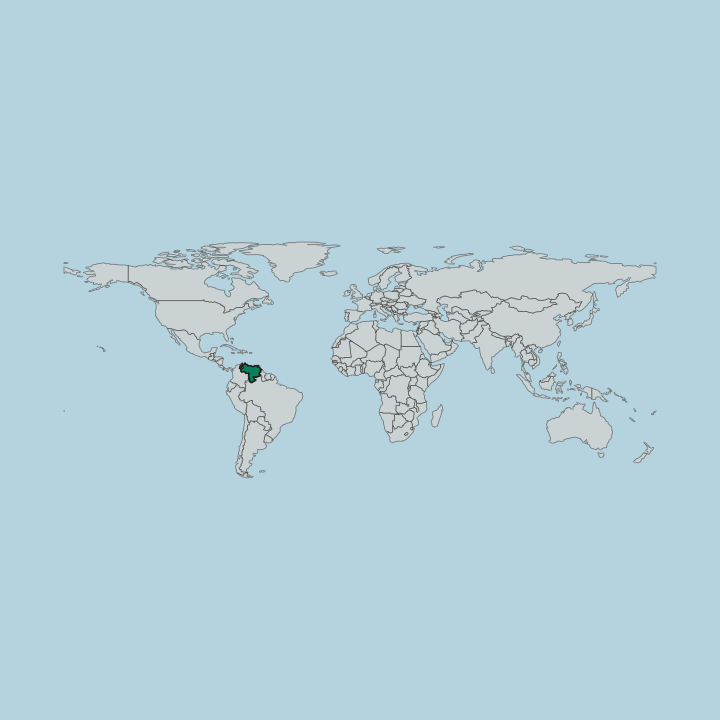
Ciudad Bolívar lies in the south of Venezuela, on the south bank of the Orinoco at its narrowest point. The city sits on a rocky bluff above the great river where it squeezes between low hills, in a hot land of savanna and forest, with the wide Orinoco below the old town and the tablelands of Guayana rising far to the south. The river runs broad and brown.
Savanna spreads to the hills.
What is the climate of Ciudad Bolívar?
Ciudad Bolívar has a hot, tropical savanna climate. Warm dry weather holds much of the year on the river, with a rainy season that swells the Orinoco and a long dry spell that bares its rocks. The heat hangs heavy by day.
Rains raise the river high.
How do you get to Ciudad Bolívar?
Ciudad Bolívar lies in the south of Venezuela, on the Orinoco upstream of the delta. The road and bridge run to it across the great river from the north and the coast, and light planes fly south to Canaima and the falls. Boats work the Orinoco.
Caracas lies far to the north.
Common questions
What is the best area to stay in Ciudad Bolívar?
The old town: Visitors here for the colonial quarter and museum. The river and falls: Stays bound for Canaima and the tablelands.
Good for
Another city in Estado Bolívar
Updated September 2026