Venezuela
Estado Bolívar, Venezuela — Towns & Travel Guide
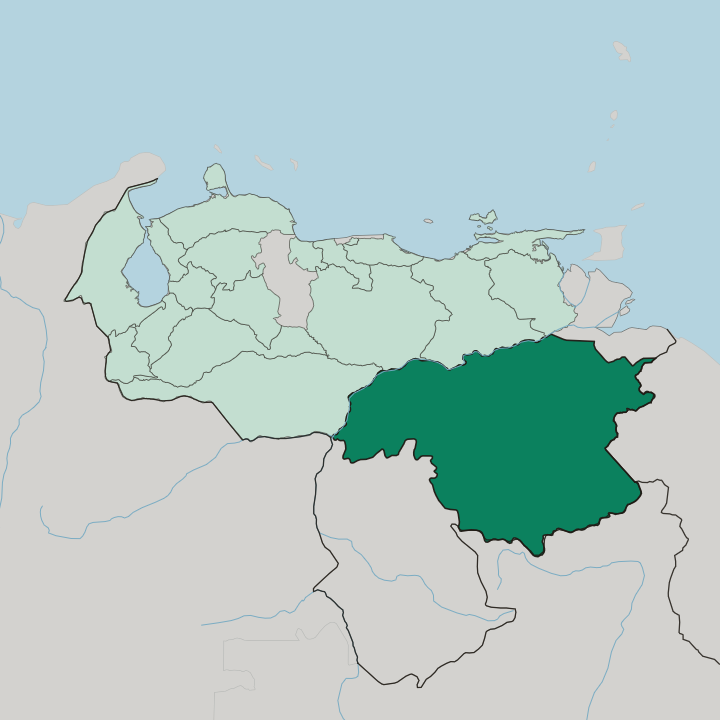
Bolívar is the largest of Venezuela's 23 states by area, the one that holds Angel Falls, with Ciudad Bolívar as its capital.
Hotel links are affiliate links: booking through them may earn us a commission, at no extra cost to you. It never affects how places are ranked. How this works


Towns & cities in Estado Bolívar
Pick a town or city — each links to where to stay.

 Venezuela
Ciudad Guayana
Ciudad Guayana is the steel and aluminium city of Bolívar, formed in 1961 where the Caroní River joins the Orinoco.Where to stay →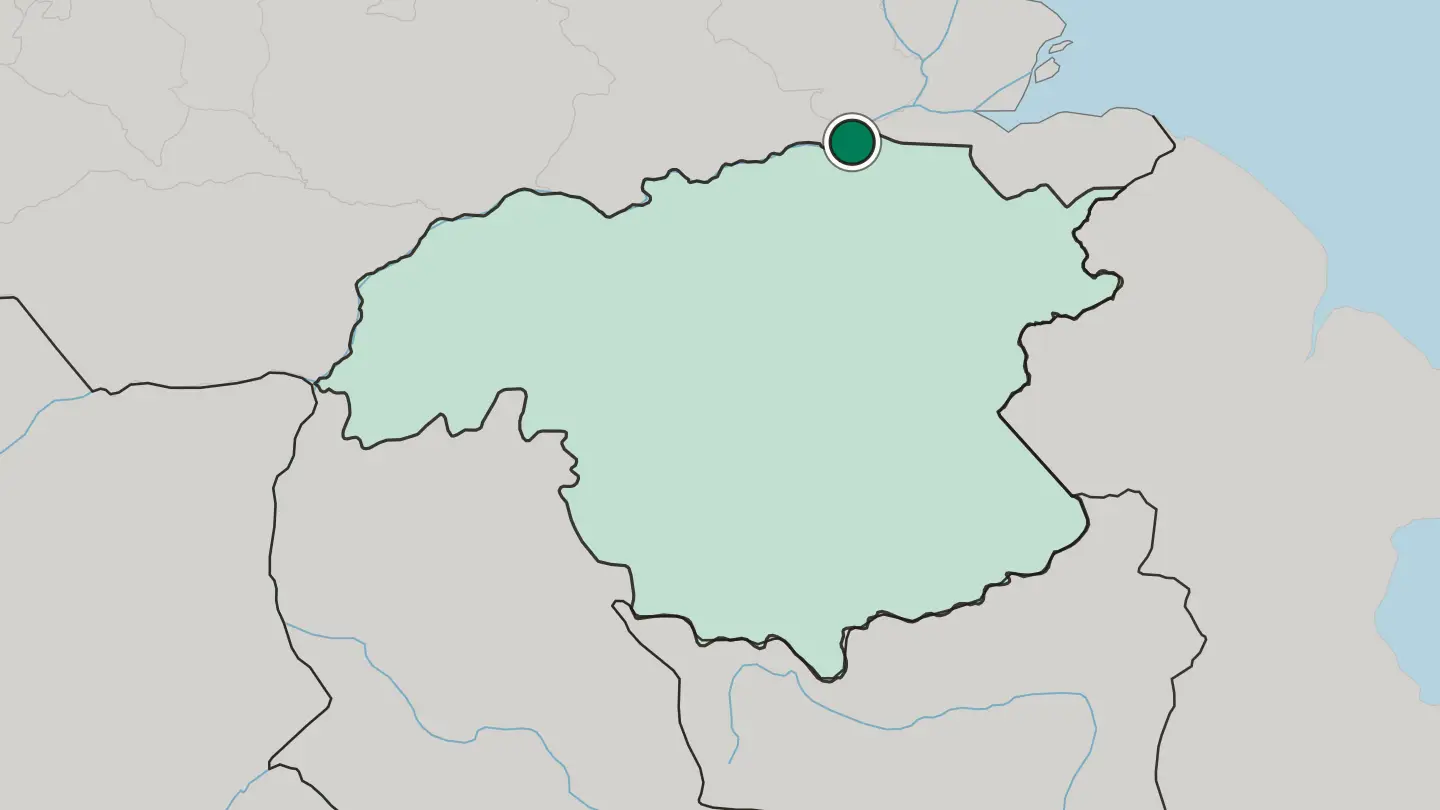
 Venezuela
Ciudad Bolívar
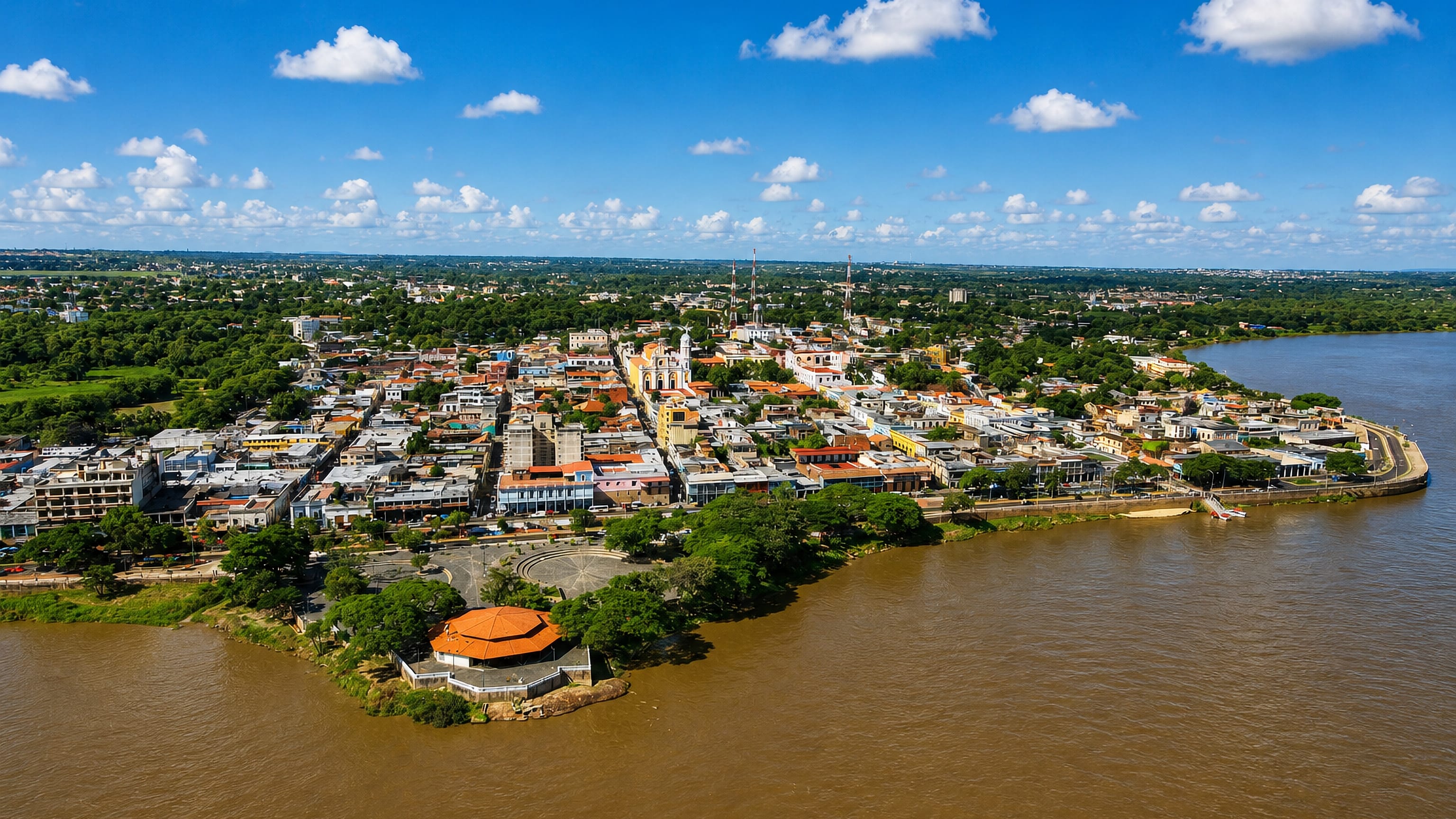
Ciudad Bolívar is a city of south Venezuela on the narrows of the Orinoco, once called Angostura, where Simón Bolívar set his young republic's capital.Where to stay →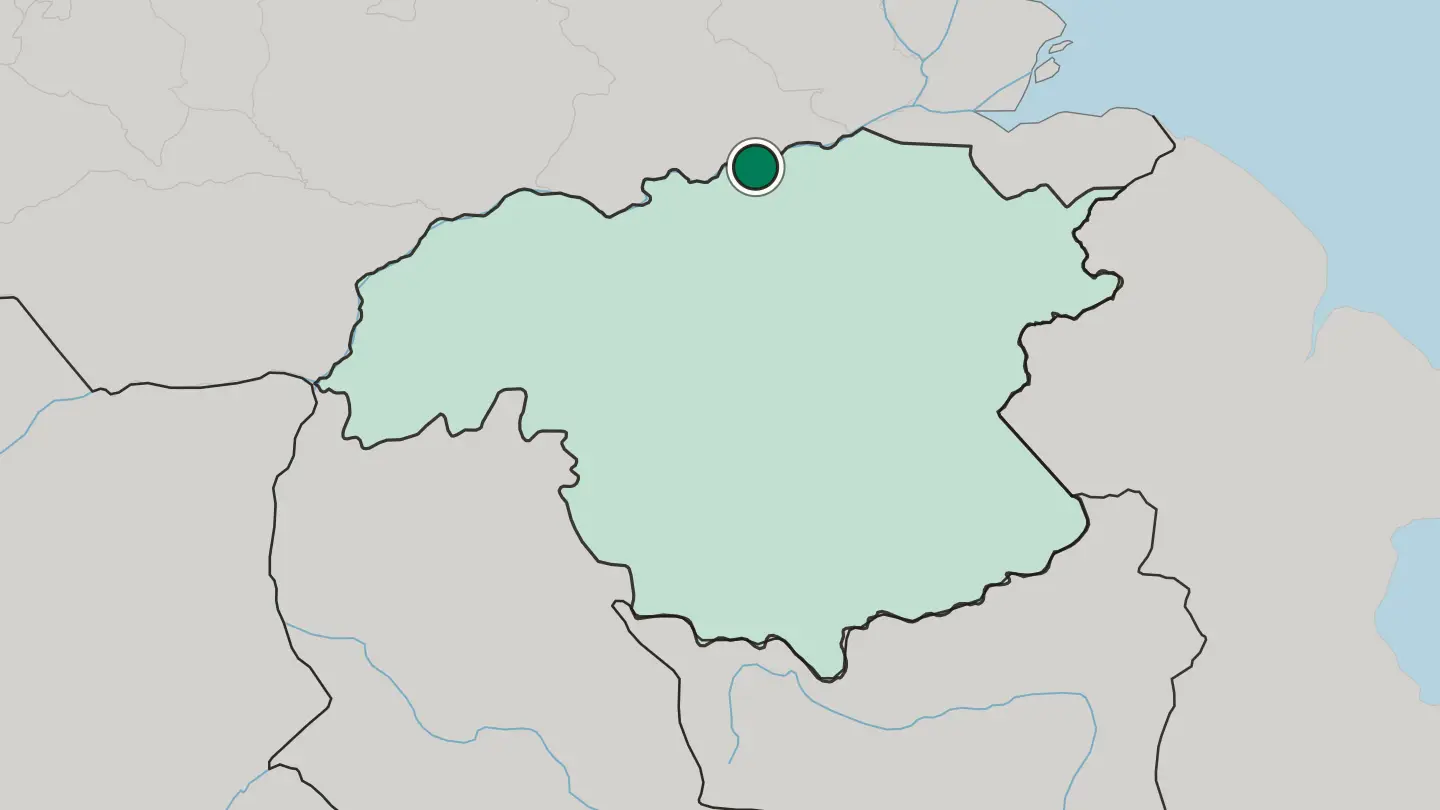
Hotel links are affiliate links: booking through them may earn us a commission, at no extra cost to you. It never affects how places are ranked. How this works
About Estado Bolívar
What is Estado Bolívar known for?
Bolívar covers more ground than any other of Venezuela's 23 states, and within that expanse the record singles out one feature above all others: Angel Falls. Two cities carry the state. Ciudad Bolívar is the capital, while Ciudad Guayana is the larger of the two, and between them they carry the administration and the urban weight of a state that is otherwise very thinly built.
The state dates from 1864.
Where is Estado Bolívar?
No Venezuelan state covers more ground. Bolívar is the largest of the country's 23 states by area, and that scale is the first thing to understand about travelling in it, because distances between the few named points on the map run far beyond what a day allows. Angel Falls lies within those borders.
The waterfall is the single natural feature the record names for the state, and it sits far from both Ciudad Bolívar and Ciudad Guayana, deep in country that the two cities do not reach. Everything else on the map is space. Ciudad Bolívar and Ciudad Guayana anchor the settled part of the state, the capital and the largest city respectively, and the two of them account for most of what a traveller will find in the way of streets, terminals, and services.
The rest is interior. Bolívar's territory takes in a greater share of Venezuela than any of the other 23 states, and what fills it beyond the two cities is largely unbuilt ground rather than a chain of smaller towns. Angel Falls belongs to that interior, reached as a destination in its own right rather than as a stop along a route between the state's cities.
Scale governs every plan made here.
What is Estado Bolívar like?
Spanish carries the state. Every transaction in Ciudad Bolívar and Ciudad Guayana runs in it, and the same holds on the long approaches into the interior where Angel Falls draws its visitors. Two urban centres, not one, give the state its shape in daily life: the capital holds the offices and the formal weight, while the larger city carries the bulk of ordinary business.
The capital and the largest city are not the same place here. Bolívar has carried its present form since 1864, and a state that old has had time to settle into the two-centre arrangement that still governs where things happen inside it. Angel Falls sits outside all of that.
The waterfall belongs to the interior rather than to either city, and a visit to it is organised as a journey out and back rather than as an evening at the end of a working day. Nothing else in the state is listed as a sight, which leaves Ciudad Bolívar, Ciudad Guayana, and Angel Falls as the three fixed points around which any account of Bolívar has to be built. Three points, and a great deal of space.
What is the history of Estado Bolívar?
The state has existed in its present form since 1864. Ciudad Bolívar has held the role of capital, with Ciudad Guayana growing into the larger of the state's two centres, and the record gathered for Bolívar carries little detail about the centuries that preceded that arrangement. Angel Falls predates all of it.
The waterfall was there long before any state line was drawn across the interior of Venezuela, and it remains the one feature of Bolívar that owes nothing to any administrative decision.
What is the climate of Estado Bolívar?
The record sets down no climate detail for Bolívar. What it does carry is Angel Falls, and a waterfall of that standing depends on water arriving in quantity, which says more about the interior's wet season than any table of averages gathered for the two cities would. Bolívar spans a great deal of ground.
Conditions in Ciudad Guayana need not match those deep inside the state near the falls, and that gap between the two cities and the interior is the practical thing to plan around.
How do you get to Estado Bolívar?
Ciudad Guayana and Ciudad Bolívar are the two doors into the state, and arrivals from elsewhere in Venezuela reach one or the other before anything else in Bolívar becomes reachable. No named terminal appears on the record. Getting to Angel Falls is a separate undertaking from getting to the state, since the waterfall sits deep in an interior that the roads serving Ciudad Bolívar and Ciudad Guayana do not extend to.
Distance is the constraint throughout Bolívar.
Common questions
What is the best area to stay in Estado Bolívar?
Ciudad Bolívar: state business handled from the Bolívar capital rather than from its largest city. Ciudad Guayana: the widest choice of rooms in Bolívar, in the state's largest city. The Angel Falls approach: trips built entirely around Angel Falls rather than around either Bolívar city.
More regions in Venezuela
Updated September 2026