Venezuela · Estado Mérida
Where to Stay in Mérida, Estado Mérida
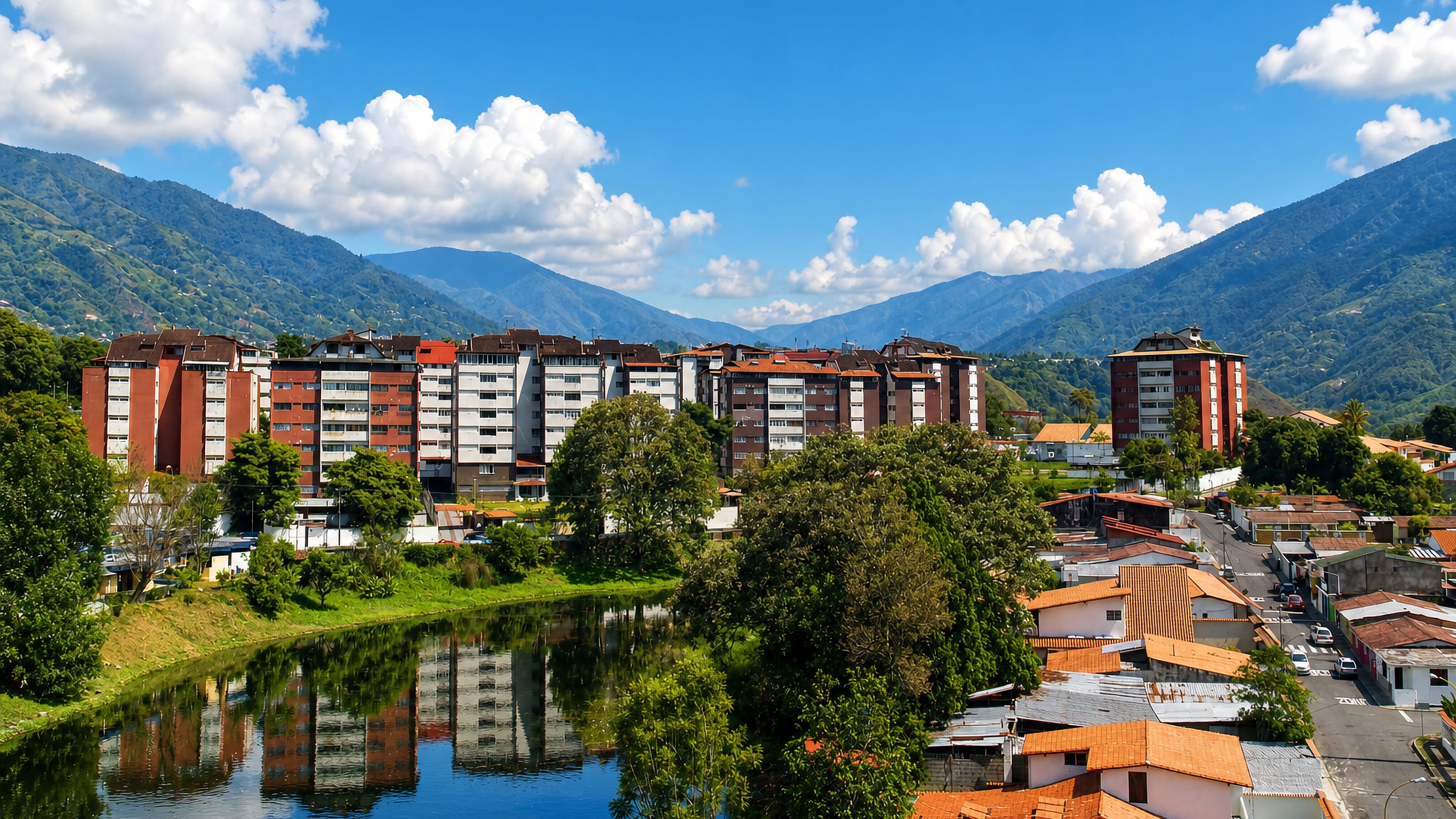
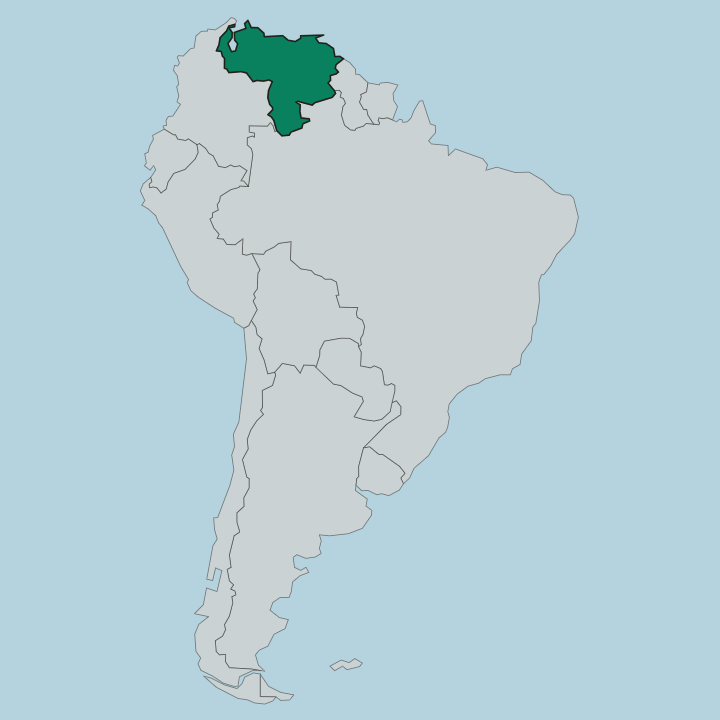
Mérida is a university city high in the Venezuelan Andes, capital of Mérida State, beneath the country's highest peaks.
Hotel links are affiliate links: booking through them may earn us a commission, at no extra cost to you. It never affects how places are ranked. How this works


Where to stay in Mérida
Where visitors usually base themselves, and why.
How close you sleep to Mérida's cathedral plaza shapes the whole stay. The streets around the plaza and the cathedral keep the cable car, the university, and the markets within a walk, and staying downtown suits anyone here for the mountain city. The plaza fills with students by day.
Rooms sit near the square and the cable-car station. Out toward the edges and the valley, the city spreads into quieter, greener streets. A room away from the centre trades the plaza for calm, gardens, and a view up to the peaks.
The mountains rise sheer past the town. If you want the cable car and the plaza, stay downtown; if you want the quiet and the view, take a room on the edge. Either way, the peaks are never out of sight.
Find hotels in Mérida
Direct booking searches for these neighbourhoods.
The centre
Around the plaza and the cathedral, within a walk of the cable-car stationFind hotels in The centreQuieter, greener stays with a viewThe edges
Toward the valley on the town's edge, with calm streets and a view up to the peaksFind hotels in The edgesHotel links are affiliate links: booking through them may earn us a commission, at no extra cost to you. It never affects how places are ranked. How this works
Things to do in Mérida
Ranked by global recognition; descriptions from Wikidata (CC0).
Museums & Galleries
2- Science and Technology Museum of Merida
- Mérida Bolivarian Library
Churches & Religious Sites
2- Cathedral Basilica of the Immaculate Conception Heritage
- Our Lady of the Mirror Church
Castles & Historic Sites
8- Biblioteca Virtual Heritage
- Capilla José Gregorio Hernández Heritage
- Capilla del Camellón de los Jiménez Heritage
- Capilla del Divino Niño Heritage
- Casa antigua del sector San Rafael Heritage
Show 3 more →
- Casa de caña brava Heritage
- Casa de madera Heritage
- Casas rodantes para tapar cacao Heritage
Stadiums & Sports
1- Plaza Monumental Román Eduardo Sandia
worth knowingacross 4 categories in Mérida
About Mérida
What is Mérida known for?
Mérida is Venezuela's great Andean city. The city sits on a high plateau between the snow peaks of the Sierra Nevada, and it holds a famous old university and the highest cable car in the world, which climbs from the town toward Pico Bolívar. A cathedral rises over the central plaza.
Mountains and students fill the city.
What are the main landmarks in Mérida?
Mérida's marvel is the great cable car. The highest and longest in the world, it climbs from the city toward Pico Bolívar and the peaks of the Sierra Nevada, the great draw of the town. A cathedral crowns the plaza.
The Cathedral Basilica of the Immaculate Conception rises over the central square, while the Mérida Bolivarian Library and the Science and Technology Museum stand among the old streets.
What is the history of Mérida?
Mérida was founded high in the mountains. The Spanish built the city in 1558 on a shelf in the Andes, on the hard road between the coast and the interior, and it grew slowly in its cool and lofty valley. Learning came to the heights.
In time the city founded the great University of the Andes, and Mérida became a town of students, its life turning around the classroom and the plaza. The mountains made its modern fame. In the twentieth century engineers strung a cable car up from the town to the high peaks, the longest and highest in the world, carrying travellers toward Pico Bolívar and the snows of the Sierra Nevada.
The peaks drew adventurers. Climbers and hikers made Mérida their base for the high Andes and the wild páramo moorlands above. The cathedral and the old plaza keep the colonial heart.
Mérida still stands as the mountain capital of Venezuela.
Where is Mérida?
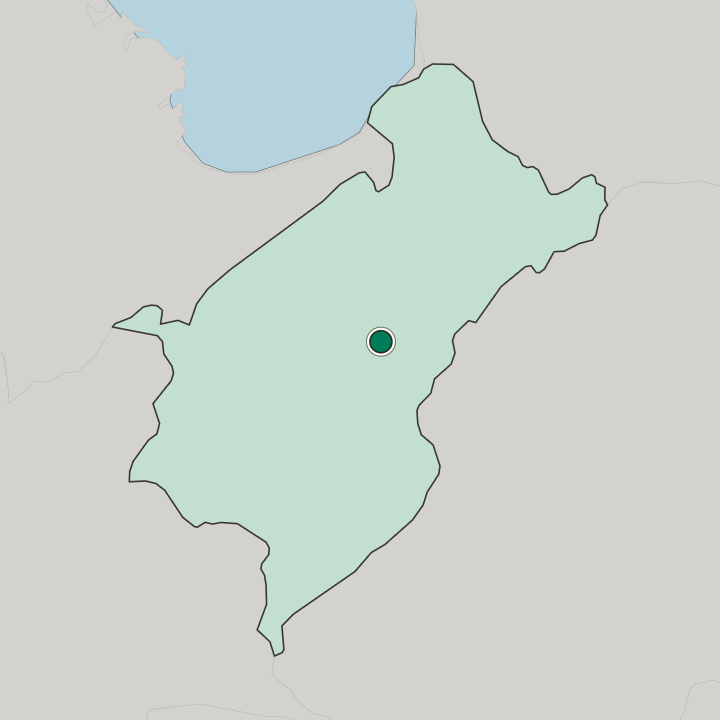
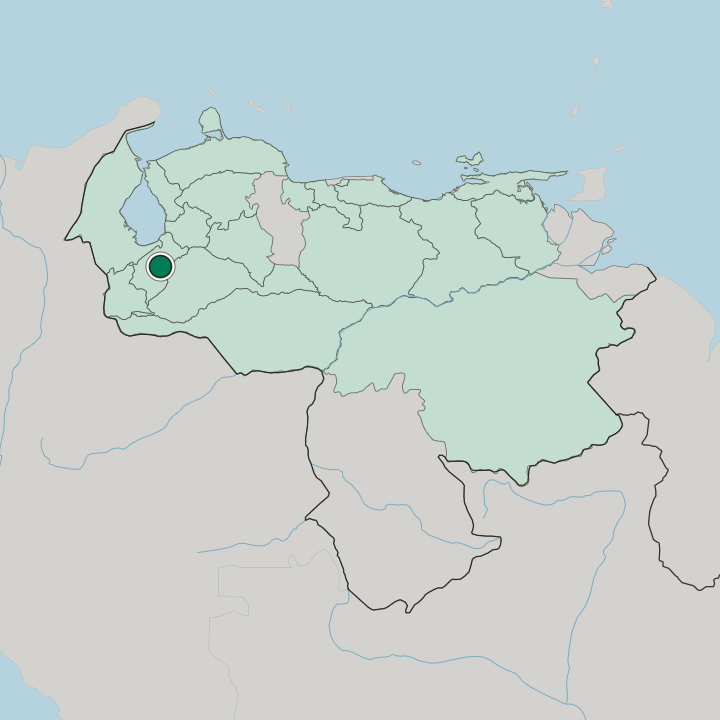
Mérida sits on a high shelf in the Andes. The city fills a long terrace above a river valley, hemmed in by the steep peaks of the Sierra Nevada, over sixteen hundred metres up in the Venezuelan mountains. Snow-capped summits rise close on both sides.
The high valley stays cool and green.
What is the climate of Mérida?
Mérida enjoys a cool mountain climate. The great height keeps the city mild and spring-like all year, far cooler than the tropical lowlands, and afternoon rains fall in the wet season. Mist drifts up the valley in the afternoons.
The peaks above hold snow year-round.
How do you get to Mérida?
Mérida lies high in the western Andes of Venezuela. Roads wind up to the city over the mountain passes from the lowlands, and a small airport clings to the valley floor. Buses climb to the villages of the high páramo.
Most arrive by the long mountain roads.
Common questions
What is the best area to stay in Mérida?
The centre: Visitors here for the cable car, plaza, and university. The edges: Quieter, greener stays with a view.
Good for
Updated September 2026