Vietnam · Da Nang City
Where to Stay in Da Nang, Da Nang City
Da Nang is a port city on the South China Sea coast of central Vietnam, midway between Hanoi and Ho Chi Minh City.
Hotel links are affiliate links: booking through them may earn us a commission, at no extra cost to you. It never affects how places are ranked. How this works


Where to stay in Da Nang
How the choice of base plays out on the ground.
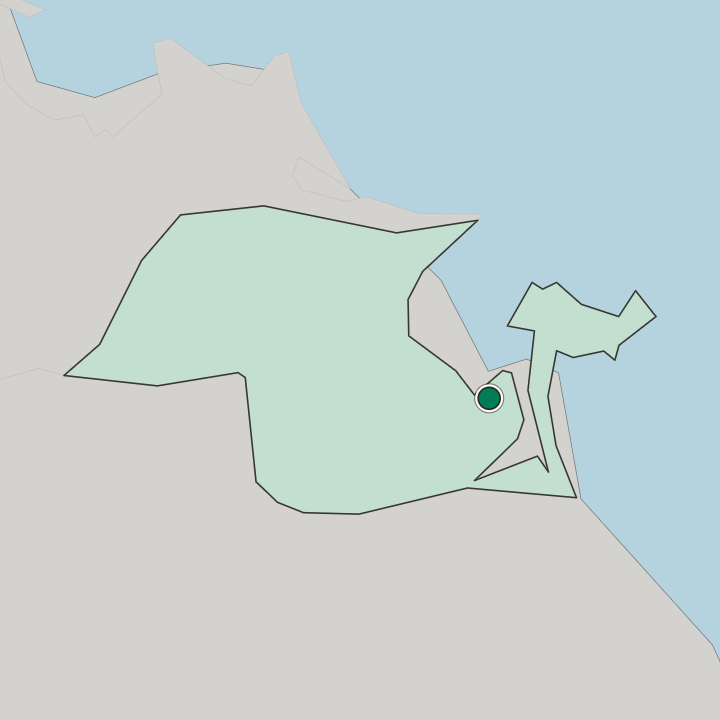
The choice in Da Nang runs between Dien Hai Citadel and the South China Sea shore. Rooms near Dien Hai Citadel and the Museum of Cham Sculpture put a visitor inside the old administrative core, within walking reach of Da Nang Cathedral and of the port that makes this a transport hub, which is the base that suits anyone here for the Cham collections rather than for the sea. That side is compact.
The Zone 5 Military Museum stands a short ride out from it. Rail and road both feed the city. The coast is the other option.
The South China Sea shore runs the length of the city, and a room facing it trades the museums and the citadel for water at the doorstep, which is what most leisure visitors come for. You give up the walk to Da Nang Cathedral. Tien Son Sport Center and Nguyễn Tri Phương Stadium sit in the built-up ground between the two, so a fixture in either one settles the question more firmly than any preference does.
Drivers gain the most range. National Route 1 runs through Da Nang, and a car turns Mỹ Sơn and Hội An Church into an afternoon rather than a separate trip.
Find hotels in Da Nang
Direct booking searches for these neighbourhoods.
Around Dien Hai Citadel
The old administrative core of Da Nang, where the Cham collections, Da Nang Cathedral and the working port fall inside one walk.Find hotels in Around Dien Hai CitadelLeisure stays that want the water before the Cham collectionsThe South China Sea shore
The seaward edge of Da Nang, far enough from Dien Hai Citadel that the Museum of Cham Sculpture becomes a ride rather than a walk.Find hotels in The South China Sea shoreTrips whose dates are fixed by a fixture at Tien Son Sport Center or Nguyễn Tri Phương StadiumBy Tien Son Sport Center
The built-up ground between the citadel quarter and the sea, where Tien Son Sport Center and Nguyễn Tri Phương Stadium fill rooms in bursts.Find hotels in By Tien Son Sport CenterHotel links are affiliate links: booking through them may earn us a commission, at no extra cost to you. It never affects how places are ranked. How this works
Things to do in Da Nang
Ranked by global recognition; descriptions from Wikidata (CC0).
Museums & Galleries
2- Museum of Cham Sculpture
- Zone 5 Military Museum
Churches & Religious Sites
2- Da Nang Cathedral
- Hội An Church
Castles & Historic Sites
2- Mỹ Sơn UNESCO
- Dien Hai Citadel
Stadiums & Sports
2- Nguyễn Tri Phương Stadium
- Tien Son Sport Center
worth knowingacross 4 categories in Da Nang
About Da Nang
Da Nang is a transport hub.
What is Da Nang known for?
Its port, National Route 1 and the North-South Railway converge on the same stretch of the South China Sea coast, which is what makes the city the practical break point for anyone crossing between Hanoi and Ho Chi Minh City. Cham sculpture is the second claim. The Museum of Cham Sculpture keeps the Tra Kieu altar with Apsaras and the Dong Duong pedestal, and Mỹ Sơn sits inland.
APEC 2017 met here.
What are the main landmarks in Da Nang?
Mỹ Sơn carries the biggest name. The Museum of Cham Sculpture is the indoor counterpart. Cham stonework fills the rest of the list: the Dong Duong pedestal, the Tra Kieu altar with Apsaras, the Standing Ganesha statue, the Chanh Lo relief of Uma, the Phong Le relief of Shiva dancing, the Thap Mam Dragon statue and the Gajasimha at the Museum of Cham Sculpture.
Dien Hai Citadel is the military ground, with the Zone 5 Military Museum a later addition. Da Nang Cathedral and Hội An Church are the two churches. Two sport venues finish it: Tien Son Sport Center and Nguyễn Tri Phương Stadium.
What is the history of Da Nang?
No founding year is recorded. What the record holds instead is Cham, and the stonework gathered under the Museum of Cham Sculpture belongs to a civilisation that worked this coast long before any municipality was drawn around it. Mỹ Sơn belongs to the same world.
So do the Dong Duong pedestal, the Tra Kieu altar with Apsaras, the Chanh Lo relief of Uma and the Thap Mam Dragon statue, each named for the site it was lifted from rather than for the city that keeps it. Dien Hai Citadel marks the next layer. A citadel implies a coast worth defending, and the walls survive from the period when the harbour of Da Nang was a military problem before it was a freight terminal.
War left a second museum. The Zone 5 Military Museum keeps that record, standing in the same city as the Cham collections without either half explaining the other. Administration arrived from above.
Da Nang is one of seven direct-controlled municipalities, answering to the central government rather than to a province, and that status put the port, National Route 1 and the North-South Railway under one authority. APEC 2017 tested it. The city hosted the meeting, and the choice of Da Nang over the two far larger ends of the country measured what the transport hub had become.
Where is Da Nang?
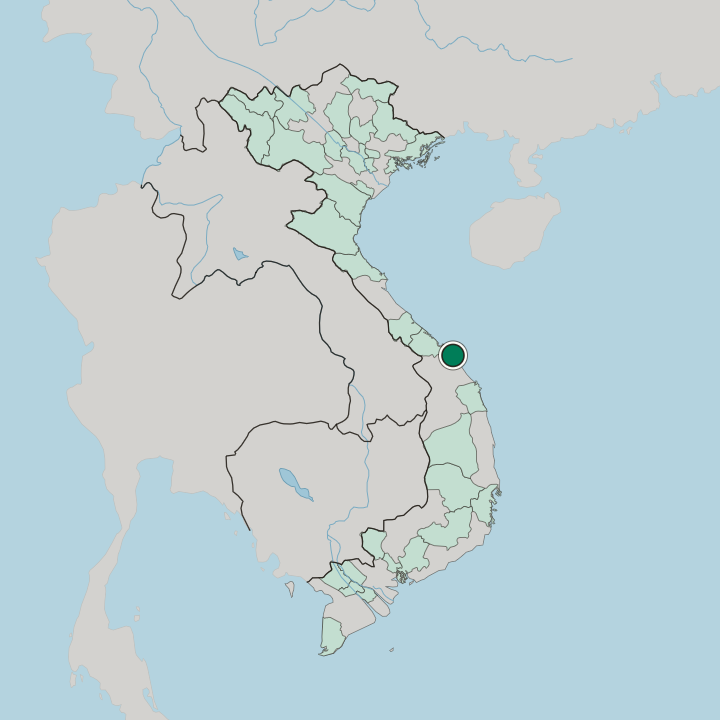
Da Nang faces open sea. The city sits on the South China Sea coast of central Vietnam, roughly midway along the run between Hanoi and Ho Chi Minh City, which is the single fact that explains most of what the place does. Its footprint is unusually wide.
Among Vietnam's municipalities only one covers more ground, so the administrative city reaches well past the built-up coast and takes in the inland country around Mỹ Sơn.
What is the climate of Da Nang?
The South China Sea sets the terms. Da Nang stands directly on that coast in central Vietnam, so the water moderates the heat that the tropics deliver and supplies the moisture that arrives with the wet half of the year. The wet season decides.
Sea-facing cities on this coast take their weather from the water rather than from any inland range, and the difference between a dry stretch and a wet one matters more here than the difference between one month and the next.
How do you get to Da Nang?
Three routes converge. National Route 1 and the North-South Railway both run through Da Nang, which is why a journey between Hanoi and Ho Chi Minh City can be broken here without leaving the main line in either direction. The port takes the sea traffic.
Inside the city, the Museum of Cham Sculpture, Dien Hai Citadel and Da Nang Cathedral fall close enough together to walk, while Mỹ Sơn and Hội An Church need a vehicle and most of a day.
Common questions
What is the best area to stay in Da Nang?
Around Dien Hai Citadel: Visits pinned to the Museum of Cham Sculpture and the Dien Hai Citadel walls. The South China Sea shore: Leisure stays that want the water before the Cham collections. By Tien Son Sport Center: Trips whose dates are fixed by a fixture at Tien Son Sport Center or Nguyễn Tri Phương Stadium.
Good for
Updated October 2026