Vietnam
Da Nang City, Vietnam — Towns & Travel Guide
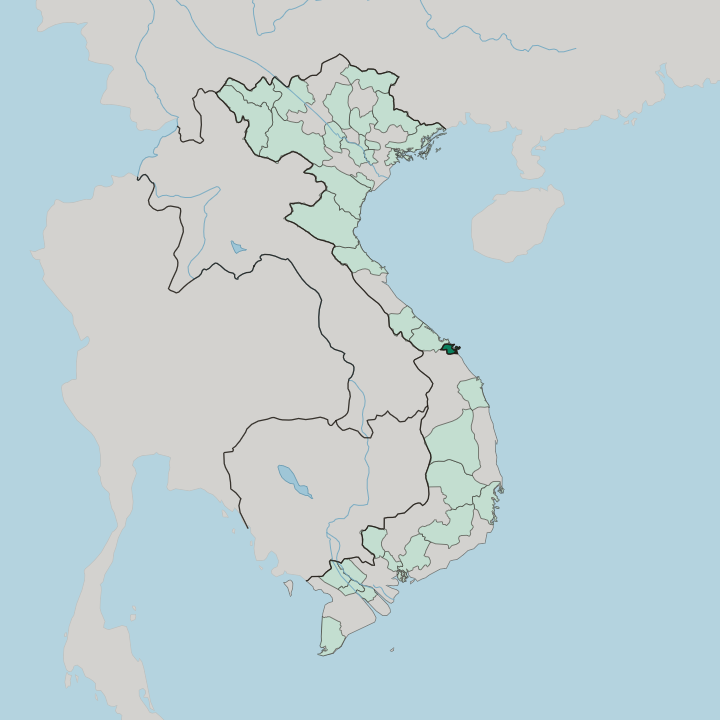
Da Nang is Vietnam's central-coast port city, spread along the Hàn River where it opens into the South China Sea below the Marble Mountains.
Hotel links are affiliate links: booking through them may earn us a commission, at no extra cost to you. It never affects how places are ranked. How this works


Towns & cities in Da Nang City
One town here has its own guide — it links to where to stay.
 Vietnam
Da Nang
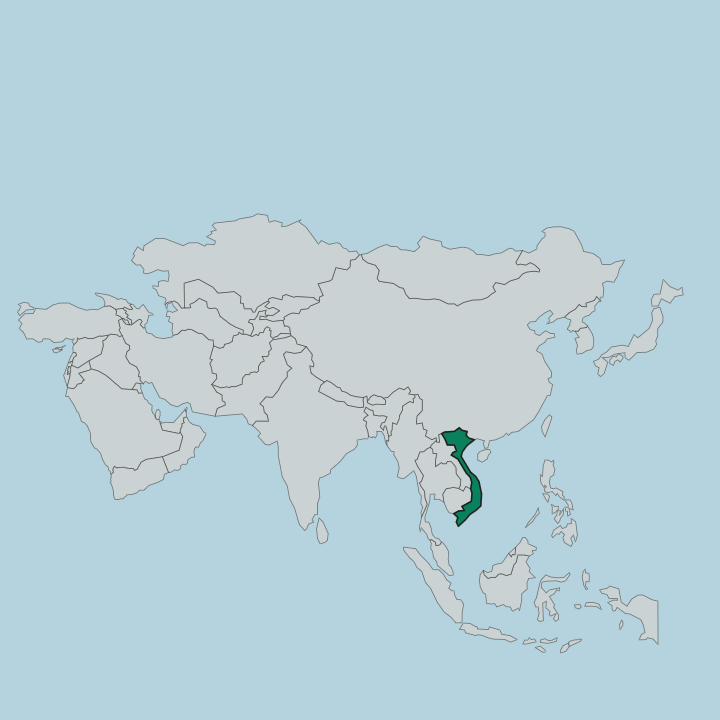
Da Nang is a port city on the South China Sea coast of central Vietnam, midway between Hanoi and Ho Chi Minh City.Where to stay →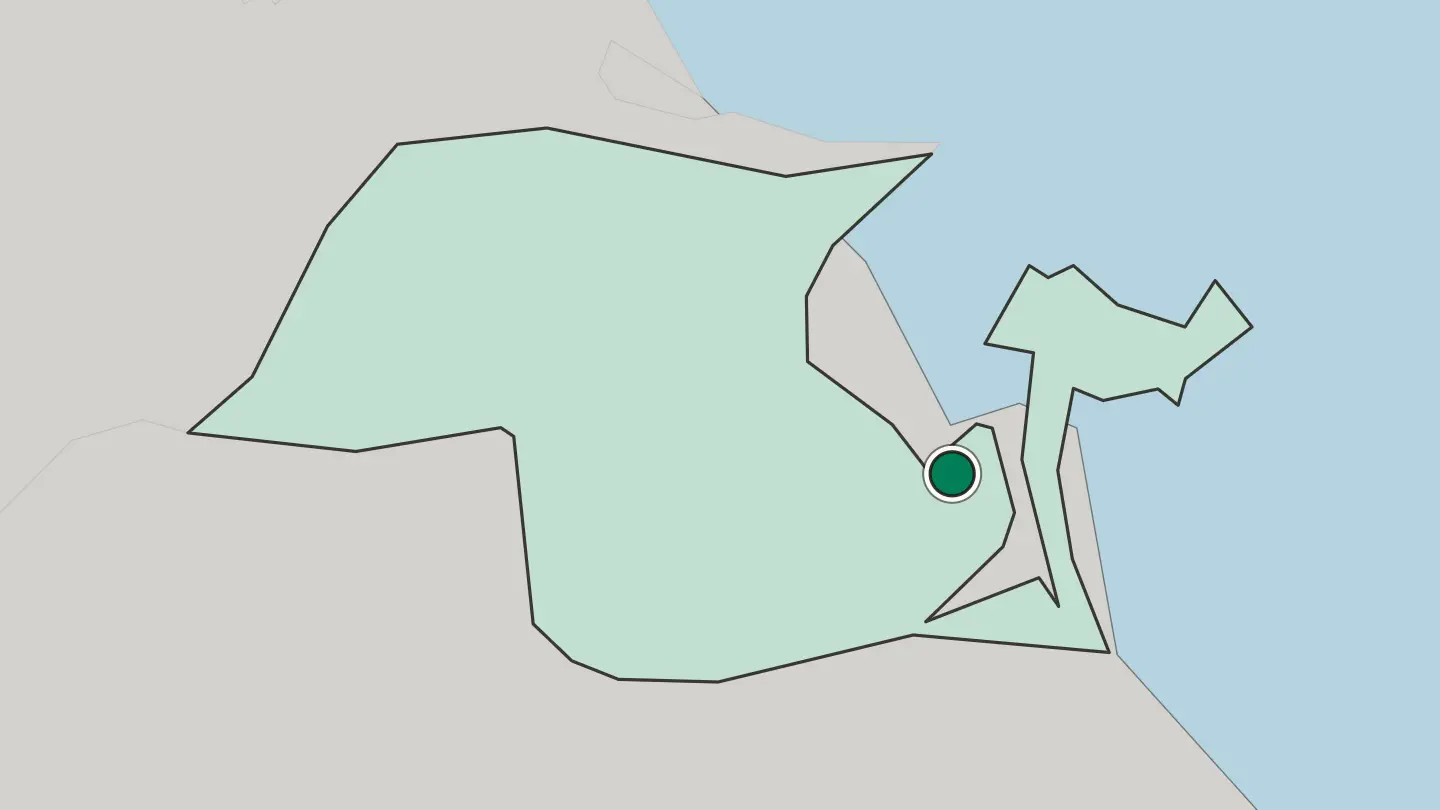
Hotel links are affiliate links: booking through them may earn us a commission, at no extra cost to you. It never affects how places are ranked. How this works
About Da Nang City
Beaches and bridges define the city.
What is Da Nang City known for?
Mỹ Khê stretches for miles of open sand along the South China Sea, the strand that American troops once called China Beach. Downtown, the Dragon Bridge arches over the Hàn River as a steel serpent that breathes fire and water on weekend nights. West of the centre, the Bà Nà Hills resort carries visitors by cable car up to the Golden Bridge, a walkway held aloft on two giant stone hands.
Sơn Trà rises green to the north.
Where is Da Nang City?
Da Nang sits on the central coast of Vietnam, roughly midway between Hanoi in the north and Ho Chi Minh City in the south. The Hàn River orders the city. It runs down through the centre and empties into Da Nang Bay, a wide curve of the South China Sea that the Sơn Trà peninsula shelters from the north.
Old maps drew Sơn Trà as an island, before river silt tied it to the mainland. South of the centre stand the Marble Mountains, five limestone-and-marble outcrops rising straight from the coastal plain. Behind the city the land climbs west into the Annamite Range, the long cordillera that walls off Vietnam from Laos.
To the north, the road out of the city climbs the Hải Vân Pass, a high spur of that range dropping to the sea, which for centuries marked the divide between two climates and two kingdoms. Two old towns bracket it. Beyond the pass to the north lies Huế, the former imperial capital on the Perfume River, while Hội An, the lantern-lit merchant port, sits a short drive down the coast to the south.
What is Da Nang City like?
Long before the Vietnamese pushed south, this coast belonged to Champa, the Hindu-Buddhist kingdom whose brick towers still stand across central Vietnam. The Museum of Cham Sculpture, built by the French beside the Hàn River, holds the largest collection of Cham stone carving anywhere, all sandstone dancers, altars and elephant-headed gods. Stone still shapes the city.
At the foot of the Marble Mountains, the Non Nước village has carved Buddhas and lions from the local marble for generations. Their sandstone temples once ran the length of this coast from Huế to the far south. The modern city wears a beach-resort face, with seafood grills and glass towers strung along the Mỹ Khê shore.
Cooks here are known across Vietnam for mì Quảng, a turmeric-yellow noodle dish of pork, shrimp and crushed peanuts that belongs to this stretch of coast. Faith looks out to sea. On the Sơn Trà headland, the white Lady Buddha of Linh Ứng Pagoda stands watch over the fishing boats, the tallest statue on this coast.
Every summer the banks of the Hàn River fill for an international fireworks contest fought out over the water. In the markets and on the boats, the language is Vietnamese.
What is the history of Da Nang City?
The Hàn River made the port. Vietnamese settlers knew it as Cửa Hàn, the river mouth, once the Champa towers had fallen and the coast passed into Vietnamese hands. In 1858 French and Spanish warships opened fire on the harbour, the first shots of the conquest that became French Indochina.
The French renamed the town Tourane. A century later the Marines waded ashore at Red Beach in 1965, the first American combat troops in Vietnam, and the Da Nang air base grew into one of the busiest runways of the war.
What is the climate of Da Nang City?
Da Nang runs to two seasons. From roughly January to August the weather stays hot and dry, the long stretch when the beaches fill and the sky holds clear over the South China Sea. The rains arrive with the autumn, and October and November bring the heaviest downpours and the risk of typhoons off the coast.
The Hải Vân Pass helps explain the split, walling off the colder, wetter air that sits over Huế to the north. Da Nang stays the warmer side.
How do you get to Da Nang City?
The airport sits near the beach. Da Nang International Airport lies right inside the city, the third busiest in Vietnam and the main way in for the whole central coast. The main rail line and the coastal highway both thread through the city, linking it up to Hanoi and down to Ho Chi Minh City.
Northward the road climbs the Hải Vân Pass, or slips through the tunnel beneath it, on the way to Huế. Hội An lies under an hour down the coast.
Common questions
What is the best area to stay in Da Nang City?
Mỹ Khê Beach: a beachfront first stay in Da Nang. Hải Châu: riverside city nights and Cham history. Sơn Trà: a quiet headland retreat above Da Nang. Bà Nà Hills: hill air and the Golden Bridge above Da Nang.
Good for
More regions in Vietnam
Updated September 2026