Vietnam · Dong Nai
Where to Stay in Biên Hòa, Dong Nai
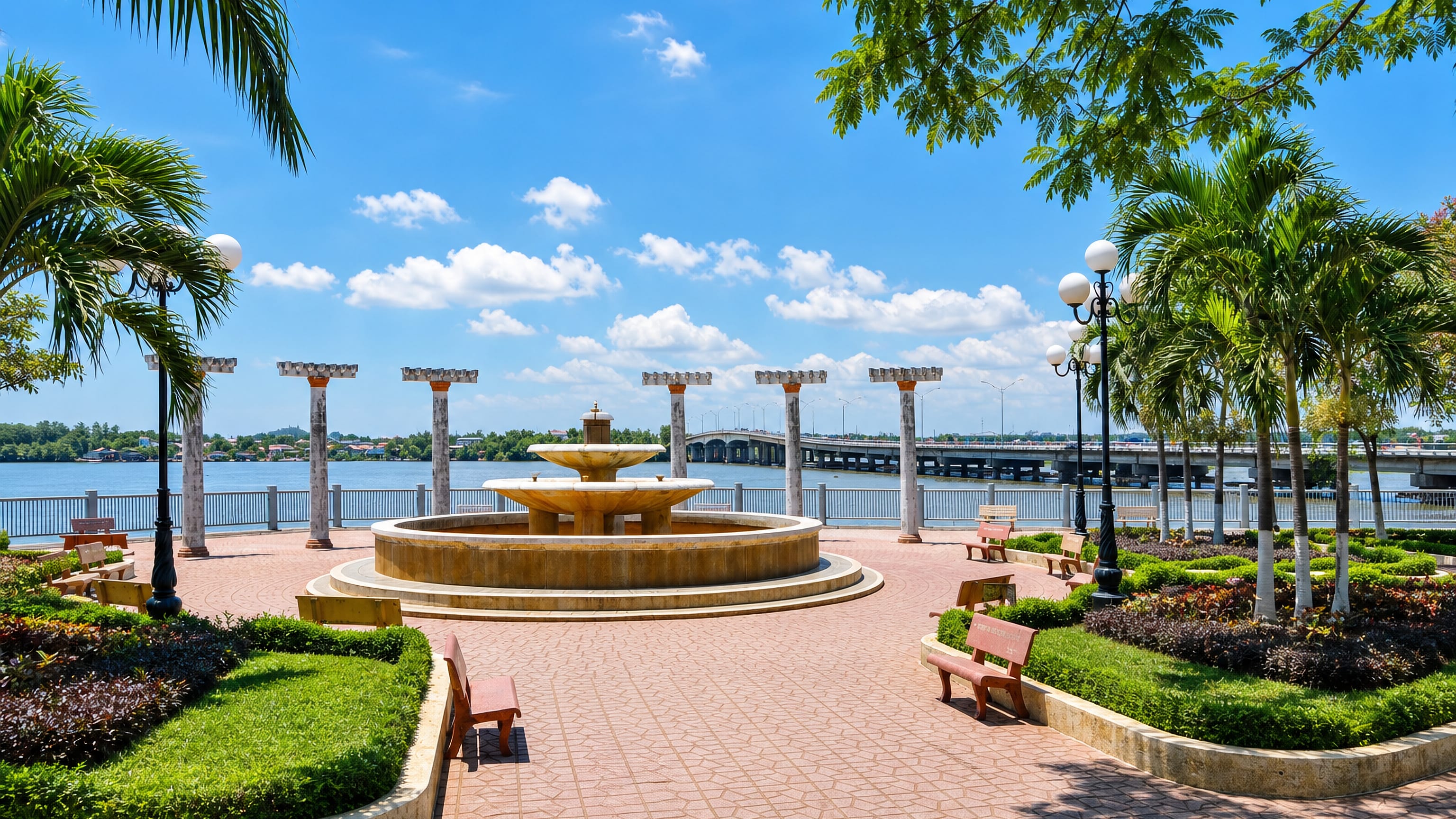
Biên Hòa is a city of southern Vietnam on the Dong Nai River, capital of Dong Nai and a big industrial town, an old pottery city east of Ho Chi Minh City.
Hotel links are affiliate links: booking through them may earn us a commission, at no extra cost to you. It never affects how places are ranked. How this works


Where to stay in Biên Hòa
The practical side of choosing where to sleep.
Biên Hòa splits between the downtown streets and the Dong Nai riverside. The centre keeps the temple, the market, and the riverside within a walk, and staying downtown suits anyone here for the town. The Dong Nai runs close by.
Boats work the brown water. Out toward the river and the orchards, the town gives way to the pottery kilns, the island of Cù Lao Phố, and the green country of the delta. A room out of the centre trades the streets for the wide river, the fruit orchards, and the quiet villages along the water.
The delta runs on for miles. Stay downtown for the town, or out for the river. The old temple and the wide river hold the industrial city.
Find hotels in Biên Hòa
Direct booking searches for these neighbourhoods.
The centre
The downtown grid beside the temple and the marketFind hotels in The centreStays wanting the kilns and Cù Lao PhốThe river
Past the edge of town, along the Dong NaiFind hotels in The riverHotel links are affiliate links: booking through them may earn us a commission, at no extra cost to you. It never affects how places are ranked. How this works
About Biên Hòa
Biên Hòa is an industrial city of the south.
What is Biên Hòa known for?
On the Dong Nai River east of Ho Chi Minh City, in the south of Vietnam, it grew from an old river port into a great factory city, and it keeps the works and industrial parks of the country, the famous pottery of its kilns, the old island town of Cù Lao Phố, and the temple of literature by the river. The wide river runs south. Kilns fire the clay.
What are the main landmarks in Biên Hòa?
The temple of literature is the pride of Biên Hòa. The Trấn Biên temple of literature, the first Confucian temple of the south, set in gardens by the river, is the emblem of the city, out of downtown. An old island lies in the river.
The island town of Cù Lao Phố and the Dong Nai museum keep the old trading past nearby, while the pottery kilns, the Dong Nai River, and the industrial parks mark the country around Biên Hòa.
What is the history of Biên Hòa?
An old port stood on the river. Long ago Chinese traders settled on the island of Cù Lao Phố in the Dong Nai, and it grew as one of the first great trading ports of the south, older than Saigon. The kilns made the name.
The potters of Biên Hòa turned out fine glazed ware, and the city grew famous for its pottery across the land. A temple honoured learning. By the river the people raised the Trấn Biên temple of literature, the first of its kind in the south, to honour the scholars of the land.
Industry filled the plain. In our own age factories and works spread across the plain, and Biên Hòa grew into a great industrial city of Dong Nai, keeping its river, its kilns, and its temple. The wide river still runs by.
Biên Hòa keeps its river city in the south.
Where is Biên Hòa?
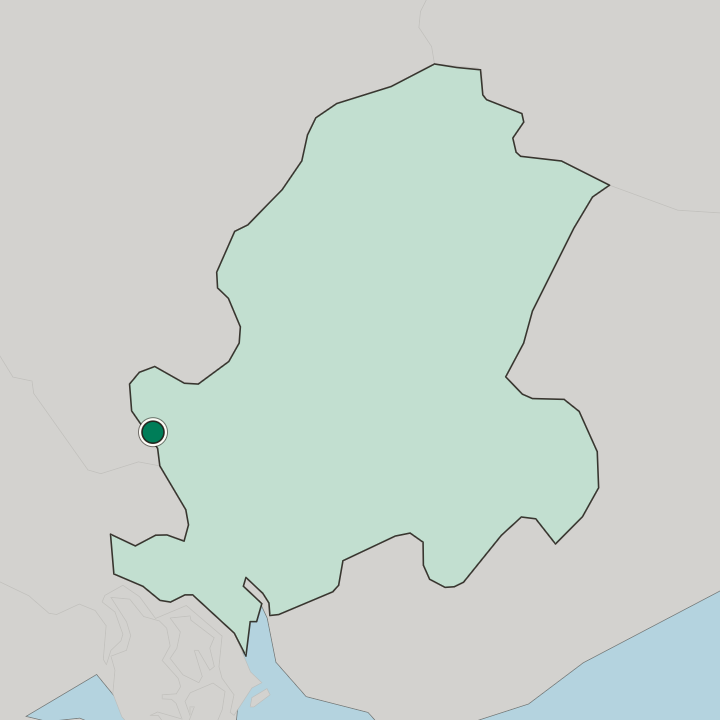
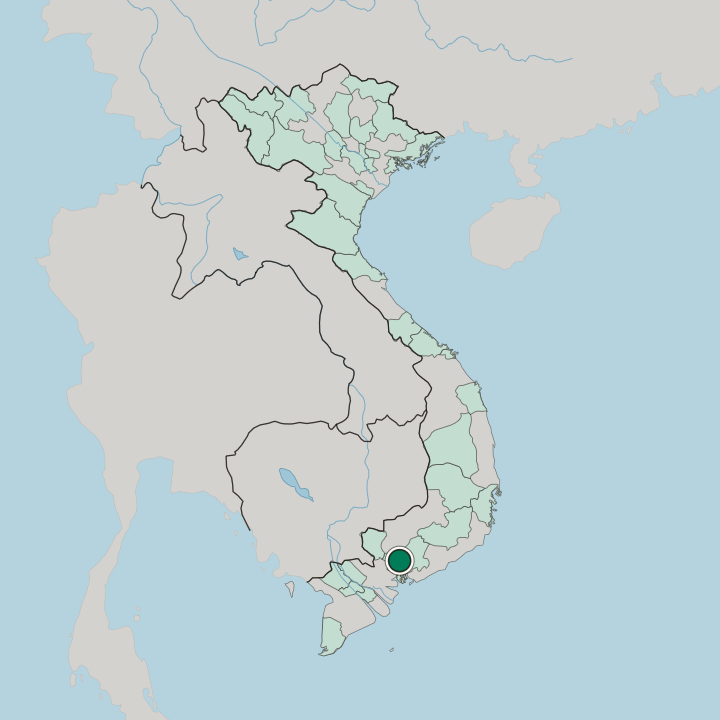
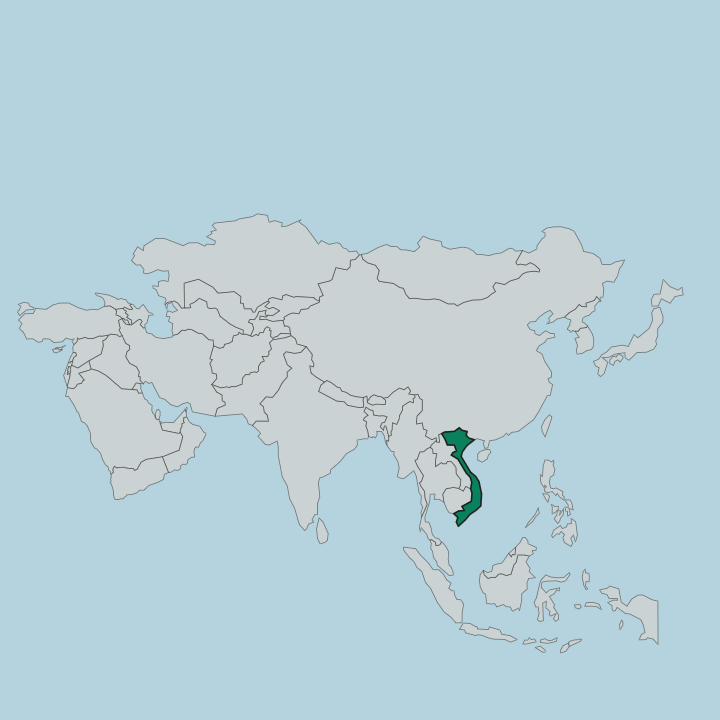
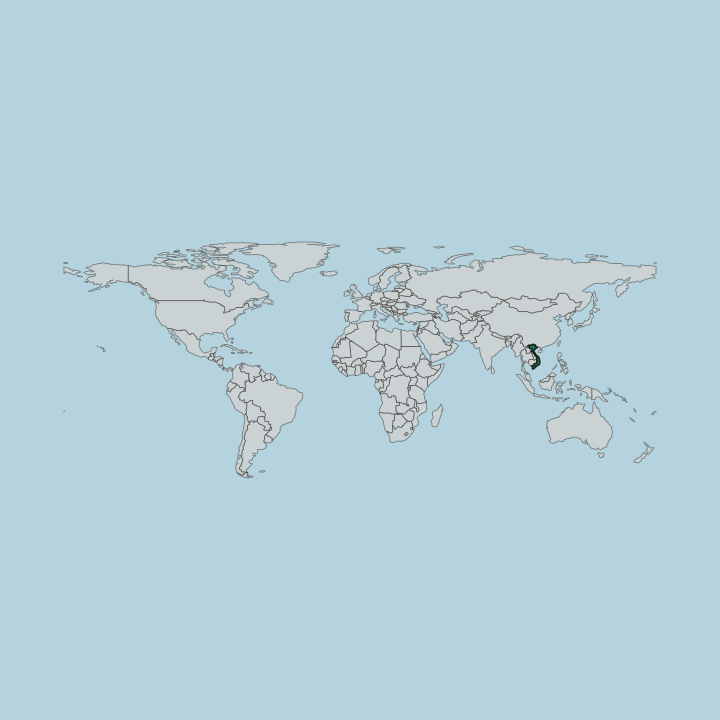
Biên Hòa lies in the south of Vietnam, on the Dong Nai River. The city sits on the banks of the Dong Nai where it comes down from the highlands to the delta, just above Ho Chi Minh City, on the low warm plain of the south, in a land of orchards and industry, with the river winding through the town and the flat delta stretching away to the sea. The river bends through the town.
Orchards ring the plain.
What is the climate of Biên Hòa?
Biên Hòa has a hot, tropical monsoon climate. Warm weather holds all year on the plain, with a heavy wet season in summer and a warm dry season through the winter. The rains swell the river.
Dry winds cross the plain.
How do you get to Biên Hòa?
Biên Hòa lies in southern Vietnam, on the highway east of Ho Chi Minh City. The freeway and the rail run to it from Ho Chi Minh City and the coast, and roads climb north to the highlands. Rail traffic rolls in over the flat southern country.
Ho Chi Minh City lies west.
Common questions
What is the best area to stay in Biên Hòa?
The centre: Visitors here for the temple and market. The river: Stays wanting the kilns and Cù Lao Phố.
Good for
Updated September 2026