Vietnam · Ho Chi Minh City (HCMC)
Where to Stay in Vũng Tàu, Ho Chi Minh City (HCMC)
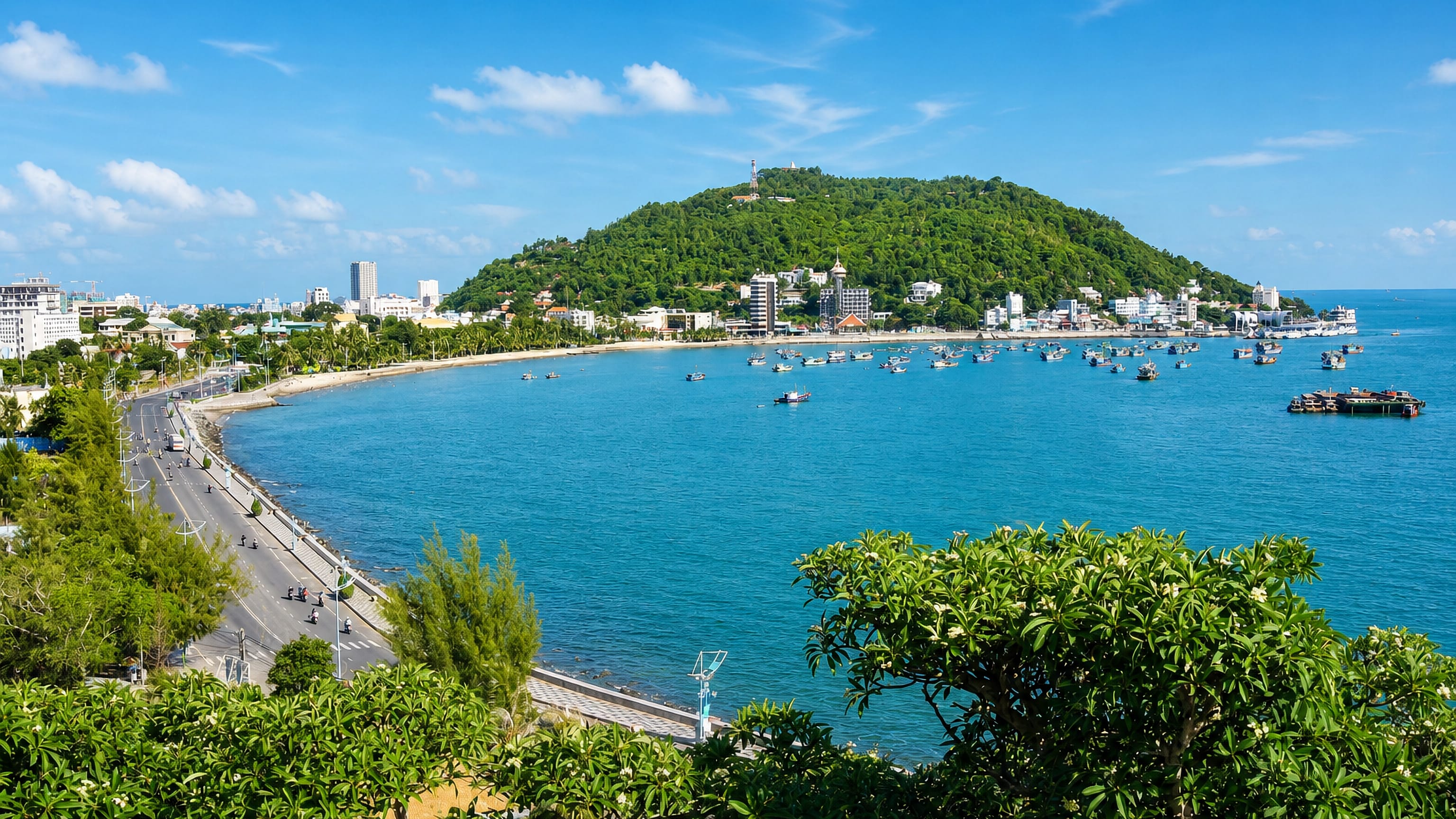
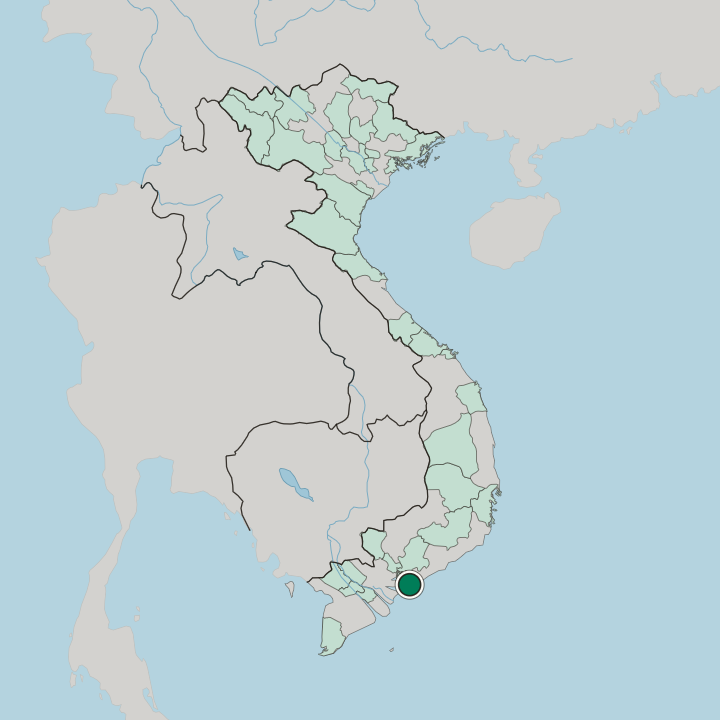
Vũng Tàu is a coastal city of Vietnam on its own island, some 125 km from Ho Chi Minh City and a weekend shore for Saigon.
Hotel links are affiliate links: booking through them may earn us a commission, at no extra cost to you. It never affects how places are ranked. How this works


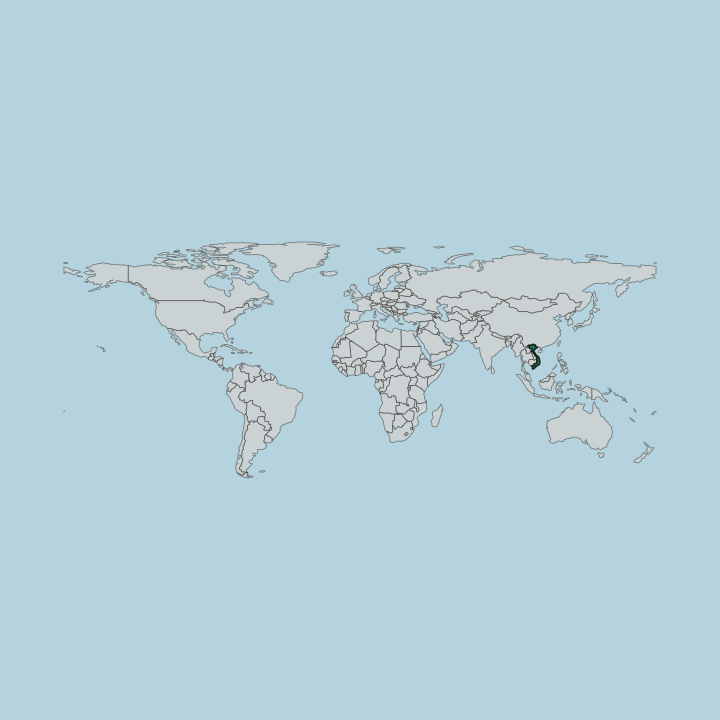
Where to stay in Vũng Tàu
The practical side of choosing where to sleep.
The island is the city. Vũng Tàu's 16 urban wards sit on Vũng Tàu island, so almost every room on offer is within reach of water on one side or another, and the choice is less about which district than about which stretch of shore a window looks onto. Weekends are the pressure point.
Saigon empties towards here on a Friday, which is the single most useful thing to know before picking dates. Long Sơn is the other option, and a different one. The commune lies off the main island with Gò Găng Island beside it, and a bed out there trades the weekend crowds of the wards for quiet water and a longer road back into the built-up part of the city.
Fewer beds, more space. Anyone happy to drive will find the exchange worth making, particularly on the weekends when the shore wards are at their fullest and the ordinary rhythm of the place disappears under visitors. Ho Chi Minh City is the fallback for a day visit.
Some 125 km separate the two, which is close enough that a stay in the city and a run down to the coast is a genuine alternative to booking here at all, and it suits you if Vũng Tàu is a single day in a longer trip. The cathedral is walkable from the centre. Rooms near the Cathedral of Saints James and Philip put a visitor among the wards rather than out on the edge of the island.
Find hotels in Vũng Tàu
Direct booking searches for these neighbourhoods.
The shore wards
Among the 16 urban wards that fill Vũng Tàu islandFind hotels in The shore wardsGuests trading the weekend crowd for quiet waterLong Sơn
The island commune out beside Gò Găng IslandFind hotels in Long SơnVisitors who want the Cathedral of Saints James and Philip on the doorstepBy the cathedral
Central among the Vũng Tàu wards rather than out at the island's edgeFind hotels in By the cathedralTrips treating Vũng Tàu as one day out of a Saigon stayHo Chi Minh City
Some 125 km away, where the road down to the Vũng Tàu coast startsFind hotels in Ho Chi Minh CityHotel links are affiliate links: booking through them may earn us a commission, at no extra cost to you. It never affects how places are ranked. How this works
About Vũng Tàu
Two things at once.
What is Vũng Tàu known for?
Vũng Tàu is a weekend shore for Saigon, close enough at some 125 km to fill on a Friday evening, and it is also named as a major crude oil extraction centre of Vietnam, which is an unusual pairing for a shore town. Industry and leisure share one coast. The Cathedral of Saints James and Philip stands among the wards of Vũng Tàu island.
What are the main landmarks in Vũng Tàu?
Vũng Tàu's built heritage comes down to a single entry. The Cathedral of Saints James and Philip is the one built landmark recorded for Vũng Tàu, standing among the urban wards rather than out on the quiet edges of the island, and it carries the city's church heritage on its own. Everything else is coast and water.
Long Sơn and Gò Găng Island give the city its outlying ground, both of them islands in their own right.
What is the history of Vũng Tàu?
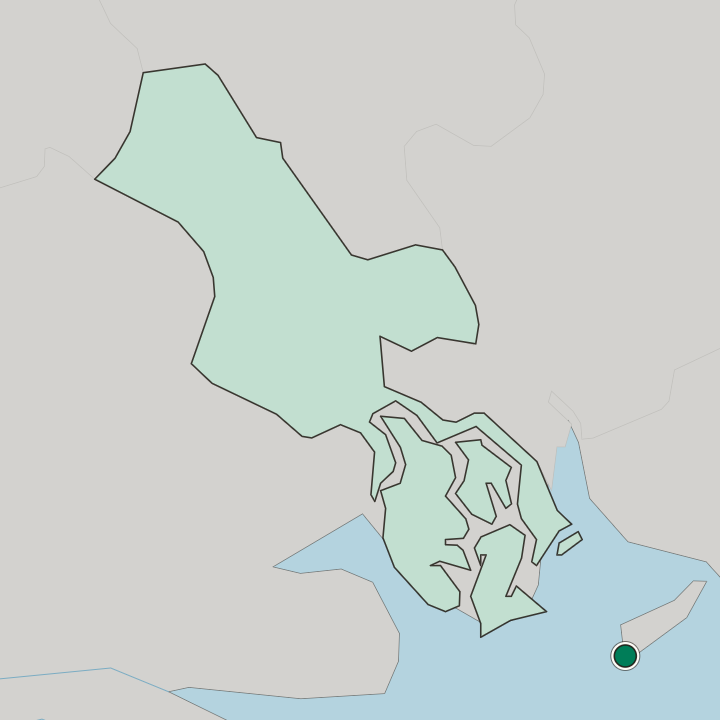
Vũng Tàu arrives in the sources without a founding date. What the record gives instead is a shape: a city of about 141 square kilometres made up of 16 urban wards on Vũng Tàu island, with the commune of Long Sơn out beyond them and Gò Găng Island counted in as well. Land and water, interleaved.
The island geography came first, and every later boundary had to work around it. Oil rewrote the city's standing. Vũng Tàu is recorded as a major crude oil extraction centre of Vietnam, and that industry pulled a coastal town into the national economy in a way its shore alone never would have, giving it work and a permanent reason to exist beyond the weekend trade.
The Cathedral of Saints James and Philip belongs to a different layer. Its presence among the wards marks an earlier settlement, one that stood there before the oil and before the weekend road from Saigon. The city's own status has since changed.
Vũng Tàu appears in the record as a former coastal city, its wards grouped under Ho Chi Minh City rather than standing alone, which is an administrative move rather than a physical one. Nothing on the ground shifted. The 16 wards, Long Sơn, and Gò Găng Island occupy exactly the ground they always did, some 125 km from the streets of Saigon.
Where is Vũng Tàu?
Vũng Tàu occupies about 141 square kilometres, most of it on Vũng Tàu island itself. Water surrounds nearly all of it. The 16 urban wards fill the island, while the commune of Long Sơn adds an island of the same name and Gò Găng Island further out, so the city's territory is a group of separate pieces rather than one continuous block.
Coast is never far.
What is the climate of Vũng Tàu?
Everything here answers to the water. Vũng Tàu sits on the coast with water on nearly every side, and that exposure is what gives the city the fresh air its weekend visitors from Saigon come for, moderating the heat that sits heavier inland. Breeze is the difference.
A day on the shore here reads differently from the same day 125 km away in Ho Chi Minh City.
How do you get to Vũng Tàu?
Most arrivals come down from Saigon. The distance is about 125 km, which makes the road from Ho Chi Minh City the standard approach and the reason the city fills and empties on a weekly cycle rather than a seasonal one. Traffic peaks on Friday.
Long Sơn and Gò Găng Island lie beyond the wards, so reaching them adds a further leg after the main island itself.
Common questions
What is the best area to stay in Vũng Tàu?
The shore wards: Weekenders down from Saigon for the Vũng Tàu shore. Long Sơn: Guests trading the weekend crowd for quiet water. By the cathedral: Visitors who want the Cathedral of Saints James and Philip on the doorstep. Ho Chi Minh City: Trips treating Vũng Tàu as one day out of a Saigon stay.
Good for
More cities in Ho Chi Minh City (HCMC)
Updated September 2026