Vietnam · Ho Chi Minh City (HCMC)
Where to Stay in Ho Chi Minh City, Ho Chi Minh City (HCMC)
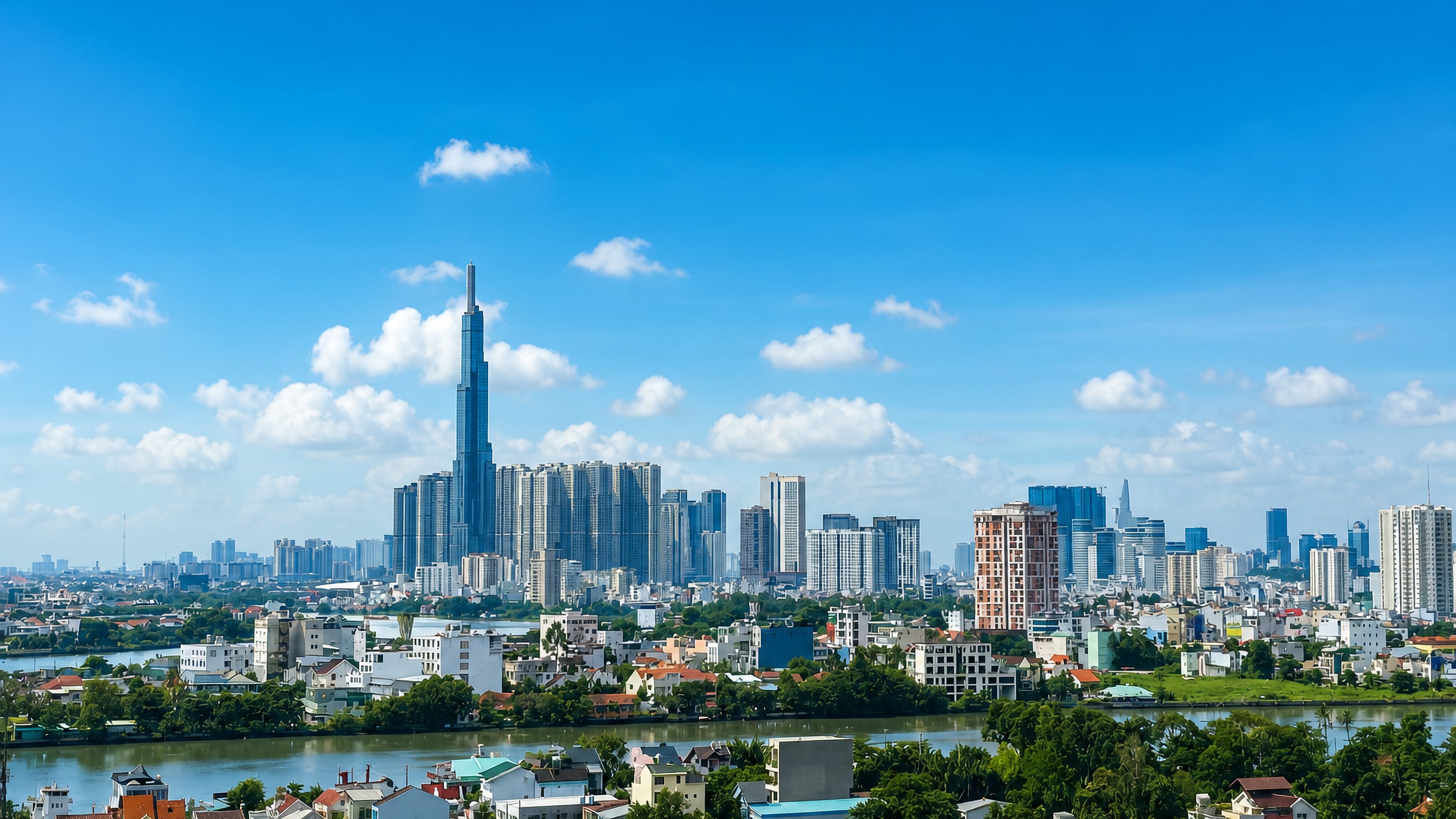
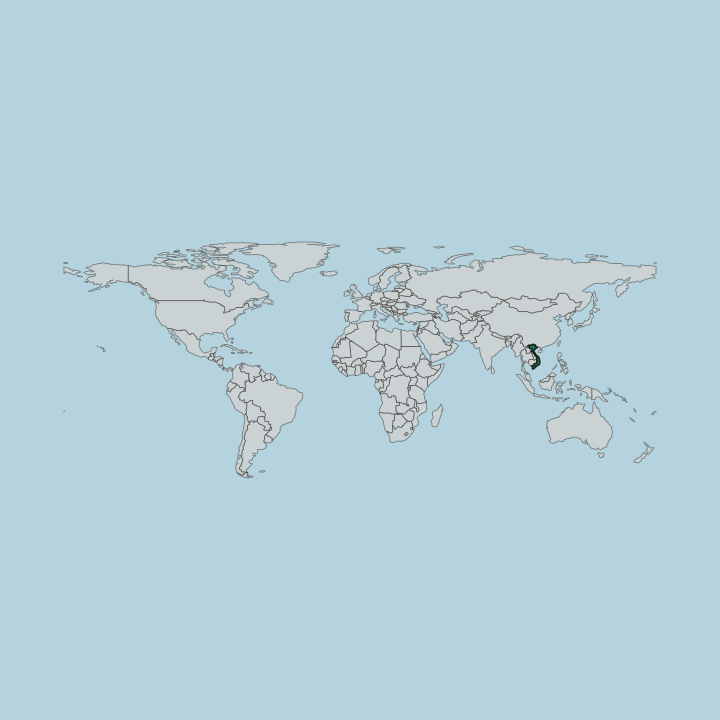
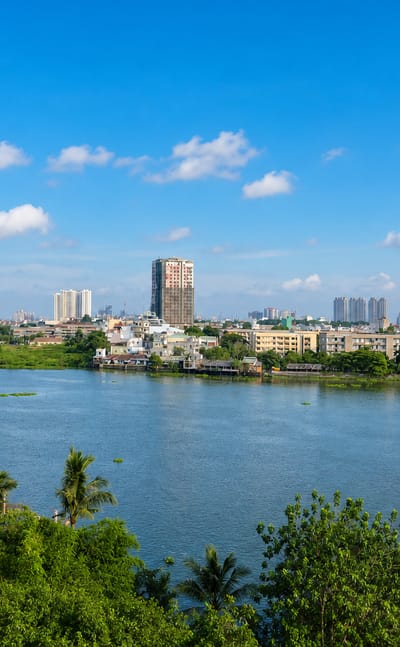
Ho Chi Minh City, still widely called Saigon, is the largest city in Vietnam, a financial hub of skyscrapers and old quarters on the Saigon River.
Hotel links are affiliate links: booking through them may earn us a commission, at no extra cost to you. It never affects how places are ranked. How this works


Where to stay in Ho Chi Minh City
Where you base yourself shapes the visit — here's the character of each area.
 Ho Chi Minh CityVietnam
Bình Thạnh
Bình Thạnh is an inner district of Ho Chi Minh City, wrapped by the Saigon River and the Thị Nghè channel.Bình Thạnh →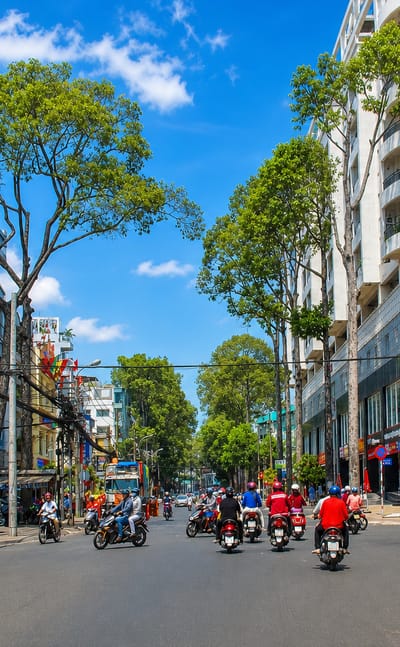 Ho Chi Minh CityVietnam
Cholon
Cholon is a district of Ho Chi Minh City in Vietnam, laid out around Dam Sen Cultural Park.Cholon →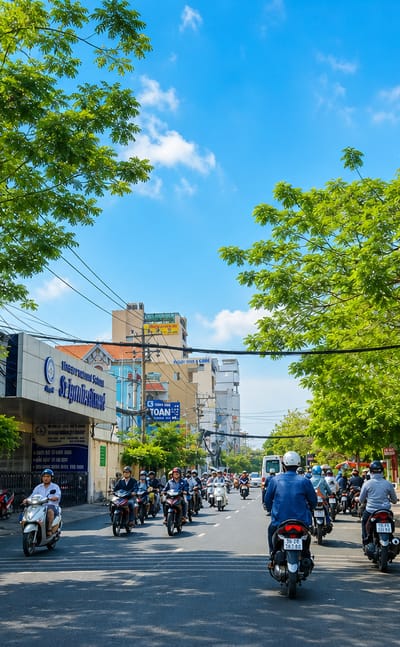 Ho Chi Minh CityVietnam
Tân Bình
Tân Bình is an inner district of Ho Chi Minh City, ringing the old airfield around Phu Tho Indoor Stadium.Tân Bình →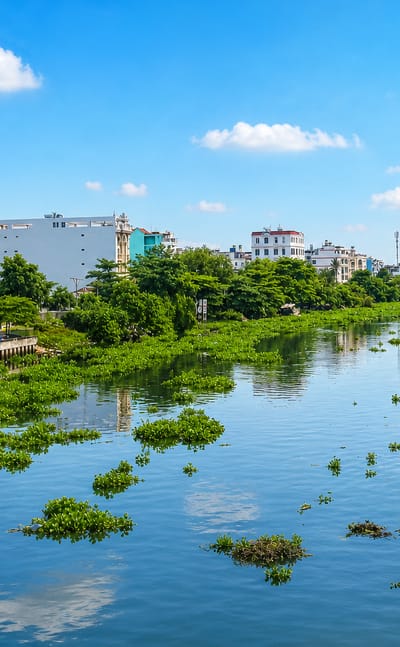 Ho Chi Minh CityVietnam
Gò Vấp
Gò Vấp is an inner district of Ho Chi Minh City, a dense residential quarter built around Saint Joseph Church.Gò Vấp → Ho Chi Minh CityVietnam
Bình Tân
Bình Tân is an outer western district of Ho Chi Minh City, built up around the Miền Tây Bus Station at An Lạc.Bình Tân →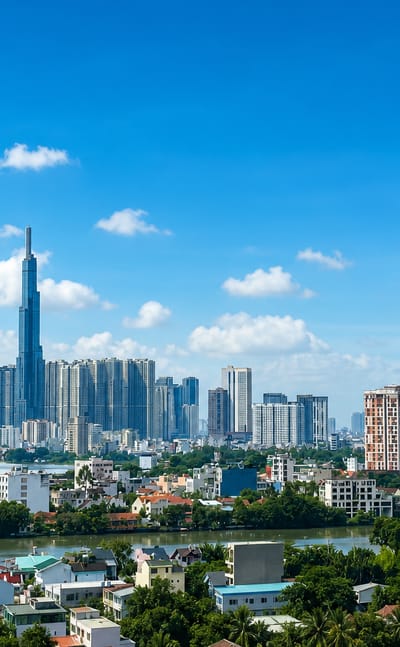 Ho Chi Minh CityVietnam
Hóc Môn
Hóc Môn is the taro-named northwest edge of Ho Chi Minh City, home ground of the Eighteen Betel Villages.Hóc Môn → Ho Chi Minh CityVietnam
Củ Chi
Củ Chi is a rural commune on the north-western edge of Ho Chi Minh City, known for the Củ Chi Tunnels.Củ Chi →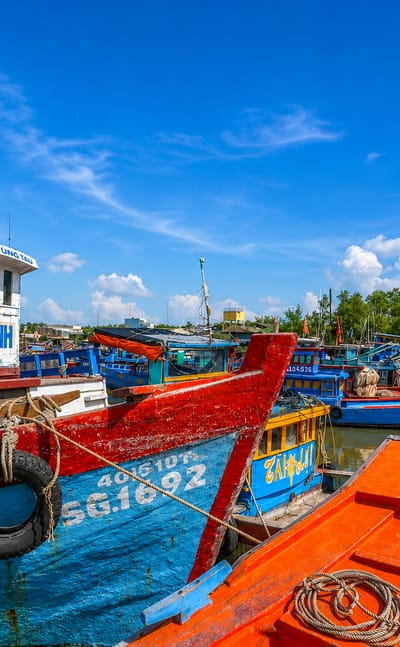 Ho Chi Minh CityVietnam
Cần Giờ
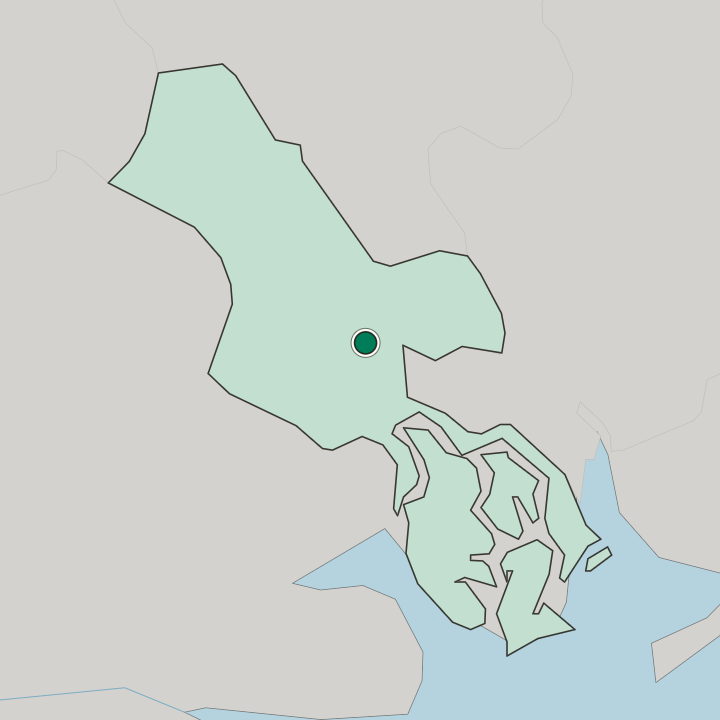
Cần Giờ is the outlying coastal district of Ho Chi Minh City, set apart from central Saigon across the Saigon River.Cần Giờ →Hotel links are affiliate links: booking through them may earn us a commission, at no extra cost to you. It never affects how places are ranked. How this works
Things to do in Ho Chi Minh City
Ranked by global recognition; descriptions from Wikidata (CC0).
Museums & Galleries
3- War Remnants Museum
- Dragon House
- Ho Chi Minh City Museum of History
Churches & Religious Sites
3- Saigon Notre-Dame Basilica
- Tan Dinh church
- Saint Francis Xavier Church
Castles & Historic Sites
2- Thich Quang Duc Monument
- F5E Fighter Aircraft Monument
Stadiums & Sports
3- Phu Tho Indoor Stadium
- Tân Bình Gymnasium
- Nguyen Du Cultural Sports Club
Parks & Gardens
2- Saigon Zoo and Botanical Gardens
- Dam Sen Cultural Park
worth knowingacross 5 categories in Ho Chi Minh City
About Ho Chi Minh City
What is Ho Chi Minh City known for?
Ho Chi Minh City, long known as Saigon, is the largest city in Vietnam and its financial powerhouse. Its skyline climbs at Landmark 81 Tower and the Bitexco Financial Tower, while French-era landmarks like the Saigon Notre-Dame Basilica and the Independence Palace hold the older city. Bến Thành Market anchors the centre.
The War Remnants Museum draws visitors to the harder chapters of the past, and the lanes of Phạm Ngũ Lão keep the nightlife going late. Few cities move at this pace.
What are the main landmarks in Ho Chi Minh City?
Ho Chi Minh City carries landmarks from every layer of its past. French colonial building shows in the Saigon Notre-Dame Basilica, the Sacred Heart Church, and Tan Dinh church, while the Independence Palace recalls the era of the Republic of Vietnam. The War Remnants Museum and the Thich Quang Duc Monument mark the war years.
Newer towers climb the skyline at the Bitexco Financial Tower and Landmark 81 Tower, and Bến Thành Market still trades at the centre. The Museum of Ho Chi Minh City fills in the rest, one layer at a time. Every era left its mark.
What is the history of Ho Chi Minh City?
The city grew up as Saigon, and that name still clings to it. Under French colonization it became a major colonial port, and the churches and boulevards of that period, the Saigon Notre-Dame Basilica among them, survive across the centre. Trade ran through the Port of Saigon, one of the busier ports of the region, and the city prospered as a commercial hub long before the towers arrived.
In the twentieth century Saigon served as the capital of the Republic of Vietnam, and the Vietnam War reached deep into its streets, a period now recorded at the War Remnants Museum and the Independence Palace. The war ended in the mid-1970s. In 1976, with the country reunified, the city was renamed Ho Chi Minh City, though many kept the old name in daily use.
It went on to become the largest city and the leading financial centre in Vietnam. Towers such as the Bitexco Financial Tower and Landmark 81 Tower later climbed over the old streets, a new skyline for a very old port. From colonial Saigon to modern Ho Chi Minh City, the metropolis has always been the country's commercial engine.
Where is Ho Chi Minh City?
Ho Chi Minh City sits on low, flat ground threaded by rivers and canals. The Saigon River curves through the middle of it, and a web of smaller waterways branches off into the districts, so water runs through the city as much as roads do. Ho Chi Minh City barely lifts above the water.
Built on soft, level ground, the metropolis has spread outward across the flats rather than up any hill, its towers standing out sharply against an otherwise low horizon. Rivers set the city's grain.
What is the climate of Ho Chi Minh City?
Ho Chi Minh City has a hot, humid tropical climate, warm right through the year. There is no cold season here. The calendar splits instead between a long wet season of heavy afternoon downpours and a drier stretch of clearer skies, with the heat holding steady across both.
The Saigon River and the low, flat ground can leave streets prone to flooding when the rains are heaviest. Hot, then wet, then hot again.
How do you get to Ho Chi Minh City?
Most international visitors arrive at Tân Sơn Nhất International Airport, the busiest air hub in Vietnam, which handles a large share of the country's overseas arrivals. It sits close to the centre. From there most head straight into District 1, where the sights and hotels cluster, reachable by taxi or ride-hailing in a short run.
Trains and long-distance buses tie Ho Chi Minh City to the rest of the country, and the Saigon River still carries freight through the old Port of Saigon. Fly in, then dive into District 1.
Good for
More cities in Ho Chi Minh City (HCMC)
Updated September 2026