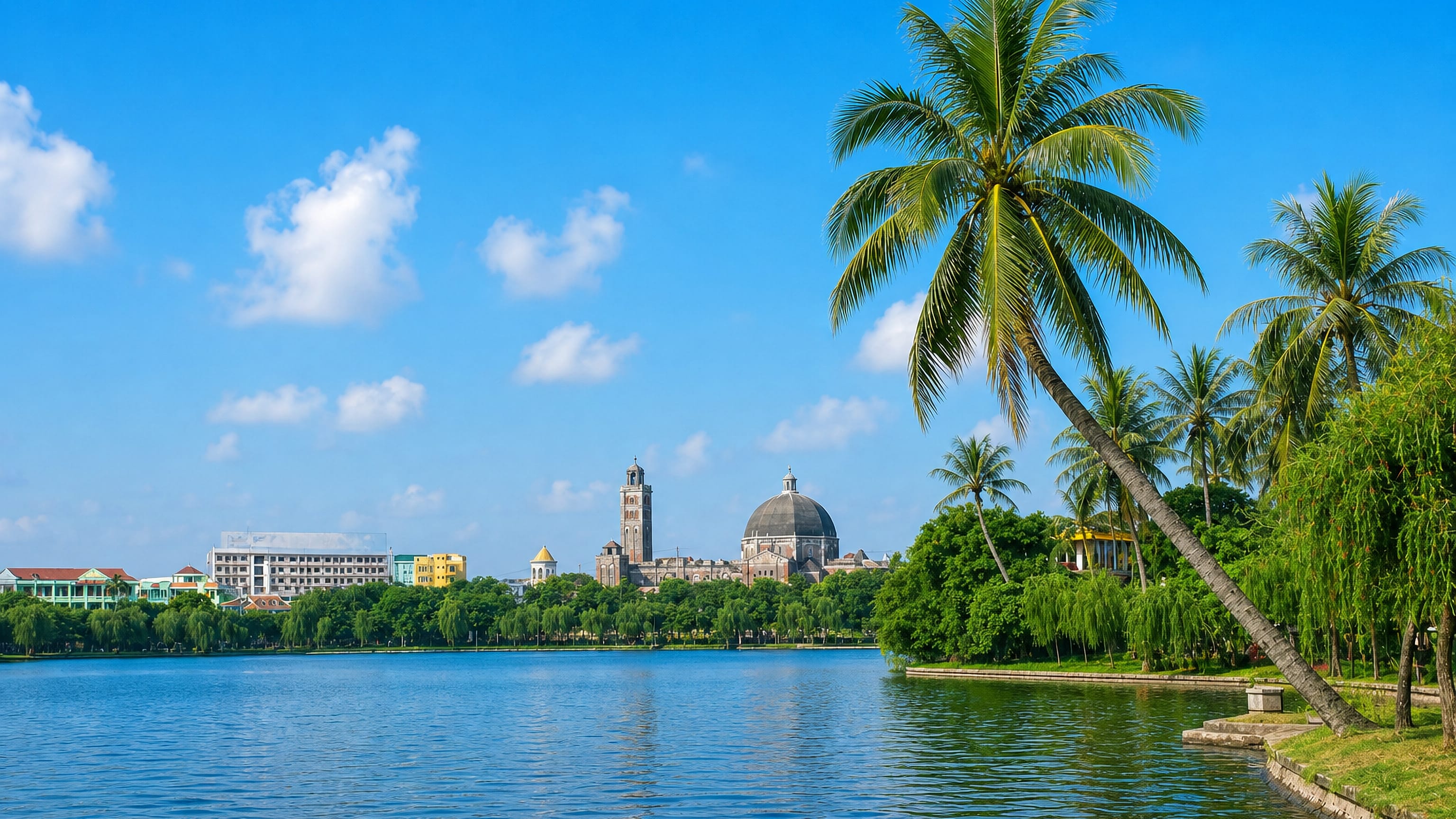
Vietnam · Ninh Binh
Where to Stay in Nam Định, Ninh Binh
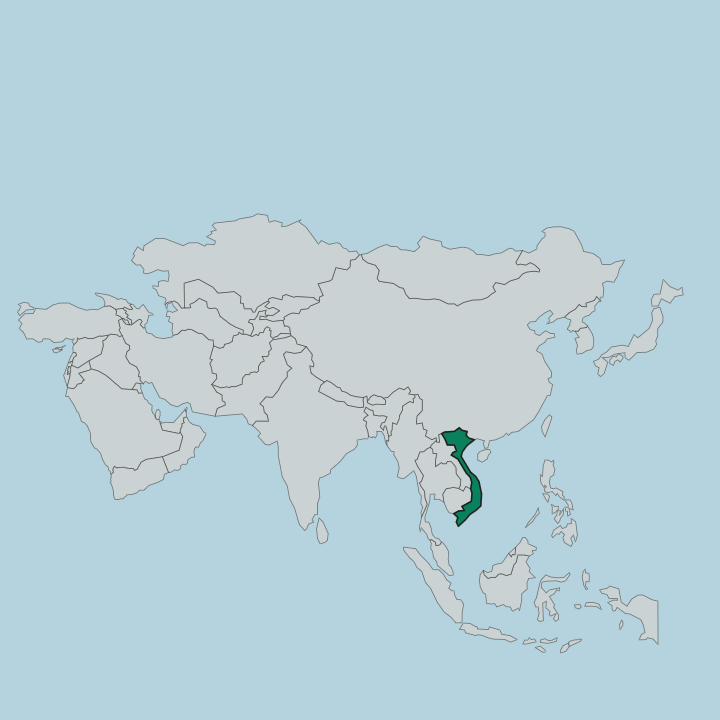
Nam Định is a city of the Red River delta in northern Vietnam, the cradle of the Trần kings and an old textile city of temples and churches.
Hotel links are affiliate links: booking through them may earn us a commission, at no extra cost to you. It never affects how places are ranked. How this works


Where to stay in Nam Định
The practical side of choosing where to sleep.
Where you stay in Nam Định turns on the city or the delta. The streets around the Trần temples keep the shrines, the old mill, and the markets within a walk, and staying downtown suits anyone here for the city. The delta spreads flat beyond.
Church bells ring over the roofs. Out toward Phủ Dày and the coast, the town gives way to the temple villages, the paddy country, and the churches of the plain. A room out of town trades the streets for the quiet paddies, the goddess shrines, and the delta churches.
The rice runs flat to the sea. Stay downtown for the temples, or out for the villages. The old textile city sits in the Red River delta.
Find hotels in Nam Định
Direct booking searches for these neighbourhoods.
The city centre
Around the templesFind hotels in The city centreStays wanting Phủ Dày and the churchesThe delta villages
Out in the paddy countryFind hotels in The delta villagesHotel links are affiliate links: booking through them may earn us a commission, at no extra cost to you. It never affects how places are ranked. How this works
About Nam Định
Nam Định is the old textile city of the Red River delta.
What is Nam Định known for?
On the delta plain south of Hanoi in northern Vietnam, it grew as the seat of the Trần kings and later a great mill town, and it keeps the temples of the Trần dynasty that beat the Mongols, the old textile factory that clothed the country, the Mother Goddess shrines of Phủ Dày, and the many churches of its Catholic country. The flat delta spreads all around. Rice fields ring the town.
What are the main landmarks in Nam Định?
The temples of the Trần are the pride of Nam Định. The shrines of the kings who beat the Mongols, thronged at the Khai Ấn festival each spring, are the emblem of the city, downtown. A great mill made the town.
The old textile factory, the first in Vietnam, stands by the river still, while the Phủ Dày shrines, the delta churches, and the Cổ Lễ pagoda mark the country around Nam Định.
What is the history of Nam Định?
Nam Định was the cradle of the Trần. Seven centuries ago the Trần kings rose from this land to rule Vietnam, and from here they led the armies that threw back the Mongols three times. Their temples stand in the town.
The shrines of the Trần kings, where the Khai Ấn festival opens each spring, are honoured still, and the town kept the memory of the dynasty. The French made it a textile city. In colonial days a great mill rose at Nam Định, the first modern industry of Vietnam, and the town grew as the textile city, its looms clothing the land.
The delta kept its old faith. In the villages around, the people kept the worship of the Mother Goddess at Phủ Dày and raised great Catholic churches on the plain, and Nam Định grew as a city of mills, temples, and shrines, keeping its dynasty, its looms, and its faiths. The old mill still stands by the river.
Nam Định keeps its delta city south of Hanoi.
Where is Nam Định?
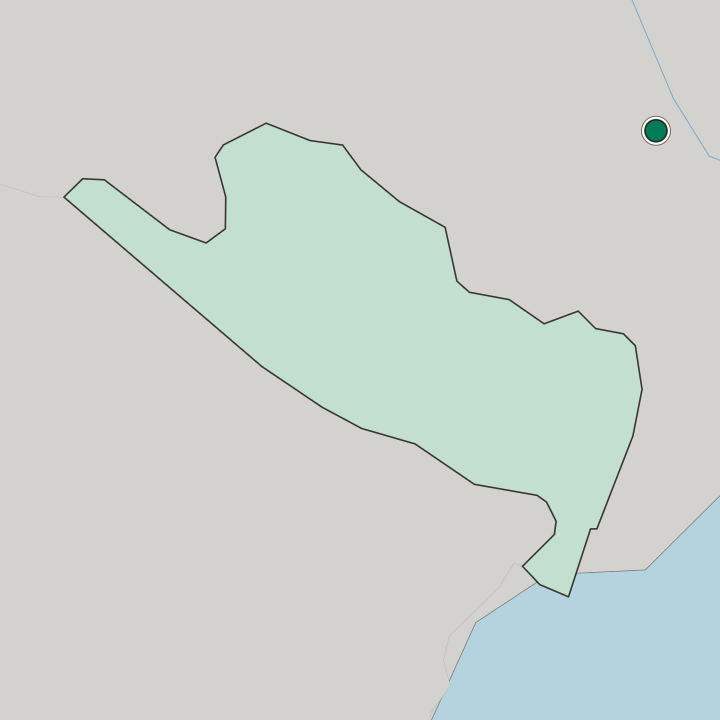
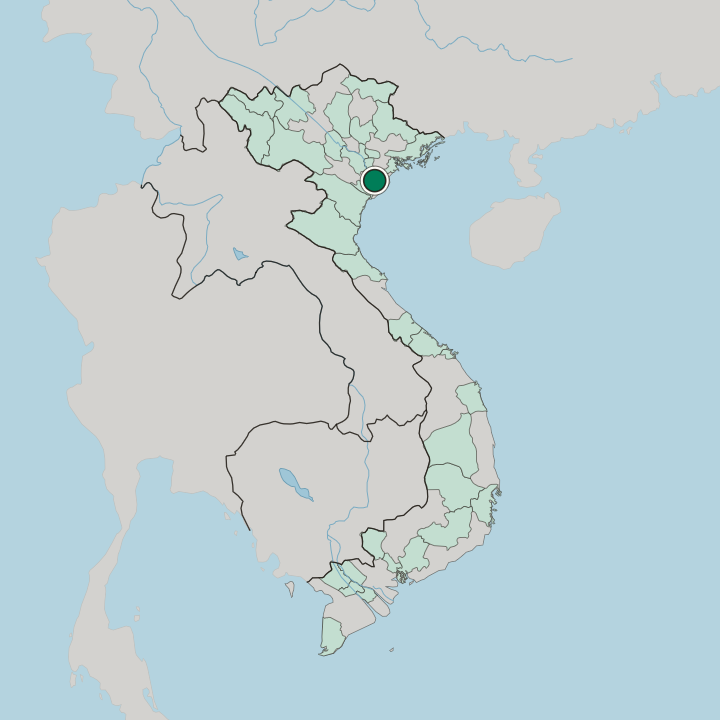
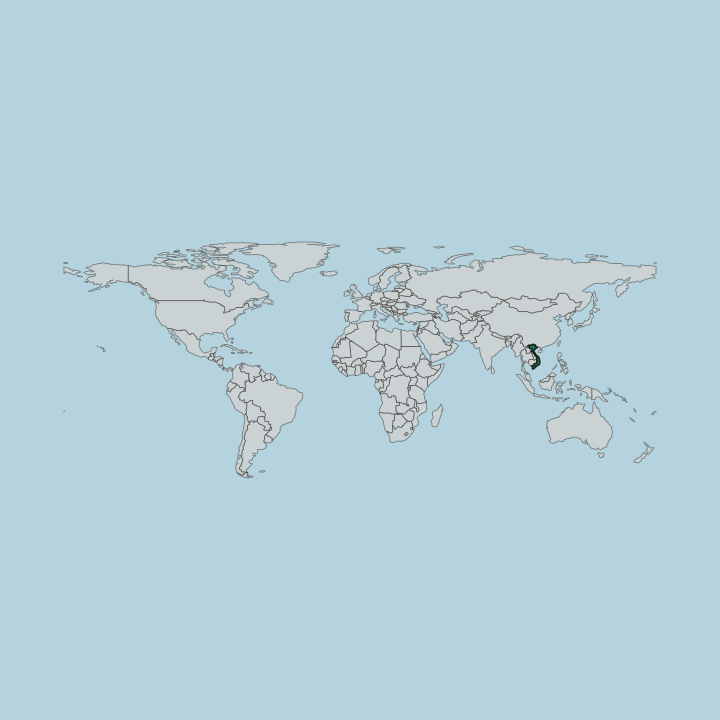
Nam Định lies in the south of the Red River delta in northern Vietnam, near the sea. The city sits on the flat rice plain by the Đào river, a branch of the Red River, in a low land of paddies and canals, with the delta spreading to the coast and Hanoi lying to the northwest. The rice plain runs flat and green.
Canals thread the paddies.
What is the climate of Nam Định?
Nam Định has a warm, humid monsoon climate. Hot wet summers and cool dry winters cross the delta, with heavy monsoon rains in the summer and a grey drizzle in the winter. The summer pours with rain.
Winter turns cool and grey.
How do you get to Nam Định?
Nam Định lies in the Red River delta of northern Vietnam, on the road and rail south of Hanoi. Trains and the highway run to it down the delta from Hanoi, and roads spread out to the coast. Boats work the delta rivers.
Hanoi lies northwest up the line.
Common questions
What is the best area to stay in Nam Định?
The city centre: Visitors here for the Trần temples and mill. The delta villages: Stays wanting Phủ Dày and the churches.
Updated September 2026