Vietnam · Phu Tho
Where to Stay in Việt Trì, Phu Tho
Việt Trì is a city of Phú Thọ in northern Vietnam, the country's ancestral land, where three rivers join below the temple of the legendary Hùng Kings.
Hotel links are affiliate links: booking through them may earn us a commission, at no extra cost to you. It never affects how places are ranked. How this works


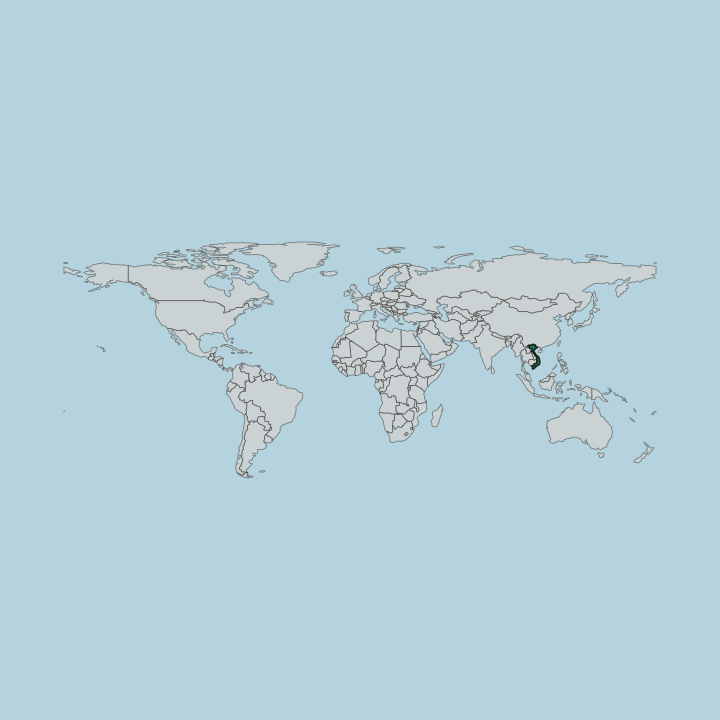
Where to stay in Việt Trì
How the choice of base plays out on the ground.
Where you stay in Việt Trì turns on the town or the temple. The streets around the centre keep the markets, the museum, and the river within a walk, and staying downtown suits anyone here for the city. Wide streets run straight through it.
The rivers join to the west. Out toward the Hùng temple and the hills, the town gives way to the wooded ridge, the shrines, and the tea country beyond. A room near the temple trades the streets for the old stairs, the pine hill, and the view over the joining rivers.
The delta spreads flat to the south. Stay downtown for the city, or out for the temple. Nothing in Việt Trì sits far from the centre.
Find hotels in Việt Trì
Direct booking searches for these neighbourhoods.
Downtown
In the city centreFind hotels in DowntownStays wanting the ancestral shrine and hillsThe Hùng temple
By the wooded ridgeFind hotels in The Hùng templeHotel links are affiliate links: booking through them may earn us a commission, at no extra cost to you. It never affects how places are ranked. How this works
About Việt Trì
Việt Trì is the ancestral city of Vietnam.
What is Việt Trì known for?
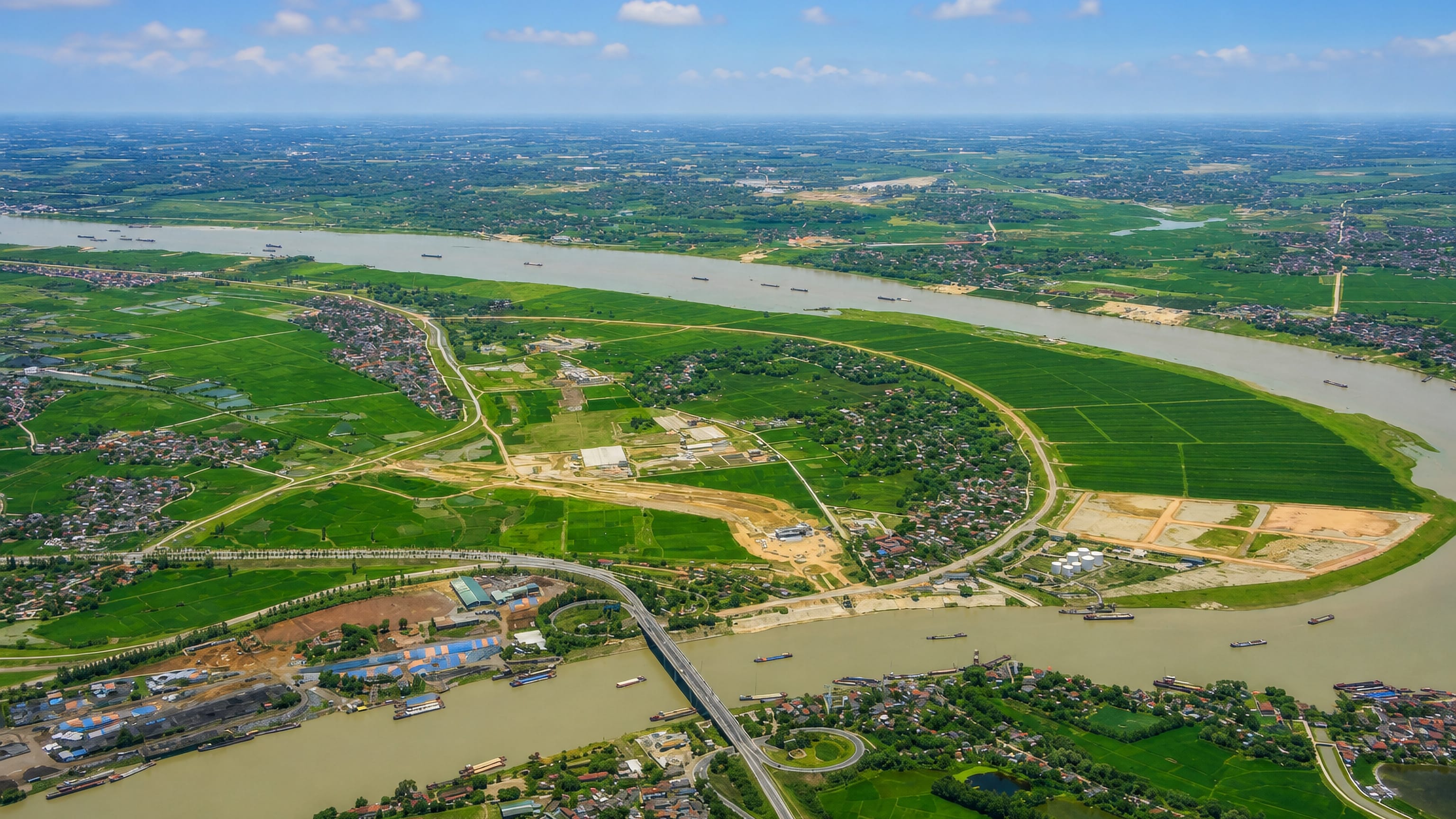
At the joining of the Red, Lô, and Đà rivers in the north, it stands on the land the Vietnamese call the cradle of their nation, and it keeps the great temple of the Hùng Kings on its wooded hill, the old sites of the first Vietnamese kingdom, the confluence where the three rivers join, and the busy mills and works of the modern town. The wide rivers run brown and strong. Green hills rise over the shrine.
What are the main landmarks in Việt Trì?
The Hùng Kings Temple is the pride of Việt Trì. The ancient shrine on Nghĩa Lĩnh hill, where the founding kings of Vietnam are honored among old trees and stairs, looks out over the rivers, the emblem of the nation, out of downtown. A festival fills it each spring.
Great crowds climb the temple hill at the ancestral feast, while the river confluence, the old Đông Sơn site, and the tea hills mark the country around Việt Trì.
What is the history of Việt Trì?
Việt Trì is the cradle of the Vietnamese nation. In the old legends the Hùng Kings ruled the first kingdom of Văn Lang from this land, more than two thousand years ago, and the people hold it the birthplace of their race. The kings lie on the hill.
On a wooded ridge above the rivers stand the temples and tombs of the Hùng Kings, where the whole country comes each spring to honor its ancestors. The land was old when history began. Here the ancient Đông Sơn people cast their bronze drums by the rivers, and a village of that age still lies beneath the modern town.
The city rose again in our own age. After the wars a new industrial city was built at the river junction, with mills and chemical works, and Việt Trì grew into the seat of its province, keeping its ancient temple, its rivers, and its old sites. The pilgrims still climb the temple hill.
Việt Trì keeps the ancestral land where the great rivers join.
Where is Việt Trì?
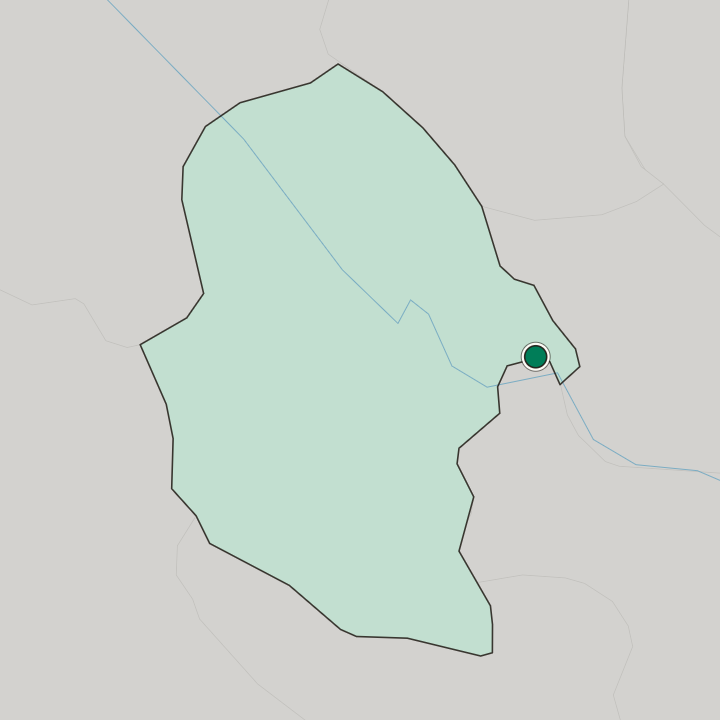
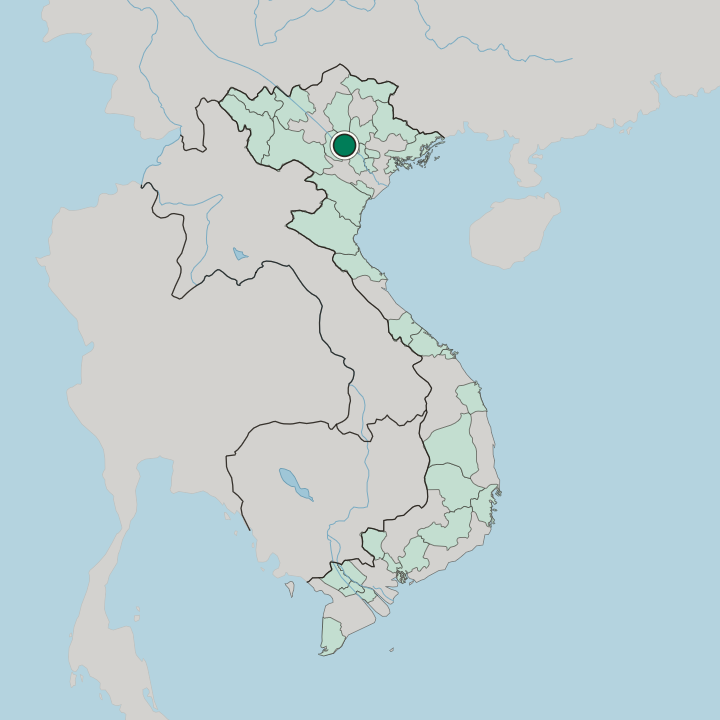
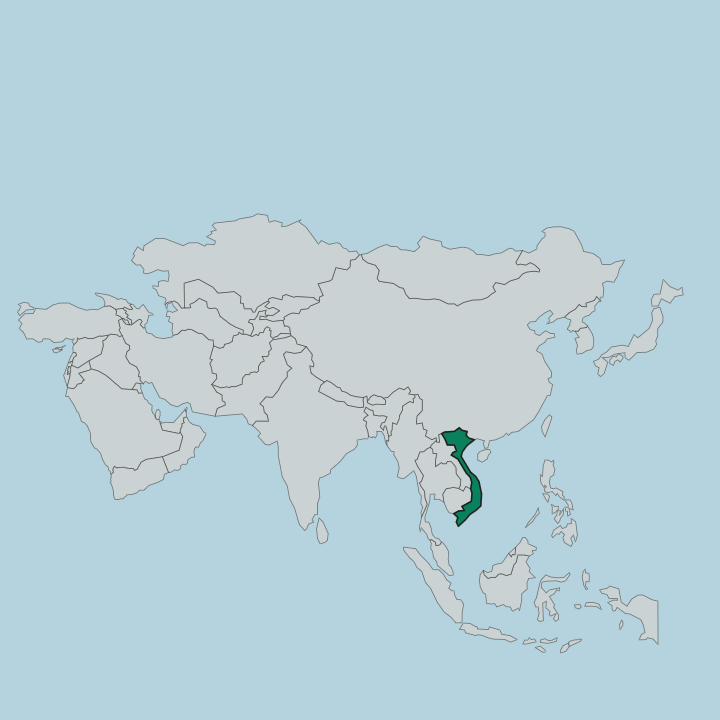
Việt Trì lies in the north of Vietnam, at the apex of the Red River Delta where three rivers join. The city sits on low hills above the water, where the Lô and the Đà pour into the great Red River, in a land of paddies and tea hills, with the wooded ridge of the Hùng temple rising over the town and the delta spreading flat to the south. The rivers run wide and strong.
Green hills roll to the north.
What is the climate of Việt Trì?
Việt Trì has a warm, humid monsoon climate. Hot wet summers and cool dry winters cross the delta, with heavy rains off the sea in summer and a cool grey winter in the hills. The summer brings flood and heat.
Winter turns cool and misty.
How do you get to Việt Trì?
Việt Trì lies in the north of Vietnam, on the road and rail northwest of Hanoi. The highway and trains run to it up the Red River valley from the capital, and roads lead on to the northern hills and Lào Cai. Boats work the rivers.
Hanoi lies southeast down the river.
Common questions
What is the best area to stay in Việt Trì?
Downtown: Visitors here for the markets and museum. The Hùng temple: Stays wanting the ancestral shrine and hills.
Good for
Updated September 2026