Vietnam
Phu Tho, Vietnam — Towns & Travel Guide
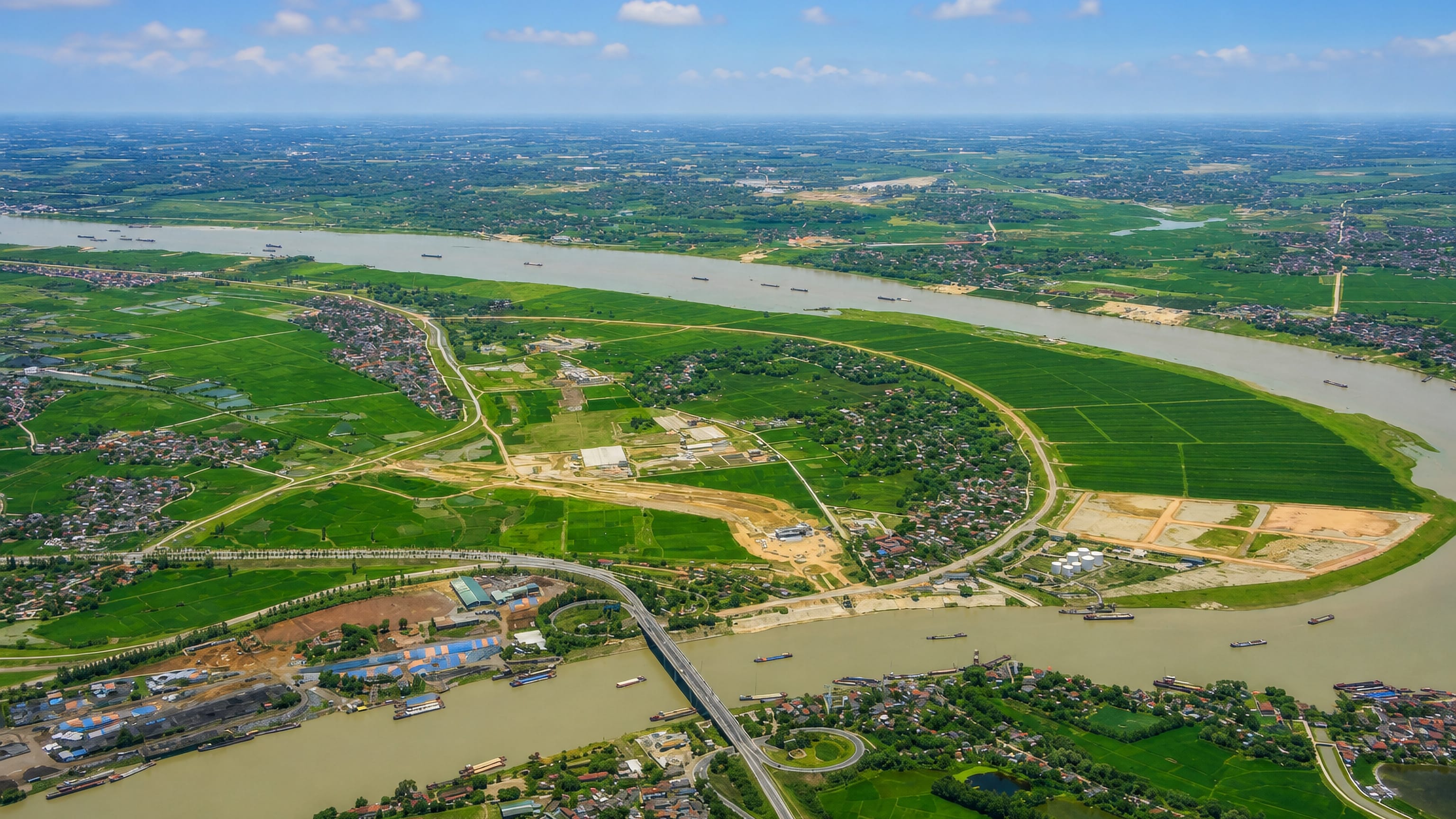
Phú Thọ is Vietnam's ancestral heartland, where the Đền Hùng temples crown Nghĩa Lĩnh above the meeting of the Red, Lô and Đà rivers at Việt Trì.
Hotel links are affiliate links: booking through them may earn us a commission, at no extra cost to you. It never affects how places are ranked. How this works


Towns & cities in Phu Tho
One town here has its own guide — it links to where to stay.

 Vietnam
Việt Trì
Việt Trì is a city of Phú Thọ in northern Vietnam, the country's ancestral land, where three rivers join below the temple of the legendary Hùng Kings.Where to stay →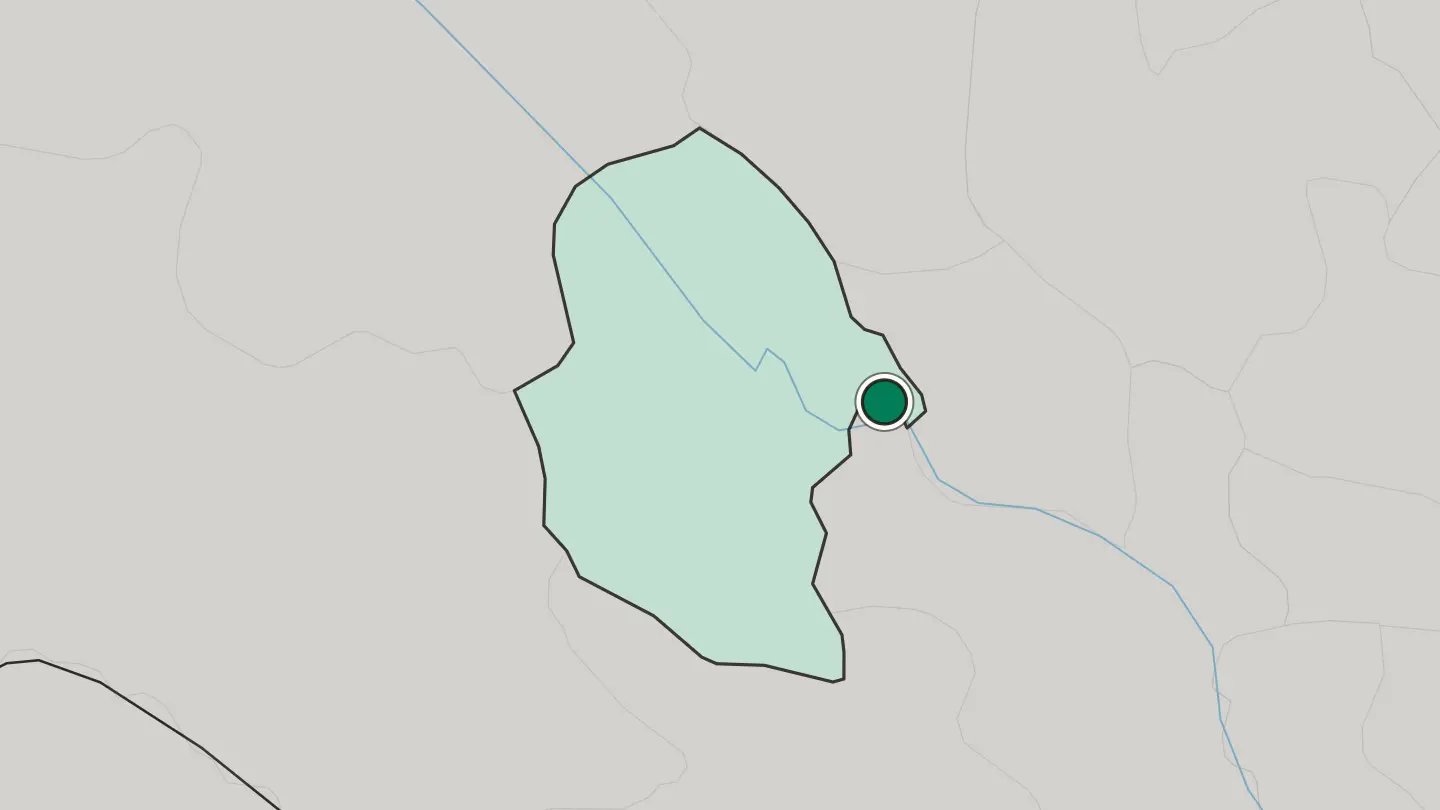
Hotel links are affiliate links: booking through them may earn us a commission, at no extra cost to you. It never affects how places are ranked. How this works
About Phu Tho
Vietnamese trace their nation to this ground.
What is Phu Tho known for?
Phú Thọ was the seat of the Hùng Kings, whose Văn Lang was the first Vietnamese state, and every spring pilgrims climb Nghĩa Lĩnh to the Đền Hùng temples for the ancestral commemoration. The province gave the country Xoan singing, an ancient ritual song bound to that worship. Its hub, Việt Trì, sits where three rivers converge.
Where is Phu Tho?
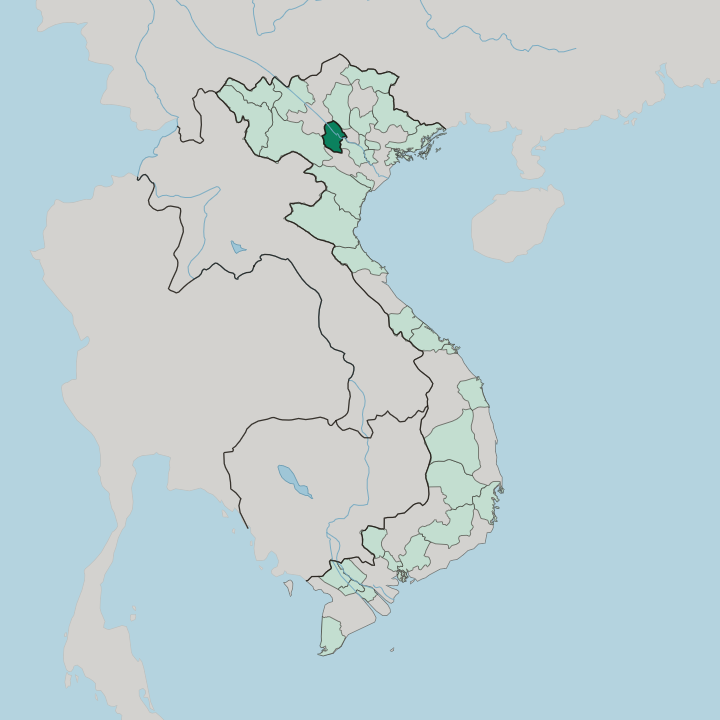
Phú Thọ sits in northern Vietnam, upriver from Hanoi. It occupies the trung du, the midland belt where the flat Red River Delta gives way to the mountains of the northwest. The ground rises as you cross Phú Thọ.
Low hills and tea terraces in the east climb steadily westward into limestone country toward the Sơn La highlands, and the far corner holds the karst peaks and caves of Xuân Sơn National Park. Việt Trì, the main city, stands at the delta's northern apex. Three rivers define the province.
The Red River, which Vietnamese call the Sông Hồng, runs down from Yunnan in China and cuts through the middle of Phú Thọ. Just below Việt Trì it gathers its two great tributaries: the Lô from the north and the Đà, the Black River, from the mountainous west. That triple confluence is the Ngã ba Hạc, the Hạc junction that gave the city its old name.
Water is everywhere here. The rivers made Phú Thọ a crossing point between the delta lowlands and the highlands long before roads did. Their valleys still carry the tea and palm plantations that clothe the midland slopes.
What is Phu Tho like?
Phú Thọ calls itself đất Tổ, the ancestral land, and the whole province turns on that idea. Its defining event is the Hùng Kings' Festival at Đền Hùng, held on the tenth day of the third lunar month, when people from across Vietnam converge on Nghĩa Lĩnh to honour the founding kings. A national proverb fixes the date in memory.
The worship of the Hùng Kings, rooted here, is recognised by UNESCO, and the pilgrimage up the temple stairways is as much civic ritual as religion. Away from the temples, the province keeps older village arts alive. Xoan singing, an ancient form of ritual song and dance once performed in the spring communal houses, was carried back from near-extinction and anchors the surviving guild villages around Việt Trì.
In the western hills the Mường keep their own stilt-house villages, gongs and folk custom. Tea shapes daily life too. The midland slopes have grown tea and oil palm for generations, and a cup of green tea is the ordinary courtesy of a Phú Thọ household.
The result feels lived-in, not staged for visitors.
What is the history of Phu Tho?
Legend and history meet at Phong Châu. The Hùng Kings are said to have ruled Văn Lang, the first Vietnamese state, from a capital on this stretch of the Red River, making Phú Thọ the cradle of the nation in Vietnamese tradition. For centuries afterwards it was frontier midland, the march between the delta kingdoms and the upland peoples.
The modern province took the name Phú Thọ under French rule.
What is the climate of Phu Tho?
Phú Thọ runs on a monsoon calendar. Summers are hot and wet, with heavy rain falling from May through September and the Red River and Đà River swelling with it. Winters turn cool and dry.
The northeast monsoon brings grey, drizzly spells from November into spring, and the western hills around Xuân Sơn National Park stay a little cooler and mistier than the valley floor at Việt Trì.
How do you get to Phu Tho?
Most travellers reach Phú Thọ through Hanoi. Nội Bài International Airport, the capital's airport, lies about an hour's drive south-east of Việt Trì. From there an expressway runs northwest through the province, and the Hanoi to Lào Cai railway still stops at Việt Trì on its climb toward the mountains.
Trains follow the Red River upstream. Within Phú Thọ, buses and cars link Việt Trì with Đền Hùng, the Thanh Thủy hot springs and the forests of Xuân Sơn National Park further west.
Common questions
What is the best area to stay in Phu Tho?
Việt Trì: the Hùng Kings pilgrimage. Thanh Thủy: warm-spring soaking by the Đà River. Xuân Sơn National Park: karst-and-forest homestays. Thanh Sơn: the tea-hill midlands.
Good for
More regions in Vietnam
Updated September 2026